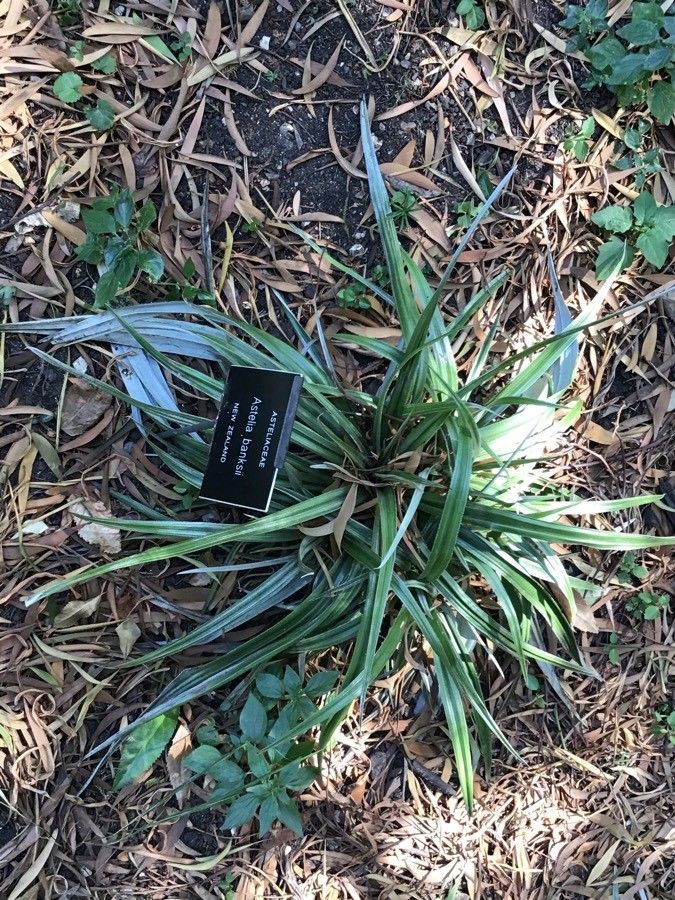
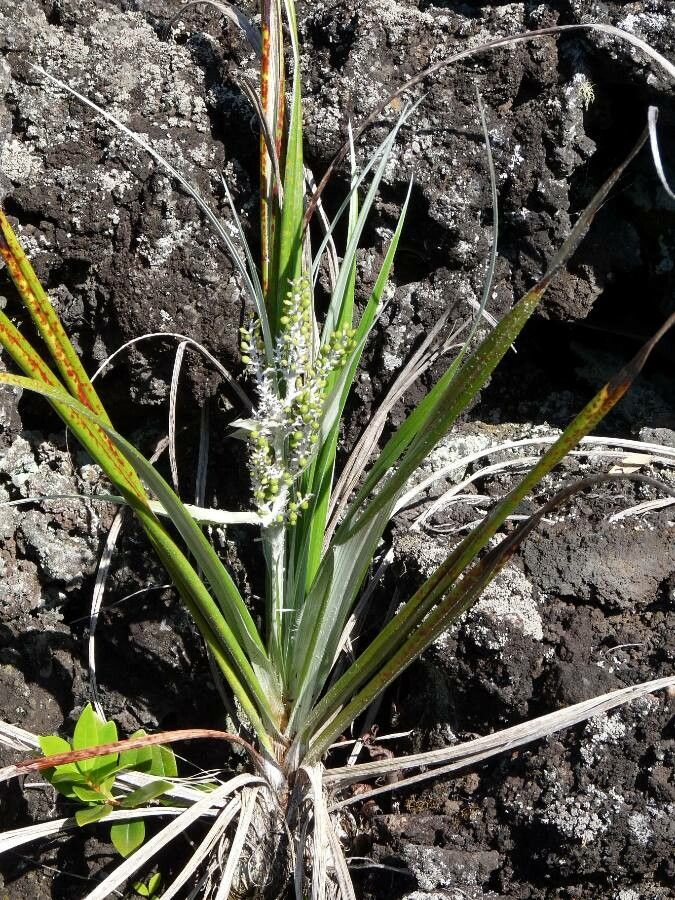
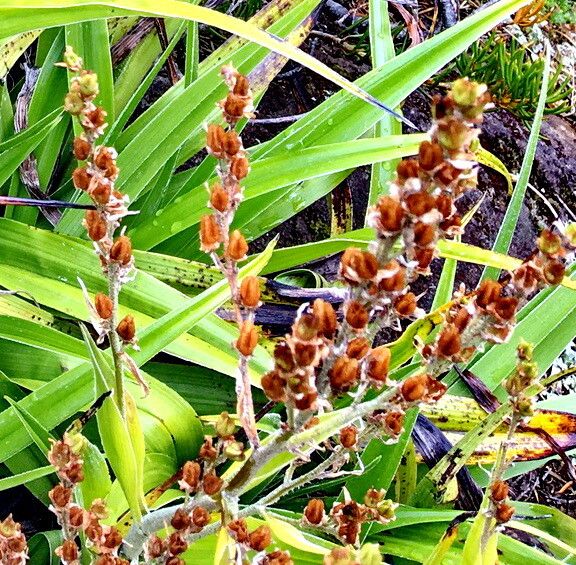
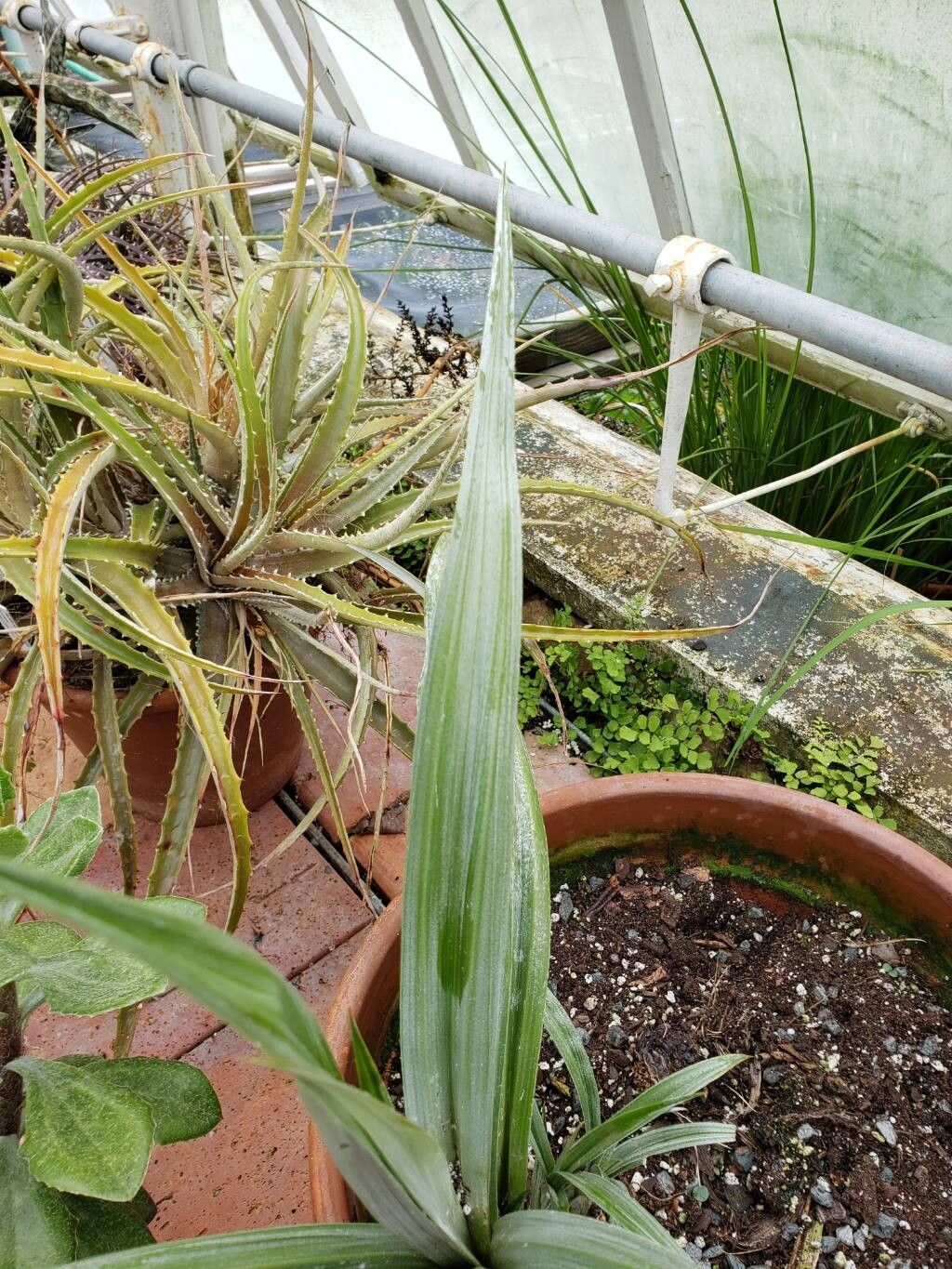
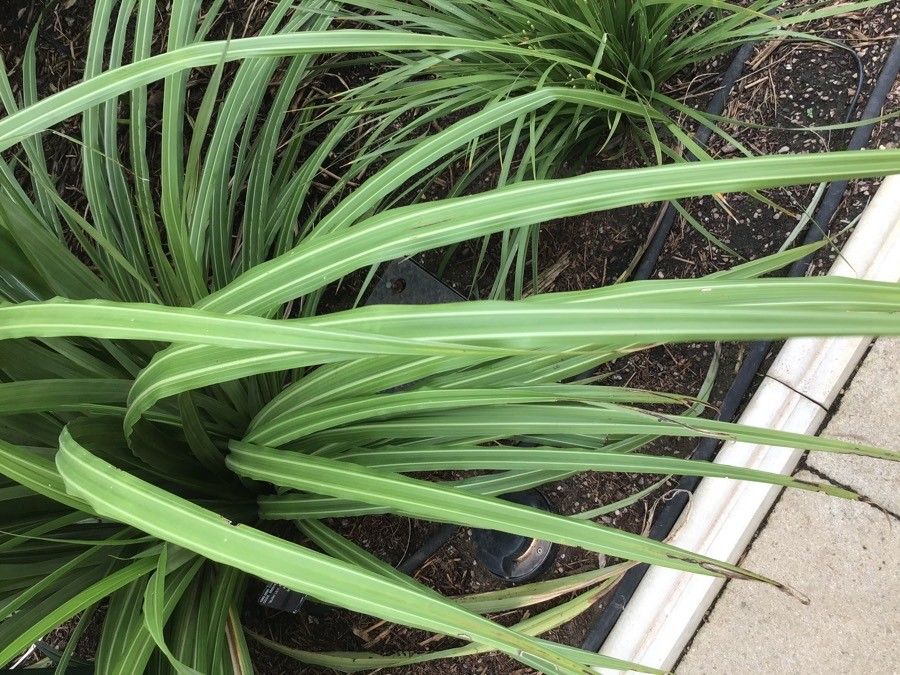
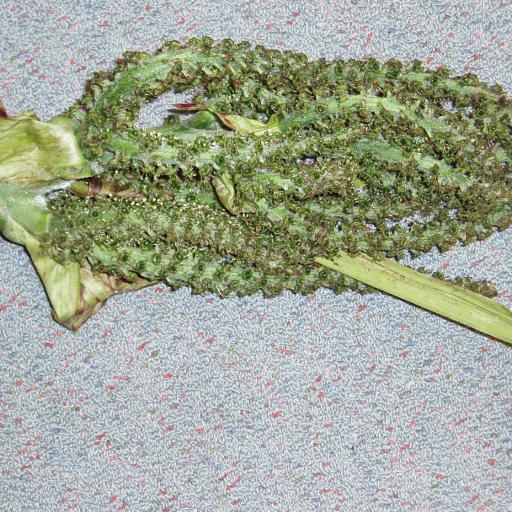
Astelia banksii is an evergreen silver-green plant from the beaches of New Zealand. It likes it best in partial shade and in infertile and well-drained soil.
Coastal astelia has good resistance to disease and is generally unlikely to suffer from illnesses. However, it can be vulnerable to pests and diseases present in its environment. These problems are usually not serious. In terms of care, this plant needs moderate maintenance. It should be pruned regularly to keep a neat appearance and support healthy growth. Fertilizing can also help encourage flowering. Coastal astelia is suitable for anyone with outdoor space, such as a garden or patio, and does not require extensive gardening experience. It may need more attention when grown indoors.
How to keep Astelia Banksii.
Light
Coastal astelia naturally occurs in habitats like forest understories or rocky areas, where it is subject to natural shade. It prefers partial sun but can tolerate full sun or full shade, reflecting its hardy and adaptable nature.
Water
Coastal astelia thrives in environments with consistent moisture and subtropical climates, striking a balance between hydration and drought resistance. To maintain its lush foliage, it requires weekly watering. As an evergreen plant, coastal astelia demonstrates resilience in a variety of climates, depending on sufficient soil moisture to adapt to temperature changes.
Temperature
Coastal astelia can adjust to a broad spectrum of temperature conditions, though its range may still be constrained by various combinations of moisture and heat. It performs best in warm summer conditions with sufficient rainfall or irrigation. Extended stretches of cloudy, rainy weather, and prolonged high temperatures can raise the chance of Coastal astelia dying. During winter, adequate protection from cold boosts the plant's chances of survival.
Fertilizer
The best time to fertilize a Coastal astelia is in early spring, as it is coming out of dormancy and starting active growth. Fertilization supplies essential nutrients for healthy growth. Although Coastal astelia has fairly low fertilizer requirements, feeding it annually can improve its survival and encourage better, longer-lasting flowers.
Pruning
Coastal astelia is known for its long, arching leaves that add beauty to any garden. To keep your plant healthy and looking its best, prune it in early spring. This will remove any damaged leaves and encourage new growth, helping to maintain its shape. Proper pruning not only enhances air circulation but also reduces the risk of disease. This promotes vigorous growth throughout the year, ensuring your garden remains lush and vibrant.
Pot & Repot
Coastal astelia grows as a bush and should be repotted every 2 to 3 years. It's best to transplant it in late winter using a container that is 2 to 3 inches wider than its current one. After repotting, place the coastal astelia in well-draining soil and maintain consistent moisture to support its recovery and encourage healthy, silvery foliage.
Botanical profile.
- Plant Type
- Herb
- Life Cycle
- Perennial
- Genus
- Astelia
- Family
- Asteliaceae
- Hardiness Zone
- 8-11
- Mature Height
- 1.52 m
- Mature Spread
- 91 cm
- Leaf Color
- Green, Gray, Silver
- Leaf Type
- Evergreen
- Flower Color
- Green, Yellow
- Flower Size
- 0.25 cm to 0.51 cm
- Bloom Time
- Winter
- Planting Time
- Spring, Summer, Autumn
- Harvest Time
- Spring
- Native Area
- New Zealand
Reader questions.
What are the sunlight requirements for Coastal Astelia?
Coastal astelia thrives in a variety of sunlight conditions. It prefers partial sun, benefiting from about 3-6 hours of sunlight each day, but can also tolerate full shade, making it suitable for environments like forest understories or rocky areas. When considering a spot for your Coastal astelia in the garden, observe how sunlight moves through the area to ensure you choose a location that provides a good balance of light and shade. For plants requiring full sun, aim for areas receiving above 6 hours of sunlight. Remember, the right balance promotes plant happiness and health.
How do I use artificial lighting for Coastal Astelia?
When natural sunlight is insufficient, especially during winter or in less sunlit indoor spaces, artificial lighting becomes essential for Coastal astelia's growth. Optimal growth is achieved by selecting the right type of light, such as LED lights, which can be customized to provide specific wavelengths needed by your plant. Full sun plants generally require 30-50W per square foot, partial sun plants 20-30W per square foot, and full shade plants 10-20W per square foot of artificial light. Place your light source 12-36 inches above the plant to mimic natural sunlight conditions, and ensure the lights are on for about 8-12 hours per day to simulate natural daylight hours.
What are the symptoms of insufficient light in Coastal Astelia?
When Coastal astelia is grown indoors with inadequate light, it may display several symptoms indicating light deficiency. These include smaller new leaves, leggy or sparse growth, faster leaf drop, slower or halted new growth, and lighter-colored or yellowing leaves (chlorosis). These symptoms suggest the plant is struggling with poor light conditions. Additionally, excessive sunlight can cause sunscald, leaf curling, wilting, and leaf scorching, indicating the plant's distress in extreme light conditions.
How can I address insufficient light for Coastal Astelia?
To address insufficient light for Coastal Astelia, incrementally move your plant to sunnier spots weekly until it receives 3-6 hours of direct sunlight daily for a gradual adaptation. If the plant is large or not easily movable, consider using artificial lighting, such as a desk or ceiling lamp for at least 8 hours daily or professional grow lights. For outdoor plants, avoid sudden changes in light intensity to prevent sunburn. If sunlight is obstructed, prune any trees blocking light or transplant smaller plants during their dormant period to a sunnier location with good drainage. Note that parts of the plant adversely affected by poor light may not recover, but new growth should be healthy following these adjustments.