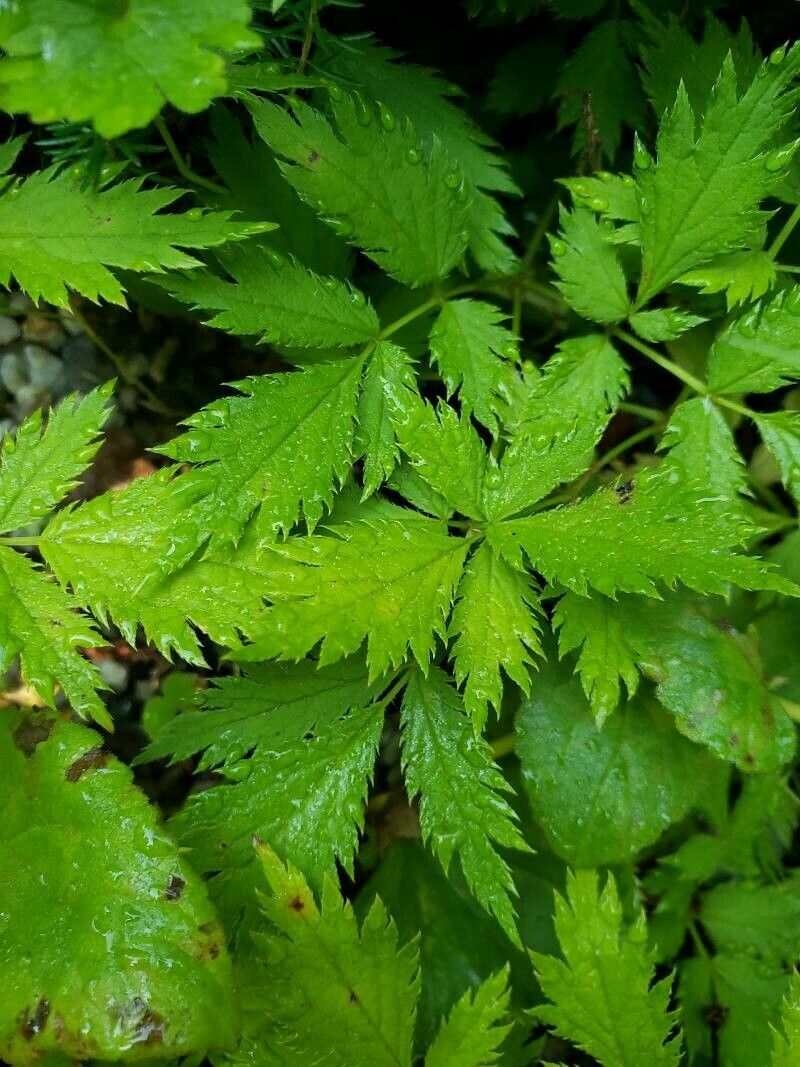
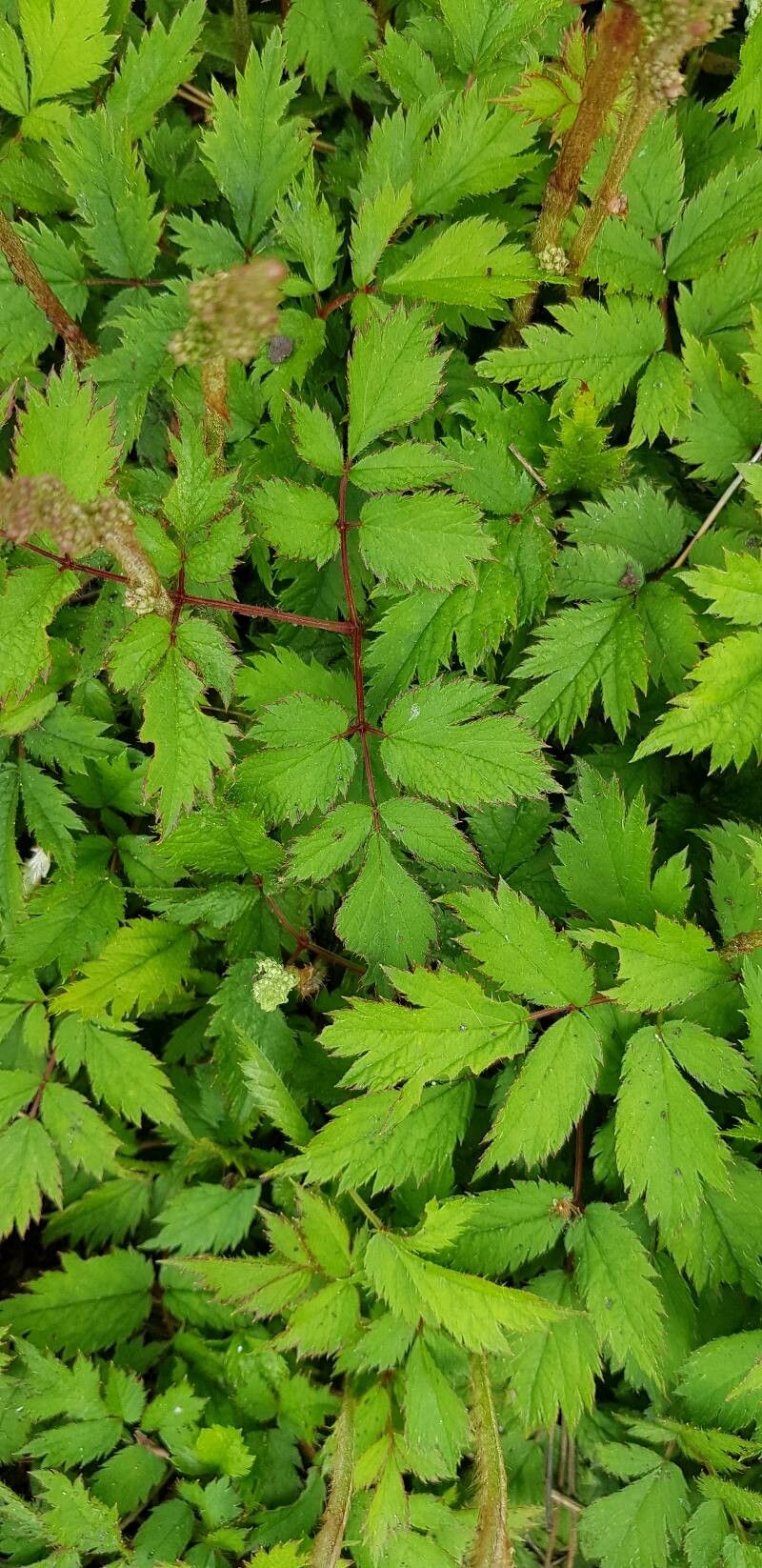
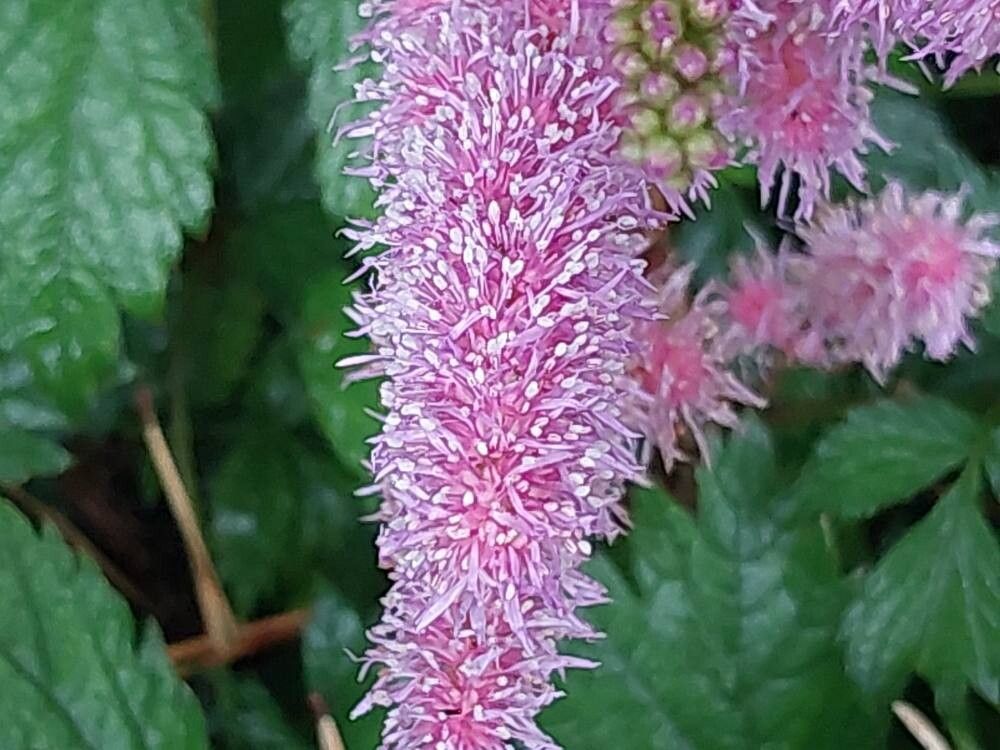
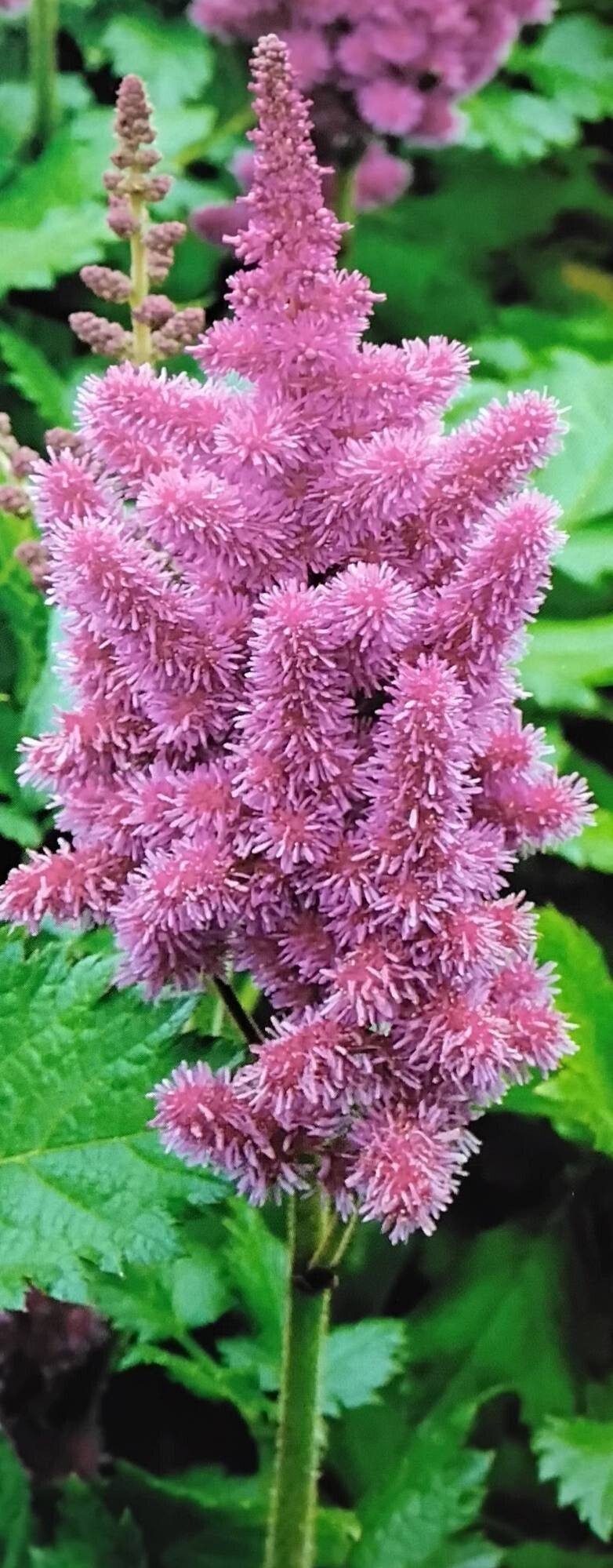
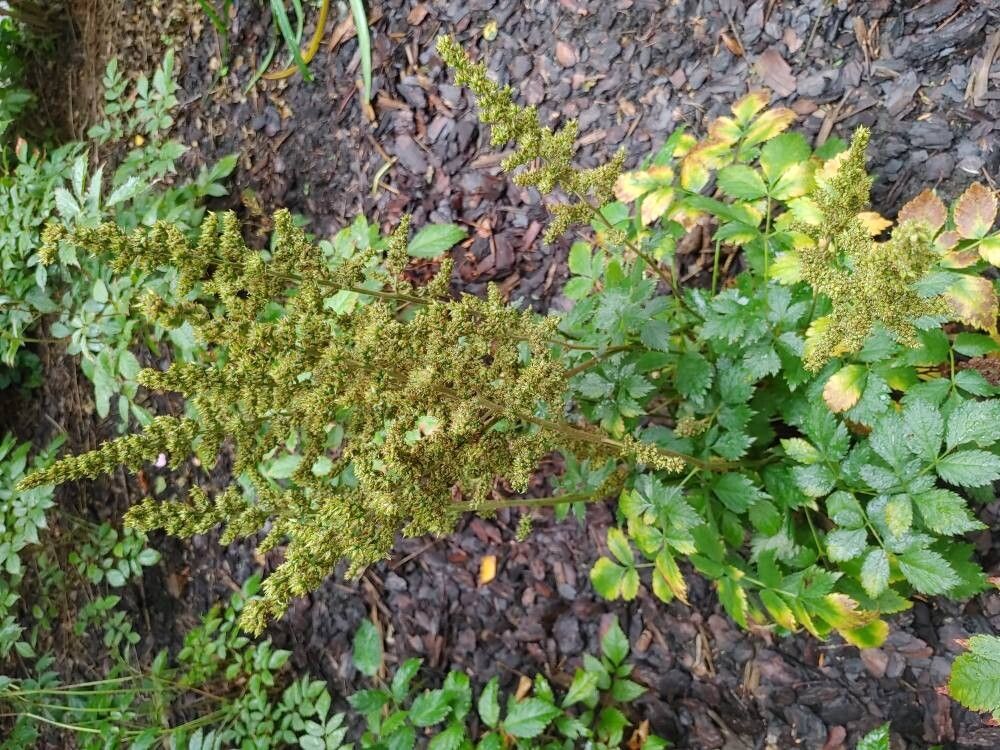
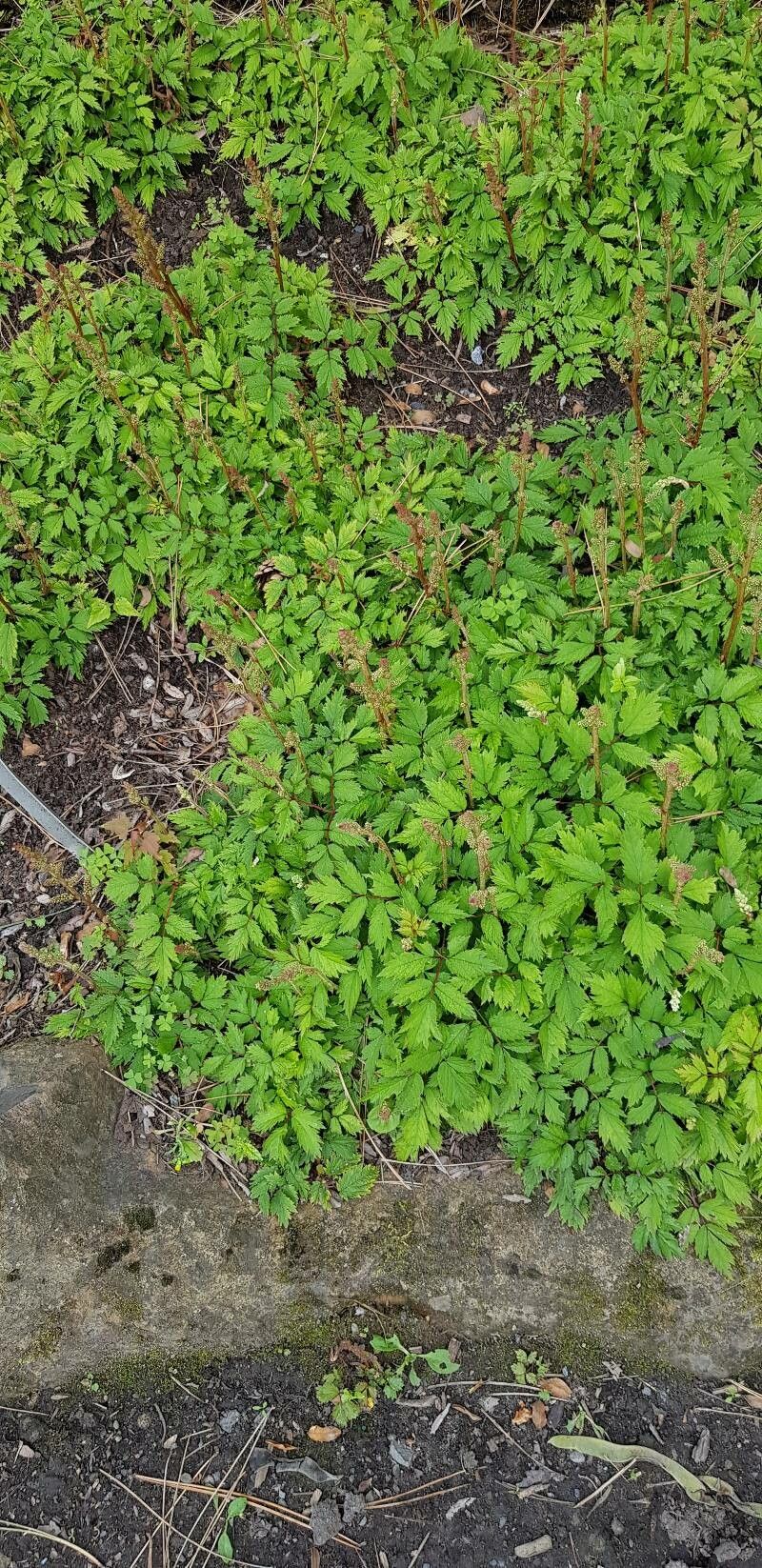
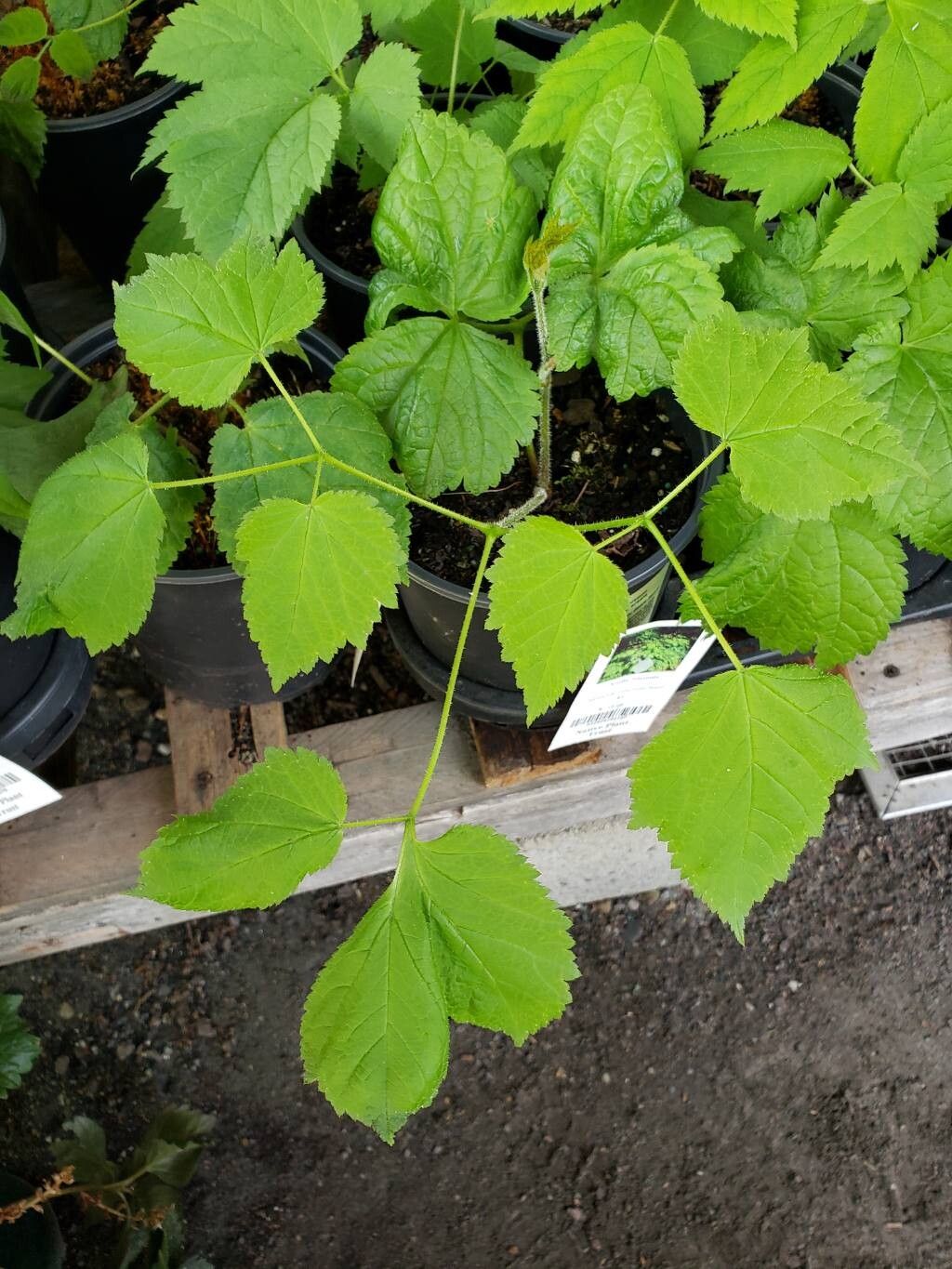
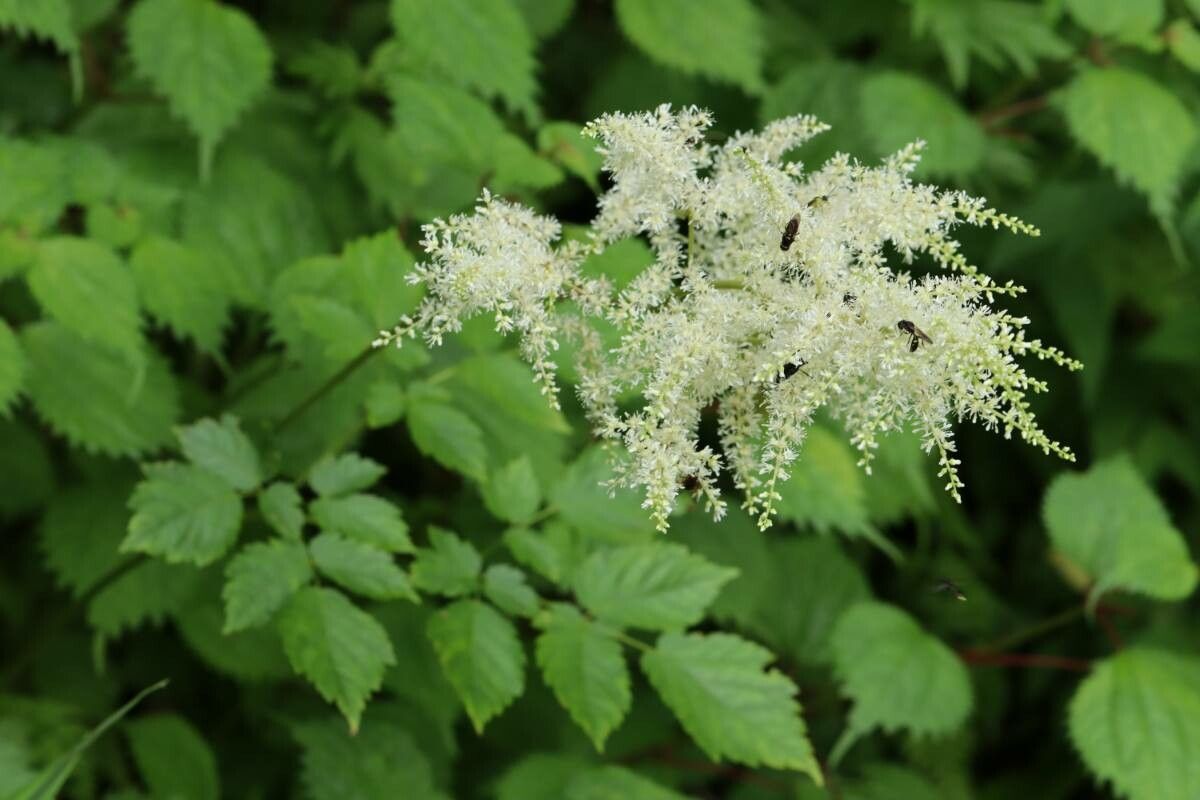
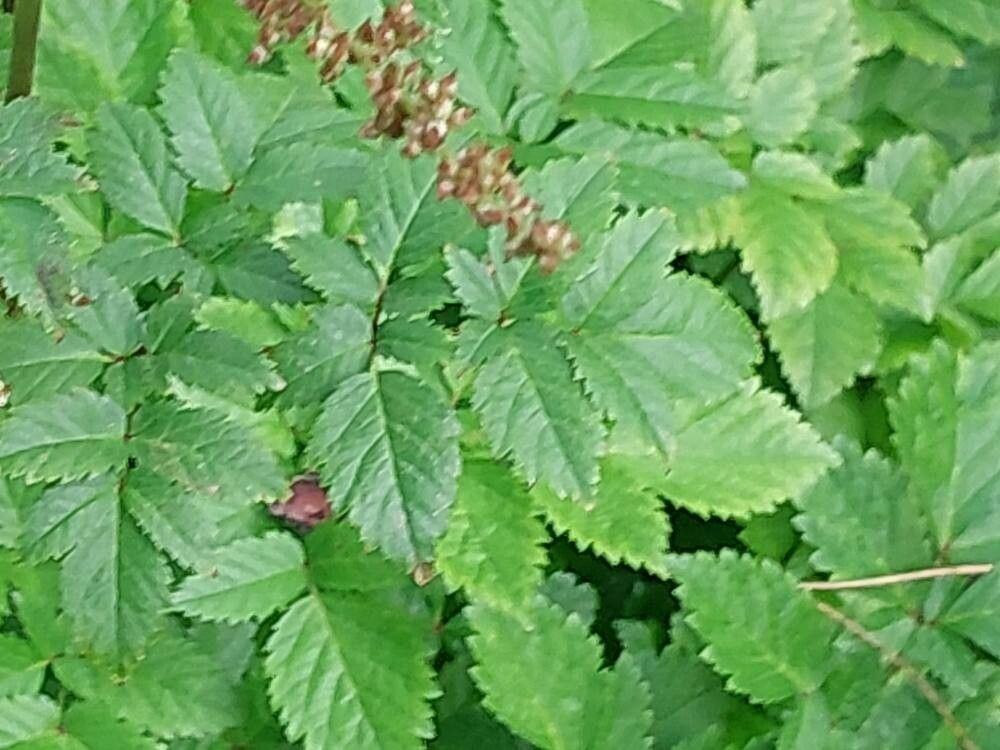
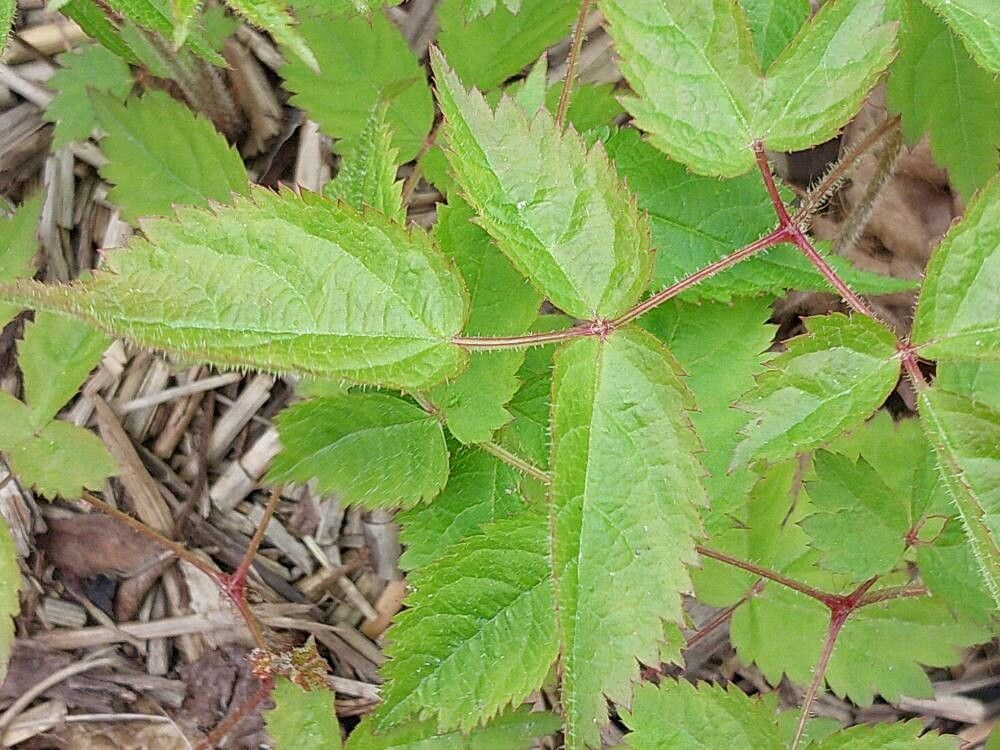
Astilbe chinensis, commonly known as Chinese astilbe, is a herbaceous perennial that belongs to the Saxifragaceae family. Native to China, Korea, and Japan, this plant grows up to 60 cm in height and forms clumps of dark green, glossy leaves deeply divided into three leaflets. In mid-summer, tall spikes adorned with tiny, densely packed pink or purple flowers rise above the foliage, creating a feathery appearance.
Astilbe chinensis thrives in moist soil and partial shade but can also tolerate full sun if the soil remains consistently moist. This plant is an excellent choice for adding color and texture to shady garden areas or for planting along streams and ponds where it can flourish in wet conditions.
Several cultivars of Astilbe chinensis are available, including: - 'Pumila,' which grows up to 30 cm tall with pink flowers - 'Visions,' which produces deep purple blooms - 'Superba,' known for its bright pink flowers - 'Taquetii,' featuring white blooms on red stems
Overall, Astilbe chinensis is an attractive perennial that features showy spikes of feathery flowers. It adds color to shady garden areas and provides a habitat for pollinators such as bees and butterflies.
Chinese astilbe has good resistance to disease and is generally not likely to suffer from illnesses. Nevertheless, it can be affected by pests and diseases present in its surroundings. These infections are usually mild. As for care, this plant needs a moderate amount of maintenance. It should be pruned regularly to keep a tidy appearance and promote healthy growth. Fertilizing can also help encourage flowering. Chinese astilbe is suitable for anyone who has outdoor space, such as a garden or patio, and does not require extensive plant-care experience. It may demand more attention when kept indoors.
How to keep Astilbe Chinensis.
Light
Chinese astilbe naturally occurs in habitats like forest understories and rocky areas that provide natural shade. It prefers partial sun but can tolerate full sun or full shade, showing its versatile, hardy nature.
Water
Chinese astilbe thrives in the humid and moist environments typical of East Asia, where it prefers consistently damp soil. To maintain its lush foliage and vibrant flowering, it needs to be watered weekly. This plant is best suited for outdoor cultivation, where it can benefit from natural fluctuations in moisture. These variations are especially important during the growing season, when its root system absorbs water vigorously.
Temperature
Chinese astilbe can tolerate a wide span of temperatures, but its range may still be restricted by different combinations of moisture and heat. It performs best in warm summer conditions with sufficient rainfall or regular watering. Long stretches of overcast, rainy weather or extended high temperatures can raise the chance of Chinese astilbe dying. In winter, suitable protection from cold can increase the plant's survival rate.
Fertilizer
The best time to fertilize a Chinese astilbe is in early spring, as it comes out of dormancy and starts active growth. Fertilizing supplies essential nutrients for healthy development. Although Chinese astilbe requires relatively little fertilizer, yearly feeding can boost its survival and lead to better, longer-lasting blooms.
Pruning
Chinese astilbe is known for its feathery plumes and lush foliage, and it thrives when given proper care. To promote growth and improve air circulation, prune the plant from early to late spring. After the plant has bloomed, trim away spent flowers to keep it tidy. Proper pruning enhances the plant's vigor, encourages more blooms, and reduces the risk of disease, leading to a vibrant display.
Botanical profile.
- Plant Type
- Herb
- Life Cycle
- Perennial
- Genus
- Astilbe
- Family
- Saxifragaceae
- Hardiness Zone
- 3-9
- Mature Height
- 0.61 m to 1.22 m
- Mature Spread
- 30 cm to 61 cm
- Leaf Color
- Dark Green, Forest Green
- Leaf Type
- Deciduous
- Flower Color
- Pink
- Flower Size
- 0.25 cm to 0.51 cm
- Bloom Time
- Summer
- Planting Time
- Spring, Autumn
- Harvest Time
- Late summer, Early fall, Mid fall
Other names.