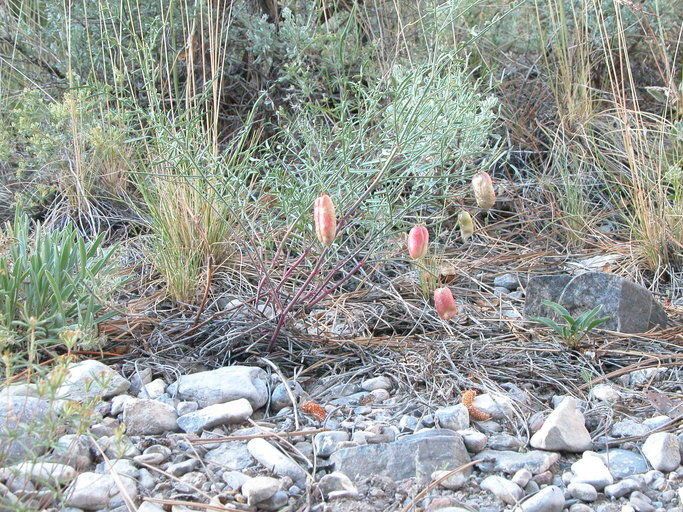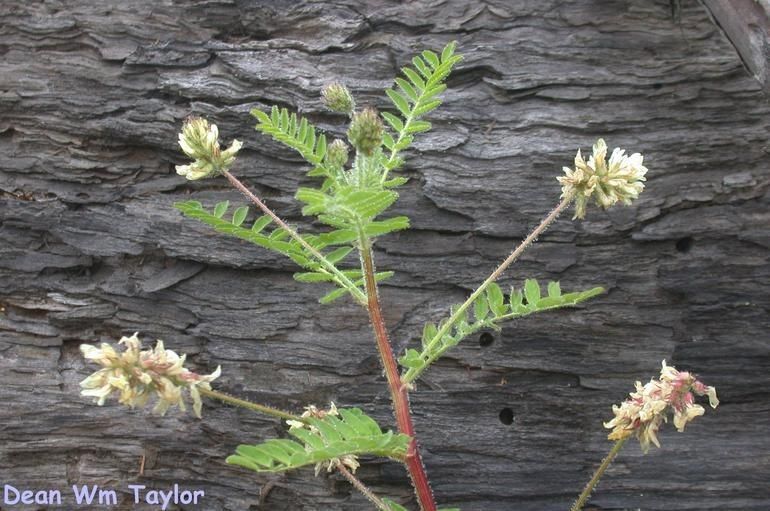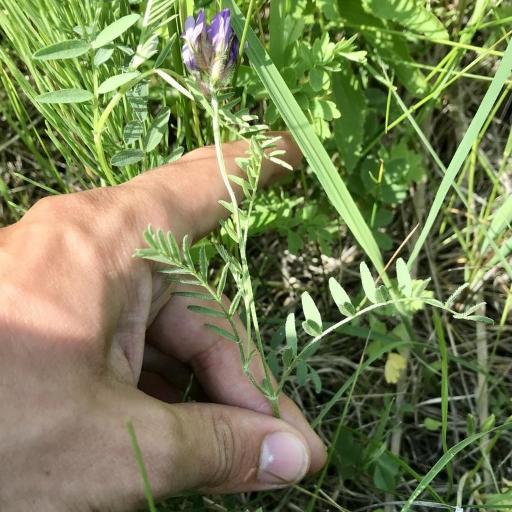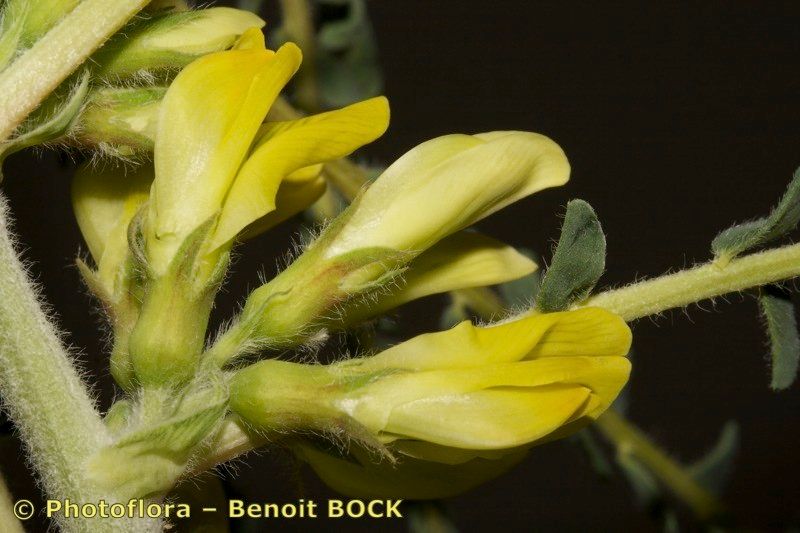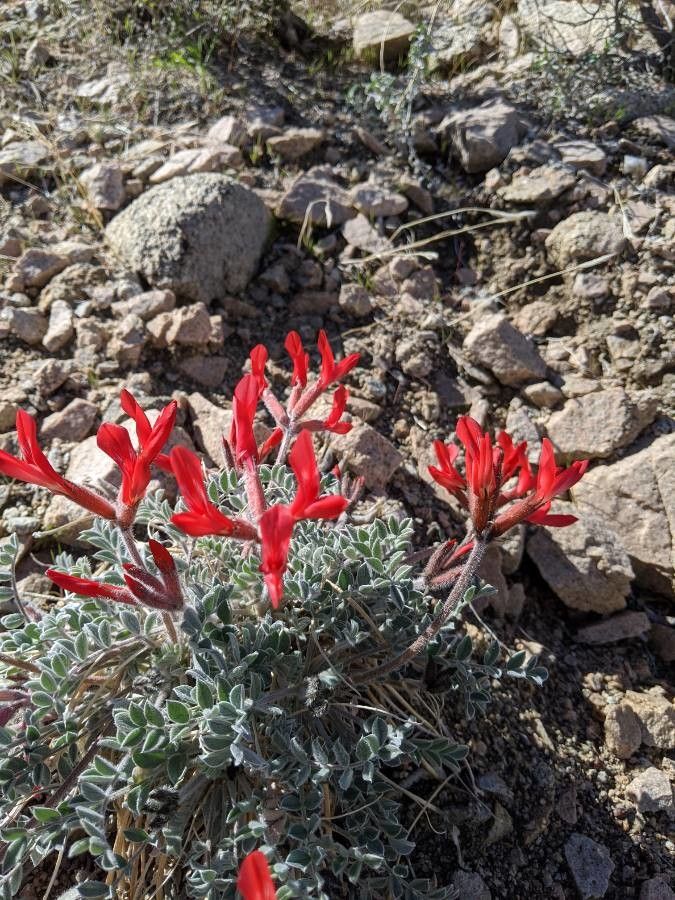
Astragalus coccineus is a species of milkvetch known by the common name scarlet locoweed or scarlet milkvetch. It is native to the deserts, scrub, and chaparral of the Southwestern United States in Arizona, California, and Nevada, and in northwestern Mexico.
Scarlet milkvetch has strong resistance to disease and is generally not easily affected by illnesses. Still, it can be vulnerable to pests and diseases present in its environment. Such infections are typically mild. Regarding upkeep, this plant needs moderate care. It should be pruned regularly to maintain a tidy appearance and support healthy growth. Applying fertilizer can also encourage flowering. Scarlet milkvetch is appropriate for anyone with outdoor space, like a garden or patio, and does not demand extensive gardening experience. It may need more attention when grown indoors.
How to keep Astragalus Coccineus.
Light
Scarlet milkvetch is a sun-loving, perennial herbaceous plant that comes from open habitats and often thrives in meadows and grasslands. It prefers full sun but can also tolerate partial sun.
Fertilizer
The best time to fertilize Scarlet milkvetch is in early spring, as it is coming out of dormancy and starting active growth. Fertilization supplies essential nutrients for healthy development. Although Scarlet milkvetch has relatively low fertilizer needs, an annual application can improve its survival and encourage stronger, longer-lasting flowers.
Pruning
Scarlet milkvetch boasts vibrant red flowers and is highly drought-tolerant. To promote its health and shape, prune the plant in early spring by removing any dead stems. Additionally, trim back overgrown branches to improve airflow. Always use clean tools for pruning to minimize the risk of disease and encourage abundant blooming.
Botanical profile.
- Plant Type
- Herb
- Life Cycle
- Perennial
- Genus
- Astragalus
- Family
- Fabaceae
- Hardiness Zone
- 5-9
- Mature Height
- 10 cm to 20 cm
- Mature Spread
- 15 cm to 30 cm
- Leaf Color
- Silver, Light Gray
- Leaf Type
- Deciduous
- Flower Size
- 2.03 cm to 3.05 cm
- Bloom Time
- Mid spring, Late spring, Early summer
- Planting Time
- Spring, Summer, Autumn
- Harvest Time
- Summer
- Native Area
- Mexico