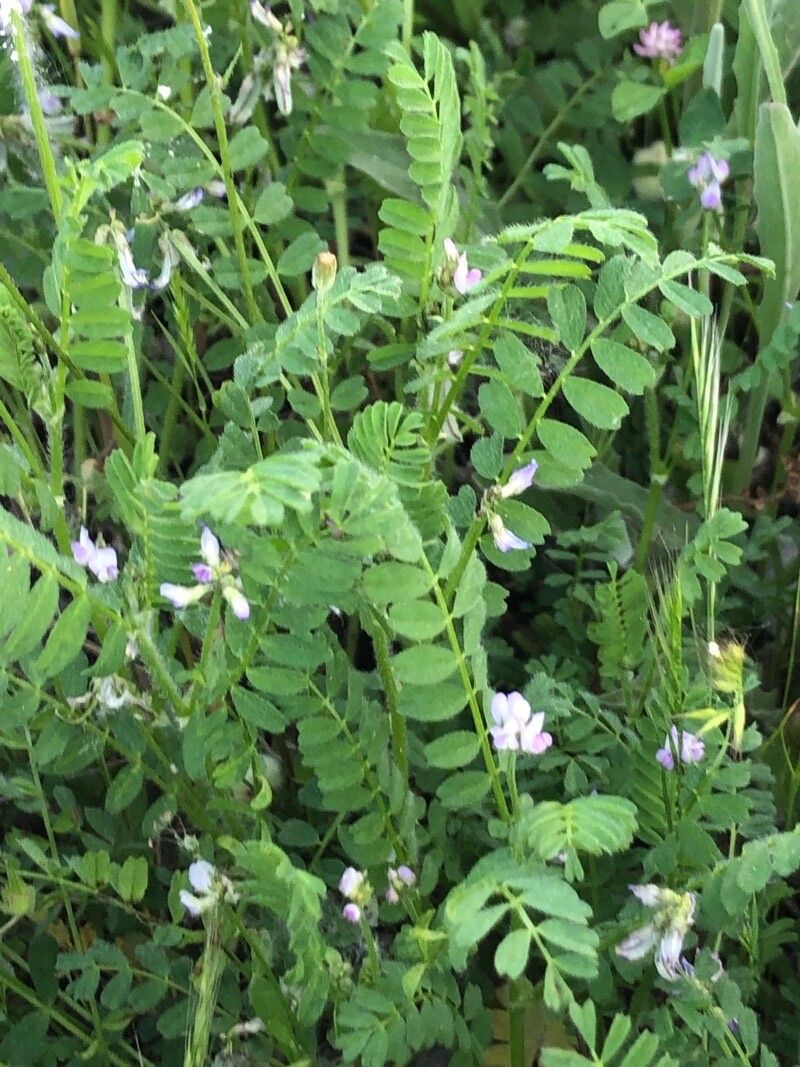
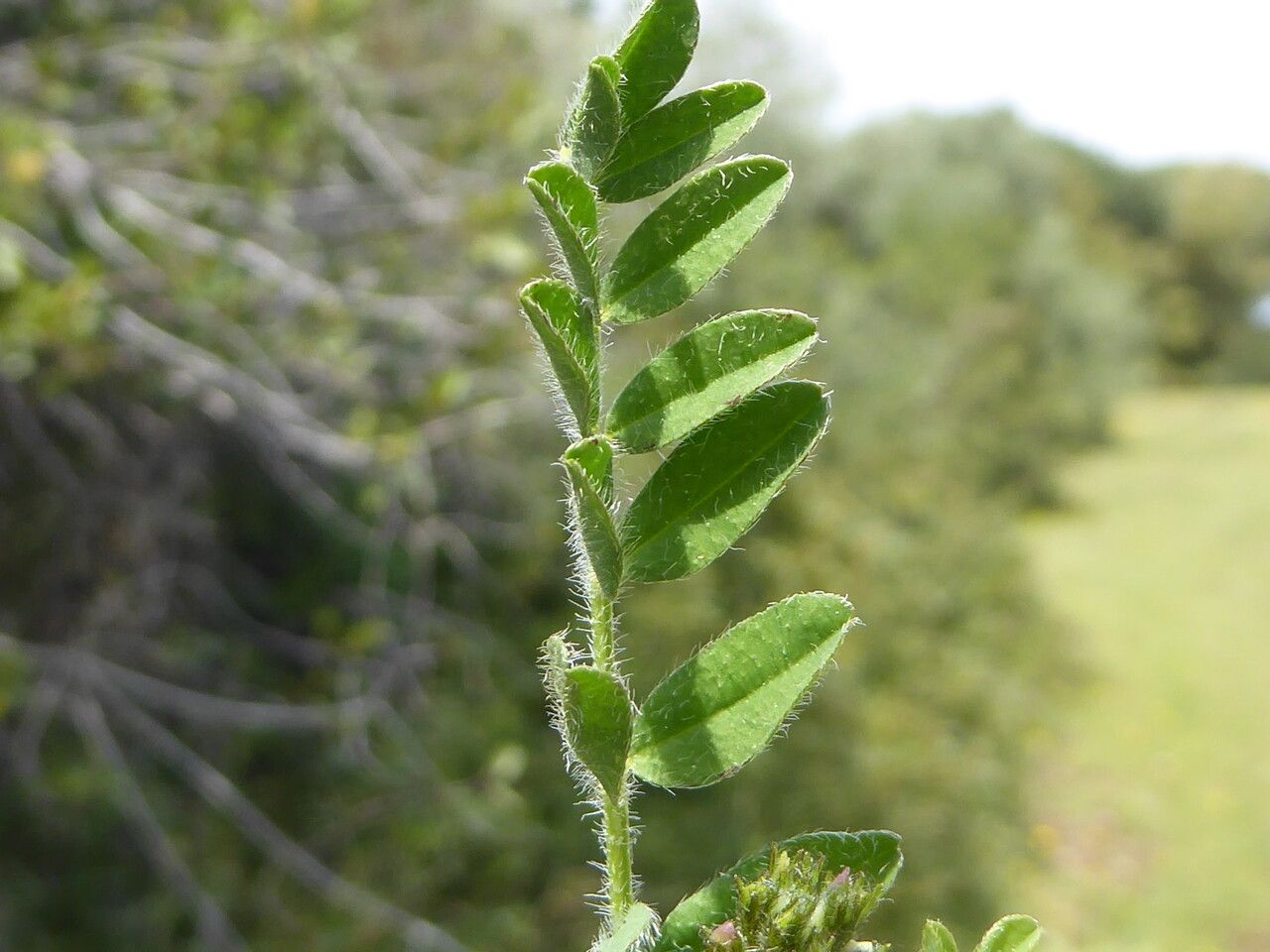
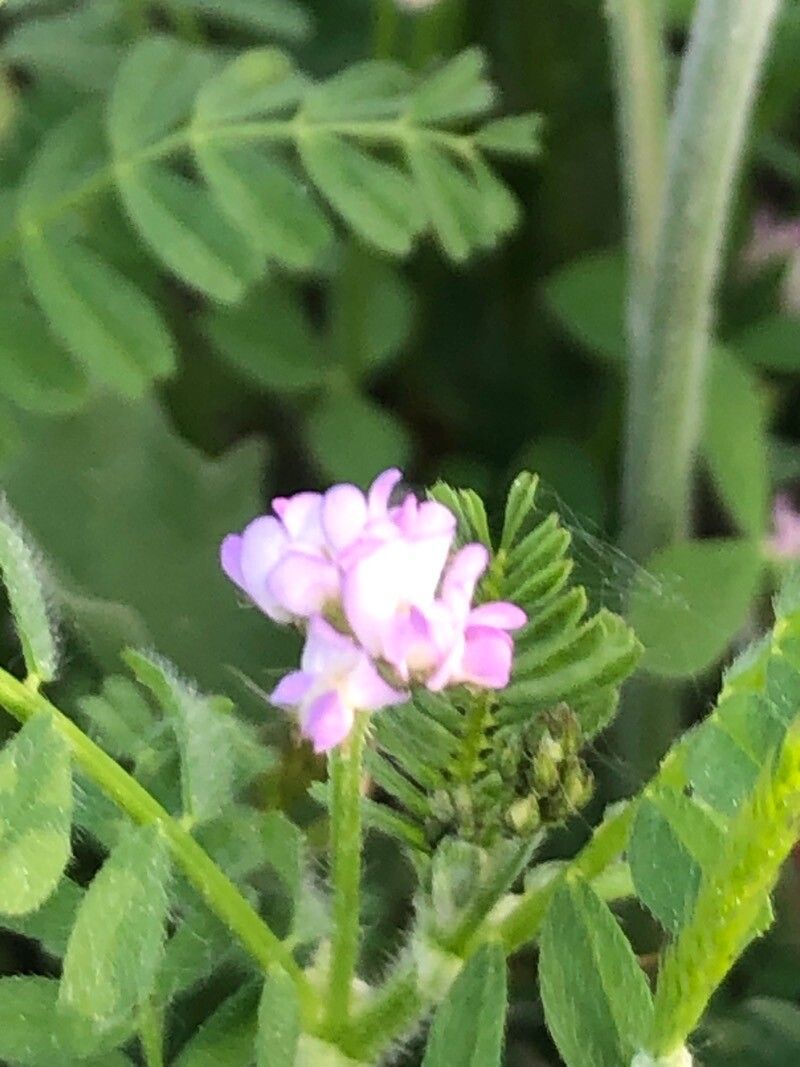
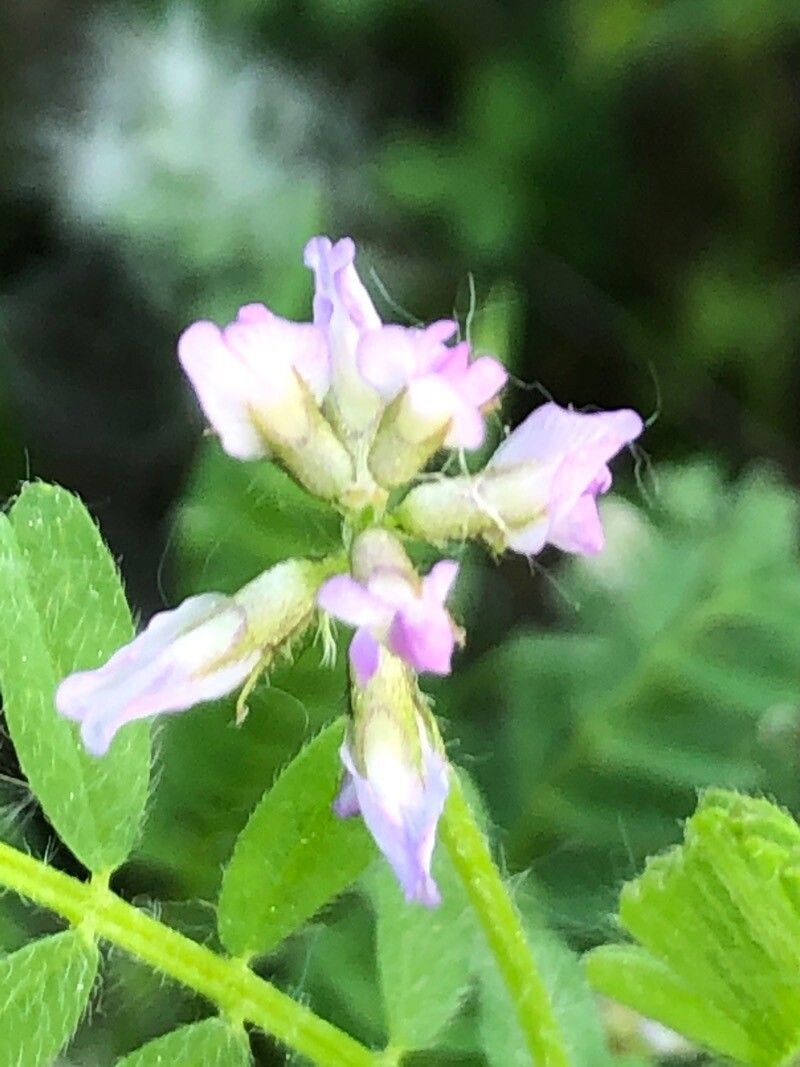
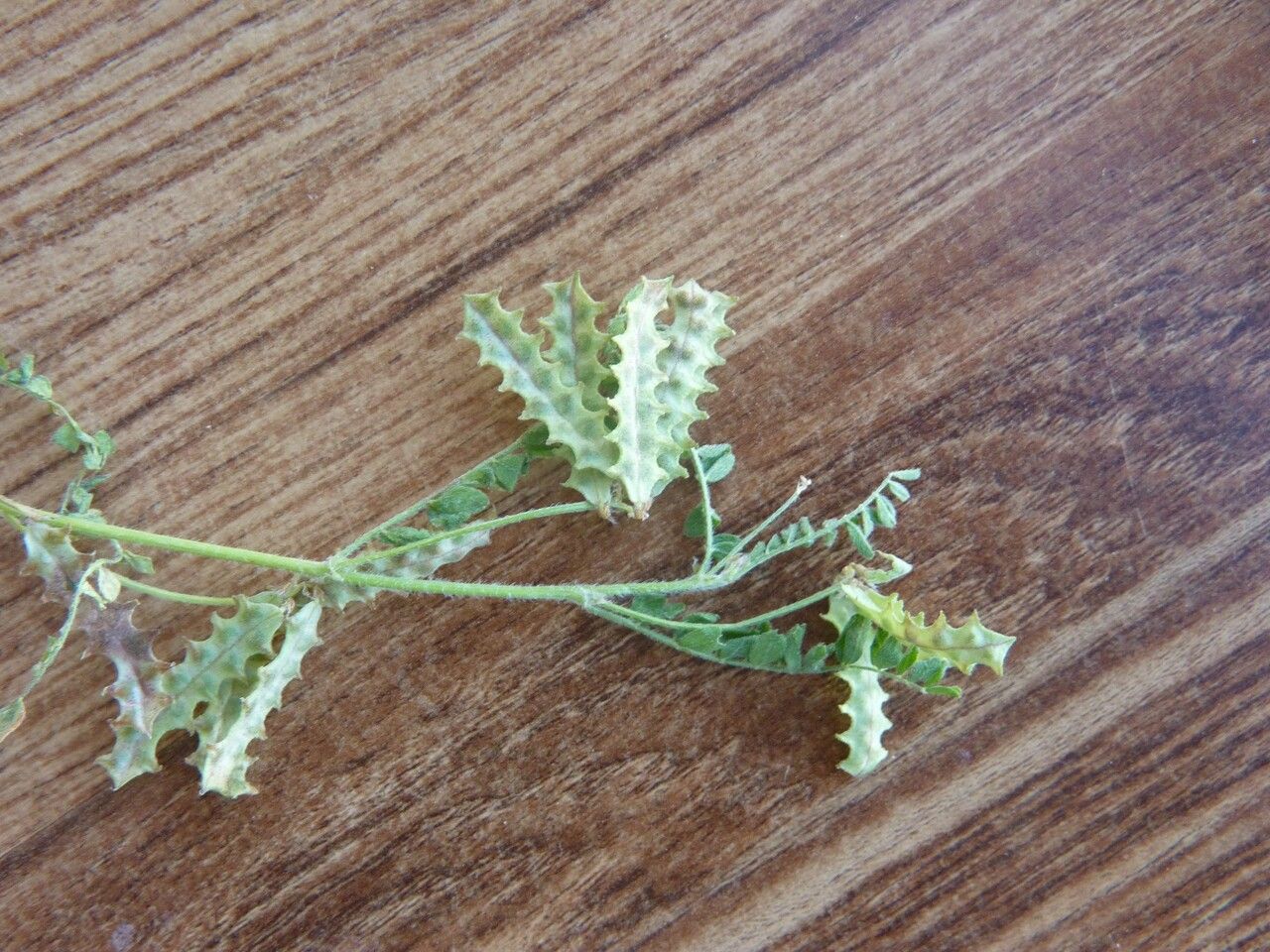
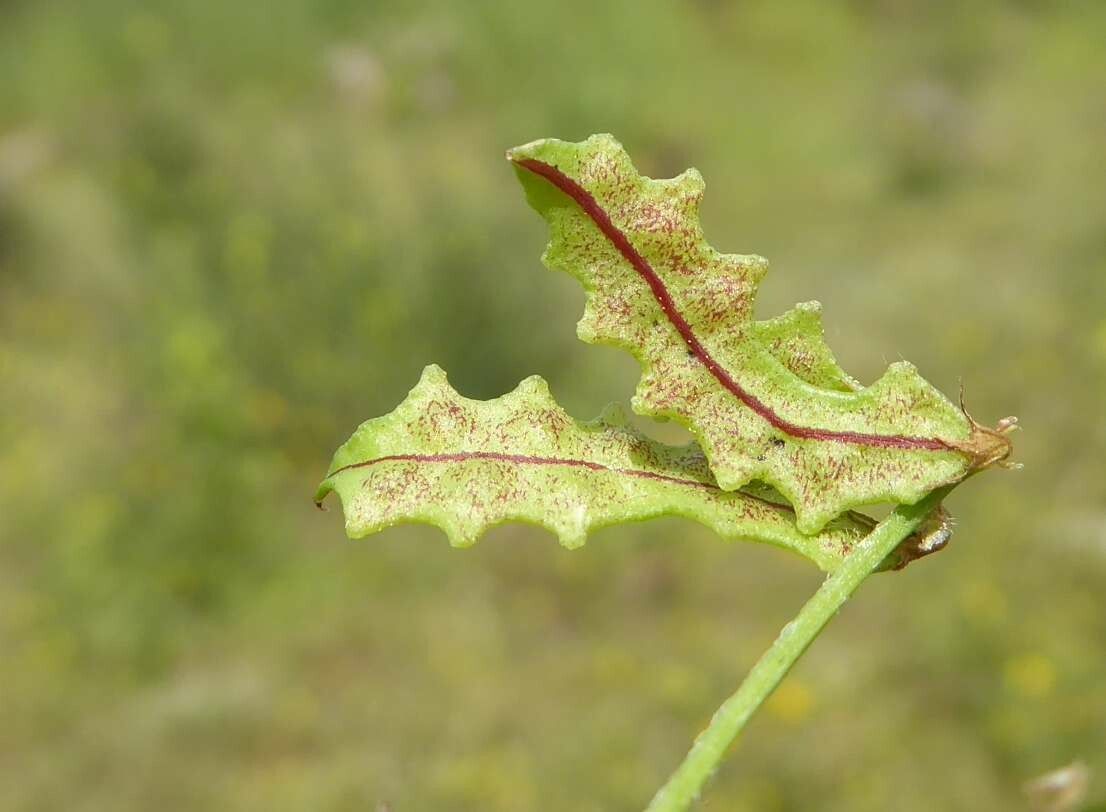
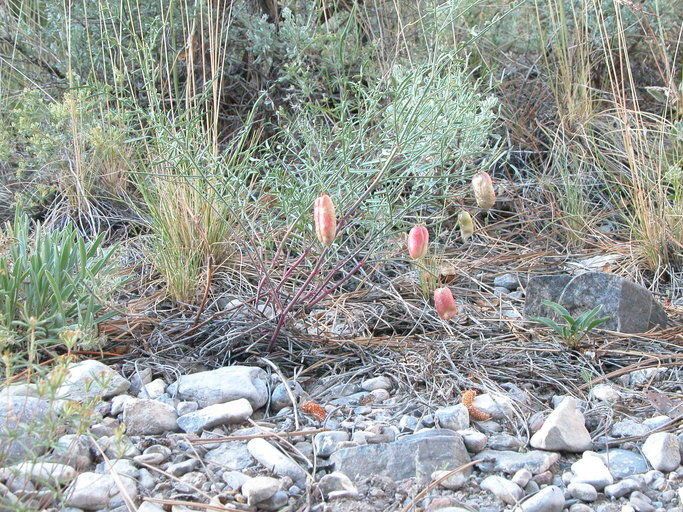
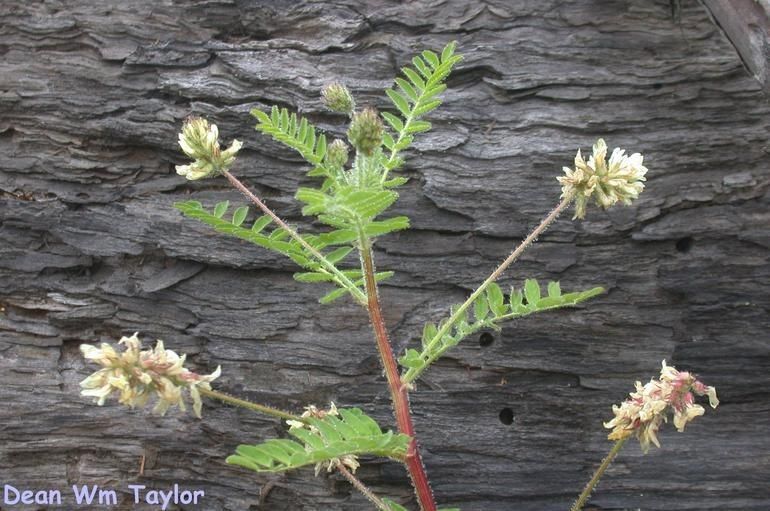
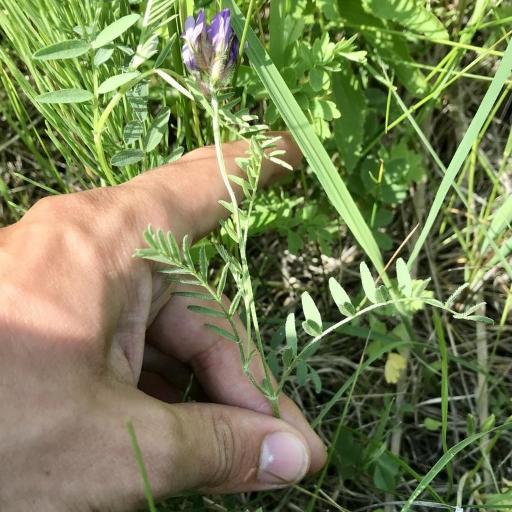
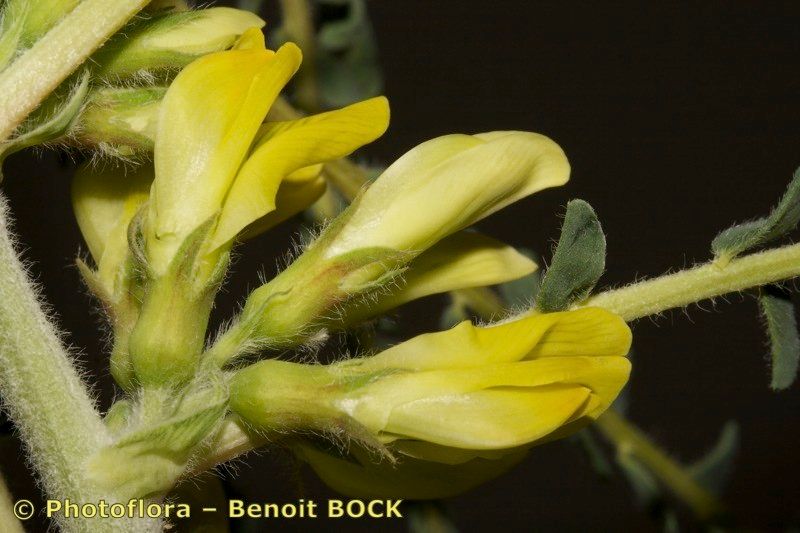
Biserrula has good resistance to disease and is generally not susceptible to illnesses. Nonetheless, it can be vulnerable to pests and diseases present in its surroundings, though these infections are usually mild. For care, this plant requires a moderate level of maintenance. It should be pruned regularly to preserve a good appearance and encourage healthy growth. Fertilizing can also help stimulate flowering. Biserrula is suitable for people with outdoor spaces such as a garden or patio and does not demand extensive plant-care experience. It may need more attention when kept indoors.
How to keep Astragalus Pelecinus.
Light
Biserrula comes from bright, open habitats and grows best in full sun. It will tolerate some shade but favors direct sunlight for optimal growth. This plant, which can be annual or biennial, is known for its sun-loving character.
Water
Biserrula flourishes in conditions that closely resemble the moisture levels of its native habitat. To maintain consistent soil moisture, it should be watered twice a week. While Biserrula exhibits moderate drought tolerance and adapts well to seasonal rainfall patterns, it requires less water during its dormant period in temperate zones.
Temperature
Biserrula can adapt to a broad range of temperature conditions, although its distribution may still be restricted by different combinations of water and heat. It grows best in warm summer climates with adequate rainfall or watering. Extended periods of cloudy, rainy weather, as well as prolonged high temperatures, can increase the likelihood of Biserrula dying. In winter, appropriate protection from cold can improve the plant’s survival.
Fertilizer
Biserrula responds well to regular, light applications of fertilizer to encourage healthy leaf growth. You should apply fertilizer about once a month during the summer months. Nitrogen is vital for the foliage, and providing nitrogen-rich sources helps Biserrula thrive.
Pruning
Biserrula flourishes when lightly pruned from early to late spring, after it has finished flowering. This practice helps improve airflow and encourages bushier growth. Regular pruning also lowers the risk of disease and promotes strong, vigorous plants. To ensure healthy regrowth and maintain sustainable productivity, use clean, sharp tools to make precise cuts.
Botanical profile.
- Plant Type
- Herb
- Life Cycle
- Annual
- Genus
- Astragalus
- Family
- Leguminosae
- Hardiness Zone
- 7-10
- Mature Height
- 20 cm to 61 cm
- Mature Spread
- 30 cm to 49 cm
- Leaf Color
- Green
- Leaf Type
- Deciduous
- Flower Color
- Lavender, Purple
- Flower Size
- 0.51 cm to 0.76 cm
- Bloom Time
- Mid spring, Late spring, Early summer
- Planting Time
- Spring, Summer
- Harvest Time
- Summer
Reader questions.
How much sunlight is considered full sun for Biserrula plants?
Biserrula plants, also known by their botanical name Astragalus pelecinus, require full sun to thrive, which is defined as receiving more than 6 hours of sunlight daily.
What does partial sun mean for Biserrula plants?
For Biserrula plants, partial sun refers to areas that receive about 3 to 6 hours of sunlight a day. It's important to observe the movement of sunlight through your garden to find locations that offer a suitable mix of light and shade.
Are there any tips for ensuring the happiness of my Biserrula plants in terms of sunlight?
To ensure the happiness of your Biserrula plants, it's crucial to watch how sunlight gracefully moves through your garden. Choose planting spots that provide the perfect balance of light and shade for your plants, following the guidance for full or partial sun, to support their health and growth.