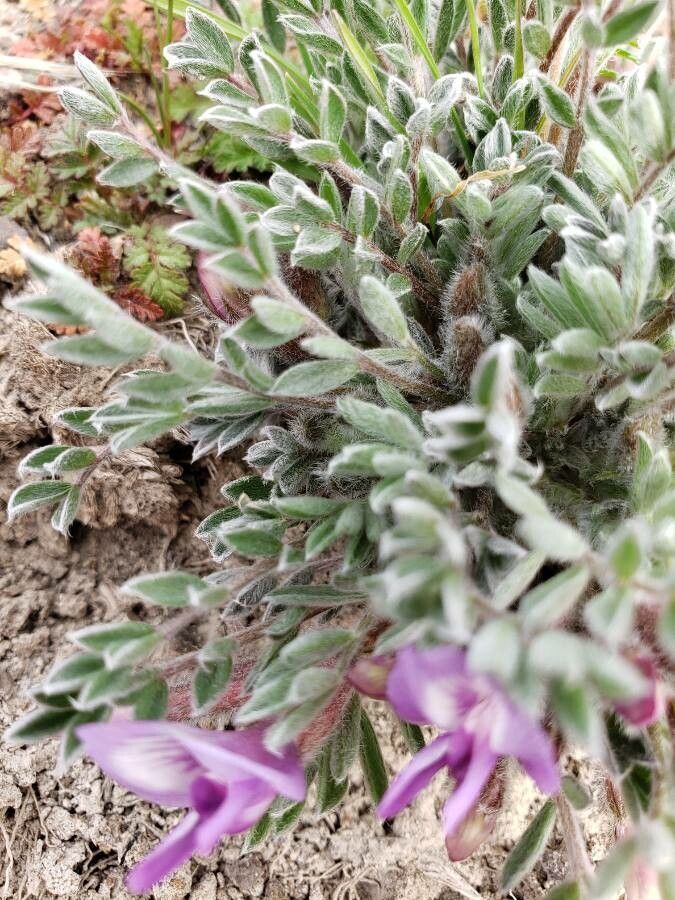
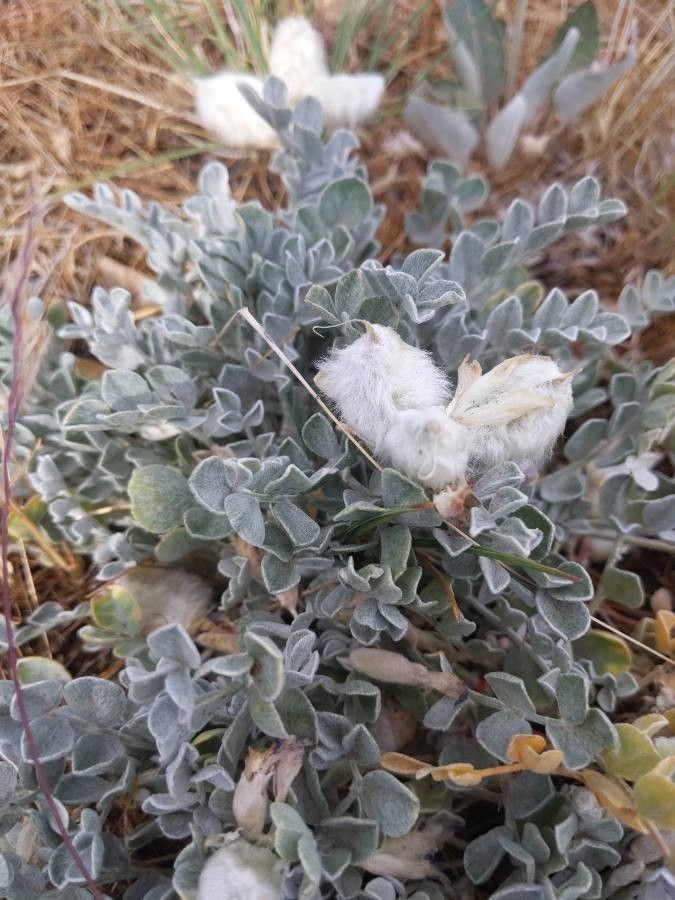
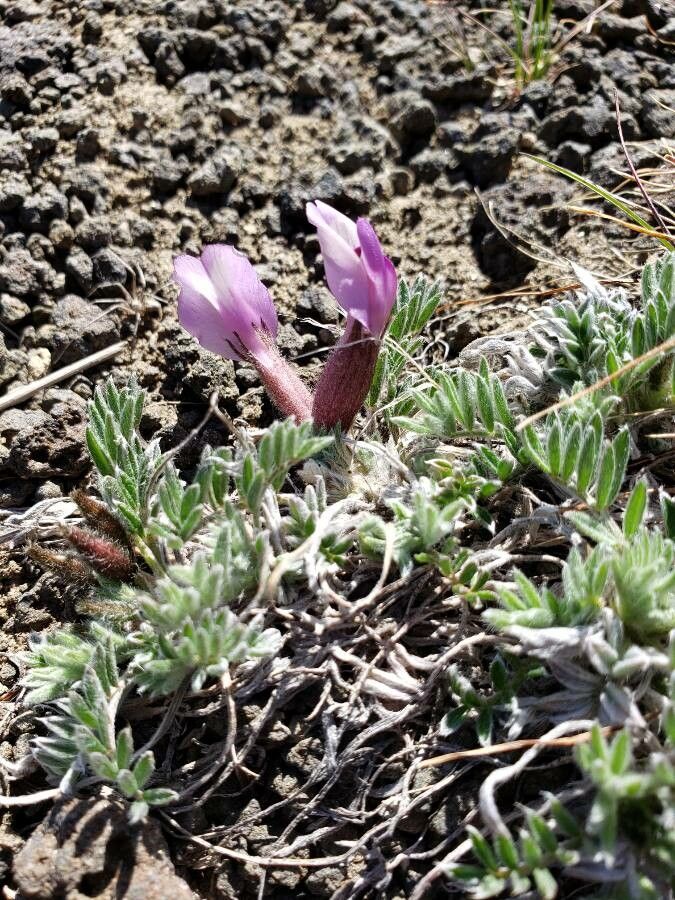
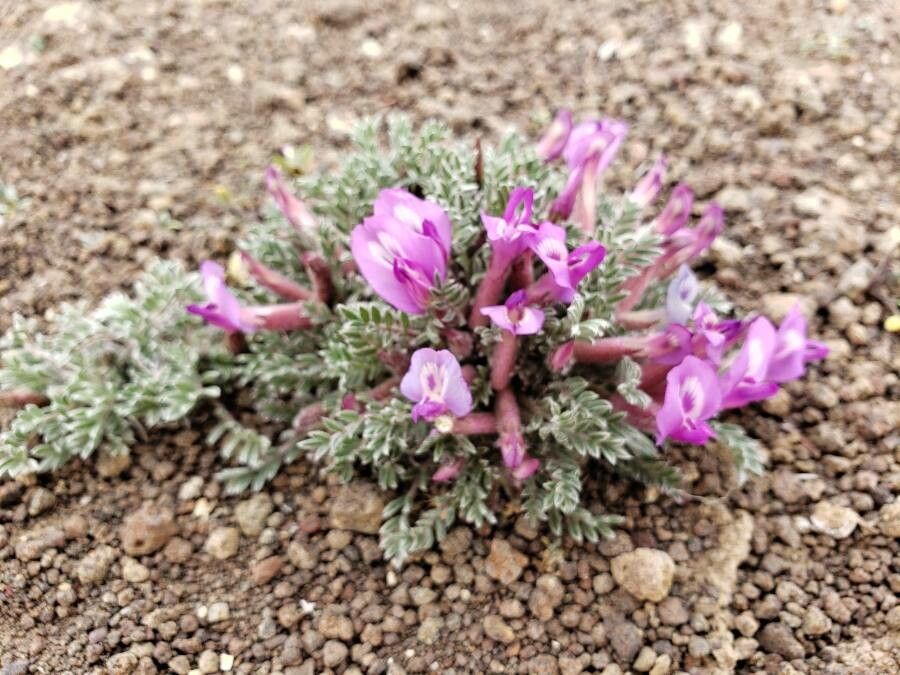
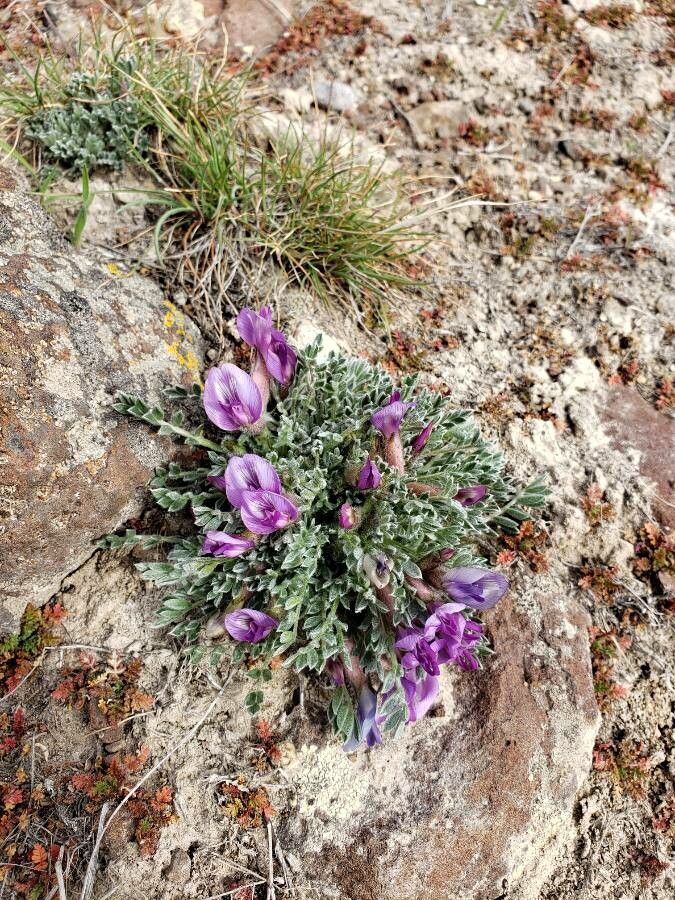
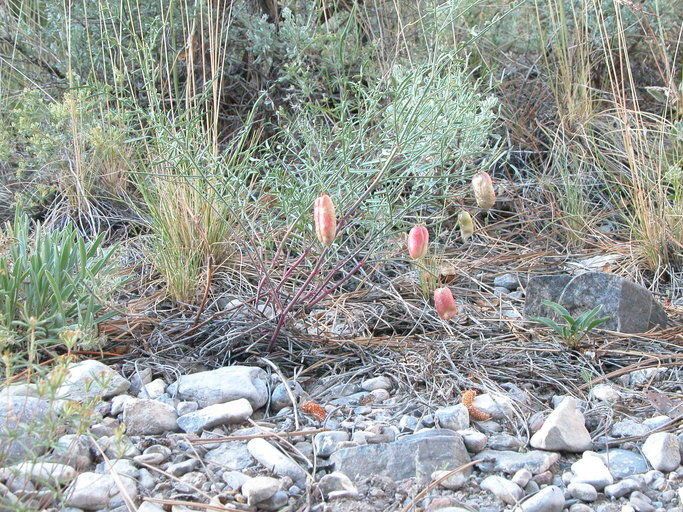
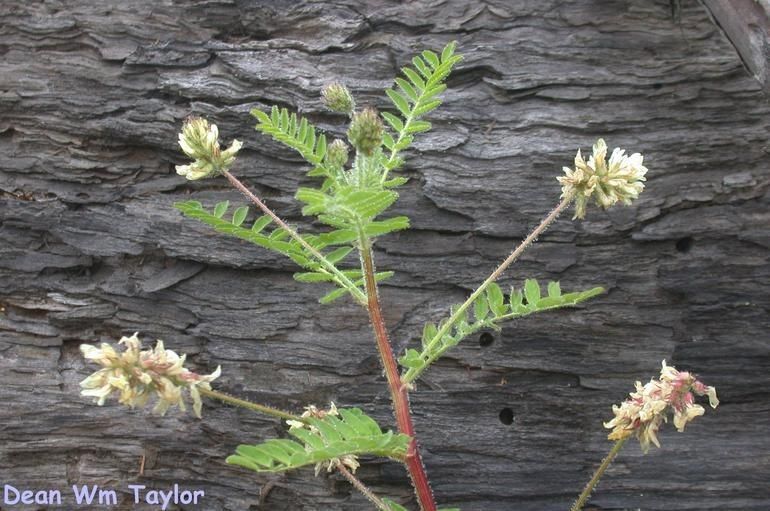
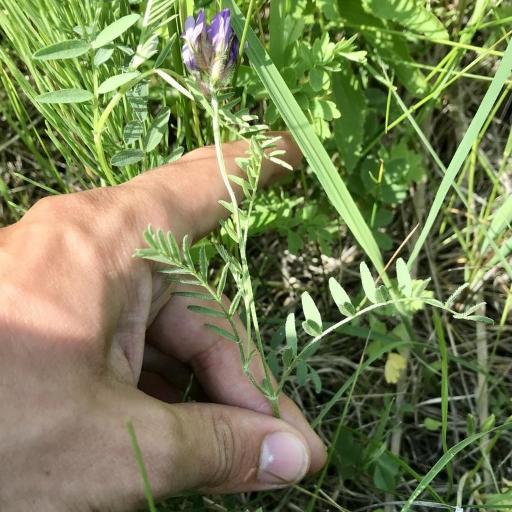
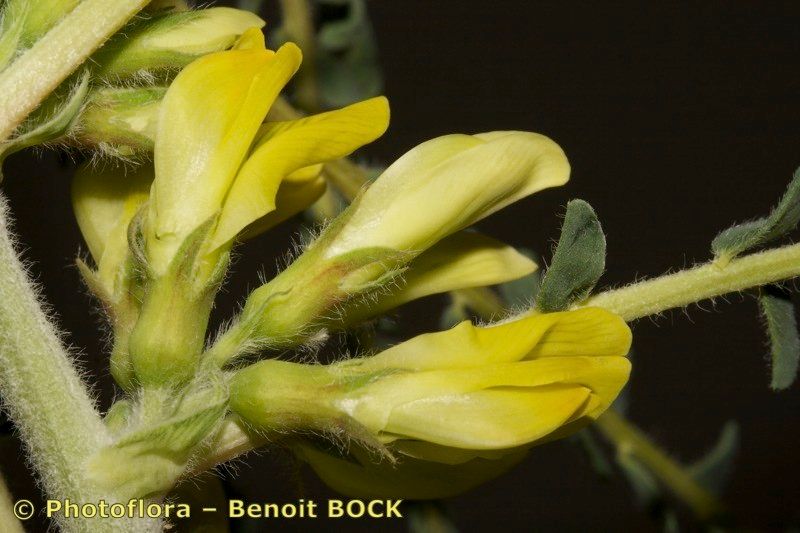
Astragalus purshii is a species of milkvetch known by the common names woollypod milkvetch and Pursh's milkvetch.
Woollypod milkvetch has strong resistance to disease and is generally not prone to illnesses. Still, it can be affected by pests and diseases present in its environment. Such infections are typically mild. Regarding care, this plant needs moderate maintenance. It benefits from regular pruning to keep an attractive appearance and healthy growth. Fertilizing can also encourage flowering. Woollypod milkvetch is appropriate for anyone with an outdoor area, like a garden or patio, and does not demand extensive care experience. It may need more attention when grown indoors.
How to keep Astragalus Purshii.
Light
Woollypod milkvetch does best in strong, unfiltered sunlight. Its native habitats are ecosystems exposed to continuous sun, which has made it capable of tolerating ongoing solar exposure. It needs this kind of light throughout every stage of growth. Both excessive and insufficient intense sunlight can impede its growth and vitality.
Water
The Woollypod milkvetch is well-suited to arid conditions, as it tolerates drought and requires minimal moisture. For healthy growth, it needs infrequent deep watering—about once a week—and should be planted in well-draining soil to prevent root rot, similar to its natural environment. Ensuring proper soil drainage is crucial for successful outdoor cultivation.
Temperature
Woollypod milkvetch is indigenous to temperate regions and prefers temperatures of 41 to 77 °F (5 to 25 ℃). During hotter months, consider relocating the plant to cooler spots, and in cold seasons, provide suitable insulation.
Fertilizer
The best time to fertilize a Woollypod milkvetch is in early spring, as it is coming out of dormancy and beginning active growth. Fertilizing supplies essential nutrients needed for healthy growth. Although Woollypod milkvetch has relatively low fertilizer requirements, applying fertilizer annually can improve its survival and promote better, longer-lasting flowers.
Pruning
To keep woollypod milkvetch healthy, perform light pruning from early to late spring. This helps remove dead stems and promotes growth. Avoid heavy pruning, as it can cause stress to the plant. Proper pruning also improves air circulation, which reduces the risk of disease. Be sure to use clean, sharp tools, and consider thinning the plant to enhance sunlight exposure and vitality.
Botanical profile.
- Plant Type
- Herb
- Life Cycle
- Perennial
- Genus
- Astragalus
- Family
- Fabaceae
- Hardiness Zone
- 4
- Mature Height
- 13 cm
- Mature Spread
- 30 cm
- Leaf Color
- Green Yellow, Olive Drab
- Leaf Type
- Deciduous
- Flower Color
- Pink, Purple
- Flower Size
- 2.54 cm
- Bloom Time
- Early spring, Mid spring
- Planting Time
- Spring, Autumn
- Harvest Time
- Late spring, Early summer
Other names.
Reader questions.
What are the sunlight requirements for Woollypod milkvetch?
Woollypod milkvetch requires full sun, characterized by more than 6 hours of sunlight daily, to thrive. It's vital to observe how sunlight moves through your garden, selecting locations that ensure a balance of light and shade suitable for the plant's growth and happiness. Originating from ecosystems exposed to intense sunlight, this plant is accustomed to enduring significant solar exposure throughout all its growth stages. Both insufficient and excessive intense sunlight can adversely impact its growth and vitality.
What is the ideal temperature range for Woollypod milkvetch?
Woollypod milkvetch, also known by its botanical name Astragalus purshii, thrives in temperate climates with temperatures ranging from 41 to 77 °F (5 to 25 °C). It's well-suited to environments that don't experience extreme heat, preferring cooler temperatures. During the hotter months, it's advisable to move the plant to cooler areas to protect it from excessive heat. Conversely, in cold seasons, despite the plant's high tolerance for cold, providing appropriate insulation can help maintain optimal growth conditions without the need for additional frost protection measures. It's also recommended to water the plant generously before the first freeze in autumn to ensure the soil remains moist through winter, helping prevent drought and water scarcity.
How can artificial lighting be used for Woollypod milkvetch indoors?
For Woollypod milkvetch that is grown indoors and lacks sufficient natural sunlight, especially in winter or less sunny spaces, artificial lighting emerges as a crucial solution for optimal growth. It's recommended to choose the right type of artificial light, such as LED lights, tailored to deliver the specific wavelengths needed by the plants. The amount of artificial light required varies: full sun plants need 30-50W/sq ft, partial sun plants require 20-30W/sq ft, and full shade plants need 10-20W/sq ft. Proper placement is also essential, with lights set 12-36 inches above the plant, and the lighting duration should mimic natural daylight hours, generally 8-12 hours per day.
How does Woollypod milkvetch react to low temperatures?
Woollypod milkvetch is extremely cold-tolerant and can withstand winter temperatures above -30°C. However, if temperatures drop below this threshold, you might not notice any immediate adverse effects during the winter. The real impact becomes apparent in spring, with a decrease in sprouting or potentially no sprouting at all. To mitigate this, it's advisable to remove any parts that have failed to sprout in spring as part of the plant's care regimen.
What are the symptoms of improper lighting for Woollypod milkvetch?
Woollypod milkvetch exhibits several symptoms when exposed to inadequate lighting. Some of these include smaller new leaves, leggy or sparse growth, accelerated leaf drop, halted or no new growth, and leaves developing paler colors or displaying irregular patterns due to insufficient chlorophyll and essential nutrients. Excessive sunlight can lead to chlorosis (leaves turning yellow due to chlorophyll breakdown), sunscald (damage manifested as necrotic spots on leaf or stem), leaf curling (a mechanism to reduce exposure to sunlight), wilting, and leaf scorching.
What should I do if Woollypod milkvetch is exposed to high temperatures?
Woollypod milkvetch does not tolerate high temperatures well. When the temperature exceeds 25°C, its growth may halt, and the plant becomes more prone to rot. To combat the effect of high temperatures, you should trim away any parts that are sunburned or dried up. Additionally, moving the plant to a location with shade during the midday and afternoon sun or using a shade cloth can protect it from excessive heat. Ensuring the soil stays moist through watering in the morning and evening can also help mitigate heat stress.
What solutions exist for dealing with Woollypod milkvetch's lighting issues?
To address Woollypod milkvetch's lighting issues, several strategies can be employed. Indoors, gradually move the plant to locations with more sunlight until it gets at least 6 hours of direct sunlight, using south-facing windows and keeping curtains open during the day. If the plant is large or hard to move, consider supplemental artificial light, keeping a lamp on for at least 8 hours daily. Outdoors, adapt the plant gradually to brighter spots, avoiding sudden exposure that could cause sunburn. For overcoming sunlight obstructions, pruning or transplanting during the plant's dormant period to sunnier locations with good drainage can be effective. Some symptoms of poor light might not reverse, but new growth will be healthy with better light conditions.