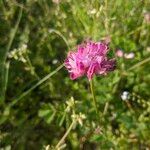
Astragalus sinicus
Chinese milk-vetch · Chinese milkvetch · Chinese clover
Description
Source: leafsnapAstragalus sinicus is a species of milkvetch in the family Fabaceae. It is known under such common names as Chinese milkvetch (or milk-vetch) and is in common use in farming as a green manure. It is not to be confused with Astragalus propinquus, the plant yielding Radix Astragali for Chinese medicine.
Care Guide
💧 Water
Chinese milk-vetch, which originates from regions with moderate moisture, thrives with regular weekly watering to maintain its health. As a cover crop, it helps improve soil quality and fix nitrogen, with its effectiveness being significantly influenced by soil moisture levels.
☀️ Light Full sun
The plant chinese milk-vetch does well under intense sunlight, taking in plenty of sunrays for optimal growth. Originating from environments that receive good light, chinese milk-vetch generally requires unfiltered sunlight. Extreme scarcity or excess of sunlight can proportionally hinder or stunt its healthy growth cycle.
What are the sunlight requirements for Chinese milk-vetch?
Chinese milk-vetch requires above 6 hours of full sunlight daily to flourish. It's crucial to observe how sunlight moves through your garden to ensure you're providing the right balance of light and shade. This plant thrives under intense solar exposure, absorbing ample sunrays for optimum growth, originating from environments with significant sunlight. Both extreme scarcity and abundance of sunlight can affect its growth cycle, so monitoring and adjusting the plant's exposure is key to its health.
How can artificial lighting benefit plant growth?
When natural sunlight is insufficient, especially during winter or in less sunny spaces, artificial lighting can be a vital solution for indoor plants, promoting faster, healthier growth. LED lights are popular for indoor plant lighting because they can provide specific wavelengths needed by plants. Full sun plants need 30-50W/sq ft, partial sun plants require 20-30W/sq ft, and full shade plants need 10-20W/sq ft of artificial light. The light source should be placed 12-36 inches above the plant, mimicking natural sunlight, and most plants need 8-12 hours of light per day to mimic natural daylight hours.
What are the symptoms of inadequate light for Chinese milk-vetch?
Chinese milk-vetch may show several symptoms when exposed to inadequate light, including smaller new leaves, leggy or sparse growth, faster leaf drop, slower or no new growth, lighter-colored new leaves, chlorosis (leaves turning yellow), sunscald, leaf curling, wilting, and leaf scorching. These symptoms indicate the plant is not receiving enough light or is exposed to too much direct sunlight, affecting its ability to photosynthesize and maintain healthy growth.
What solutions can help improve sunlight conditions for Chinese milk-vetch?
To optimize sunlight conditions for Chinese milk-vetch, you can gradually move the plant to sunnier locations each week until it receives at least 6 hours of direct sunlight daily. Indoors, consider using a south-facing window or artificial light sources if the plant is large or not easily movable. Outdoors, ensure gradual adaptation to prevent sunburn. Reducing obstructions like pruning trees can increase sunlight exposure. For smaller plants, transplanting during their dormant period to locations with better sunlight and drainage can help. Note that while affected parts may not recover, new growth will be healthy after adjusting light exposure.
🌡️ Temperature 5–37.8°C
Chinese milk-vetch naturally occurs in regions where temperatures range from 68 to 100 °F (20 to 38 °C), indicating its preferred temperature range. Seasonal adjustments that replicate its native conditions improve growth. Winters should be cooler but should avoid freezing conditions.
What is the preferred temperature range for Chinese milk-vetch?
Chinese milk-vetch thrives in temperatures ranging from 68 to 100 °F (20 to 38 °C). To promote optimal growth, conditions should mimic these natural temperature preferences. Seasonal adjustments are advisable, with cooler winter temperatures but care to avoid freezing. Although Chinese milk-vetch possesses strong cold resistance, no special frost protection measures are typically necessary. Yet, in extremely cold conditions where temperatures are expected to fall below -25°C, protective measures such as covering the plant with soil or straw are recommended. Prior to the first autumn freeze, it's advisable to water the plant thoroughly, ensuring the soil is moist before it freezes, to mitigate drought stress during winter and early spring.
How does Chinese milk-vetch respond to low temperatures?
Chinese milk-vetch is cold-tolerant and performs best when temperatures stay above 20°C. During the winter months, it's crucial to maintain temperatures above 0°C to ensure the plant's survival. If temperatures drop below -25°C, the plant may not exhibit immediate damage, but there can be a significant decrease in sprouting or even a failure to sprout come spring. In such cases, removing any parts of the plant that fail to sprout in spring is recommended as a solution to encourage new growth.
What should be done if Chinese milk-vetch experiences high temperatures?
In the summer, it's essential to keep Chinese milk-vetch's exposure to temperatures below 38°C. When temperatures soar above 43°C, the plant's leaves may lighten in color, become prone to curling, suffer from sunburn, and, in extreme cases, the entire plant might wilt and dry out. To combat these issues, any sunburned or dried parts of the plant should be trimmed away. Moving the plant to a shaded area during the midday and afternoon sun or using a shade cloth can offer protection. Additionally, watering the plant in the morning and evening helps maintain soil moisture and supports the plant's health during high temperature periods.
💨 Humidity
🪴 Soil 6-7
🌱 Fertilizer
Chinese milk-vetch requires regular fertilization to encourage flowering but dislikes excessive amounts. It should receive small, frequent doses of fertilizer throughout its life, especially during its peak growth phase and while it is flowering. You should continue feeding your Chinese milk-vetch until it stops blooming.
🪴 Pot & Repot
✂️ Pruning
Chinese milk-vetch is a leguminous plant valued for its vibrant flowers and its ability to fix nitrogen. To promote healthy growth, prune it in early to late spring. Begin by removing dead stems and thinning out branches to improve air circulation. Using clean, sharp tools is crucial, as they ensure effective pruning and enhance both the appearance and overall health of the plant.
🌿 Propagating
🐛 Diseases & pets
☠️ Toxicity
Characteristics
- Plant Type
- Herb
- Life Cycle
- Biennial, Annual, Perennial
- Genus
- Astragalus
- Family
- Fabaceae
- Hardiness Zone
- 5-11
- Mature Height
- 10 cm to 30 cm
- Mature Spread
- 20 cm to 30 cm
- Leaf Color
- Green, Dark Green
- Leaf Type
- Semi-evergreen
- Flower Color
- Purple, Lavender
- Flower Size
- 1.02 cm to 1.52 cm
- Bloom Time
- Mid spring, Late spring
- Planting Time
- Winter, Spring, Summer
- Harvest Time
- Early summer, Mid summer
- Native Area
- Vietnam, China