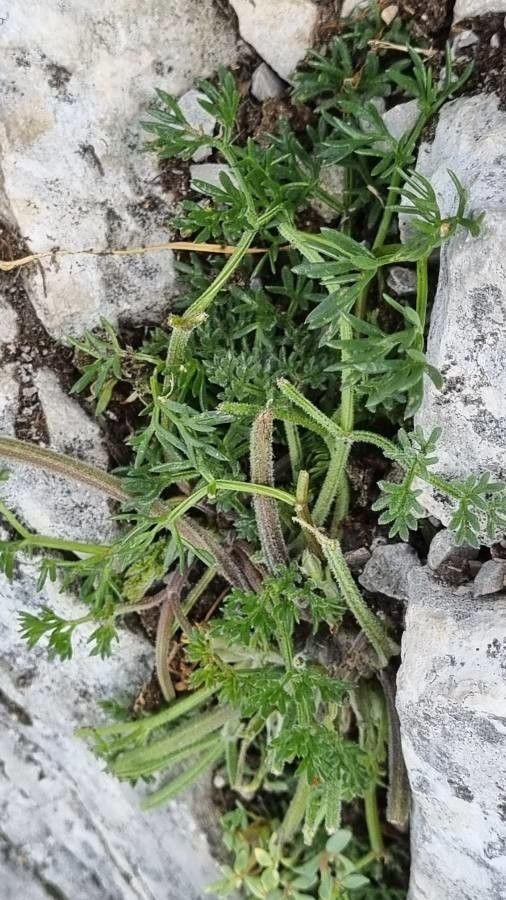
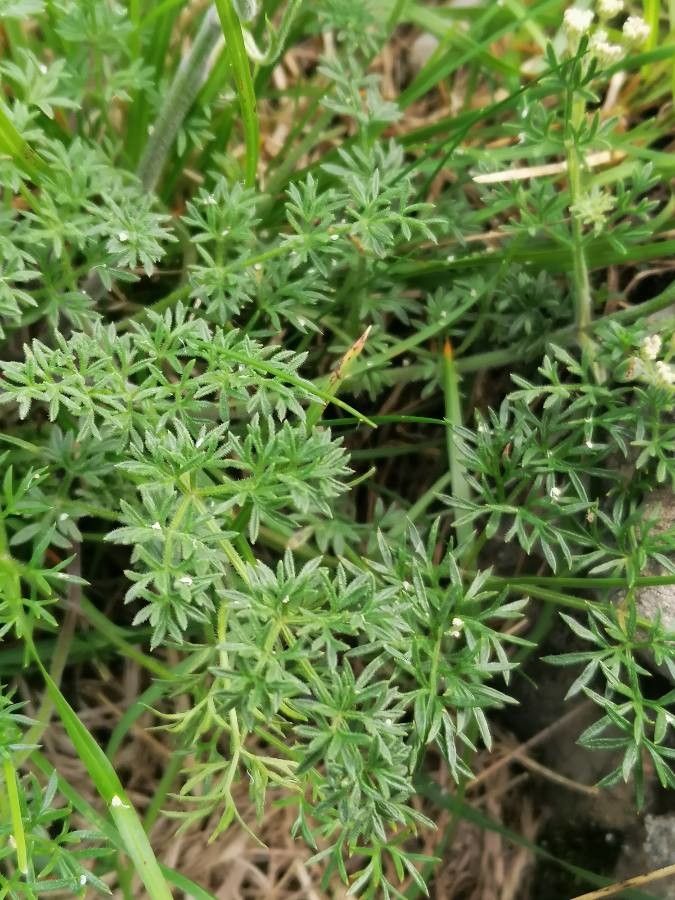
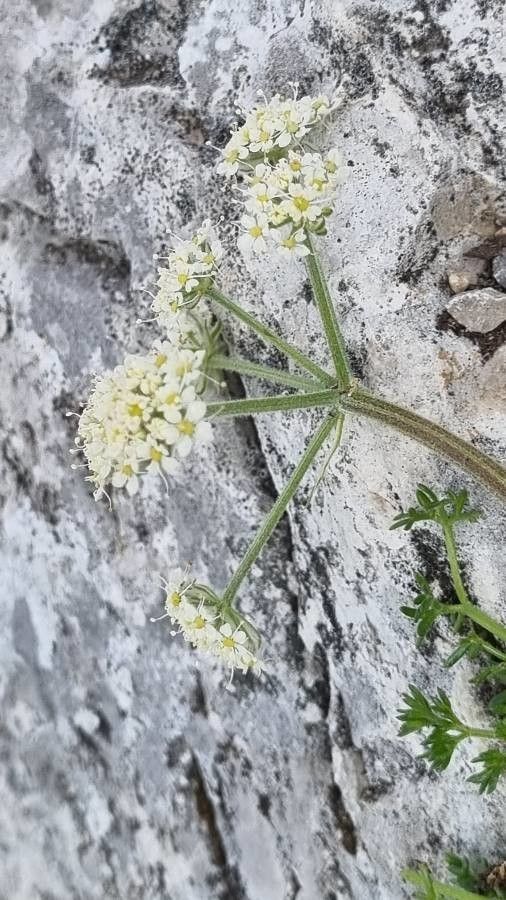
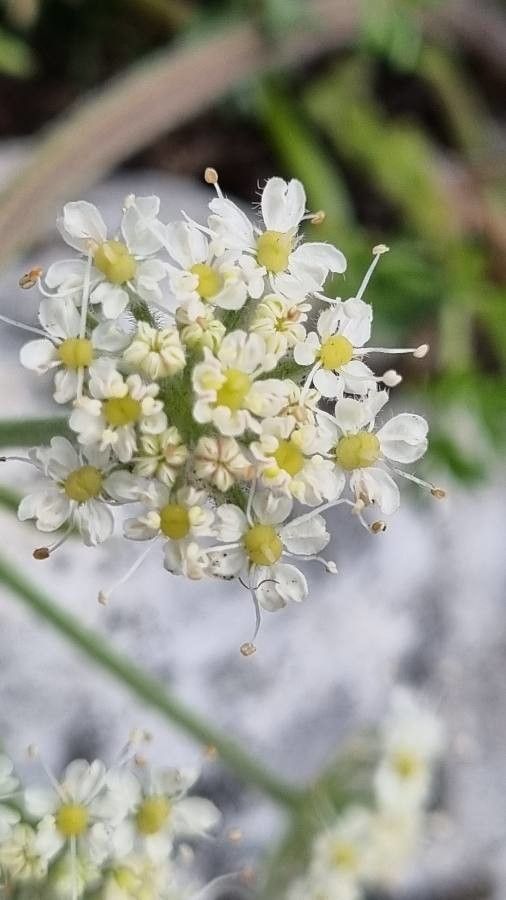
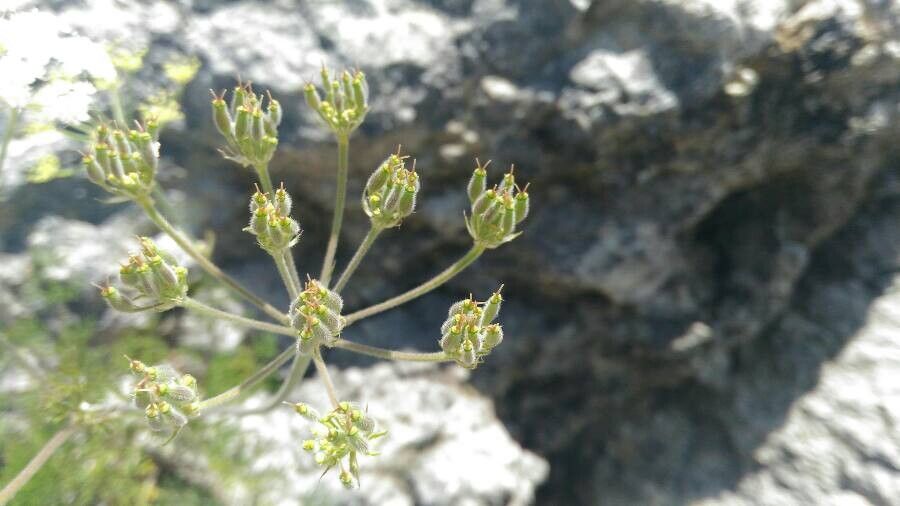
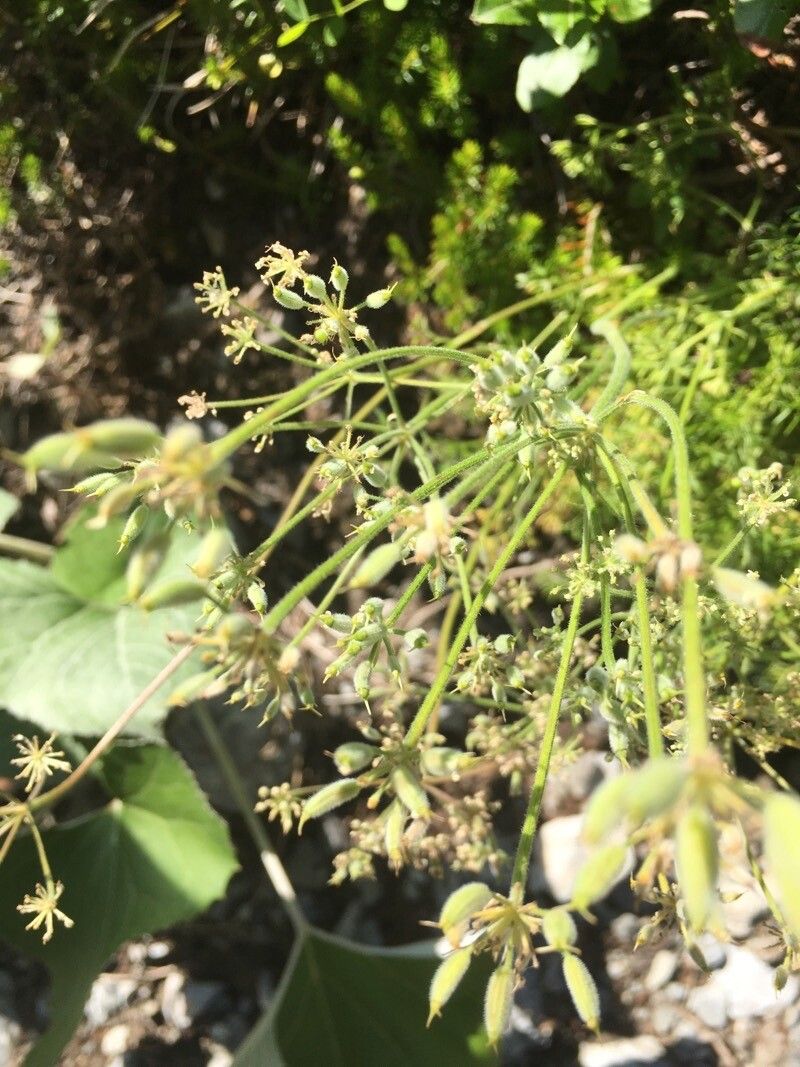
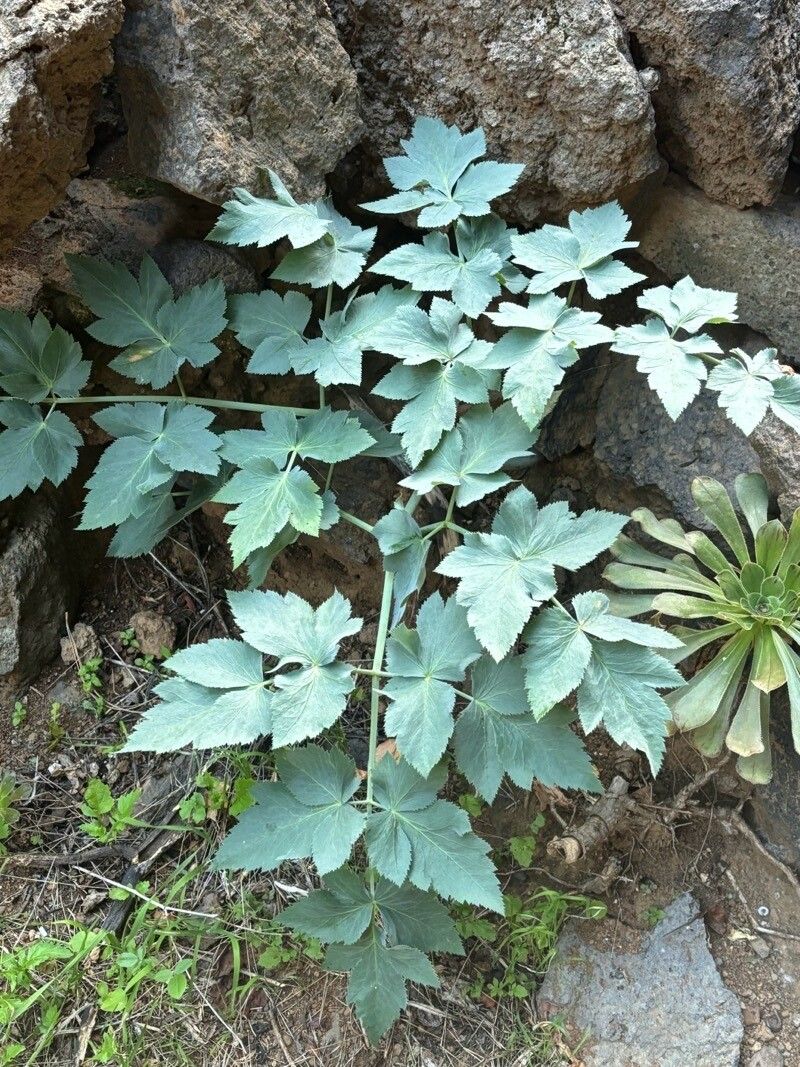
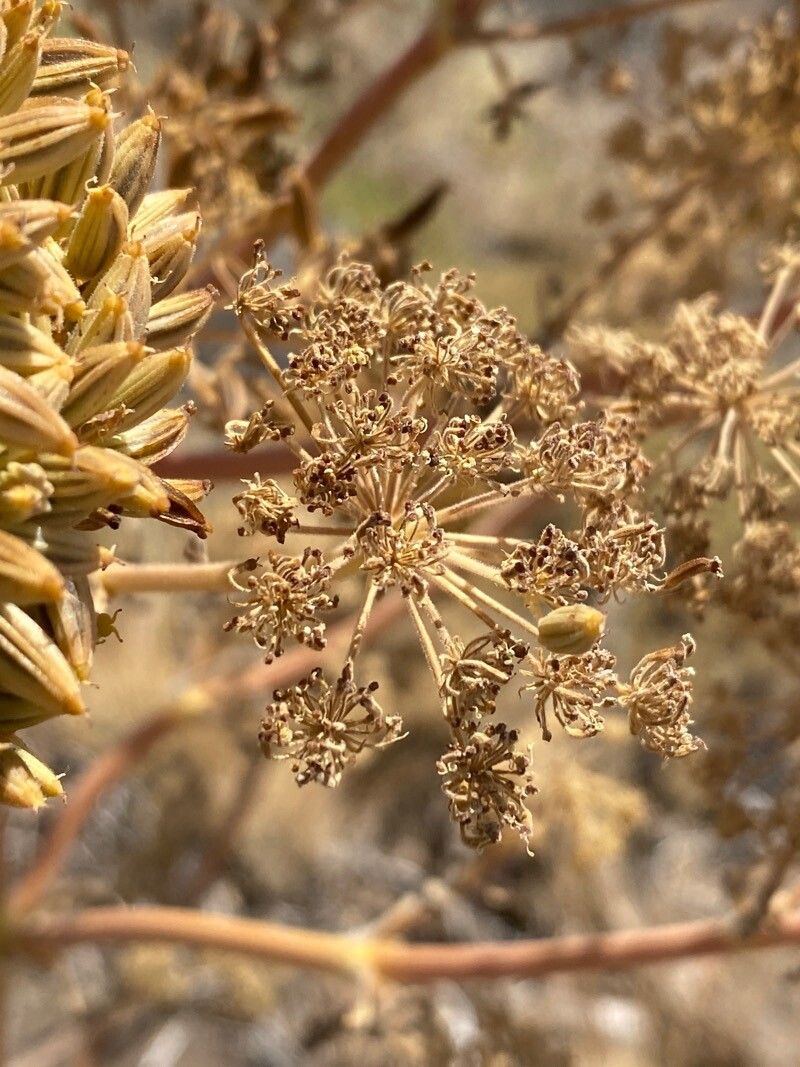
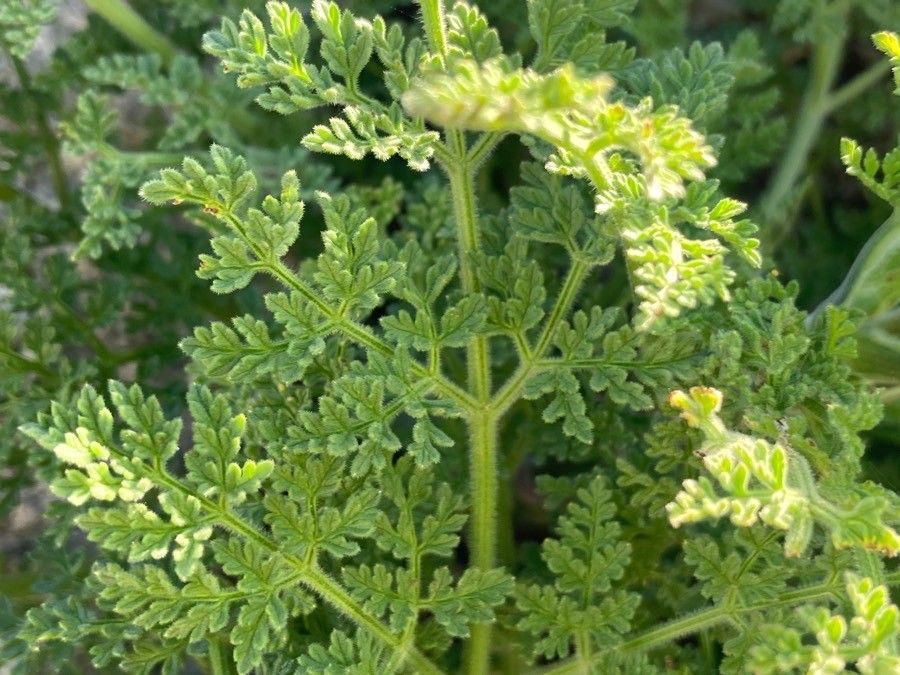
Candy carrot has strong resistance to disease and is generally unlikely to become ill. Still, it can be vulnerable to pests and illnesses present in its environment. When infections do occur, they are typically mild. Regarding maintenance, this plant needs a moderate level of care. It should be trimmed on a regular basis to preserve an attractive appearance and support healthy growth. Applying fertilizer can also encourage blooming. Candy carrot is appropriate for anyone who has outdoor space, like a garden or patio, and does not demand extensive horticultural experience. If cultivated indoors, it may need additional attention.
How to keep Athamanta Cretensis.
Light
Candy carrot is a sun-loving, perennial herbaceous plant that comes from open habitats and is commonly found in meadows and grasslands. It prefers full sun but can also tolerate partial sun.
Water
The candy carrot, originally from the rocky landscapes of Crete, is well-suited to dry conditions and grows best in well-drained soil. While it is adapted to minimal watering, it benefits from weekly irrigation, especially during its active growth period. Consistent moisture during this phase supports robust development, allowing it to thrive with the moderate water typical of its natural environment.
Fertilizer
The ideal time to fertilize a Candy carrot is early spring, when it is coming out of dormancy and beginning active growth. Fertilizing supplies essential nutrients needed for healthy development. Although Candy carrot has relatively low fertilization requirements, applying fertilizer annually can improve its survival and promote better, longer-lasting flowers.
Pruning
Candy carrot plants have delicate foliage and edible qualities that benefit from careful pruning. To maintain their health, begin by removing any dead stems and thinning out excess growth to improve air circulation. It's best to prune in early to late spring to encourage healthy development. However, be cautious not to over-prune, as this can stress the plant.
Botanical profile.
- Plant Type
- Herb
- Life Cycle
- Perennial
- Genus
- Athamanta
- Family
- Apiaceae
- Hardiness Zone
- 5-9
- Mature Height
- 30 cm to 61 cm
- Mature Spread
- 20 cm to 30 cm
- Leaf Color
- Dark Green
- Leaf Type
- Deciduous
- Flower Color
- White
- Flower Size
- 0.25 cm to 0.51 cm
- Bloom Time
- Late spring, Early summer
- Planting Time
- Spring, Summer
- Harvest Time
- Mid summer, Late summer
- Native Area
- Germany, Austria, Italy, Spain, Switzerland, Albania, Croatia, Slovenia, France
Other names.
Reader questions.
How should I water my Candy carrot?
To properly water the Candy carrot, it is important to consider a few key factors. Firstly, you should use filtered water at room temperature or slightly warmer. This is because tap water may contain harmful particles that could affect the plant's health. Additionally, the Candy carrot prefers a warm environment, so using cold water can be a shock to its system. Secondly, it is advisable to avoid overhead watering as it can lead to complications with the foliage. Instead, focus on applying the filtered room temperature water directly to the soil until it is completely soaked. This method will benefit the plant by ensuring that the roots are adequately moistened and can continue to spread through the soil to gather the necessary nutrients.
Why do I have to put fertilizer on my Candy carrot?
Fertilization is important for the leaves of the Candy carrot as well as its overall structure. By fertilizing properly, you can ensure that the leaves maintain a consistent color and healthy texture. Fertilization also benefits the root system by promoting the growth of new roots and maintaining existing ones. This not only helps the plant stay healthy currently but also enhances its ability to absorb soil nutrients in the future.
What do I do if I give my Candy carrot too much or too little water?
Overwatering is a common issue that can harm your Candy carrot plant. It causes wilting and yellowing of the stems and leaves. If overwatered for a long time, it can lead to diseases like root rot, mold, and mildew, which can be fatal for your plant. Underwatering, although less common, can also affect your Candy carrot. It makes the leaves brittle and brown. It's important to notice signs of overwatering early on, as some diseases may not be fixable if left untreated. If you see these signs, reduce watering immediately and check the soil's drainage. Replace poorly draining soil with a loose, well-draining potting mix. On the other hand, if your Candy carrot shows signs of underwatering, water more regularly until the signs disappear.
When should I fertilize my Candy carrot?
If you grow your Candy carrot outdoors, it will start growing again in early spring. This is when you should start fertilizing it for the year. Usually, one round of fertilizer is enough for the spring, but if you want your Candy carrot to grow as much as possible, you can fertilize it multiple times throughout the spring and early summer. If you choose this option, you can feed your Candy carrot every month to a month and a half.
How regularly should I water my Candy carrot?
If you are growing your Candy carrot plant in a pot, the best way to know if it needs water is to stick your finger into the soil. If the top two to three inches of soil are dry, it's time to water it. For Candy carrots grown outdoors in the ground, you can use the same method. When the top few inches of soil have dried out, it's time to water. In spring and early fall, you'll likely need to water the plant once a week using this method. However, during extremely hot weather, you may need to water it twice a week or more. It's important to note that mature Candy carrots are quite resilient to drought.
When is the best time to not fertilize my Candy carrot?
During the late fall and winter, your Candy carrot will go into a dormant phase and stop producing new growth. It's best not to fertilize your Candy carrot during this time. In the spring and summer, if you choose to fertilize, start decreasing the amount as summer approaches because the growth rate of your Candy carrot will also slow down. In general, it's not a good idea to fertilize your Candy carrot when the weather is unusually hot or when the soil is very dry. Fertilizing in these conditions can stress your Candy carrot and lead to premature death.
How much water does my Candy carrot require?
When watering your Candy carrot, don't shy away from giving it a good amount of water. Make sure the top two to three inches of soil are dry before watering. Provide enough water to fully saturate the soil, allowing excess water to drain out of the pot's drainage holes. If you don't see water draining, you may have not given enough water. However, be careful not to let water accumulate in the soil, as this can harm the plant. Additionally, if water isn't draining properly, it could be a sign of poorly draining soil, which is bad for the plant's health. If the plant is outdoors, 1 inch of rain per week should be enough.
What kind of fertilizer does my Candy carrot need?
Choosing the best fertilizer for a Candy carrot is actually quite simple. These plants thrive on a general-purpose garden fertilizer that has equal amounts of nitrogen, phosphorus, and potassium, also known as a 10-10-10 ratio or something similar. Avoid fertilizers with high nitrogen content if unsure. Granular fertilizers, especially slow-release ones, are most effective for Candy carrots. Additionally, feeding them with organic soil amendments like compost can be beneficial.
How do I water my Candy carrot plant as it grows?
The water needs of the Candy carrot can vary throughout its growth stages. In the early years and after transplanting, it requires more water to support root development and future growth. These roots perform best with slightly higher moisture levels. However, as the Candy carrot matures, it will need less water. Additionally, during the bloom period, when flowers are developing, extra moisture may be necessary.
How do I give my Candy carrot plant food?
To easily follow these steps for fertilizing your Candy carrot, wait until the first leaves poke through the soil's surface in early spring. Then, apply a granular slow-release fertilizer with a balanced formula to the soil around the base of the plant. You can repeat this process later in the season if desired. When reapplying fertilizer, remember to apply it to the soil at the base of the plant, rather than directly on the plant itself. Sometimes, you may need to move some leaves aside to access the soil above the roots. Additionally, it's a good idea to water your Candy carrot before and after fertilizing.
What is the best way to water my Candy carrot throughout the year?
The Candy carrot plant has different water needs depending on the season. In the hottest months of the year, it requires the most water. During summer, you may need to water it more than once per week, depending on how quickly the soil dries out. On the other hand, during winter, the plant goes into a dormant phase and requires much less water. In fact, you may not need to water it at all during winter. However, if you choose to water it, do so no more than once per month. Overwatering during this time increases the risk of disease for the Candy carrot plant.
What will happen if I put too much fertilizer on my Candy carrot?
To prevent overfertilization of Candy carrots, it is important to use caution when applying fertilizer. High volumes of fertilizer are not necessary each year, as this can lead to overfertilization. If the Candy carrot is overfertilized, the first sign will likely be browning leaves. This is especially common when using a fertilizer with high nitrogen content. The leaves of the Candy carrot may become discolored, lose moisture, and start curling at the edges. To avoid these issues, many gardeners choose to fertilize their Candy carrots only once a year, in the early spring.