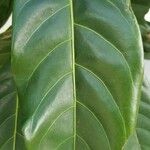
Atractocarpus fitzalanii
Native Gardenia · Randia · Yellow Mangosteen
Description
Source: leafsnapAtractocarpus fitzalanii, the brown gardenia or yellow mangosteen, is a species of flowering plant in the family Rubiaceae found in tropical Queensland in Australia. The beautifully scented flowers and lush growth has seen this plant enter cultivation in subtropical gardens in Eastern Australia.
Care Guide
💧 Water
The brown gardenia, native to the understoreys of tropical rainforests, thrives in environments that are consistently moist. To keep it healthy, it needs to be watered weekly and prefers peat-based soil, which helps retain moisture while providing good drainage. Although it is primarily grown indoors, the brown gardenia benefits from stable conditions that support its lush foliage and growth.
☀️ Light Partial sun
Brown gardenia naturally occurs in habitats like forest understories and rocky areas, where it receives natural shade. It prefers partial sun but can adapt to both full sun and full shade, demonstrating its versatility and hardiness.
🌡️ Temperature 20–37.8°C
Brown gardenia comes from tropical areas where the climate is typically warm and humid. Therefore it is well suited to high temperatures and humidity. It does not tolerate sudden temperature changes and prefers a steady temperature, so avoid fluctuations indoors. It usually cannot endure cold and needs warmer conditions to grow. If the temperature falls too low, the plant may stop growing or may die.
💨 Humidity
🪴 Soil 6-7
🌱 Fertilizer
The best time to fertilize a Brown gardenia is in early spring, when it breaks dormancy. This encourages overall growth and the development of flowers. Fertilization improves the foliage, stems, and branches and encourages flowers that are larger, more vivid, and longer-lasting. It helps move nutrients from the roots to the blooms and strengthens the plant's health and resistance to disease.
🪴 Pot & Repot
✂️ Pruning
The brown gardenia is a tropical shrub known for its glossy leaves and fragrant flowers. To keep it healthy and well-shaped, prune it from early to late winter. This helps to shape the plant, remove dead branches, and control overgrowth. Additionally, regularly remove spent flowers to encourage more blooms, improve air circulation, and maintain the overall health of the plant.
🌿 Propagating
🐛 Diseases & pets
☠️ Toxicity
Characteristics
- Plant Type
- Tree
- Life Cycle
- Perennial
- Genus
- Atractocarpus
- Family
- Rubiaceae
- Hardiness Zone
- 9-11
- Mature Height
- 4.88 m to 10.06 m
- Mature Spread
- 3.05 m to 4.88 m
- Leaf Color
- Dark Green
- Leaf Type
- Evergreen
- Flower Color
- White
- Flower Size
- 3.05 cm to 4.06 cm
- Bloom Time
- All year round
- Planting Time
- Spring, Summer, Autumn
- Harvest Time
- All year round