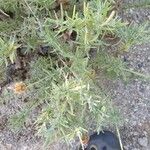
Atriplex canescens
Four-wing saltbush · Shadscale · Fourwing saltbush · Chamise
Description
Source: leafsnapAtriplex canescens, commonly known as four-wing saltbush, is a shrub in the Amaranthaceae family. Native to North America, it thrives in the arid and semi-arid regions of the western United States. Its grayish-green appearance comes from small, scale-like leaves covered in fine hairs. Four-wing saltbush is crucial for wildlife, offering food and shelter to animals such as deer, rabbits, birds, and insects. The plant also has medicinal properties; Native Americans have used its leaves to treat ailments like diarrhea and sore throats. Adapted to harsh environments with low rainfall, the plant features a deep root system that accesses water from underground sources. It tolerates high soil salinity levels, making it ideal for land reclamation projects. Overall, Atriplex canescens plays a vital role in maintaining ecological balance in arid regions. It provides essential resources for wildlife while contributing to soil conservation efforts by growing on degraded, saline lands.
🌳 Chamiso has established a role beyond its traditional uses, showing significant potential in ecological restoration and rangeland reseeding projects. Its resilience and ability to tolerate harsh environments make it valuable for rehabilitating degraded lands, thereby supporting environmental conservation efforts. This application broadens chamiso's value well beyond typical foraging and ornamental uses.
Care Guide
💧 Water Every 7 days
Chamiso thrives in arid environments and requires very little moisture to survive. It is well-adapted to sporadic rainfall and conserves water efficiently. For optimal growth, water it every 1-2 weeks. Chamiso does well both in outdoor landscapes and in containers, where you can mimic its natural dry conditions with careful watering.
How should I water my Chamiso plant to keep it healthy?
Your Chamiso plant is not too selective when it comes to watering methods. You can use various tools like watering cans, hoses, or even cups to water it. It is important to water the plant by applying the water directly to the soil, making sure that all areas of the soil are evenly moistened to provide sufficient water to the root system. It is recommended to use filtered water instead of tap water, as tap water may contain harmful particles. Moreover, using water that is at or slightly above room temperature is beneficial as extremely hot or cold water can be a bit of a shock to the Chamiso. However, the Chamiso typically responds well to any type of water.
What do I do if I give my Chamiso plant too much or too little water?
Watering outdoor plants, especially new plants or seedlings, is crucial as they can easily become dehydrated. It's important to maintain regular watering for the first few months when the tree is small or recently planted. Once the roots are established, the Chamiso plant can mostly rely on rainwater. When your Chamiso plant is in a pot, be cautious of overwatering. If you accidentally water the plant too much, take immediate action to rectify the situation. Stop watering the plant right away to minimize the effects of overwatering. Then, carefully remove the Chamiso from its pot and check its roots. If there are no signs of root rot, you can return the plant to its container. However, if you notice any roots affected by rot, trim them off and consider applying a fungicide to prevent further damage. Repot the Chamiso in well-draining soil. In the case of underwatering, simply water the Chamiso plant more frequently. Underwatering is typically easily resolved. If you notice drooping, dried-out leaves that fall off, make sure to adjust your watering frequency to provide sufficient hydration.
How frequently do I need to water my Chamiso plant?
Here are some suggestions on how to care for your outdoor plants, specifically the Chamiso plant: 1. Most outdoor plants can thrive with natural rainfall. However, if your area lacks rainfall, it is important to provide adequate watering. 2. During the spring and fall, water your plants every two weeks. In the summer, when plants tend to need more water, water them more frequently. In the winter, when growth slows down, reduce watering. 3. In fact, during the winter, you may not need to water your plants at all. 4. If your Chamiso plant is young or newly planted, it is essential to water it more frequently to help it establish and grow successfully, resulting in more adaptable and drought-tolerant plants. When it comes to potted plants, there are two main ways to determine watering frequency for your Chamiso: 1. Establish a fixed watering schedule. Usually, this involves watering the plant once a week or once every two weeks. However, keep in mind that this method may not consider the unique conditions of your Chamiso's growing environment. 2. Alternatively, you can assess soil moisture to decide when to water. It is generally recommended to wait until the top two to four inches of soil (about one-third to one-half of the pot's depth) have completely dried out before watering again. Remember, adjusting your watering frequency based on the season is also crucial. During the summer, when water needs are highest, a fixed watering schedule may not be sufficient. By following these guidelines, you can ensure the health and thriving of your Chamiso plant.
How much water does my Chamiso plant need?
When watering your Chamiso, it's important to note that it doesn't always require a lot of water. If only a few inches of soil have dried since the last watering, giving the plant around five to ten ounces of water will support healthy growth. To determine the water volume, you can also consider the moisture level of the soil. Take note of how many inches of soil have dried out between waterings. To ensure your Chamiso gets enough moisture, water enough to moisten all the dry soil layers since the last watering. If more than half of the soil has dried out, it's a good idea to give more water than usual. Keep adding water until you see excess water draining from the pot's drainage holes. If your Chamiso is planted in an area where it receives plenty of rain outdoors, it may not need additional watering. When the plant is young or establishing, make sure it gets 1-2 inches of rain per week. Once it has grown and established, it can rely solely on rainwater. Only when the weather is hot and there has been no rainfall for 2-3 weeks should you consider giving it a full watering to avoid stress.
How do I know if I'm giving enough water to my Chamiso plant?
Chamiso plants commonly experience problems with overwatering. You can identify overwatering if you notice yellowing leaves and leaf drop. Additionally, overwatering can lead to a shriveled plant structure and root rot. On the contrary, an underwatered Chamiso will start to wilt and may have brown, brittle leaves. Whether you see signs of overwatering or underwatering, it is necessary to take action and restore your Chamiso's health.
☀️ Light Full sun
Chamiso does best when exposed to uninterrupted sunlight throughout the day. Its preference stems from originating in areas with predominantly clear skies. Excessive sunlight has little effect on it, whereas too little exposure can limit its growth and health. Its sunlight requirement is unchanged at every stage of development.
What are the sunlight requirements for Chamiso?
Chamiso thrives best in locations that receive continuous, unobstructed sunrays throughout the day, necessitating above 6 hours of sunlight. Originating from regions dominated by clear skies, Chamiso is highly adaptable to overexposure to sunlight, whereas insufficient sunlight can inhibit its growth and health. This preference for full sun is consistent across all growth stages. Additionally, when natural sunlight is inadequate, especially during winter or in less sunny spaces, artificial lighting can be a viable solution. For optimal growth under artificial lights, full sun plants require 30-50W/sq ft, partial sun plants need 20-30W/sq ft, and full shade plants need 10-20W/sq ft. The appropriate distance for the light source is 12-36 inches above the plant, simulating natural sunlight conditions, and most plants need 8-12 hours of light per day.
How can you tell if Chamiso isn't receiving enough sunlight?
Chamiso, a plant that flourishes in full sunlight, demonstrates several symptoms when subjected to insufficient light. Common indicators include the growth of smaller leaves, a leggy or sparse growth pattern where the spaces between leaves or stems elongate, and an accelerated leaf drop as the plant attempts to conserve resources. Additionally, there might be slower or halted growth, lighter-colored new leaves indicating a lack of chlorophyll and essential nutrients, and symptoms like chlorosis (leaves turning yellow due to chlorophyll breakdown), sunscald (damage from intense sunlight exposure), leaf curling (a defense mechanism to reduce surface area exposed to sunlight), wilting (a loss of turgor pressure), and leaf scorching (brown, dry, and crispy edges on leaves from overexposure to sunlight).
What solutions are available for Chamiso plants not receiving enough sunlight?
For Chamiso plants suffering from inadequate sunlight, several solutions can help. Indoors, gradually move plants to sunnier locations until they get at least 6 hours of sunlight daily, utilizing south-facing windows for maximum exposure. If the plant is large or not easily movable, consider supplementary artificial light, keeping lamps on for at least 8 hours daily or investing in professional grow lights. Outdoors, transition plants to sunnier spots gradually to avoid sunburn, ensuring they adapt well to the change. For ground plants, reduce obstructions by pruning trees or branches that block sunlight or transplant smaller plants during their dormant period to a sunnier location with good drainage. It's important to note that while parts of the plant that have suffered from light deficiency may not recover, new growth following increased light exposure should be healthy.
🌡️ Temperature 10–35°C
Chamiso is a plant that does well in both moderate and high temperatures, favoring a range of 50 to 95 °F (10 to 35 ℃). Originating from temperate climates, it is advisable to make slight seasonal adjustments to the surrounding temperature, if needed, for optimal growth.
What temperature conditions are ideal for Chamiso?
Chamiso thrives in a temperature range of 50 to 95 °F (10 to 35 °C), making it well-suited for moderate to high temperatures. Native to temperate climates, seasonal temperature adjustments might be necessary to ensure its optimal growth. While Chamiso has strong cold resistance and usually doesn't require special frost protection, it's important to safeguard it when temperatures are expected to plummet below -25°C by wrapping the plant's trunk and branches. Ensuring the plant is well-watered before the first freeze in autumn helps maintain soil moisture, preventing drought and water scarcity during the colder months.
How does low temperature affect Chamiso and what solutions are recommended?
Cold-tolerant Chamiso performs best in temperatures above 10°C, but should remain above -15°C during winter. If temperatures fall below -25°C, the plant might not show immediate distress, but its branches can become brittle and dry by spring, inhibiting new growth. To address these issues, it is advised to prune any dead branches that fail to produce new leaves come springtime, ensuring the health and rejuvenation of the Chamiso.
What are the effects of high temperature on Chamiso and how can they be mitigated?
During the summer, keeping Chamiso below 35°C is essential. Exposure to temperatures above 38°C can cause the plant's leaves to lighten in color and the tips to become dry and withered, increasing susceptibility to sunburn. To prevent damage, it's necessary to trim away sunburned and dry parts, move the plant to a shaded area during peak sun hours, or use a shade cloth. Additionally, watering the plant during cooler moments of the day, like morning and evening, helps maintain soil moisture, further protecting the plant from heat stress.
💨 Humidity
🪴 Soil 6-8
🌱 Fertilizer
Fertilize your Chamiso in early spring to encourage healthy growth. Regular feedings improve overall health, producing vigorous growth, better tolerance of harsh conditions, and increased resistance to pests and diseases. Keep a defined fertilization schedule for your Chamiso to maintain vibrant foliage with deep color and a lush look.
Why should I put fertilizer on my Chamiso plant?
No matter what type of Chamiso plant you have, regular fertilization is crucial for its overall health. Providing the right nutrients leads to robust growth, making your Chamiso more resilient to harsh conditions and better able to resist diseases and pests. Maintaining the attractive foliage of your Chamiso is essential, so it's important to establish and stick to a consistent fertilization schedule tailored to your specific plant. By doing this, you will encourage your Chamiso to produce vibrant, lush leaves.
What is the ideal time to fertilize my Chamiso?
To ensure healthy growth for your Chamiso, fertilize it for the first time in late winter or early spring. This provides the necessary nutrients for optimal growth when the weather is warm enough. In warm climate regions, an additional fertilizer feeding in early fall is beneficial. This replenishes nutrients for the following growing season and enhances the Chamiso's hardiness to survive winter cold without foliage damage. Fertilizing earlier in fall allows the new branches to grow sufficiently to withstand the winter cold.
When is it not a good idea to fertilize my Chamiso plant?
There are specific times of the year when you shouldn't fertilize your Chamiso plant. The first time is during the early and mid-winter months when the plant is dormant and doesn't need to be fed. It's also not recommended to fertilize it in late spring and summer because the weather is hotter and drier, which can have a negative impact on the plant if fertilized. To avoid any problems, it's best to stick to a fertilization schedule that involves feeding only in early spring and early fall.
Which kind of fertilizer does my Chamiso plant need?
Chamiso plants primarily need nitrogen as their most important nutrient, but it doesn't mean phosphorus and potassium are unimportant. In fact, a Chamiso plant requires a decent amount of all three main nutrients. Using a balanced fertilizer like a 10-10-10 can be effective, but achieving optimal growth often requires a more nuanced ratio of nutrients. Fertilizers with slightly higher levels of nitrogen, like a 10-6-4 ratio, tend to produce better results. You can choose between granular or liquid-based options when fertilizing.
How can I make my Chamiso plant grow better?
To fertilize your Chamiso, you have two options: granular fertilizer or liquid fertilizer. If you choose granular fertilizer, simply sprinkle it on the soil at the right time. The slow-release properties of granular fertilizer ensure that nutrients are released gradually over time. It's a good idea to lightly water your Chamiso before applying the fertilizer. But if you prefer, you can use liquid fertilizer instead. To do this, mix the fertilizer with water and pour it around the base of your Chamiso. Note that using liquid fertilizer is less common. Additionally, it may be helpful to conduct a soil test before fertilizing to determine if any pH adjustments are necessary.
🪴 Pot & Repot
✂️ Pruning
Chamiso flourishes in dry environments and benefits from pruning during winter. Removing dead branches at this time helps enhance air circulation and allows the plant to maintain its natural shape. This practice promotes healthy growth, prevents disease, and leads to a denser, more attractive appearance. Additionally, it boosts the plant's resilience in tough conditions.
🌿 Propagating
🐛 Diseases & pets
☠️ Toxicity
Characteristics
- Plant Type
- Shrub
- Life Cycle
- Perennial
- Genus
- Atriplex
- Family
- Amaranthaceae
- Hardiness Zone
- 6-9
- Mature Height
- 1.83 m
- Mature Spread
- 2.44 m
- Leaf Color
- Green, Gray, Silver, Bronze
- Leaf Type
- Evergreen, Semi-evergreen
- Flower Color
- Yellow, Green
- Flower Size
- 2.54 cm
- Bloom Time
- Late spring, Early summer, Mid summer
- Planting Time
- Spring
- Harvest Time
- Mid summer, Late summer
- Native Area
- Mexico