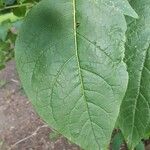
Atropa belladonna
Deadly Nightshade · Belladonna · Great morel · Dwale · Raging Nightshade
Description
Source: leafsnapAtropa belladonna, commonly known as deadly nightshade, is a perennial herbaceous plant in the Solanaceae family. Native to Europe, North Africa, and Western Asia, it has also been naturalized in other parts of the world. The plant can grow up to 1.5 meters tall and has dark green, ovate leaves with pointed tips. The bell-shaped flowers of Atropa belladonna are purple and grow in clusters at the ends of branches. The plant produces shiny black berries containing numerous small seeds. Atropa belladonna contains several toxic alkaloids, such as atropine, hyoscyamine, and scopolamine, which can cause hallucinations when ingested or applied topically. Despite its toxicity, the plant has been used for medicinal purposes for centuries due to its analgesic properties. In modern medicine, Atropa belladonna is primarily used as an antispasmodic agent for gastrointestinal disorders such as irritable bowel syndrome (IBS) and peptic ulcers. However, it's crucial not to use this herb without proper medical supervision due to its high toxicity, which can be fatal if ingested improperly. Always consult medical professionals who can provide appropriate guidance on its safe use.
🌳 In the sphere of historical vanity, deadly nightshade holds an unexpected story. In the Renaissance, women would put juice from deadly nightshade berries in their eyes to enlarge their pupils, a fashion thought to increase beauty and allure despite the plant's toxicity. The practice, called belladonna, is ironically tied to the plant's name—meaning "beautiful lady" in Italian. Although its cosmetic use has declined because of the inherent dangers, this unusual application highlights how the pursuit of beauty can intersect with a plant's hazardous properties.
Care Guide
💧 Water Every 7 days
Deadly nightshade flourishes in environments with moderate humidity and prefers soil that remains evenly moist. To achieve this, it needs to be watered weekly. While it is usually cultivated outdoors, local rainfall patterns can greatly benefit its growth. Therefore, understanding the precipitation trends of the climate zone is crucial for keeping the plant well-hydrated and ensuring its healthy development.
☀️ Light Full sun
Deadly nightshade prefers abundant sunlight but can tolerate some shade without harming its overall health. Its native habitat gives it a tolerance for unfiltered sunlight, though excessive exposure can singe the foliage. Conversely, inadequate sun can reduce its vigor.
What are the sunlight requirements for Deadly Nightshade?
Deadly Nightshade, also known as Atropa belladonna, thrives best under generous sun exposure and can endure some shade without detriment to its health. Originating from habitats that allow it resilience to unfiltered sunlight, the plant can still suffer from singed foliage if exposed to excessive sunlight. On the flip side, too little sun may lead to weakened vitality. It's crucial to observe the movement of sunlight through your garden to ensure plants get the right balance of light and shade, with requirements highlighting the need for above 6 hours of sunlight for 'full sun' and about 3-6 hours for 'partial sun'.
How do I use artificial lighting for Indoor Deadly Nightshade plants?
For indoor Deadly Nightshade plants requiring additional light, especially in conditions of insufficient natural sunlight during winter or in less sunny spaces, artificial lighting is a viable solution. To promote healthy growth, indoor plants should ideally have LED lights, as they can be adjusted to provide specific light wavelengths necessary for the plant. Depending on the plant's natural sunlight needs, the intensity of artificial light should range between 10-50W per square foot. The artificial light source should be placed 12-36 inches above the plant, mimicking natural sunlight, and kept on for 8-12 hours per day to simulate natural daylight hours.
What are the symptoms of incorrect lighting for Deadly Nightshade?
Symptoms of incorrect lighting in Deadly Nightshade can range from growth issues to physical damage. Inadequate lighting can lead to small new leaves, leggy growth, faster leaf drop, slowed or halted growth, and leaves that are lighter in color, indicating a lack of chlorophyll and nutrients. Excessive sunlight might cause chlorosis, sunscald, leaf curling, wilting, and leaf scorching, with symptoms including yellowing leaves, pale or necrotic areas on plant tissues, twisted leaves, drooping plant parts, and brown, dry leaf edges. Each of these indicates the plant's struggle with the current light conditions.
How can I adjust the lighting for my Deadly Nightshade to promote healthy growth?
Adjusting the lighting for Healthy Nightshade involves methods suitable for both indoor and outdoor settings. Indoors, it's advisable to gradually move plants towards sunnier spots or utilize a south-facing window, ensuring at least 6 hours of direct sunlight daily. If the plant is large, consider artificial grow lights for adequate light. Outdoors, plants should be gradually introduced to sunnier locations to avoid shock. If sunlight is obstructed, pruning or transplanting during the plant's dormant period can help. Note that while parts of the plant affected by poor lighting may not recover, new growth should be healthy once light conditions improve.
🌡️ Temperature 10–35°C
Deadly nightshade can tolerate a wide range of temperatures, but its distribution may still be restricted by different combinations of water and heat. It performs best in warm summer climates when there is sufficient rainfall or watering. Extended periods of cloudy, rainy weather or prolonged high heat can increase the chance of Deadly nightshade dying. In winter, shielding the plant from cold can improve its survival odds.
💨 Humidity normal (40-60%)
This plant will thrive in moderate humidity, which is probably the level in your home. However, misting it a few times a week can be very beneficial. Make sure the room has good ventilation.
🪴 Soil 6-7
🌱 Fertilizer
One application of fertilizer in spring is generally enough for Deadly nightshade, though multiple feedings can enhance growth. Feed every one to one and a half months. Fertilization improves the leaves’ appearance and function, helping maintain consistent color and a healthy texture. It also promotes root development and nutrient uptake for long-term plant health.
🪴 Pot & Repot
✂️ Pruning
Deadly nightshade is a poisonous, perennial plant known for its bell-shaped flowers. To maintain its health, prune the plant from early to late spring. Focus on removing dead branches, but be careful not to prune too heavily, as this can stress the plant. Regular trimming helps improve air circulation, reduce the risk of disease, and promote better flowering. Always sterilize your tools before pruning to prevent the spread of infection.
🌿 Propagating
🐛 Diseases & pets
☠️ Toxicity
Characteristics
- Plant Type
- Herb, Shrub
- Life Cycle
- Perennial
- Genus
- Atropa
- Family
- Solanaceae
- Hardiness Zone
- 7
- Mature Height
- 2.13 m
- Mature Spread
- 76 cm
- Leaf Color
- Dark Green
- Leaf Type
- Deciduous
- Flower Color
- Purple
- Flower Size
- 1.52 cm
- Bloom Time
- Early summer, Mid summer
- Planting Time
- Spring
- Harvest Time
- Mid summer