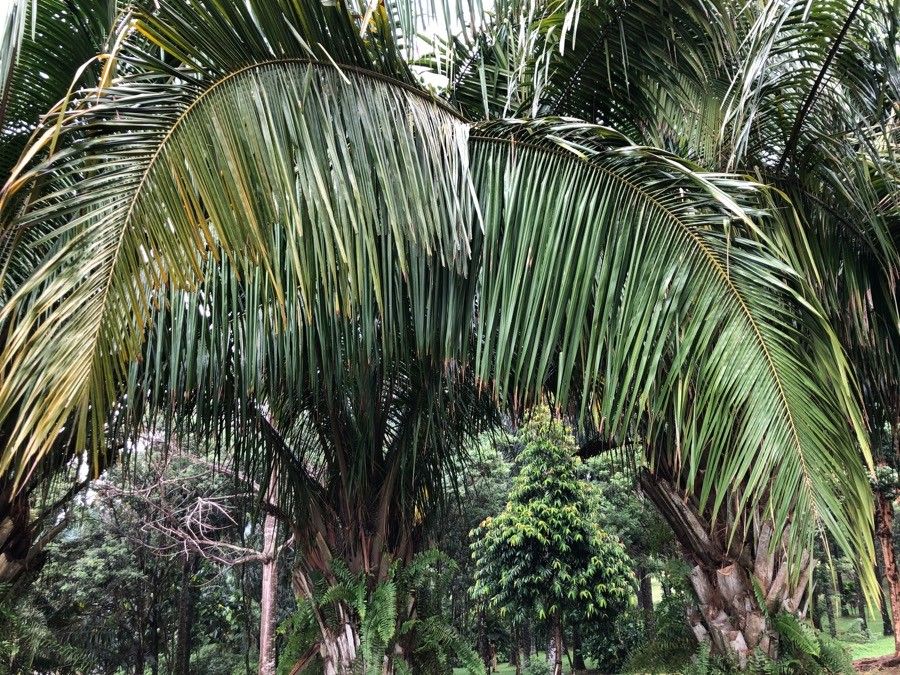
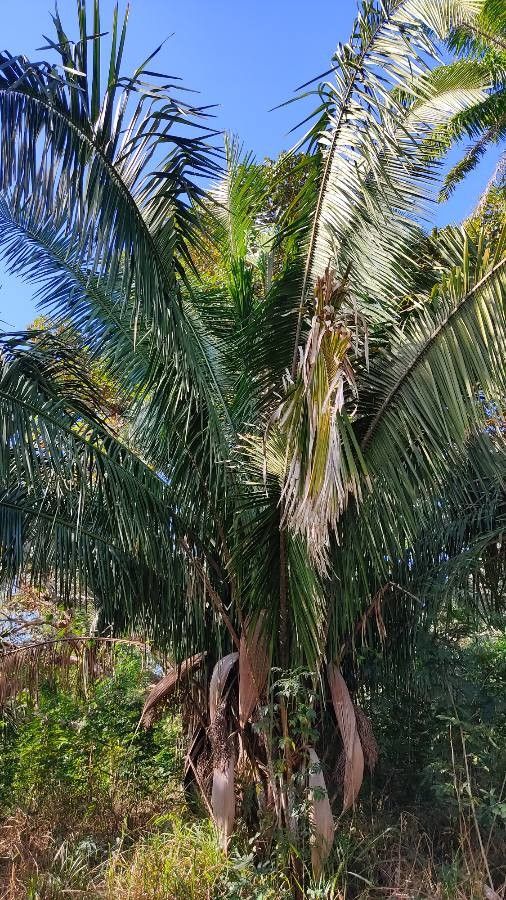
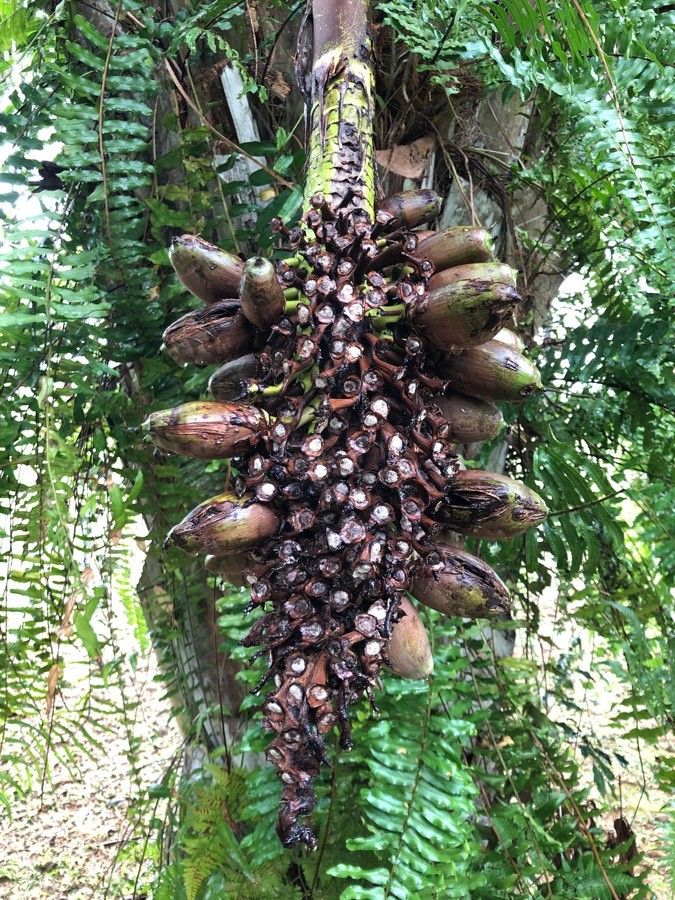
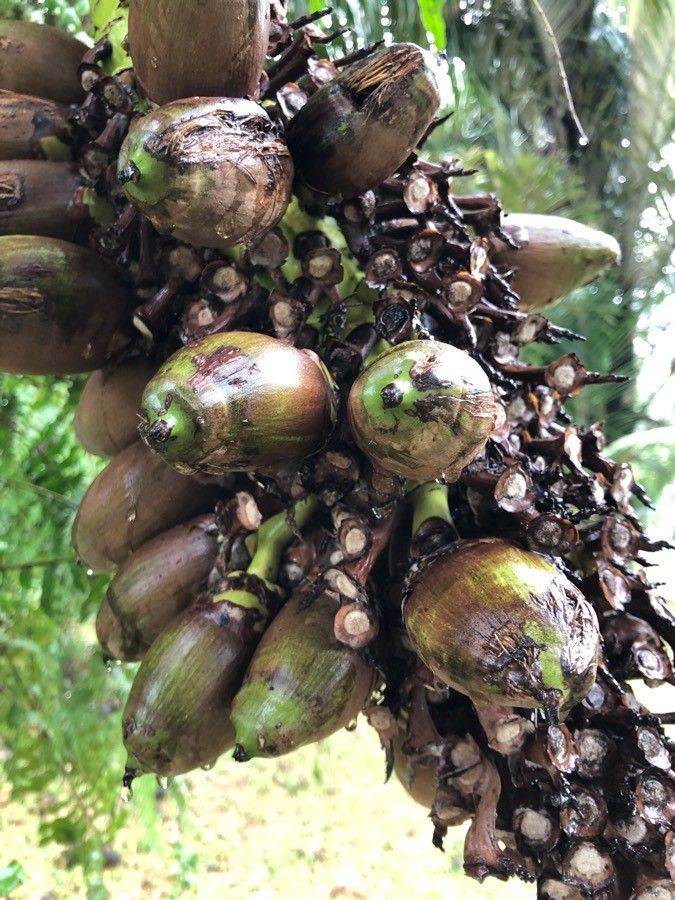
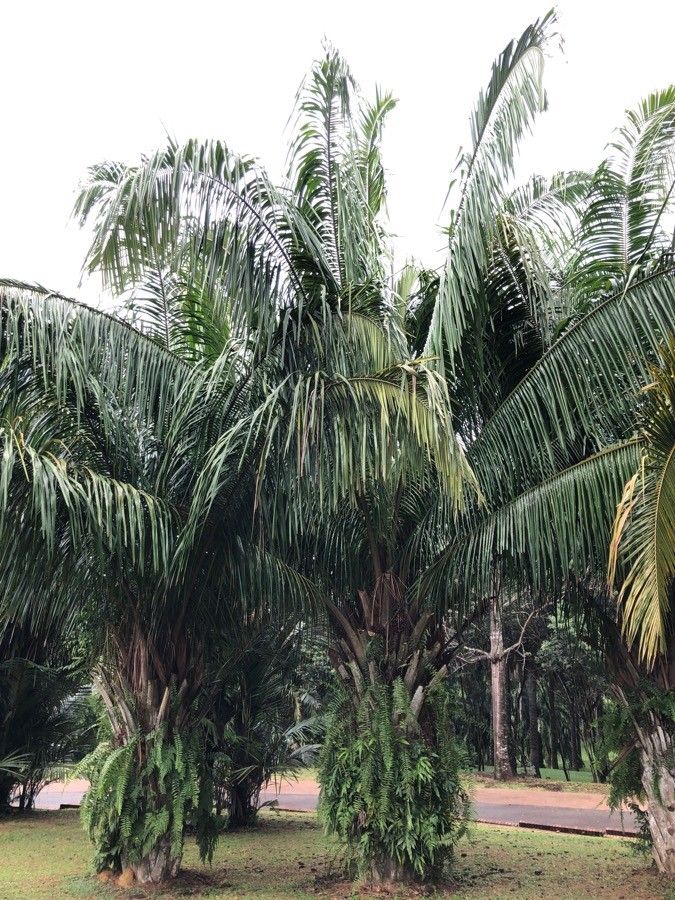
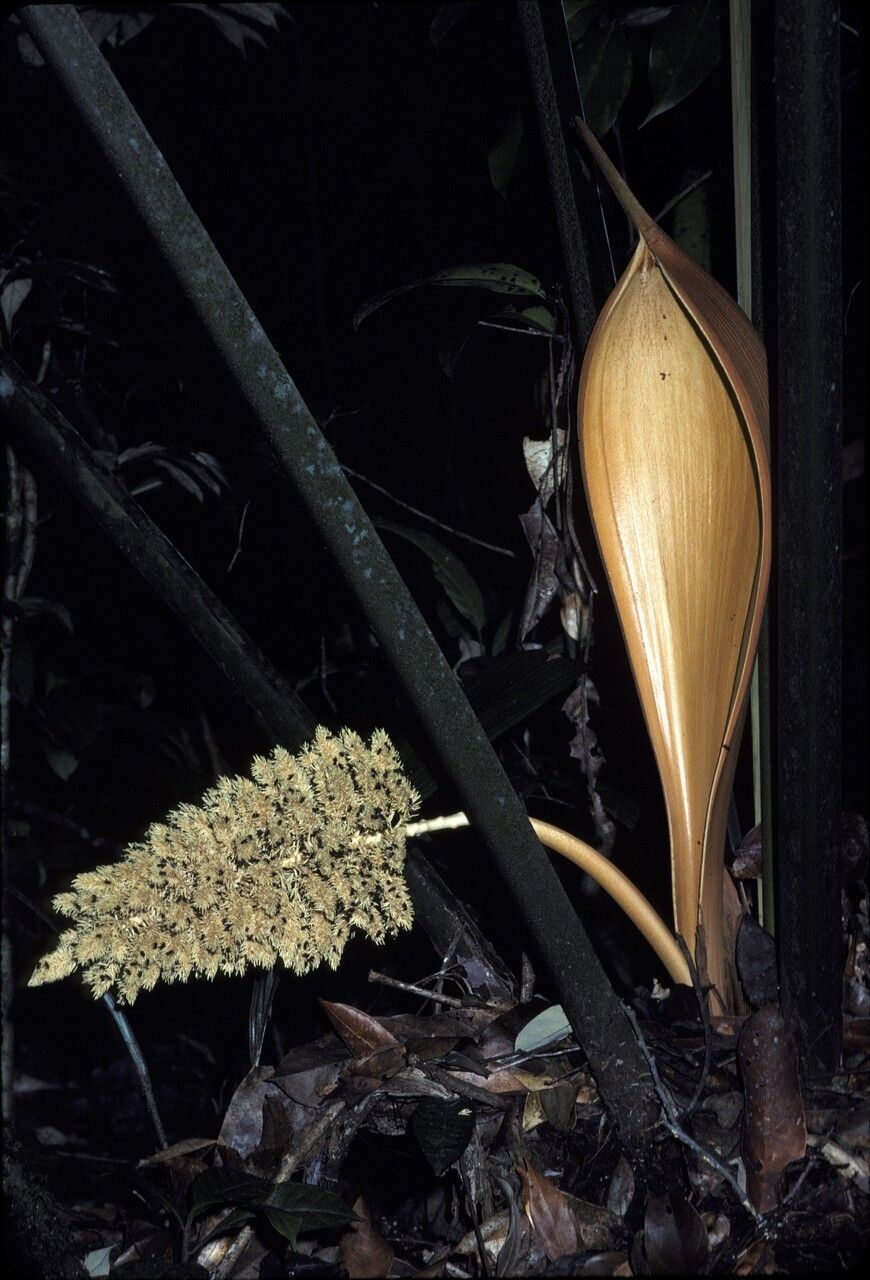
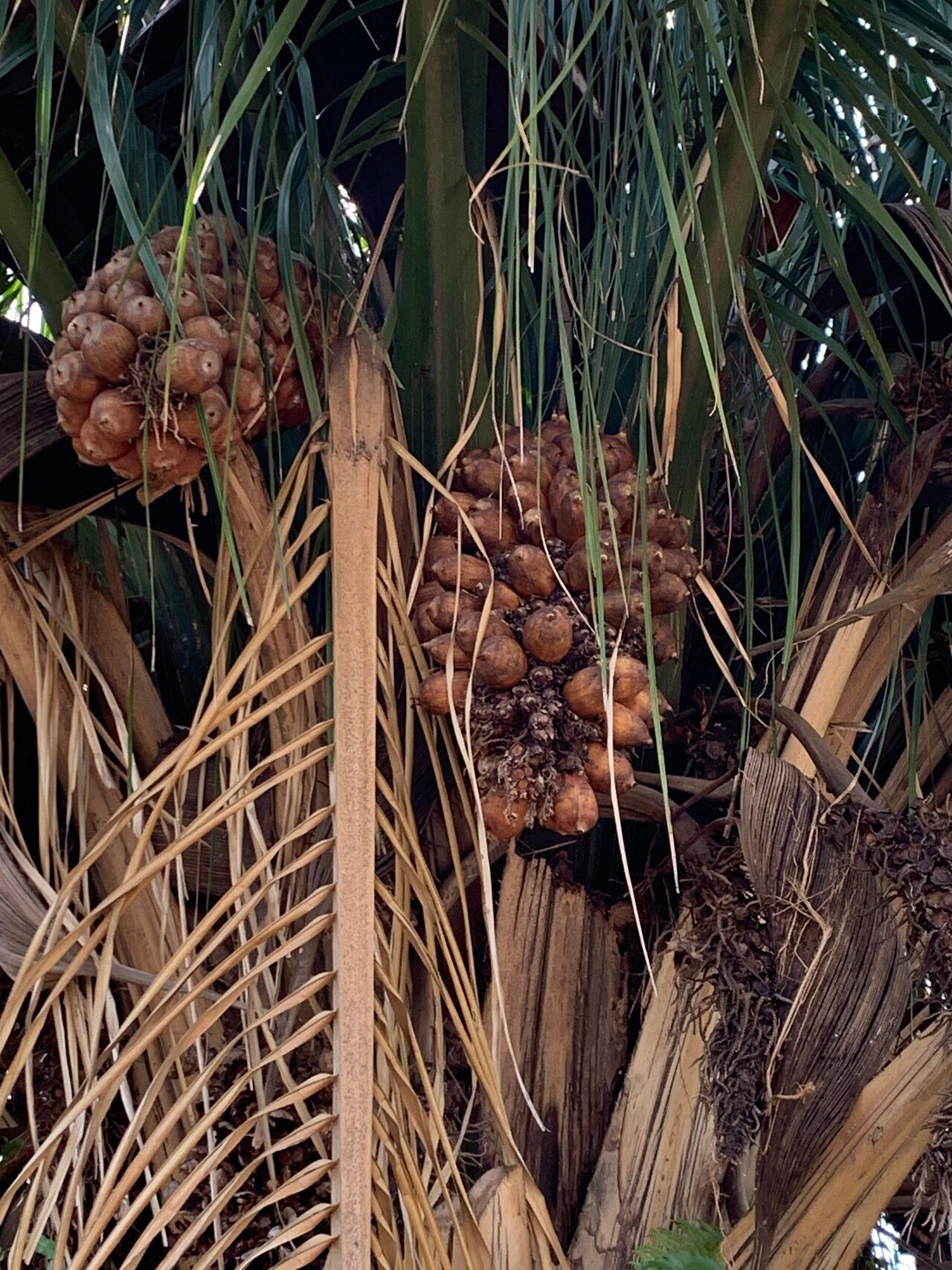
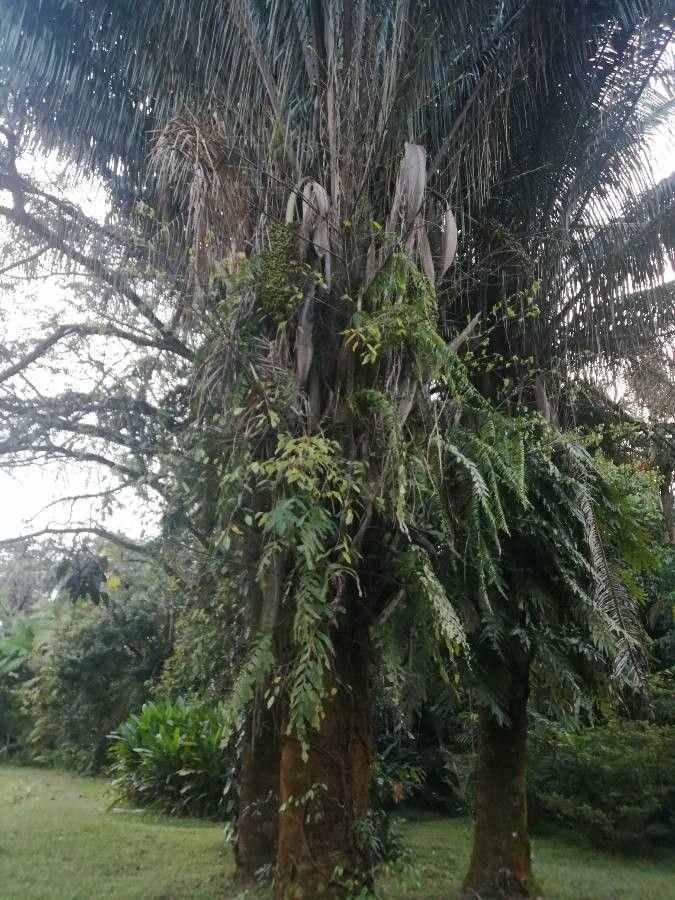
Attalea cohune, commonly known as the cohune palm (also rain tree, American oil palm, corozo palm or manaca palm), is a species of palm tree native to Mexico and parts of Central America.The cohune palm is used in the production of cohune oil and its nut can be used as a variety of vegetable ivory.
The cohune palm has strong disease resistance and is generally not susceptible to illnesses. In terms of care, this plant is fairly low-maintenance. When grown outdoors it needs minimal watering, and larger specimens typically do not require pruning. Smaller plants, however, should be pruned after they have bloomed. The cohune palm is suitable for anyone with outdoor space, such as a garden or a deck, and does not demand much prior gardening experience.
How to keep Attalea Cohune.
Light
The Cohune palm is native to open habitats—such as sunny meadows and forest edges—that supply abundant light. It performs best in Full Sun but will also tolerate Partial Sun, demonstrating good adaptability to varying sunlight conditions.
Water
The cohune palm, which originates from tropical rainforests, thrives in high humidity and prefers to be watered weekly. Although it can withstand moderate drought, it ideally requires consistent moisture. Usually grown outdoors, the palm benefits from natural rainfall, which helps enhance its foliage during the growing season.
Temperature
Cohune palm comes from tropical areas where the climate is generally warm and humid. Consequently, it is adapted to high temperatures and moisture. It does not tolerate abrupt temperature changes and prefers a stable thermal environment, so avoiding temperature fluctuations indoors is important. It typically cannot withstand cold and needs higher temperatures to grow. If the surrounding temperature falls too low, the plant may stop growing or even die.
Fertilizer
Fertilizing is essential for the care of the Cohune palm. Regular feeding during the growing season maintains the energy for its showy leaves and supports overall growth. Failing to fertilize can lead to unhealthy leaves, reduced ornamental value, and stunted or weak growth that is more likely to break.
Pruning
The cohune palm requires minimal pruning to thrive. To care for it effectively, follow these key techniques: remove dead leaves in early spring and trim fronds close to the trunk. Regular pruning improves air circulation, prevents pests, and encourages healthy growth. Be sure to sterilize your tools to prevent infections, and align your pruning schedule with the cohune palm's growth cycle for optimal results.
Botanical profile.
- Plant Type
- Tree
- Life Cycle
- Perennial
- Genus
- Attalea
- Family
- Arecaceae
- Hardiness Zone
- 9
- Mature Height
- 0 cm to 80 cm
- Mature Spread
- 10.06 m to 14.94 m
- Leaf Color
- Green
- Leaf Type
- Evergreen
- Flower Color
- White
- Flower Size
- 10.16 cm to 15.24 cm
- Bloom Time
- All year round
- Planting Time
- Summer
- Harvest Time
- All year round
- Native Area
- Colombia, Belize, Honduras, Mexico, Guatemala, El Salvador, Nicaragua
Other names.
Reader questions.
What is the Cohune palm?
The Cohune palm, scientifically known as Attalea cohune, is a species of palm. Unfortunately, specific details about its characteristics, uses, or habitat were not provided.