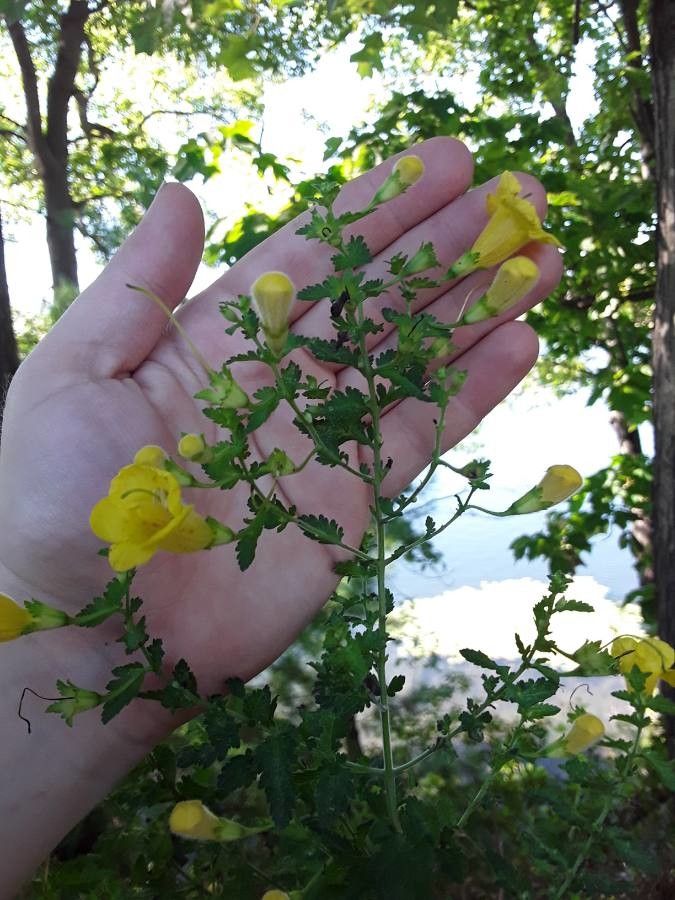
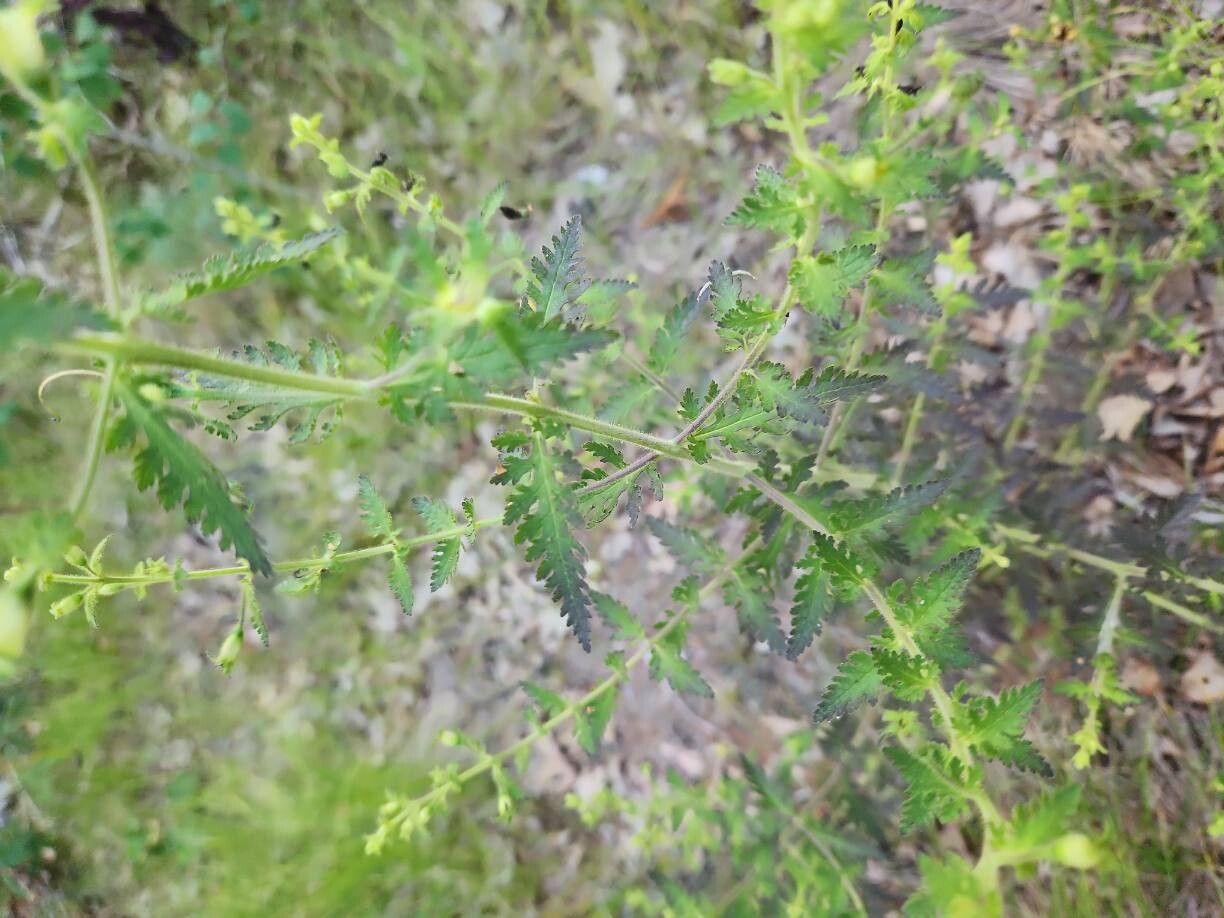
Aureolaria pectinata, commonly known as the comb-leaved yellow false foxglove, is a herbaceous perennial plant in the family Orobanchaceae. Native to North America, it thrives in a variety of habitats, including woodlands, meadows, and rocky slopes.
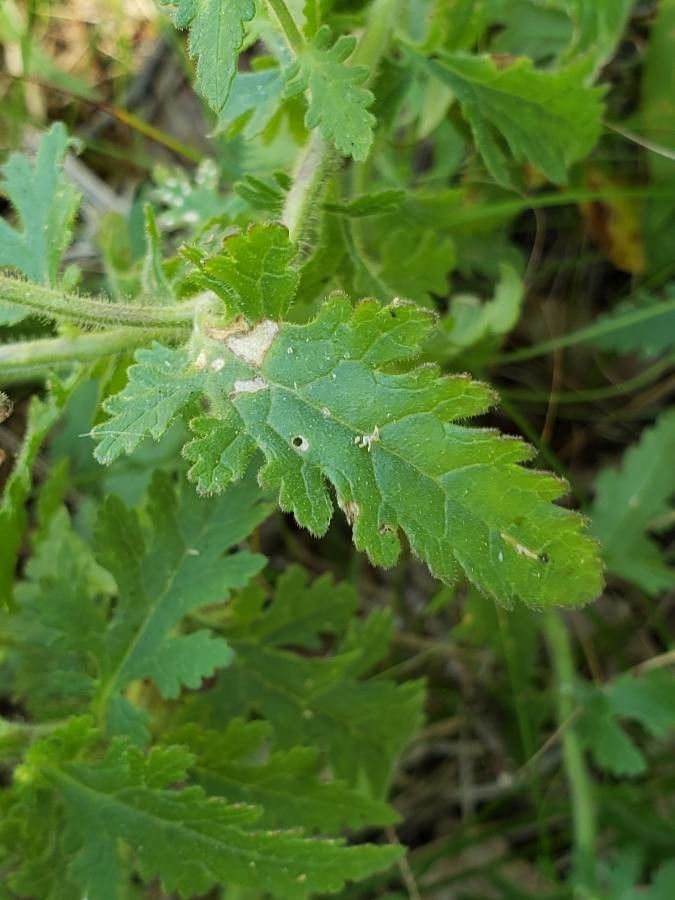
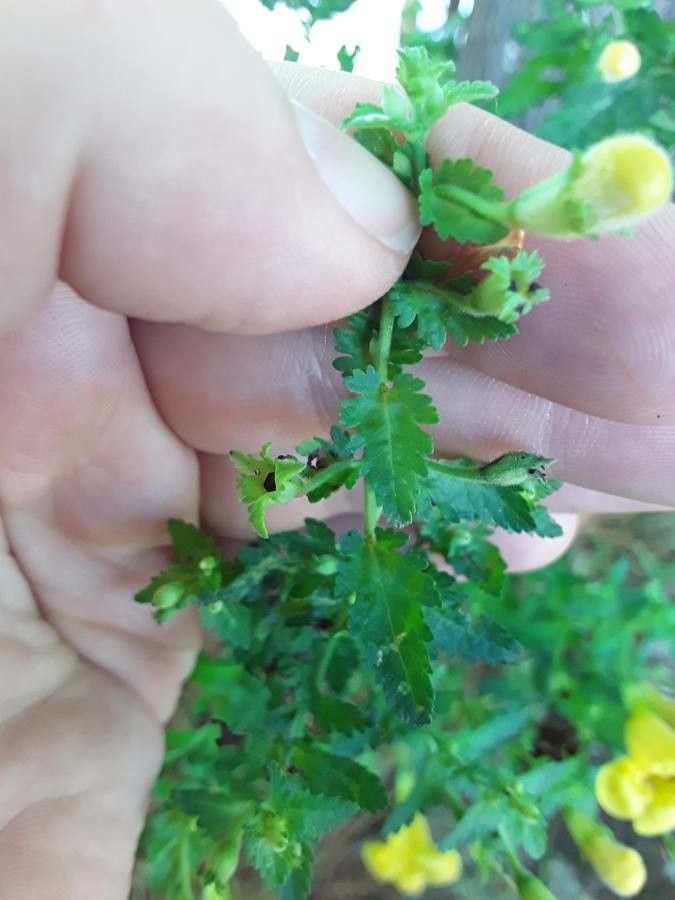
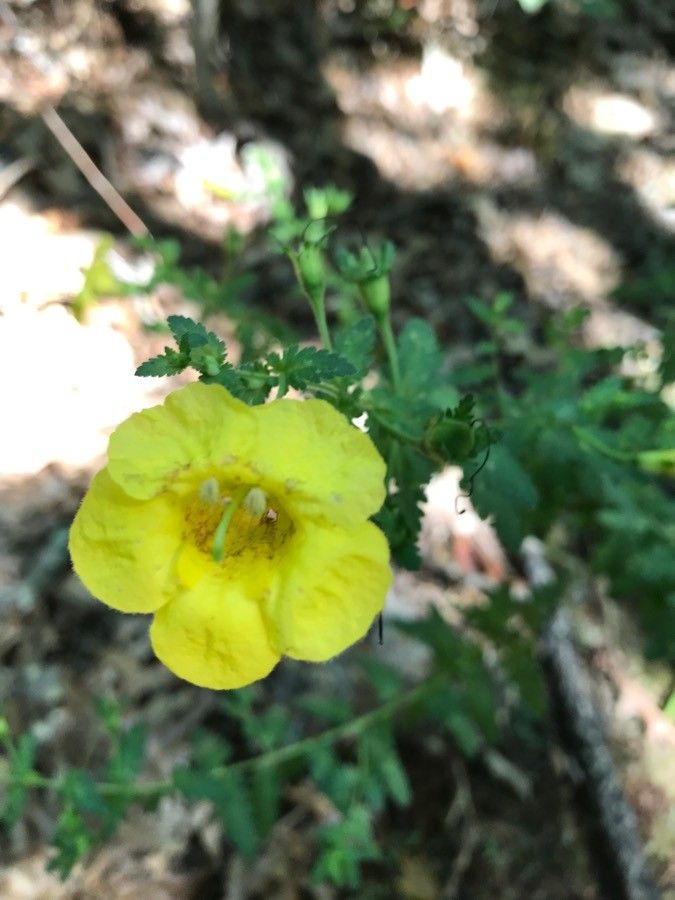
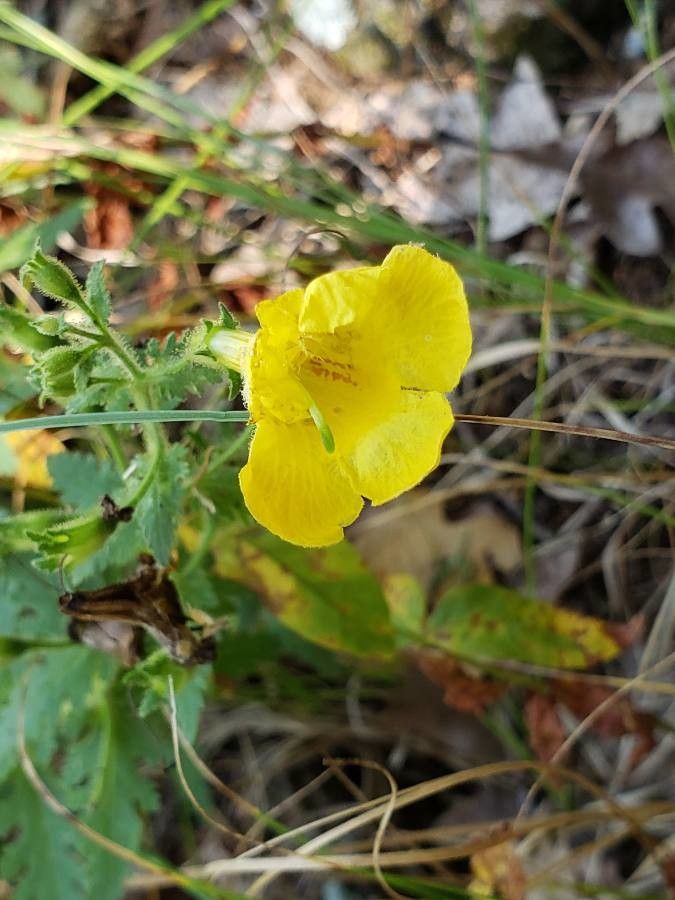
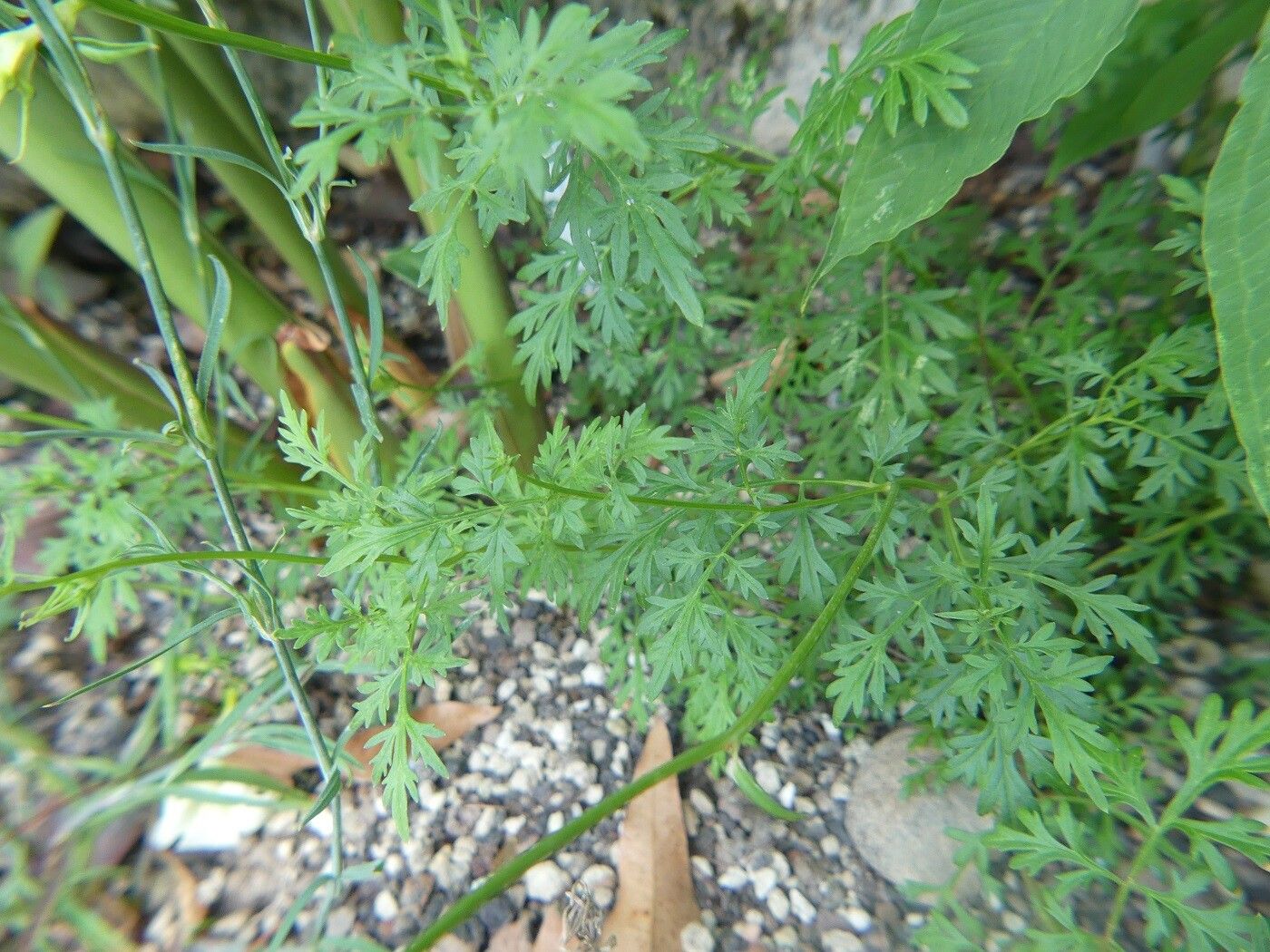
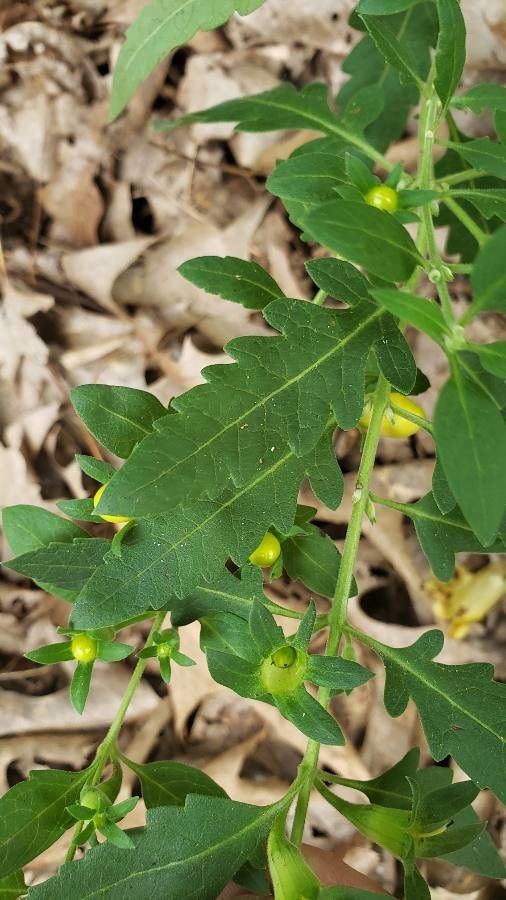
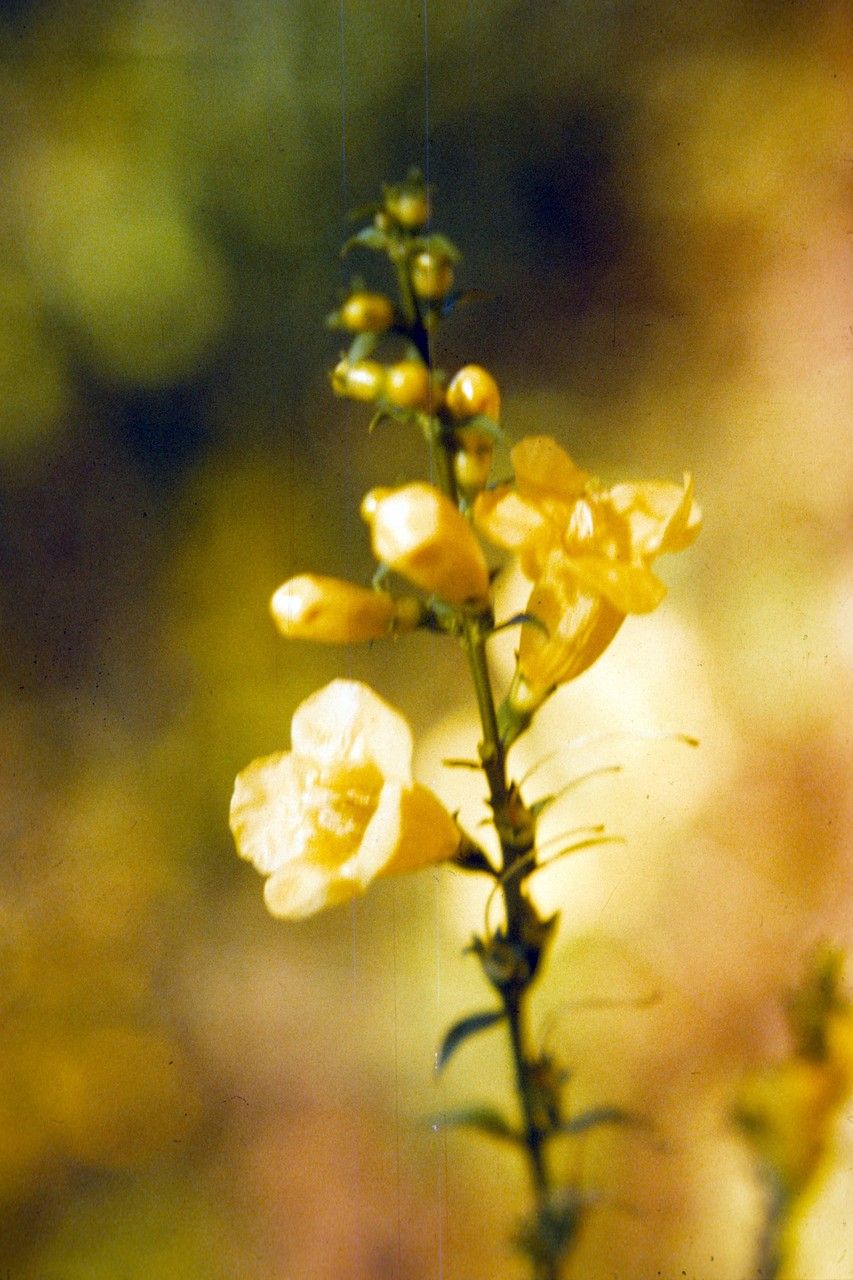
This plant grows up to 2 feet tall, displaying a bushy appearance with numerous stems emerging from a single base. Its alternate leaves are divided into narrow, comb-like segments. The tubular flowers, featuring five lobes, are typically yellow or greenish-yellow and bloom from late spring through summer.
Aureolaria pectinata plays a crucial role in the ecosystem by attracting pollinators such as bees and butterflies with its nectar-rich flowers. Historically, Native Americans utilized the plant for its medicinal properties to treat ailments such as fever, coughs, colds, and sore throats.
For optimal growth, the comb-leaved yellow false foxglove requires well-drained soil and exposure to partial shade or full sun. It can be propagated through seeds or by dividing mature plants in spring or fall.
Overall, Aureolaria pectinata is both an attractive and ecologically beneficial addition to any garden. Its ability to support pollinator species and its historical medicinal uses make it a fascinating and valuable plant.
Combleaf yellow false foxglove is fairly disease-resistant and generally not prone to illnesses. However, it can be affected by pests and diseases present in its environment. These infections tend to be mild. Regarding care, this plant requires moderate maintenance. It should be pruned regularly to preserve a neat appearance and support healthy growth. Fertilizing can also help encourage flowering. Combleaf yellow false foxglove is appropriate for anyone with outdoor space, such as a garden or patio, and does not demand extensive care experience. It may need more attention when grown indoors.
How to keep Aureolaria Pectinata.
Pruning
The Combleaf yellow false foxglove benefits from light, selective pruning in early spring to enhance healthy growth and flowering. To improve air circulation and shape the plant, remove dead branches and thin out crowded areas. Proper maintenance ensures a lush appearance throughout the growing season. For best practices, consult reliable horticultural guides.
Botanical profile.
- Plant Type
- Herb
- Genus
- Aureolaria
- Family
- Orobanchaceae
Other names.