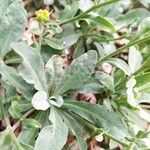
Aurinia saxatilis
Basket-of-gold · Golden-tuft alyssum · Golden-tuft madwort · Rock madwort · Gold-dust
Description
Source: leafsnapAurinia saxatilis, also known as basket-of-gold, is a low-growing perennial plant in the Brassicaceae family. Native to the rocky regions of Europe and Asia, it is widely cultivated as an ornamental plant in gardens and landscapes. The plant reaches up to 30 cm in height and spreads up to 60 cm. It produces small, bright yellow flowers that bloom in clusters from late spring through early summer. The leaves are gray-green and deeply lobed. Aurinia saxatilis thrives in well-drained soil with full sun exposure but can tolerate partial shade. While it is drought-tolerant once established, it requires regular watering during its initial growth period. Propagation can be done through seeds or cuttings, and the plant requires minimal maintenance once it has established itself. Due to its low-growing habit, Aurinia saxatilis is an excellent choice for rock gardens or as ground cover. Beyond its ornamental appeal, Aurinia saxatilis has been used in traditional medicine for treating various ailments such as respiratory infections and digestive disorders. However, further research is needed to confirm the efficacy of these traditional uses.
🌳 Aside from its decorative appeal, basket of gold serves an unexpected function as an indicator of certain metal concentrations in the soil. Because it bioaccumulates, it can show elevated levels of specific metals, functioning as a natural marker of soil health and contamination. Scientists and environmentalists can examine basket of gold to collect information on soil conditions, potentially locating areas that are at risk of heavy metal pollution.
Care Guide
💧 Water Every 7 days
Basket of gold, which originates from rocky slopes, thrives in well-drained, sunny conditions and is resistant to drought. It benefits from deep watering once a week, making use of efficient water storage. When grown in containers, evaporation rates increase, which aligns well with its low water requirements.
How should I water my Basket of gold?
To properly water the Basket of gold, there are a few important steps to follow. Firstly, it is best to use filtered water that is at room temperature. Tap water can contain harmful particles, so using filtered water is preferable. Additionally, the water should be at room temperature or slightly warmer because the Basket of gold originates from a warm environment and cold water can be a shock to its system. It is also recommended to avoid overhead watering for this plant, as it can cause issues with the foliage. Instead, it is best to water the plant by applying filtered, room temperature water directly to the soil. It is important to soak the soil thoroughly until it is entirely saturated. This is highly beneficial as it provides moisture to the roots and enables them to continue spreading through the soil to gather necessary nutrients.
What should I do if I give too much or too little water to my Basket of gold plant?
Overwatering is a more common problem than underwatering for the health of your Basket of gold. When this plant is overwatered, its stems and leaves may wilt and turn yellow. Overwatering for a long time can also lead to diseases like root rot, mold, and mildew, which can kill the plant. Underwatering is less common, as the Basket of gold can tolerate drought. However, when it happens, the leaves may become brittle and brown. It's important to recognize the signs of overwatering early. Some diseases caused by overwatering, like root rot, may not be fixable if you wait too long. If you see early signs of overwatering, reduce watering immediately. Check the quality of the soil. If it doesn't drain well, replace it with a loose and well-draining potting mix. If you notice signs of underwatering, simply water more regularly until the signs improve.
How often should I water my Basket of gold?
If your Basket of gold plant is in a pot, the best way to determine if it needs water is by sticking your finger into the soil. If the top two to three inches of soil feel dry, it's time to water it. If you have your Basket of gold plant planted outside in the ground, you can use a similar method to test the soil. Again, when the top few inches of soil are dry, it's time to water it. Usually, during the spring and early fall, this method will tell you to water the plant about once a week. However, during extremely hot weather, you may need to water it twice a week or even more. It's important to note that mature, well-established Basket of gold plants can tolerate drought well.
How much water does my Basket of gold plant need?
When watering your Basket of gold, don't be afraid to give it a good amount of water. Wait until the top two to three inches of soil are dry before watering, then give it a thorough soak. Make sure to add enough water to saturate the soil completely, causing excess water to drain out of the bottom of the pot. If you don't see any excess water draining, you may not have watered enough. However, be careful not to let the water build up inside the soil, as this can be harmful to the plant. On the other hand, if water isn't draining properly, it could indicate that the soil doesn't drain well, which is not good for the plant's health. If the plant is outside, it generally only needs about 1 inch of rainfall per week.
How do I water my Basket of gold at different stages of growth?
The water needs of the Basket of gold can vary at different growth stages. In the first few years or after transplanting, more water is required because the plant is focused on growing new roots. These young roots need extra moisture to support future growth. As the plant matures, less water is needed. During the bloom period, the plant may also require more water as flower development requires significant moisture.
☀️ Light Full sun
Basket of gold does best in places that receive sunlight all day. This ample light encourages healthy growth and better flowering. In the wild it grows on rocky slopes that are often sunlit. Too little light can cause poor bloom production, while too much may scorch the foliage, although it can moderately tolerate less sunny conditions.
What are the sunlight requirements for Basket of Gold (Aurinia saxatilis)?
Basket of Gold (Aurinia saxatilis) thrives in conditions where it can receive light all day. For optimal growth and flowering, places that offer full sun exposure, meaning above 6 hours of sunlight a day, are ideal. It can also tolerate partial sun, which is about 3-6 hours of sunlight daily. Observing how sunlight moves through your garden and choosing locations that offer a good balance of light and shade are crucial for ensuring the plant's happiness and health.
What role does artificial lighting play for indoor Basket of Gold plants?
For Basket of Gold plants kept indoors where natural sunlight might be insufficient, especially during winter or in less sunny spaces, artificial lighting can provide a vital solution for optimal growth. Using artificial lights can simulate the necessary conditions the plant needs to grow healthily and bloom. LED lights are recommended as they can be tailored to provide specific wavelengths required by the plant. Full sun plants should have 30-50W per square foot, partial sun plants require 20-30W per square foot, and full shade plants need 10-20W per square foot. It is also important to place the light source 12-36 inches above the plant and imitate the natural daylight hours, ensuring most plants get between 8-12 hours of light per day.
What are common symptoms of insufficient or excessive light in Basket of Gold?
When Basket of Gold does not receive adequate light, you may notice symptoms such as smaller new leaves, leggy or sparse growth, faster leaf drop, slowed or halted growth, and leaves that are lighter in color or exhibit chlorosis, turning yellow due to a lack of chlorophyll. On the other hand, excessive sunlight can cause issues like sunscald, leaf curling, wilting, and leaf scorching, where leaves show brown, dry, and crispy edges. These symptoms indicate that the plant is not in its ideal light conditions and adjustments are necessary to ensure its health.
How can you address and improve light conditions for Basket of Gold, both indoors and outdoors?
Improving light conditions for Basket of Gold involves gradual adjustments to increase sunlight exposure for outdoor plants or enhancing light for indoor ones. For indoor plants, move them closer to a south-facing window or employ artificial lights, keeping them on for at least 8 hours daily. Outdoor plants should be relocated to sunnier spots progressively to prevent shock. Minimizing obstructions, like pruning trees that cast shade, can help outdoor plants receive more sunlight. For smaller plants, consider transplanting during their dormant period to a location with ample sunlight and good drainage to ensure they receive the light they need for healthy growth.
🌡️ Temperature 0–32.2°C
Basket of gold is a plant originating from temperate regions and is naturally suited to temperatures of 68 to 95 °F (20 to 35 ℃). Because of this preference, care should be taken during colder winter months to prevent temperatures from falling drastically.
What is the ideal temperature range for Basket of Gold?
Basket of Gold, also known by its botanical name Aurinia saxatilis, thrives in temperate regions and is well adapted to temperatures between 68 to 95 °F (20 to 35 °C). This preference indicates that special attention is required during the colder winter months to ensure that temperatures do not fall sharply, although the plant is highly cold-tolerant and does not necessitate additional frost protection measures. To prepare it for winter, it is advisable to water the plant generously before the first freeze in autumn to keep the soil moist, thereby helping to prevent drought and water scarcity during the winter and early spring months.
How does Basket of Gold respond to low temperatures?
Basket of Gold is extremely tolerant to cold weather, capable of withstanding winter temperatures down to -35°C (-31°F) without the need for additional protection. Despite this tolerance, it is crucial to maintain the temperature above this threshold to avoid impacting the plant's ability to sprout in the spring. If temperatures drop below -35°C, while there might not be noticeable changes during winter, the plant might experience a reduced sprouting rate or fail to sprout at all come springtime. In such cases, it is recommended to remove any parts that have failed to sprout as a corrective measure.
How does Basket of Gold react to high temperatures?
Basket of Gold struggles with high temperatures, and its growth will halt if the temperature exceeds 35°C (95°F). This makes the plant more susceptible to rot under high-temperature conditions. To mitigate the adverse effects of excessive heat, it's advisable to trim away any sunburned or dried-up parts. Relocating the plant to a shaded location or using a shade cloth can protect it from the harsh midday and afternoon sun. Additionally, maintaining soil moisture by watering the plant in the morning and evening can help manage the stress caused by high temperatures.
💨 Humidity
🪴 Soil 6-7
🌱 Fertilizer
One fertilizer application in spring is generally enough for Basket of gold, but repeated feedings can maximize growth. Fertilize about every month to six weeks. Feeding improves the leaves' appearance and function, helping maintain even color and a healthy texture. It also promotes root growth and nutrient uptake for long-term plant health.
Why should I put fertilizer on my Basket of gold plant?
The main structure of the Basket of gold is made up of its leaves. Fertilization plays a crucial role in making sure these leaves look great and function well. By providing proper fertilization, you can ensure that the leaves of your Basket of gold have consistent color and a healthy texture. Fertilization also benefits the plant's roots by promoting the growth of new roots and maintaining existing ones. This not only keeps your plant healthy in the present, but also enhances its ability to absorb nutrients from the soil in the future.
When should I fertilize my Basket of gold for the best results?
If you choose to grow your Basket of gold outdoors, it will shoot out new growth in early spring. When these leaves emerge, it indicates that it's time to start fertilizing. Usually, one application of fertilizer in the spring is sufficient for the plant to thrive. However, if you want to maximize growth, you can feed your Basket of gold multiple times during spring and early summer. In this case, you can fertilize about once every month to a month and a half.
When is it not a good idea to add fertilizer to my Basket of gold?
During late fall and winter, your Basket of gold will be dormant and won't produce new growth. So, it's not necessary to fertilize it during this time. In spring and summer, if you decide to fertilize, start reducing the amount as summer approaches since the growth rate of your Basket of gold will also slow down. It's important to remember that it's not a good idea to fertilize your Basket of gold during extremely hot weather or when the soil is very dry. Fertilizing during these conditions can stress the plant and cause it to die early.
Which fertilizer should I use for my Basket of gold?
Choosing the best fertilizer for a Basket of gold is easy. These plants need a general-purpose garden fertilizer with equal amounts of nitrogen, phosphorus, and potassium, like a 10-10-10 ratio. Avoid fertilizers with high nitrogen content if unsure. The best fertilizers for a Basket of gold are mostly granular and slow-release, making them easy to apply. Using an organic soil amendment like compost can also help in feeding the plant.
How can I add fertilizer to my Basket of gold plant?
1. Wait until your Basket of gold has just poked its first leaves through the soil's surface in early spring. 2. Apply a granular slow-release fertilizer with a balanced formula to the soil surrounding the base of your Basket of gold. 3. If desired, you can repeat the fertilizer application later in the season. 4. When applying fertilizer, remember to focus on the soil at the base of the plant rather than the plant itself. You may need to move some leaves to access the soil above the roots. 5. It's a good idea to water your Basket of gold both before and after feeding it.
🪴 Pot & Repot 2-3 years
When repotting Basket of gold, pick a pot 1-2 inches (2.5–5.1 cm) larger with good drainage. Use a well-draining potting mix. Repot in spring or fall, making sure the root ball sits slightly below the rim of the flower pot. Water thoroughly after repotting and place in a warm spot with indirect sunlight.
✂️ Pruning
Basket of Gold is a plant known for its vibrant yellow flowers and low-growing, mat-forming habit. To improve its shape and density, prune it immediately after it finishes flowering in late spring. During this time, remove spent blooms and any damaged stems. Be careful to avoid pruning later in the season to maintain the plant's health and appearance.
🌿 Propagating
🐛 Diseases & pets
☠️ Toxicity
Yellow Alyssum has no known toxicity trait, making it ideal for households with both children and pets,
Characteristics
- Plant Type
- Herb
- Life Cycle
- Perennial, Annual
- Genus
- Aurinia
- Family
- Brassicaceae
- Hardiness Zone
- 3-7
- Mature Height
- 15 cm to 30 cm
- Mature Spread
- 15 cm to 46 cm
- Leaf Color
- Green, Gray, Silver
- Leaf Type
- Semi-evergreen, Deciduous
- Flower Color
- Yellow, Gold
- Flower Size
- 2.54 cm
- Bloom Time
- Mid spring, Late spring
- Planting Time
- Spring
- Harvest Time
- Early summer, Mid summer
- Native Area
- Asia, Europe