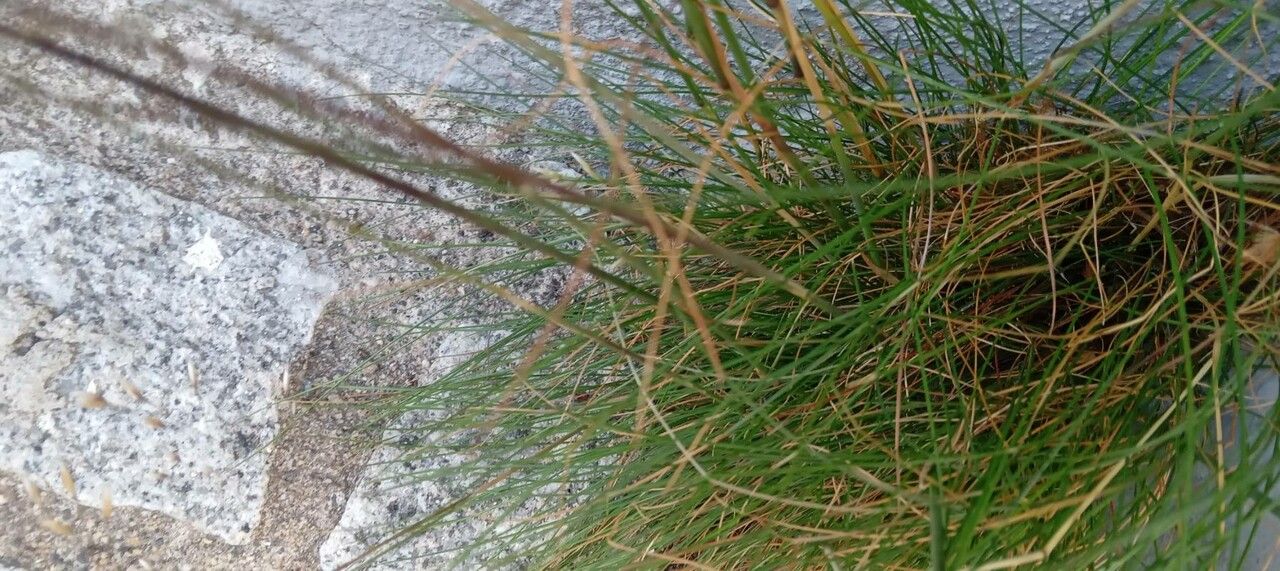
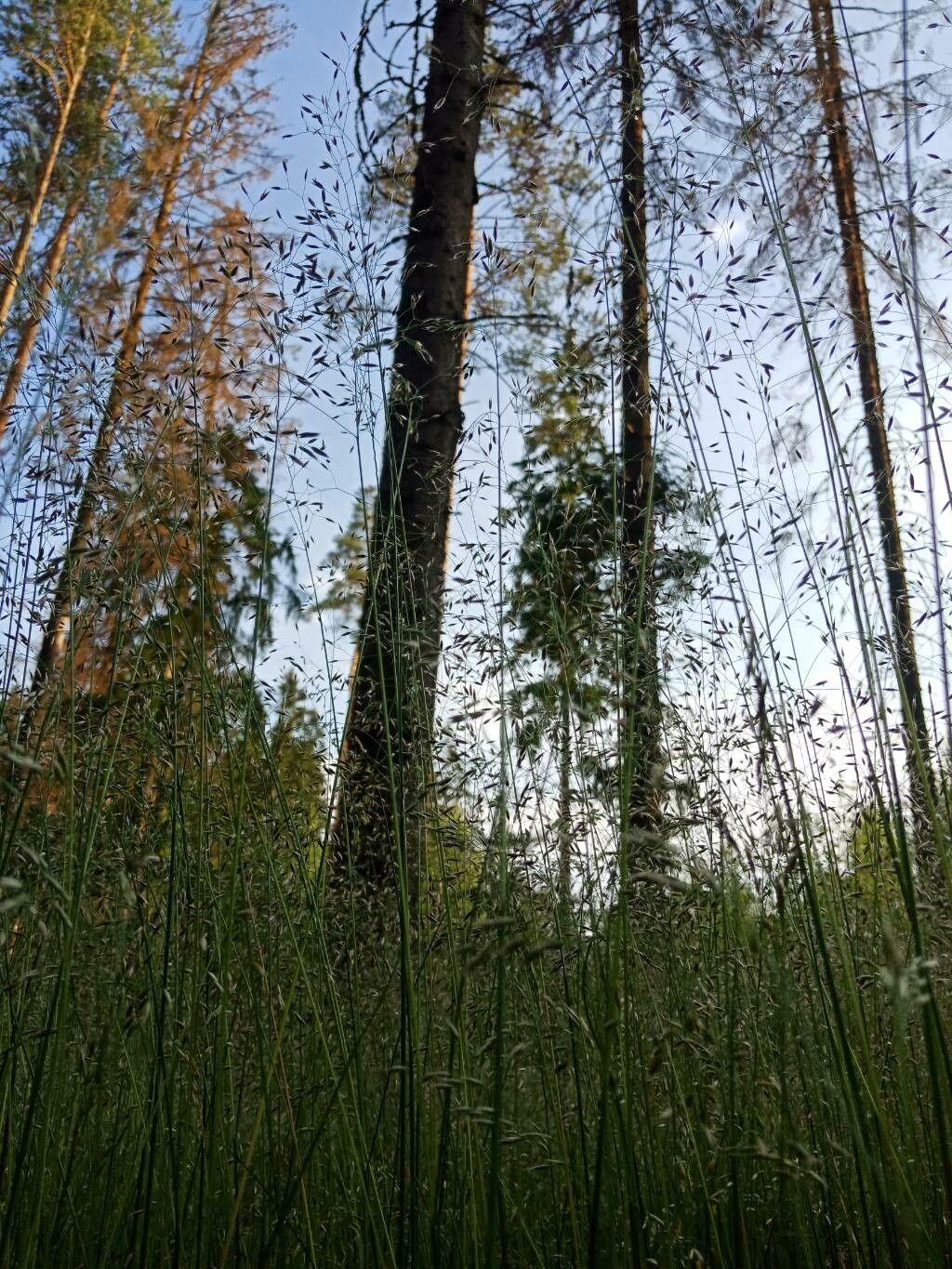
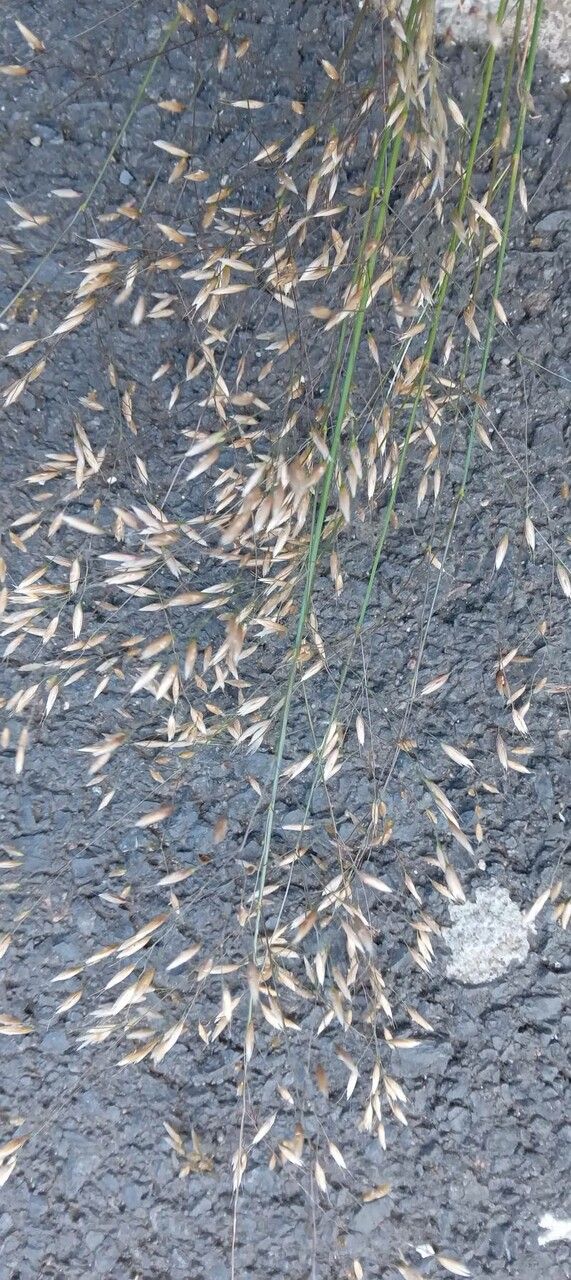
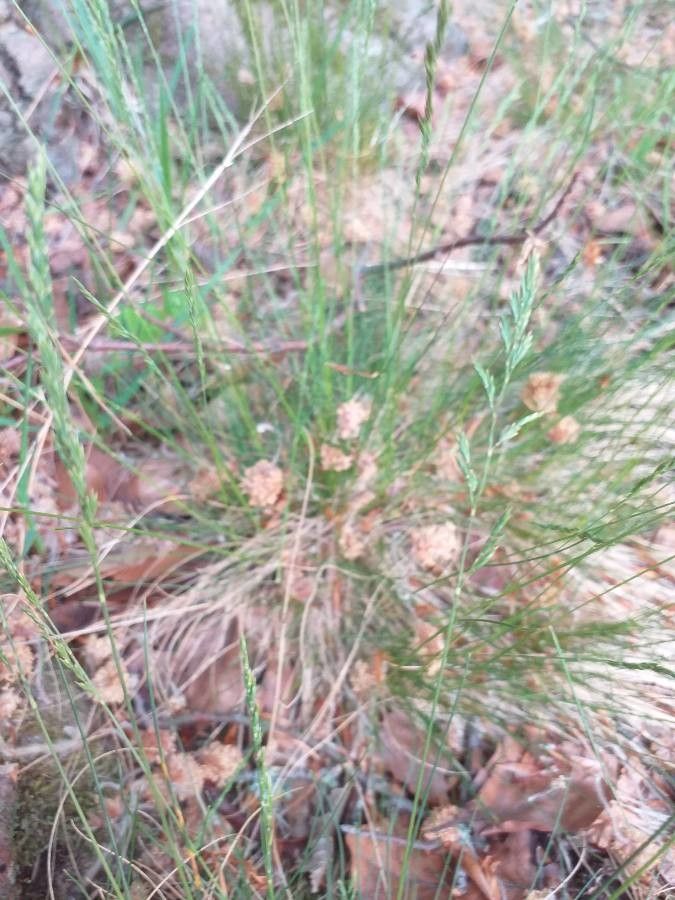
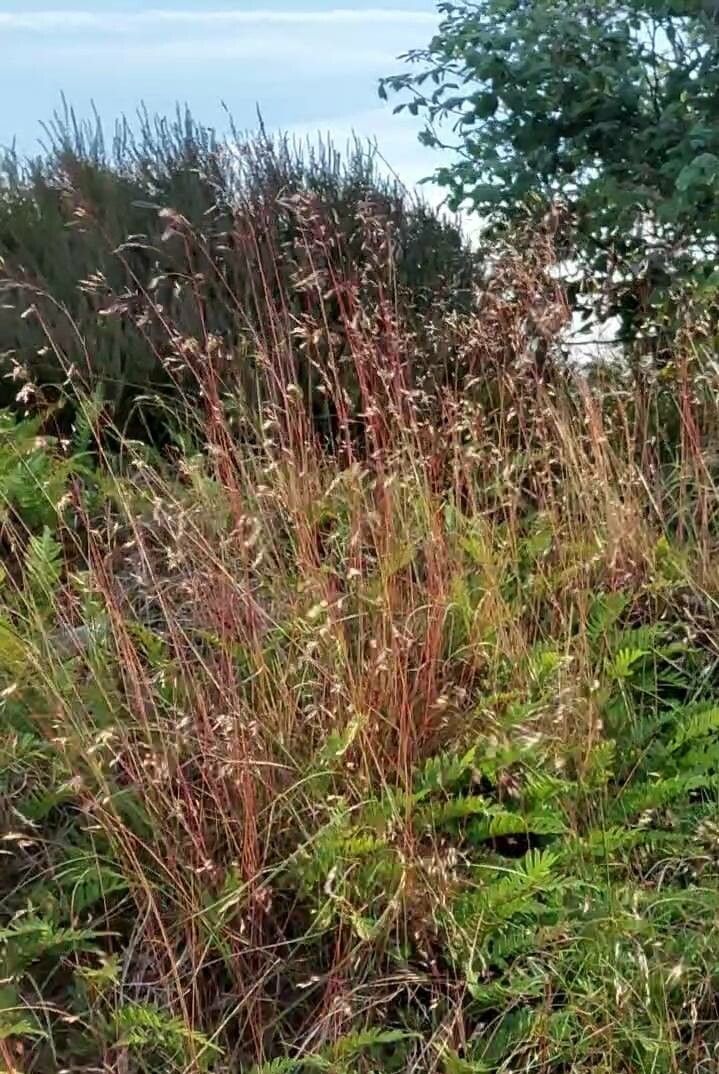
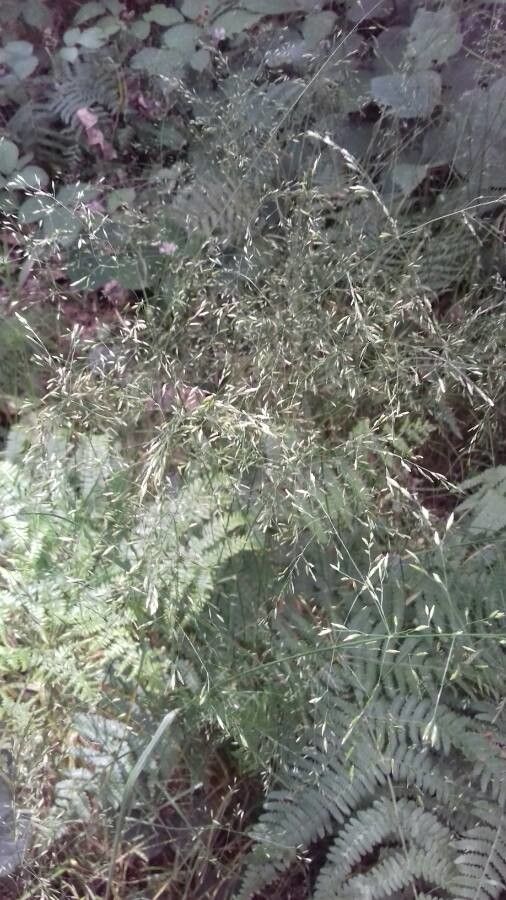
Avenella flexuosa, commonly known as Wavy Hair-grass, is a perennial grass species in the Poaceae family. Native to Europe and Asia, it thrives in diverse habitats such as meadows, woodlands, and rocky slopes. The plant exhibits a clumping growth habit with slender stems that can reach up to 60 cm in height. Its leaves are narrow, wavy, and bright green.
During the summer, Avenella flexuosa produces delicate panicles of greenish-yellow flowers that attract various pollinators, including bees and butterflies.
Avenella flexuosa is an excellent ornamental choice for gardens due to its attractive foliage texture and its adaptability to both sunny and partially shaded areas. Once established, it also shows good drought tolerance.
Beyond its ornamental appeal, Avenella flexuosa has ecological significance. It provides food for grazing animals like deer and rabbits and serves as a habitat for small insects such as grasshoppers and crickets.
In conclusion, Avenella flexuosa is an attractive perennial grass that offers both aesthetic value in gardens and ecological benefits in its natural habitats.
Wavy hair-grass has strong disease resistance and is generally not prone to disease. In terms of care, this plant is relatively low maintenance. When planted outdoors it requires minimal watering, and larger plants generally do not need to be pruned. However, smaller plants should be pruned after they have bloomed. Wavy hair-grass is suitable for anyone with an outdoor space, such as a garden or deck, and does not require much care experience.
How to keep Avenella Flexuosa.
Light
The wavy hair-grass is a hardy plant that thrives in locations bathed in sunlight, which promotes healthier growth. It can also tolerate situations with some shade, but lack of light can hinder its development. Native to sun-exposed habitats, the plant may develop leaf discoloration and poor growth when exposed to either too much or too little light.
Water
Wavy hair-grass thrives in well-drained soil with moderate humidity and consistent moisture. To keep it optimally hydrated, water it weekly. Although the plant can endure short droughts, it’s important to monitor natural rainfall when grown outdoors, especially during times of high water demand in the growing season.
Temperature
Wavy hair-grass is native to areas with temperatures ranging from 41 to 95 °F (5 to 35 ℃). This plant prefers moderate temperatures and may need adaptation measures in seasons that fall outside its comfort zone.
Fertilizer
Wavy hair-grass needs extra nutrients to encourage healthy new growth. In spring, spreading some compost around the plant's base will effectively supply the nutrition it requires. Fertilizing helps support vigorous growth and enables the plant to resist diseases and pests.
Pruning
Wavy hair-grass has delicate, arching stems and fine foliage. To keep it healthy, prune the plant in early spring using sharp, sterilized shears. This removes any growth damaged over the winter and promotes healthier new shoots. Pruning also helps improve the plant's structure, control its spread, prevent disease, and enhance air circulation—factors that are crucial for robust growth throughout the season.
Pot & Repot
When repotting Wavy hair-grass, select a pot 1–2 inches (2.5–5.1 cm) larger with good drainage. Use a well-draining potting mix. Repot in spring or fall, making sure the root ball is slightly lower than the rim of the flower pot. Water thoroughly after repotting and place in a warm spot with indirect sunlight.
Botanical profile.
- Plant Type
- Grass
- Life Cycle
- Perennial
- Genus
- Avenella
- Family
- Poaceae
- Hardiness Zone
- 4-9
- Mature Height
- 20 cm to 61 cm
- Mature Spread
- 15 cm to 30 cm
- Leaf Color
- Green
- Leaf Type
- Evergreen
- Flower Color
- White, Yellow, Red, Brown
- Flower Size
- 5.08 cm to 11.43 cm
- Bloom Time
- Early summer, Mid summer
- Planting Time
- Spring, Summer
- Harvest Time
- Late summer, Early fall
Other names.
Reader questions.
What should I do if I give too much or too little water to my Wavy hair-grass?
Proper watering is essential for the healthy growth of this beautiful ornamental grass. If the grass is planted in the ground, watering issues can be resolved. However, in a container, it is crucial to avoid both overwatering and underwatering, as either can quickly kill the Wavy hair-grass. Insufficient water will cause the grass to stop growing, while overwatering will lead to yellow leaves with brown tips. Underwatering can result in drooping leaves, weak seed head production, and browning. If you suspect your Wavy hair-grass has been watered improperly, the first step is determining whether it received too much or too little water. If there's excessive watering, stop immediately and wait patiently for the heavy soil to dry out. Once new growth appears, test the soil for moisture and decide whether it requires more water. On the other hand, if the grass is not getting enough water, a deep watering will usually revive it. It is important to note that a long, deep watering is always more beneficial than frequent shallow waterings. Deep watering encourages the growth of deep roots, making the grass more resistant to drought and less vulnerable to watering-related issues.
Why should I put fertilizer on my Wavy hair-grass?
Fertilizing Wavy hair-grass is important for several reasons. Firstly, it provides your plant with essential nutrients for healthy new growth. Secondly, these extra nutrients also help maintain the health of existing growth and can aid in protecting your plant from diseases and pests.
What are the sunlight requirements for Wavy hair-grass?
Wavy hair-grass thrives best in full sun conditions, requiring more than 6 hours of sunlight daily. It can also grow in partial sun, with about 3-6 hours of sunlight. It's vital to observe the movement of sunlight through your garden to find spots that offer a balance of light and shade suitable for the plant, ensuring it receives the proper amount of sunlight for optimal growth.
What is the native temperature range for Wavy hair-grass?
Wavy hair-grass, scientifically known as Avenella flexuosa, is native to regions where the temperature varies between 41°F (5°C) and 95°F (35°C). This plant flourishes in moderate temperatures but will require adaptation strategies if the seasonal temperatures exceed its preferred range.
How frequently should I water my Wavy hair-grass?
The watering needs of Wavy hair-grass depend on its planting location. Typically, water this grass every week. In hot climates, watering once or twice a week in the summer might be necessary. In moderate climates, watering once every seven days or more may be enough. Grass in containers generally needs more frequent watering than ground grasses. However, the location also impacts watering frequency, as shaded grasses require less water than in-ground grasses. Only water Wavy hair-grass when the soil is dry. Signs to look for include checking if the soil is dry by pressing your finger a couple of inches into it. Potted grasses can be weighed with a portable scale or easily detected by a light pot due to lack of water. Insufficient water may cause the blades to appear folded and thinner than usual. Despite its drought tolerance, regular, deep waterings will result in a beautiful color. In its natural habitat of open scrubland, Wavy hair-grass experiences extreme heat, bright sun, and intermittent rain. While this grass is drought resistant, it still requires care and attention. Although hardy, consistent watering is recommended for optimal thriving. Newly planted Wavy hair-grass needs more frequent watering until it establishes deep roots. Potted grasses dry out quickly, especially in hot, direct sun. Assess the soil every 3 to 4 days and water only when it feels dry. Ground-planted Wavy hair-grass generally requires less watering, but this depends on the soil. Clay soils retain moisture below the surface, even if dry at the top. Sandy soils that drain quickly will require more frequent watering.
When should I put fertilizer on my Wavy hair-grass?
To ensure the survival of Wavy hair-grass in your garden, it's important to know when to fertilize it. Unlike other plants, Wavy hair-grass is not a heavy feeder and doesn't need extra nutrients when it's dying back. While you may consider using diluted fertilizer at the beginning of the growing season, it's not advised. Instead, opting for mulch or compost around the base of the plant is a better option.
What are the essentials for growing Wavy hair-grass?
Wavy hair-grass is resilient, flourishing best in areas with abundant sunlight, which supports healthier growth. While it can tolerate some shade, lack of sufficient light can stunt its growth. If the plant receives too much or too little light, it might suffer from leaf discoloration and poor growth. For indoor plants, artificial lighting can be a vital solution for optimal growth, especially when natural sunlight is insufficient. LED lights are recommended for their ability to be customized to the plant's specific light wavelength needs. The amount of artificial light recommended varies depending on the plant's natural sunlight requirement.
Does Wavy hair-grass require special frost protection measures in winter?
Wavy hair-grass possesses strong cold resistance, making special frost protection measures usually unnecessary during the winter months. However, in extremely cold climates where winter temperatures are expected to dip below -30°C, it is essential to provide additional protection by covering the plant with insulating materials such as soil or straw. It's also advisable to water the plant abundantly before the first freeze of autumn to ensure that the soil remains moist and enters a frozen state, which helps in preventing drought and water scarcity for the plant during the winter and early spring seasons.
What do I need to pay attention to when watering my Wavy hair-grass in different seasons, climates, or during different stages of growth?
The rate of growth of your grasses can help determine if you are watering enough. Wavy hair-grass tends to double in size within a year during the hottest months. If the weather is hot but the grass is not growing vigorously, you may need to adjust your watering schedule. In winter, you can water only once a month, but be sure to check the soil for moisture. The grass needs more water than usual during the growth cycle in warm months, but much less water is needed during winter and cooler months. It is crucial to let the soil dry out completely before adding water to Wavy hair-grass.
When is it not a good time to fertilize my Wavy hair-grass?
If you are not using packaged fertilizers, you can relax about when to stop feeding Wavy hair-grass. Simply add a layer of compost or mulch in the spring to keep Wavy hair-grass happy all year round. No need to concern yourself with mulching or composting during the plant's winter dormancy.
What are the common symptoms of improper lighting in Wavy hair-grass?
When Wavy hair-grass is grown in inadequate lighting conditions, it may exhibit symptoms such as smaller new leaves, leggy or sparse growth, faster leaf drop, slower or no new growth, lighter-colored new leaves, chlorosis (leaves turning yellow), sunscald, leaf curling, wilting, and leaf scorching. These symptoms indicate stress due to poor lighting, which can adversely affect the plant's health and growth.
How does low temperature affect Wavy hair-grass and what are the solutions?
Wavy hair-grass is cold-tolerant and thrives best at temperatures above 5°C. During winter, the plant should be kept above -25°C. When temperatures fall below -30°C, there might not be noticeable changes during the winter, but a decrease in sprouting or a complete lack of sprouting may occur in spring. If such damage is observed in spring, it's recommended to remove any parts of the plant that have failed to sprout.