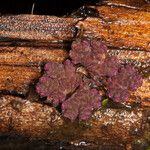
Azolla filiculoides
Pacific azolla · Azolla · Large mosquito fern · Water fern · Red azolla
Description
Source: leafsnapAzolla filiculoides, commonly known as water fern or mosquito fern, is a small aquatic plant belonging to the family Salviniaceae. Native to North and South America, it has been introduced to various parts of the world. This plant has a unique symbiotic relationship with cyanobacteria, enabling it to fix nitrogen from the atmosphere and convert it into a form usable by other plants. Water ferns are small, floating plants with fronds measuring about 1-2 cm in length. The fronds are bright green and have tiny hairs on their surfaces, which aid in floating on water. The plant reproduces through spores that can be dispersed by wind or water. Azolla filiculoides is often used as a biofertilizer in rice paddies due to its nitrogen-fixing capabilities, providing essential nutrients for rice crops. It also helps reduce greenhouse gas emissions by lessening the need for synthetic fertilizers. However, if not properly managed, Azolla filiculoides can become invasive. It grows rapidly under favorable conditions, forming dense mats on the water's surface and blocking sunlight from reaching aquatic ecosystems below. Overall, Azolla filiculoides is an intriguing aquatic plant with unique characteristics that make it valuable for agricultural use. However, careful management is required when introducing it to new environments.
🎭 Captivation, Genuineness, Enchantment
Care Guide
💧 Water Every 7 days
☀️ Light Full sun
Water fern grows best in places that receive plentiful sunlight all day, though it can also tolerate locations with milder sun. At every stage of growth, adequate sunlight maintains the plant's lively health. Using a lid or not giving enough light can stunt growth, while too much exposure may cause wilting.
What are the sunlight requirements for Water Fern?
Water Fern, or Azolla filiculoides, thrives in environments with a varied range of sunlight exposure. Full sun, which means the plant needs above 6 hours of direct sunlight per day, and partial sun, requiring about 3-6 hours of sunlight, are conducive to its growth. It is crucial to monitor the progression of sunlight through your garden to identify spots that offer an ideal mix of light and shade, which ensures the plants' well-being. Additionally, the Water Fern is adaptable and can flourish in both open, sunlit areas and indoor settings where sunlight might be less intense.
How does artificial lighting benefit indoor Water Fern plants?
Artificial lighting plays a critical role in the growth of indoor Water Fern plants, especially when natural sunlight is insufficient. This is common during winter or in less sunny spaces. Artificial lights, particularly LEDs, can be customized to emit specific wavelengths needed for optimal plant growth. Full sun plants require 30-50W/sq ft of artificial light, partial sun plants need 20-30W/sq ft, and full shade plants should get 10-20W/sq ft. Positioning the light source 12-36 inches from the plant simulates natural sunlight conditions. Moreover, most plants benefit from 8-12 hours of light per day, depending on the species' specific requirements.
What are the symptoms of light deficiency in Water Fern?
Water Ferns may exhibit several symptoms when exposed to inadequate light, which include small and lighter-colored new leaves, leggy or sparse growth, faster leaf drop, and stunted or halted growth. These signs indicate that the plant is not receiving enough sunlight to produce chlorophyll and sustain healthy development. Conversely, symptoms like chlorosis, sunscald, leaf curling, wilting, and leaf scorching are warning signs of excessive sunlight exposure. Both sets of symptoms stress the importance of finding the right balance of sunlight for Water Ferns.
What solutions are available for managing light exposure in Water Ferns?
To address light exposure issues in Water Ferns, it's essential to gradually adapt your plants to their ideal sunlight conditions. For indoor plants, moving them to a sunnier spot or using artificial lighting can improve their health. Specifically, plants should be gradually moved to locations where they receive at least 6 hours of direct sunlight daily, and artificial lighting such as desk or professional plant grow lights should be used for at least 8 hours a day. For outdoor plants, a gradual relocation to sunnier areas helps prevent sunburn. Removing obstacles that block sunlight or transplanting plants to sunnier locations can also enhance light exposure. Remember, parts of the plant that have suffered from incorrect light exposure might not recover, but new growth will be healthy with improved conditions.
🌡️ Temperature 20–35°C
Water fern is native to regions where temperatures range from 68 to 95 °F (20 to 35 °C). It prefers a warmer environment. When seasons change, consider creating a microclimate to reproduce those conditions.
What is the ideal temperature range for the Water Fern (Azolla filiculoides)?
The Water Fern thrives in climates with temperatures ranging between 68 to 95 °F (20 to 35 °C), favoring a warmer environment. To ensure the plant thrives during changing seasons, it's beneficial to create a microclimate that replicates these conditions. The Water Fern possesses some cold tolerance, not requiring additional cold protection when temperatures are above 0°C. However, if temperatures are expected to drop below freezing, temporary measures such as wrapping the plant with plastic film, fabric, or other materials should be taken for cold protection. These protective measures must be removed once the temperature rises.
How does the Water Fern react to low temperatures, and what are the solutions?
The Water Fern has moderate tolerance to low temperatures, best thriving when the temperature stays above 20°C and should be kept above 0°C during winter. If the temperature falls below -5°C, the plant's leaves may start to droop; they can recover in mild cases but will wilt and eventually fall off in severe cases. The solution to frost damage involves trimming off the frost-damaged parts of the plant. Before the onset of low temperatures again, wrap the plant with protective materials such as non-woven fabric or cloth and construct a wind barrier to shield it from cold winds.
How does the Water Fern react to high temperatures, and what should be done?
During summer, it is essential to keep the Water Fern's surrounding temperature below 35°C. Exposure to temperatures exceeding 38°C can cause the color of the leaves to lighten, lead to dry and withered leaf tips, curling leaves, and increased susceptibility to sunburn. The recommended actions in such cases include trimming away the sunburned and dried parts of the plant, relocating the plant to a shaded area away from the midday and afternoon sun, or using a shade cloth to protect it. Additionally, watering the plant in the morning and evening helps to maintain soil moisture, which is crucial during high temperatures.
💨 Humidity
🪴 Soil
🌱 Fertilizer
🪴 Pot & Repot
✂️ Pruning
Water fern is a fast-growing aquatic plant characterized by its small, floating fronds. To manage overgrowth, remove decaying fronds, and maintain water quality, regular pruning from early to late spring is essential. This practice supports a balanced ecosystem and creates optimal growth conditions for ponds and other water features.
🌿 Propagating
🐛 Diseases & pets
☠️ Toxicity
Characteristics
- Plant Type
- Herb
- Life Cycle
- Annual, Perennial
- Genus
- Azolla
- Family
- Salviniaceae
- Hardiness Zone
- 9
- Mature Height
- 8 cm
- Mature Spread
- 30 cm to 91 cm
- Leaf Color
- Green, Light Green
- Leaf Type
- Deciduous
- Bloom Time
- Spring
- Planting Time
- Spring, Summer, Autumn
- Native Area
- Chile, Turkey, Honduras, Mexico, Guatemala, Peru, Uruguay, Colombia, Paraguay, Argentina, Bolivia, Venezuela, Brazil, El Salvador, Nicaragua, Ecuador, Costa Rica