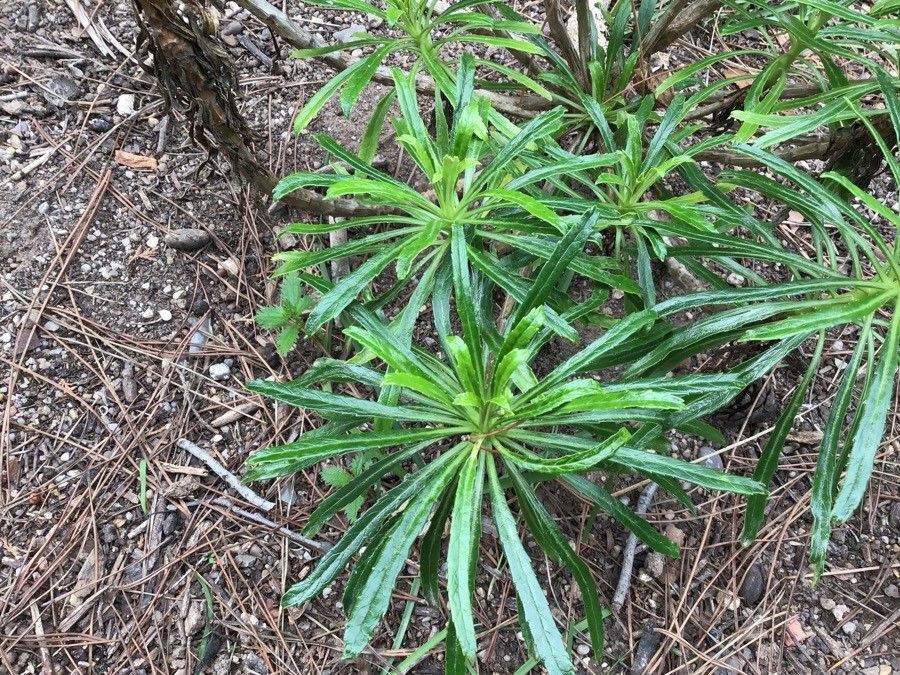
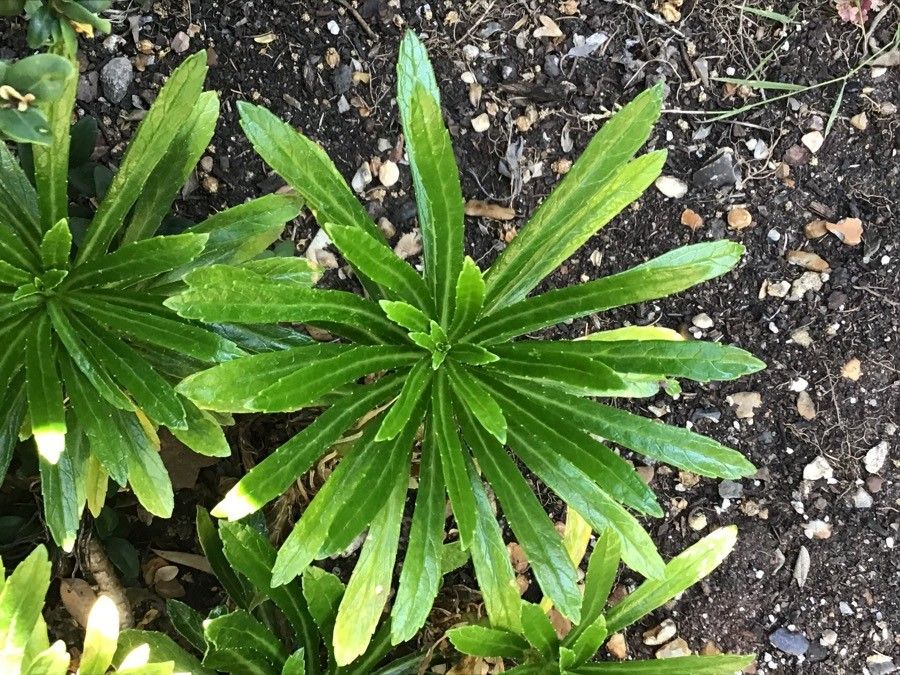
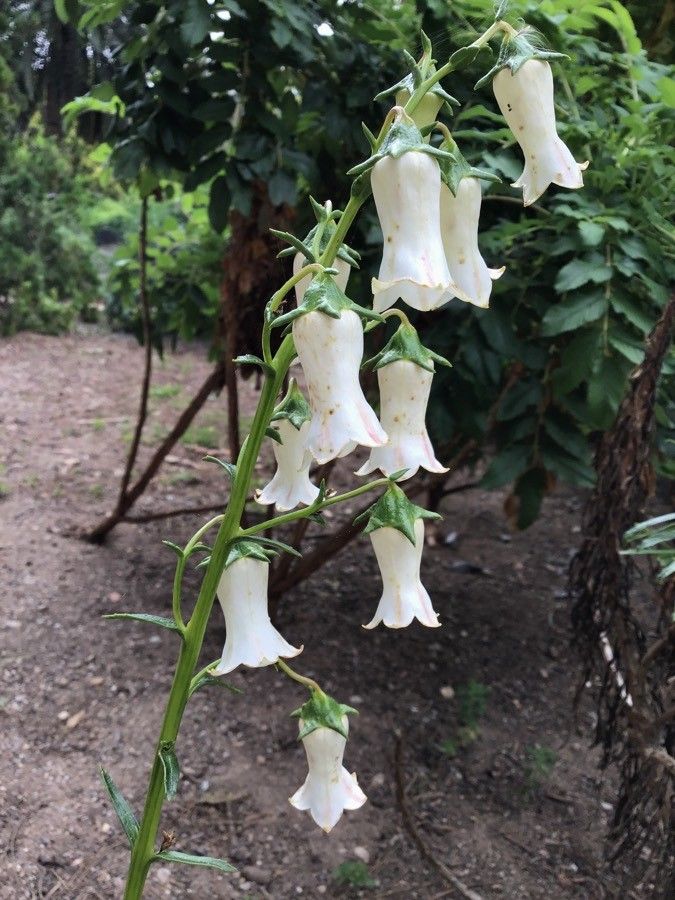
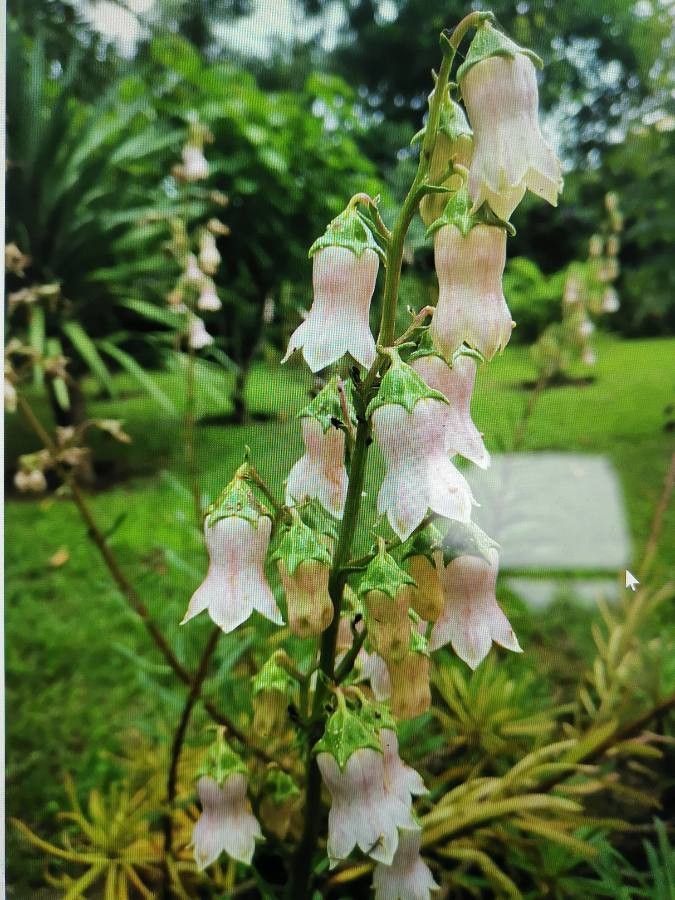
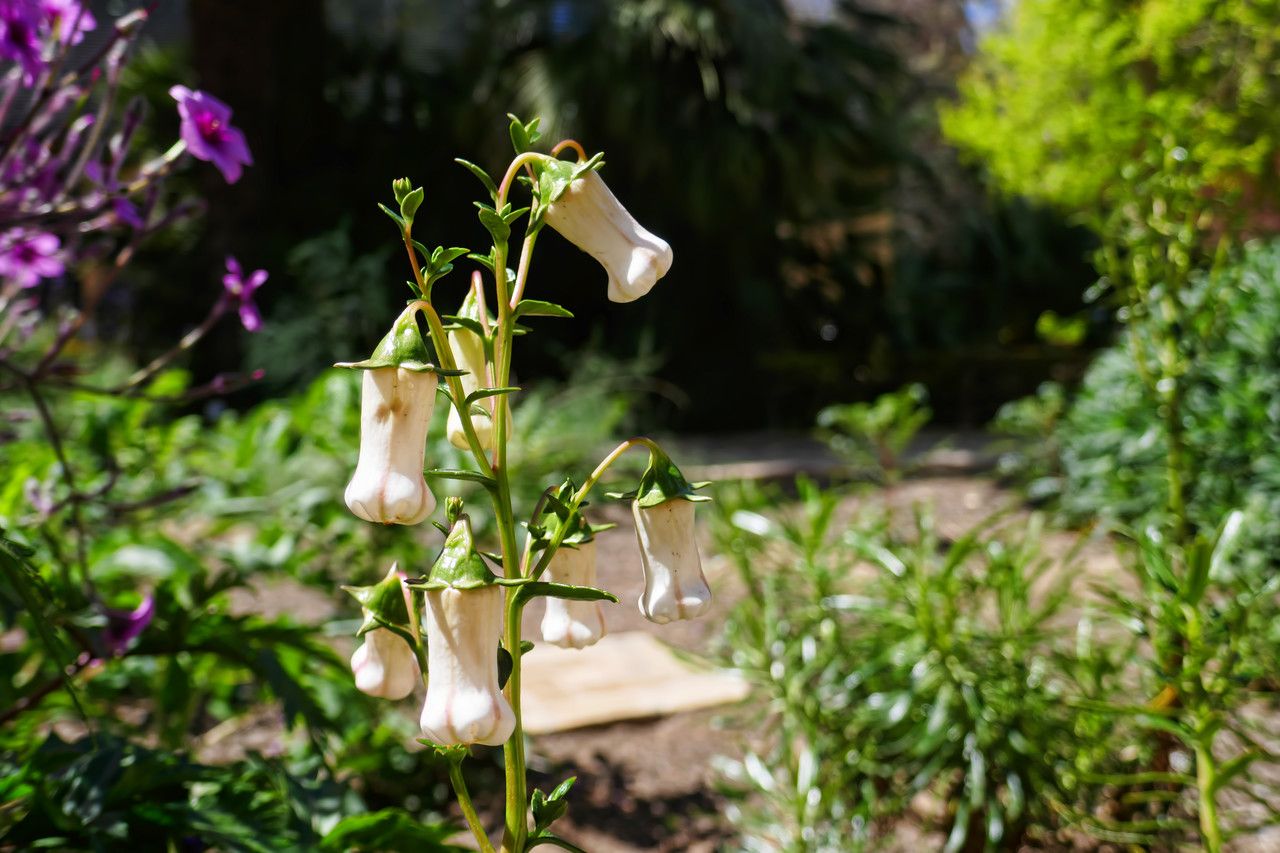
Azorina is a monotypic genus of flowering plants within the family Campanulaceae, whose sole species, Azorina vidalii, the Azores Bellflower, is endemic to the Azores. Its fragmented population is made up of fewer than 1000 mature plants limited to the coastlines of several of the islands. It is also the only species in this family native to the Azores.
Azores Bellflower is fairly disease-resistant and generally not prone to illnesses. Still, it can be affected by pests and diseases present in its environment. These problems are typically mild. Regarding care, the plant needs moderate maintenance. It should be pruned regularly to preserve a neat appearance and support healthy growth. Fertilizing can also encourage flowering. Azores Bellflower is suitable for anyone with outdoor space, such as a garden or patio, and does not require much care experience. It may need additional attention when grown indoors.
How to keep Azorina Vidalii.
Light
Azores Bellflower naturally occurs in habitats such as forest understories or rocky areas, where it receives natural shade. It prefers partial sun but can tolerate full sun or full shade, demonstrating its versatility and hardiness.
Water
Azorina vidalii is native to rocky coastlines and is well-suited to environments with intermittent water availability. Its succulent nature allows it to tolerate drought, so it only needs moderate watering about once a week. Indoors, higher humidity levels can improve the vigor of its leaves. Providing sufficient moisture during the growing season can further enhance its growth and boost its flowering potential.
Fertilizer
One application of fertilizer in spring is usually enough for Azores Bellflower, though multiple feedings can maximize growth. Fertilize every month to a month and a half. Fertilization improves leaf appearance and function, promoting consistent color and a healthy texture. It also encourages root growth and nutrient uptake for long-term plant health.
Pruning
To ensure Azorina vidalii thrives, it's important to prune it properly. The best time to do this is in early spring, before new growth begins. Focus on removing dead branches and shaping the plant to improve airflow. Using clean, sharp tools will help prevent damage. This approach encourages healthy development and enhances blooming, resulting in a robust and attractive plant.
Botanical profile.
- Plant Type
- Herb
- Life Cycle
- Perennial
- Genus
- Azorina
- Family
- Campanulaceae
- Hardiness Zone
- 9-11
- Mature Height
- 30 cm to 61 cm
- Mature Spread
- 30 cm to 46 cm
- Leaf Color
- Green
- Leaf Type
- Evergreen
- Flower Color
- Lavender
- Flower Size
- 2.03 cm to 3.05 cm
- Bloom Time
- Summer, Early fall, Mid fall
- Planting Time
- Spring, Summer, Autumn
- Harvest Time
- Late summer, Fall, Early winter
Other names.