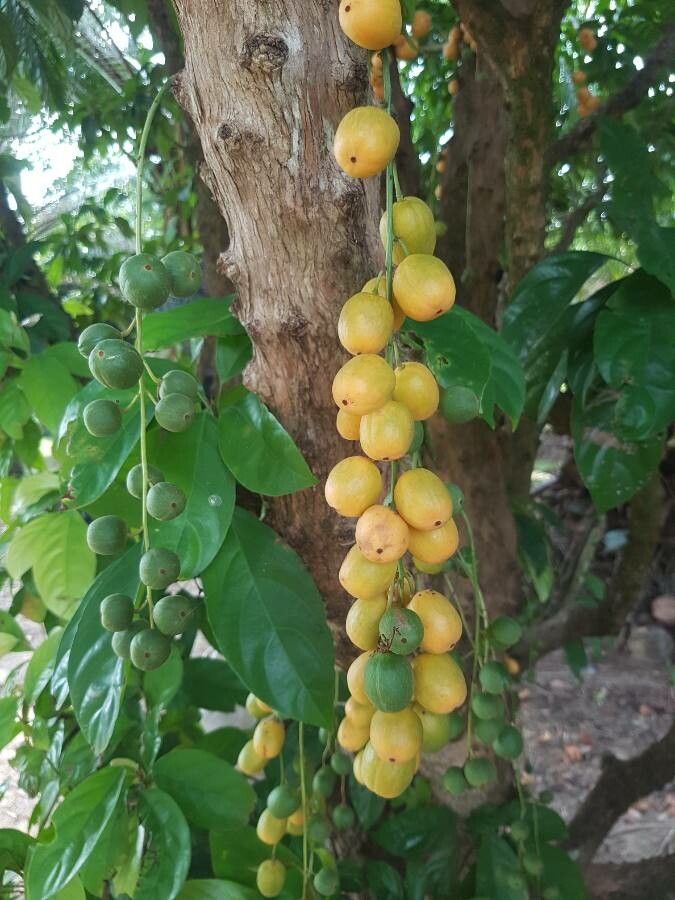
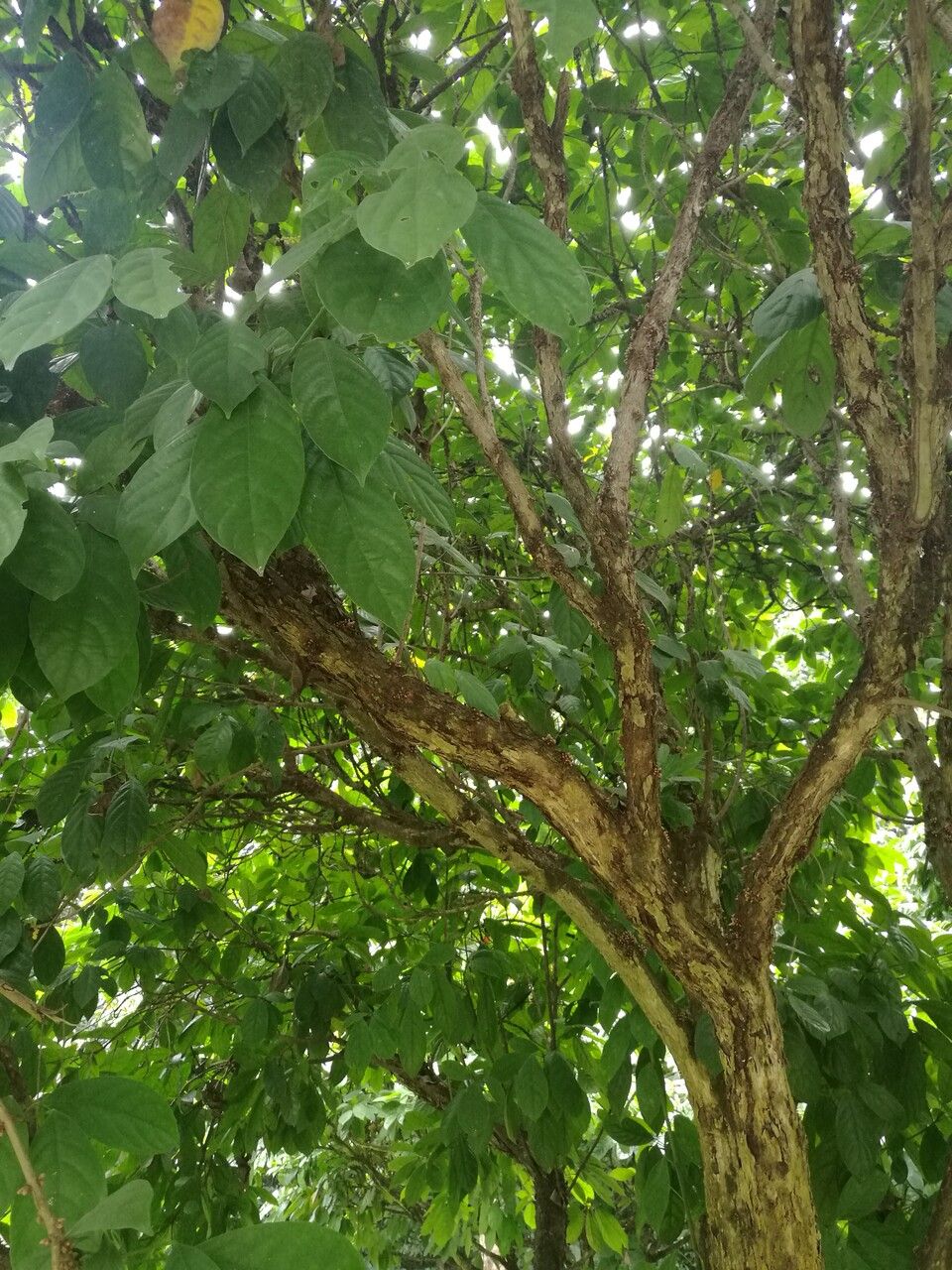
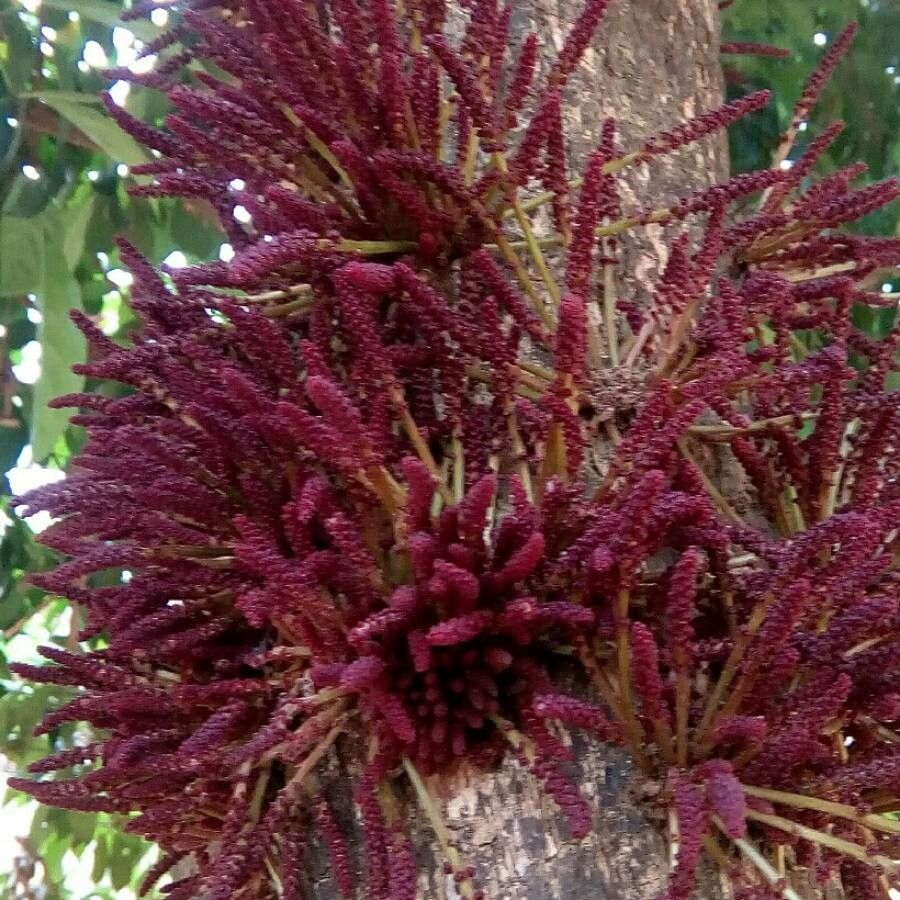
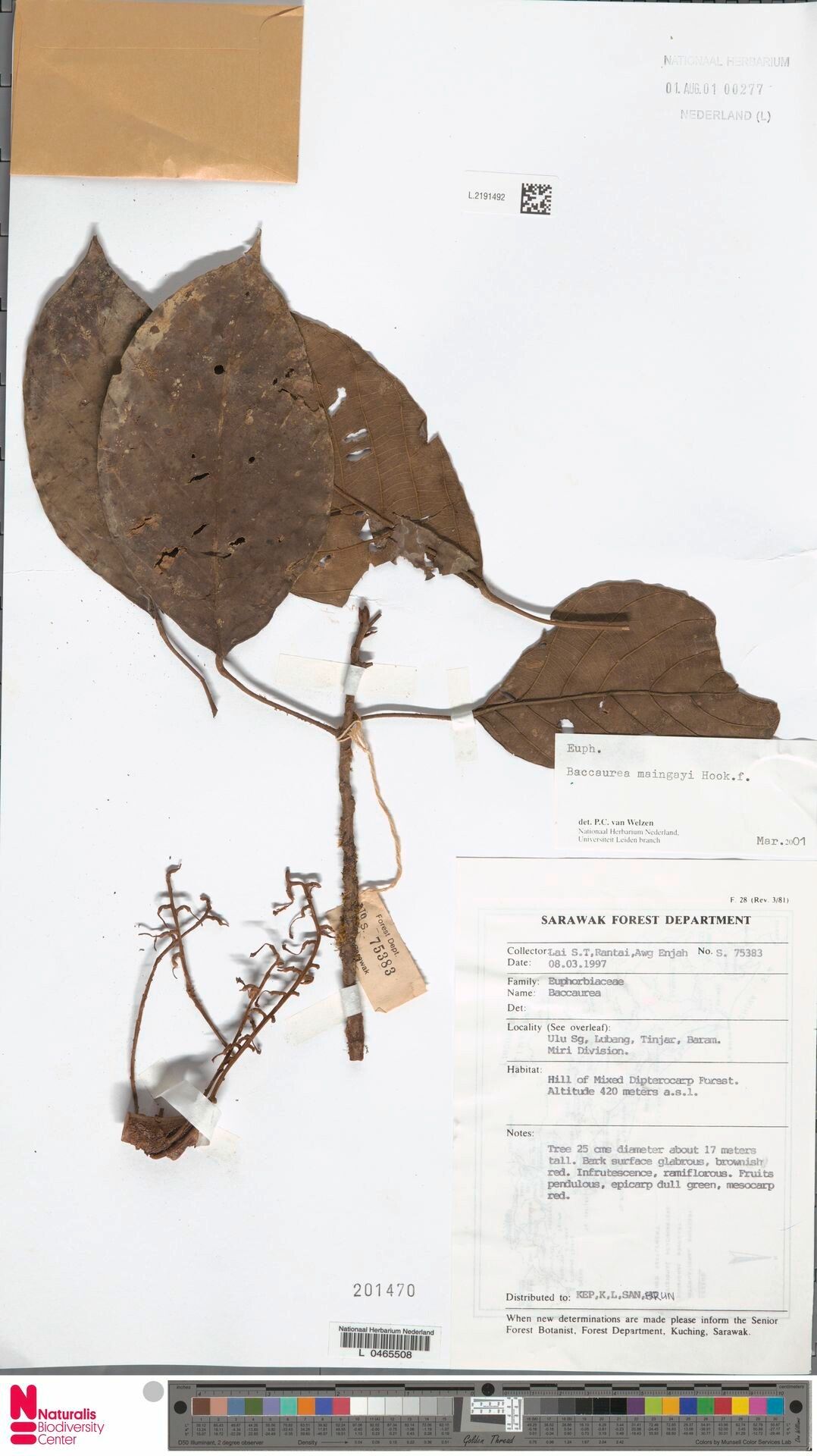
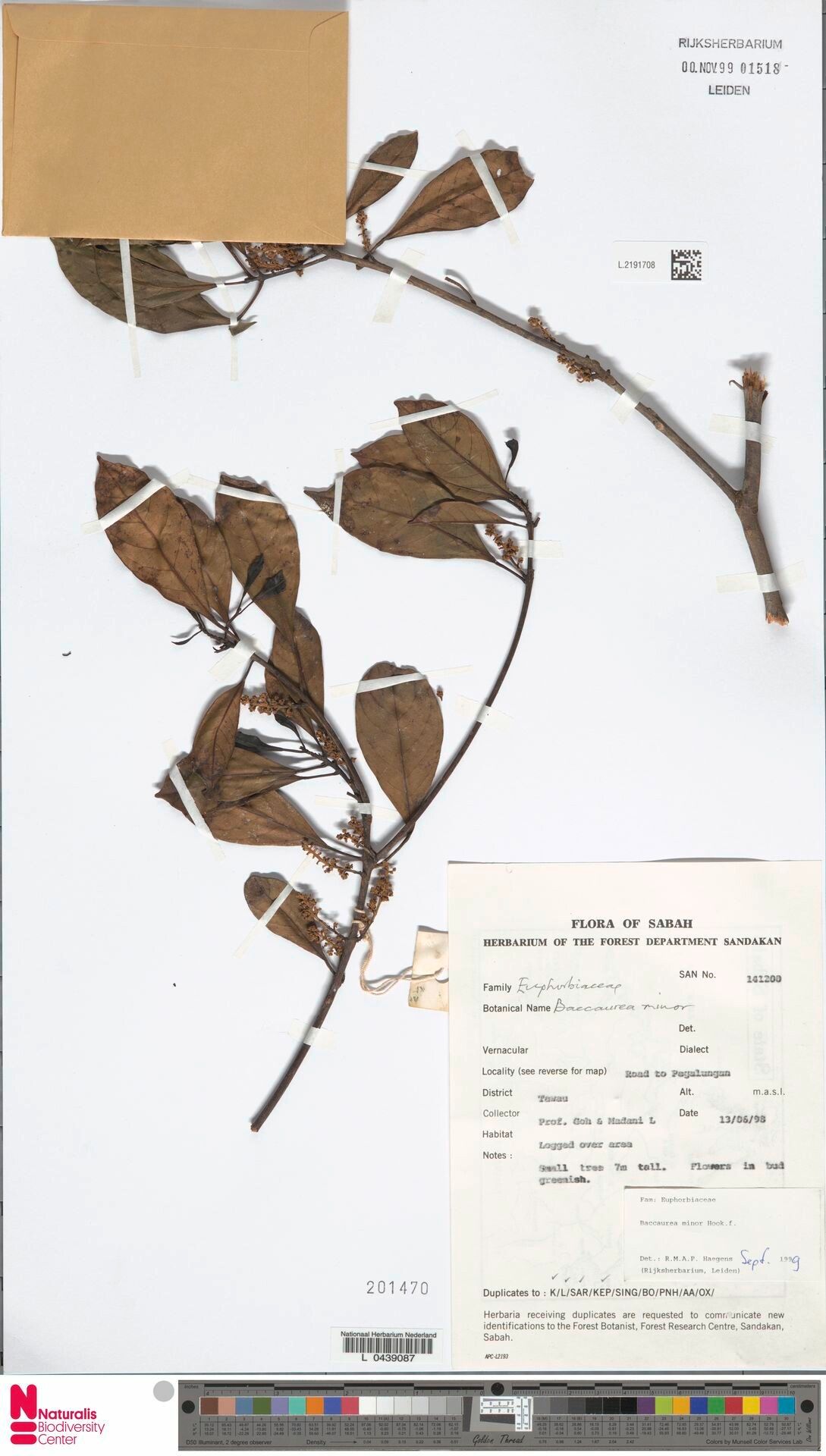
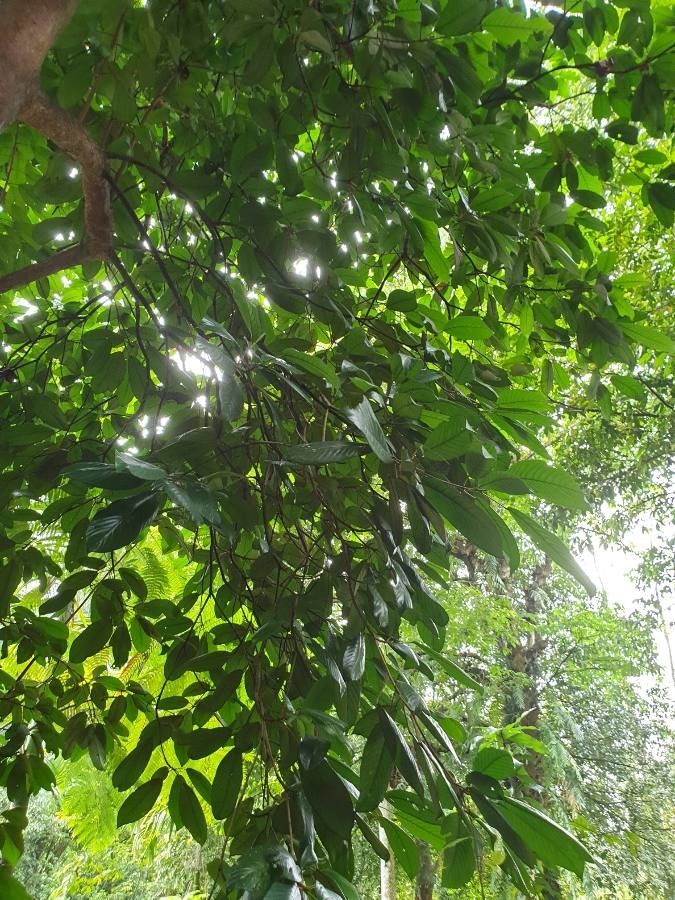
Baccaurea ramiflora, commonly known as the Burmese grape and locally as "Kadu" in Malaysia, is a tropical fruit tree belonging to the family Phyllanthaceae. It is native to Southeast Asia and can be found in countries such as Thailand, Malaysia, Indonesia, and Myanmar.
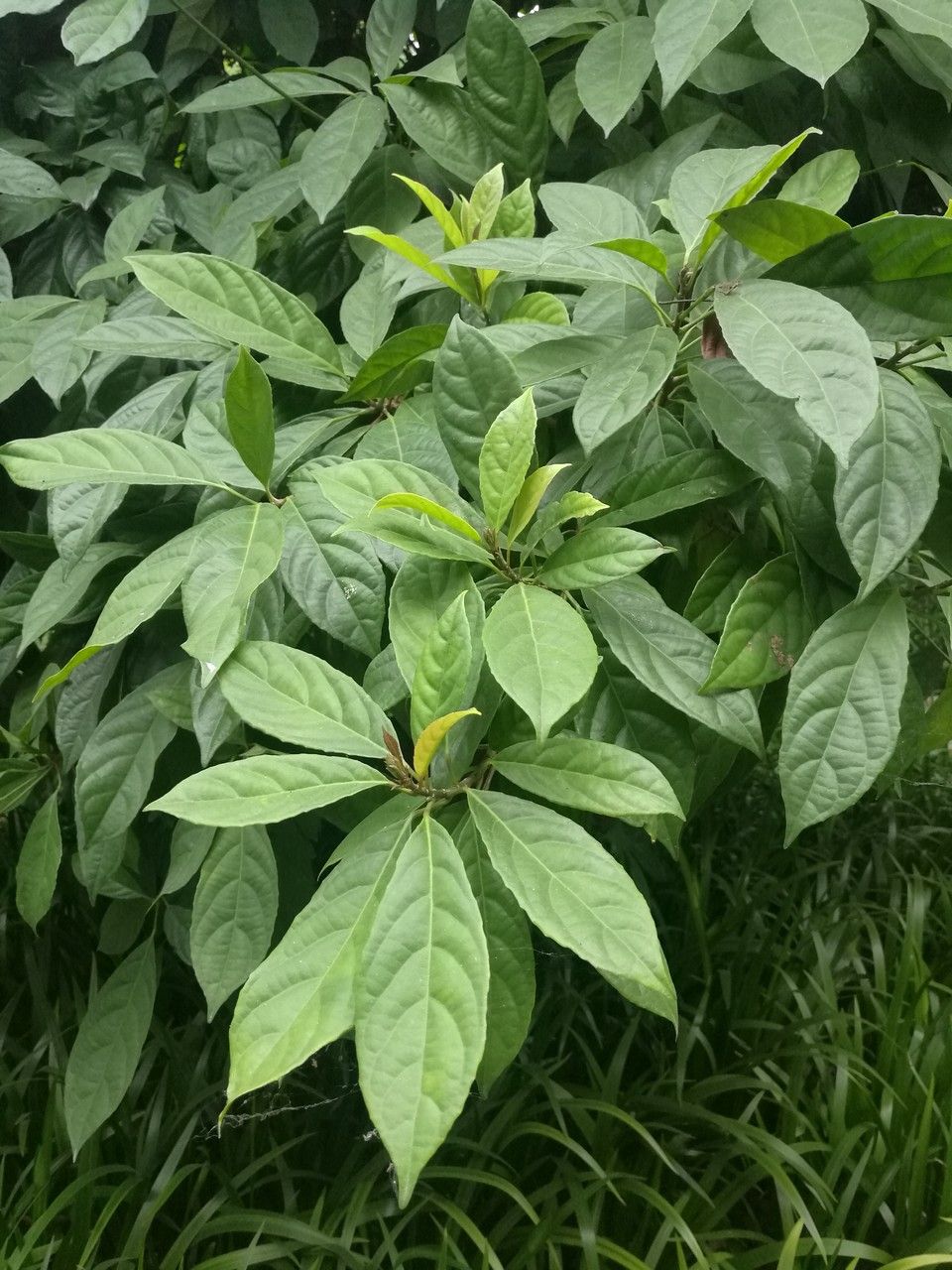
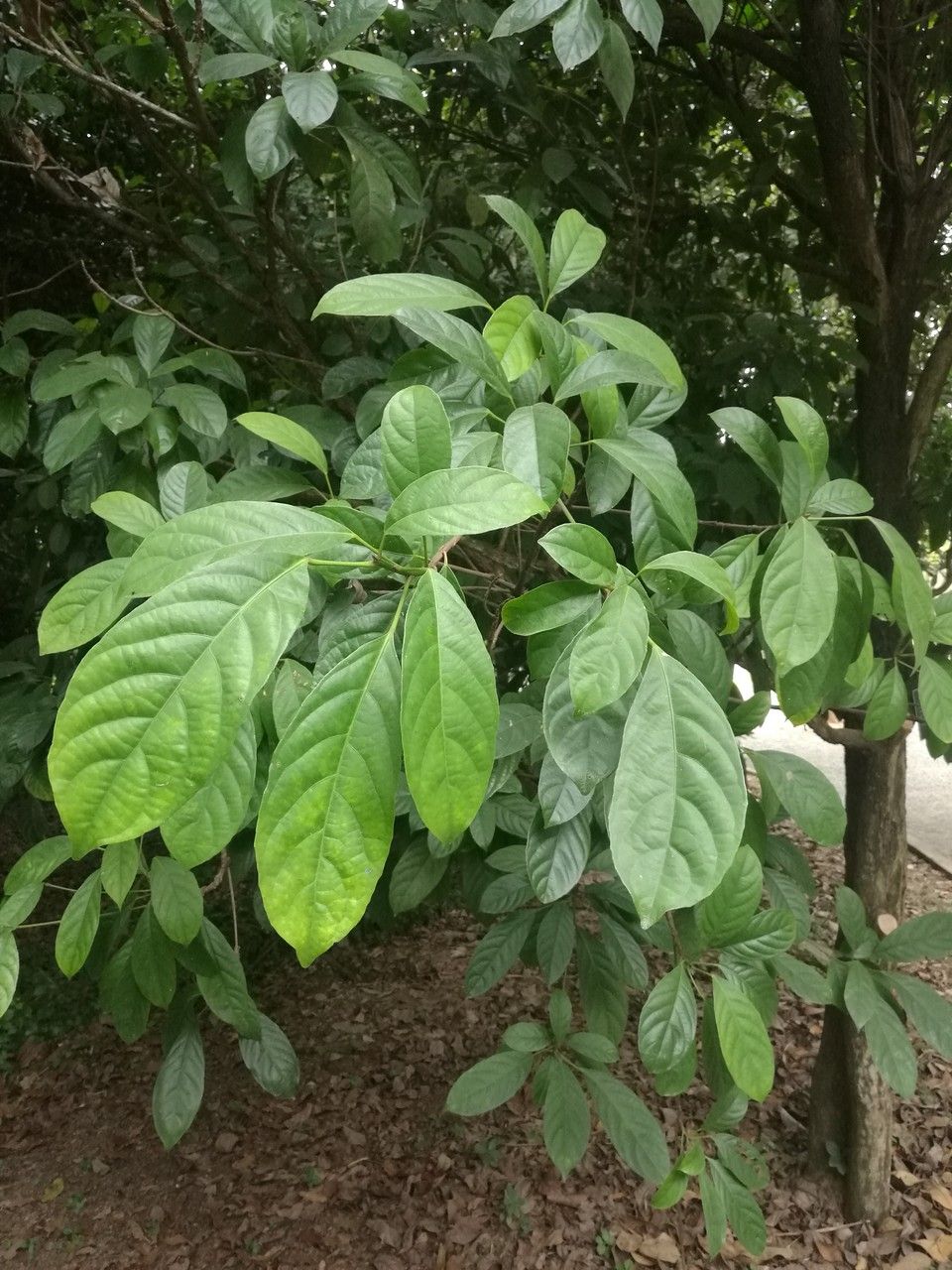
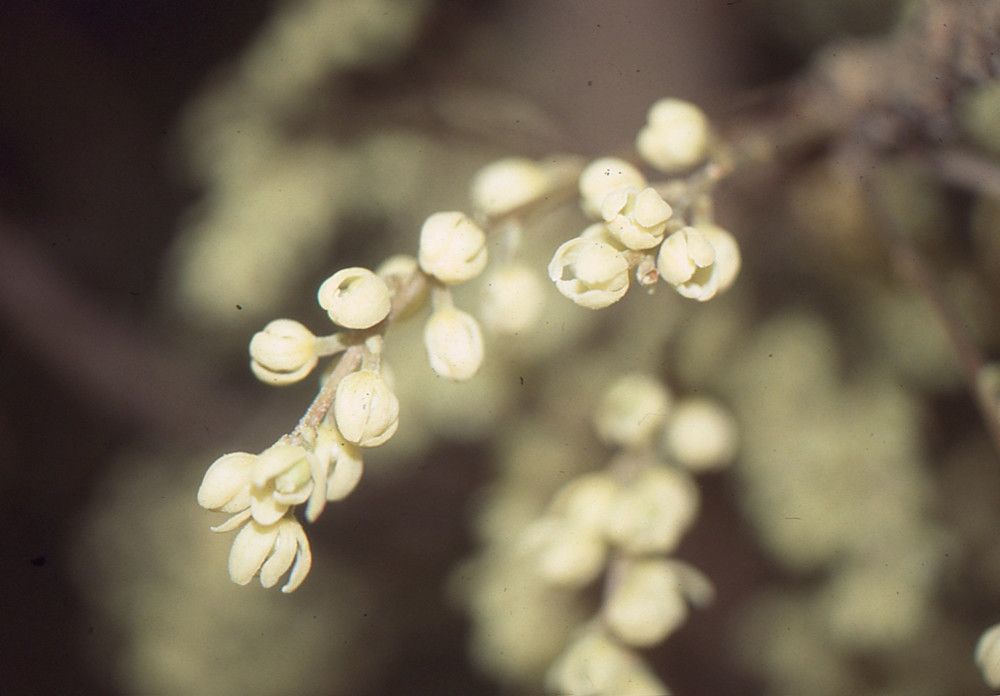
The tree can grow up to 20 meters tall with a trunk diameter of up to 60 cm. Its large, glossy leaves can reach up to 30 cm in length and 15 cm in width. The small flowers are greenish-yellow in color.
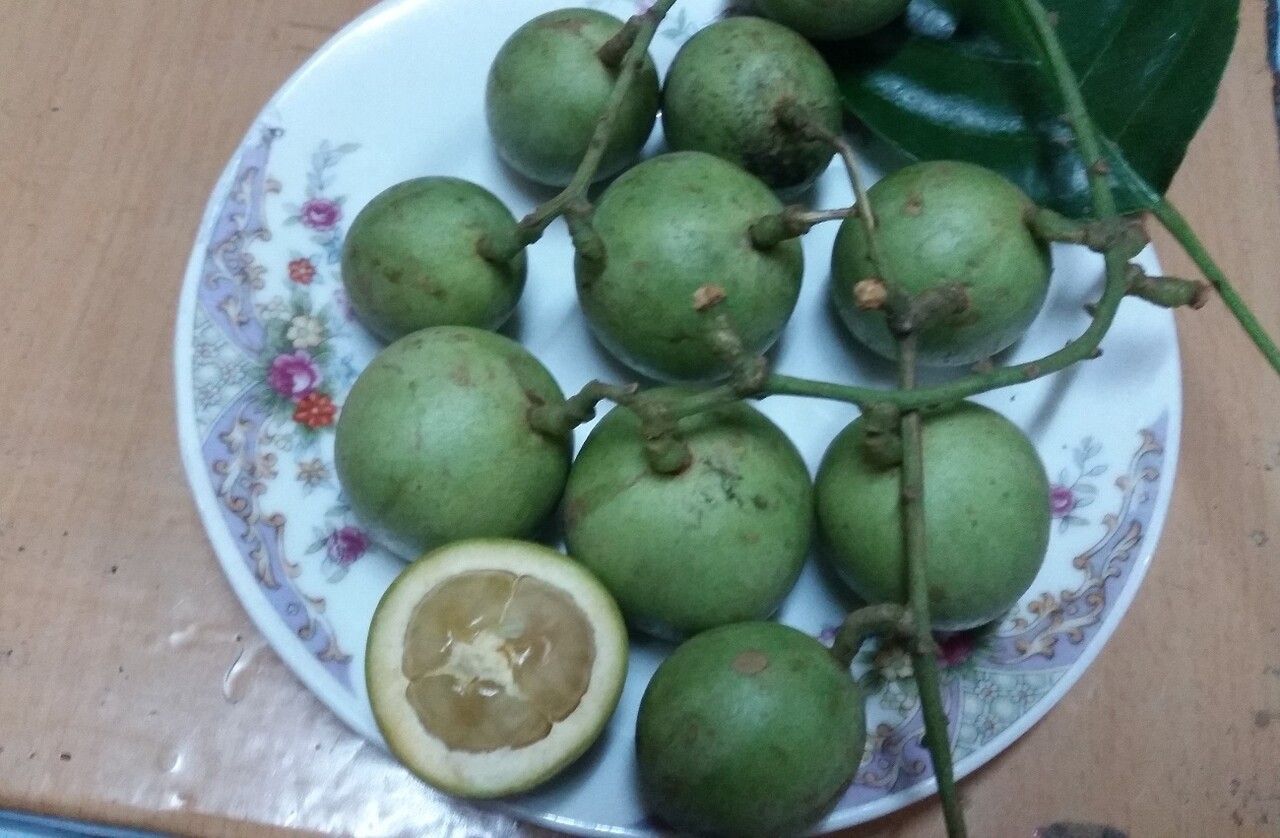
The fruit produced by Baccaurea ramiflora is round or oval-shaped with a diameter of about 2-3 cm. It has an edible pulp that ranges from sweet to sour, depending on its ripeness.
Traditionally, Baccaurea ramiflora has been used for medicinal purposes such as treating fever, diarrhea, dysentery, and other ailments, thanks to its high antioxidant content.
This plant prefers well-drained soil under full sun exposure but can also tolerate partial shade. It requires regular watering during dry seasons but should be avoided during rainy seasons due to its susceptibility to root rot disease.
Overall, the Baccaurea ramiflora plant provides both nutritional benefits through its edible fruits and medicinal properties, making it an important species within Southeast Asia’s biodiversity conservation efforts.
The Burmese grape is resistant to disease and typically does not suffer from illnesses. As for care, this plant is fairly low-maintenance. When grown outdoors it needs only light watering, and larger plants usually do not require pruning. Smaller plants, however, should be pruned after they finish blooming. The Burmese grape is well suited for anyone who has outdoor space, such as a garden or a deck, and it does not demand a lot of gardening experience.
How to keep Baccaurea Ramiflora.
Light
The burmese grape prospers in very sunny conditions, which are crucial for its healthy development. Originating from regions with abundant sunlight, this plant can tolerate intense sun without harm. However, a prolonged lack of sun leads to stunted growth.
Water
The Burmese grape thrives in humid environments with consistent moisture. To prevent over-saturation, it benefits from watering every two weeks. As an evergreen plant, it maintains its foliage throughout the year and requires careful water management, especially when grown outdoors, to ensure healthy growth.
Temperature
Burmese grape is native to environments where temperatures range from 68 to 105.8 °F (20 to 41 ℃). It prefers these warm climates but can alter its growth patterns in response to seasonal changes if necessary.
Fertilizer
Use organic fertilizers (for example, fish emulsion or compost) instead of chemical fertilizers for Burmese grape. Give young plants higher amounts of nitrogen and phosphorus in spring. Work compost or fertilizer into the soil before or after planting. For mature plants, apply a balanced fertilizer or one targeting specific deficiencies in spring. Nutrient deficiency produces small leaves, short branches, yellow or bronze foliage, acidic fruits, early fruit drop, and fruit splitting.
Pruning
The Burmese grape is a tropical fruit-bearing plant that thrives when pruned from early to late spring. Pruning helps to remove dead branches and improve air circulation. Regular pruning encourages healthy growth and results in larger fruits. However, be careful not to prune too much, as this can stress the plant. Always use sterile tools to prevent the spread of disease.
Botanical profile.
- Plant Type
- Tree
- Life Cycle
- Perennial
- Genus
- Baccaurea
- Family
- Phyllanthaceae
- Hardiness Zone
- 10-13
- Mature Height
- 7.62 m to 22.86 m
- Mature Spread
- 25 cm to 61 cm
- Leaf Color
- Green
- Leaf Type
- Evergreen
- Flower Color
- Yellow, Green, Brown
- Flower Size
- 2.54 cm
- Bloom Time
- Late spring, Early summer, Mid summer
- Planting Time
- Spring, Summer, Autumn
- Harvest Time
- Late summer, Early fall, Mid fall
- Native Area
- India, Malaysia, Cambodia, Vietnam, Myanmar, Bangladesh, Laos, Thailand, China
Other names.
Reader questions.
What are the sunlight requirements for Burmese grape plants?
Burmese grape plants require above 6 hours of sunlight to thrive, indicating a need for full sun conditions. It's crucial to observe how sunlight moves through your garden to ensure plants receive the perfect balance of light and shade, as achieving this balance is vital for their happiness and growth. The essence of cultivating a healthy Burmese grape lies in its exposure to intense sunny conditions, which significantly contribute to its vigorous growth. These plants are resilient under severe sunlight without suffering detrimental effects, although a chronic lack of sun can lead to stunted growth.
What is the native environment and temperature preference of the Burmese grape?
The Burmese grape, also known as Baccaurea ramiflora, is native to environments that enjoy warm climates with temperatures ranging from 68 to 105.8 °F (20 to 41 °C). It thrives in these warm conditions but can adjust its growth patterns to accommodate seasonal changes if necessary. The plant is extremely heat-loving, with cold temperatures posing a risk to its health. During autumn, it's advised to bring outdoor-grown Burmese grapes indoors, placing them near a bright window, while ensuring they are not too close to heaters. Keeping the temperatures above 20°C during winter is important for the plant's growth, as temperatures nearing 5°C are harmful.
How can artificial lighting support the growth of indoor Burmese grape plants?
Indoor Burmese grape plants require adequate lighting to substitute for natural sunlight, especially during winter or in less sunny spaces. Artificial lights provide an essential solution, promoting faster, healthier growth. LED lights are recommended due to their ability to be customized to provide specific wavelengths needed by plants. Full sun plants need 30-50W/sq ft of artificial light, partial sun plants need 20-30W/sq ft, and shade plants need 10-20W/sq ft. The light source should be placed 12-36 inches above the plant to mimic natural sunlight and kept on for 8-12 hours per day to replicate natural day length.
How should you care for a Burmese grape in low temperatures?
Burmese grape prefers warm temperatures and doesn't tolerate low temperatures well, thriving best when the temperature remains above 20°C. During the winter season, the plant should be kept in conditions where the temperature is above 5°C. Exposure to temperatures below 1°C can cause the leaves to lighten in color, and following frost damage, they may turn brown or black with symptoms such as wilting and drooping appearing. To manage frost damage, you should trim off the affected parts and move the plant indoors to a warmer environment for protection against the cold. Positioning the plant near a south-facing window can ensure it receives ample sunlight. Additionally, it's crucial to avoid placing the plant near heaters or air conditioning vents, as this can lead to excessively dry air.
What are the symptoms of light deficiency in Burmese grape plants?
Symptoms of light deficiency in Burmese grape plants include smaller new leaves, leggy or sparse growth, faster leaf drop, slower or halted new growth, lighter-colored new leaves, chlorosis, sunscald, leaf curling, wilting, and leaf scorching. These symptoms indicate the plant is not receiving adequate sunlight, leading to a range of issues such as weakened structure, reduced green coloration due to lack of chlorophyll, damage from intense sunlight, and reduced photosynthetic capacity. Observing these symptoms can prompt the cultivation of strategies to increase light exposure, thereby improving plant health.
What care is recommended for a Burmese grape in high temperatures?
During the summer, it's important to ensure that the Burmese grape is kept at temperatures below 41°C to avoid heat stress. If the temperature exceeds 45°C, the leaves of the plant may become lighter in color and are more prone to sunburn. To mitigate the effects of high temperatures, trim away the sunburned and dried parts of the plant. Then, move it to a location that offers shade during the midday and afternoon sun, which can help protect the plant from overheating. Additionally, watering the plant in the morning and evening will help keep the soil moist and further assist in managing the heat.
How can I mitigate the symptoms of light deficiency and optimize growth for my Burmese grape plant?
To mitigate light deficiency and optimize Burmese grape plant growth, gradually acclimate your plant to sunnier locations until it receives at least 6 hours of direct sunlight daily. For indoor plants, use a south-facing window or artificial light sources, such as desk lamps or professional grow lights, for at least 8 hours daily. Outdoors, move plants gradually to sunnier spots to avoid sunburn. Prune any obstructions like tree branches to allow more sunlight to reach the plants. If necessary, transplant smaller plants to sunnier locations with good drainage during their dormant period. Remember, while parts of the plant affected by light deficiency may not recover, new growth will be healthy with increased light exposure.