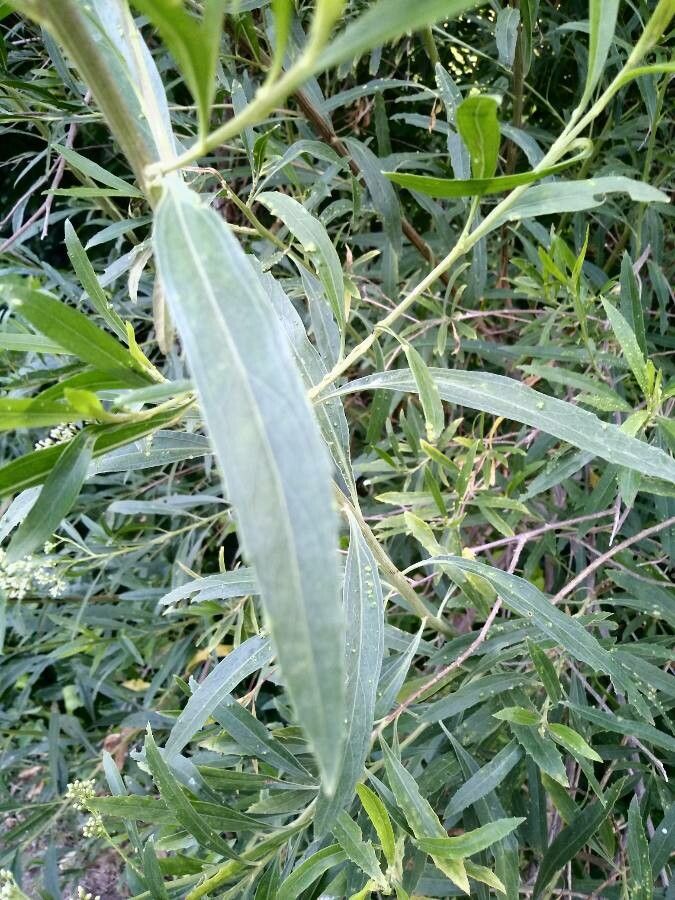
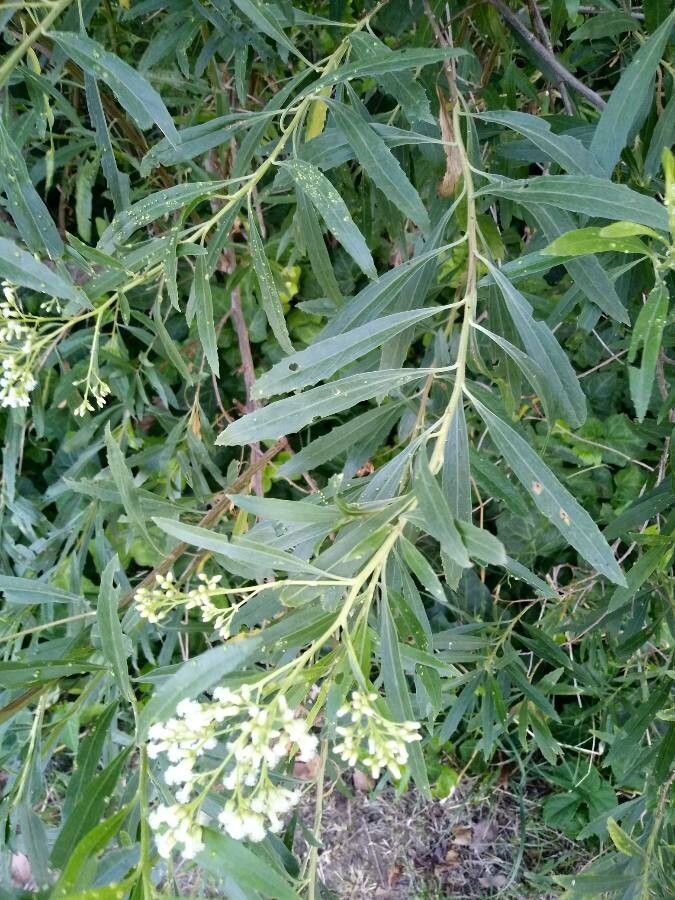
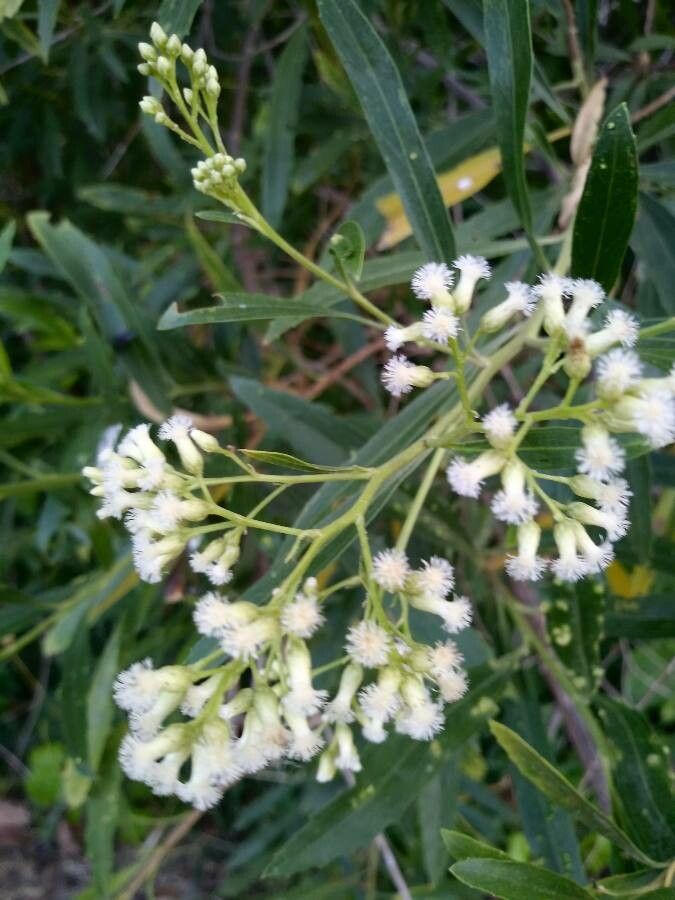
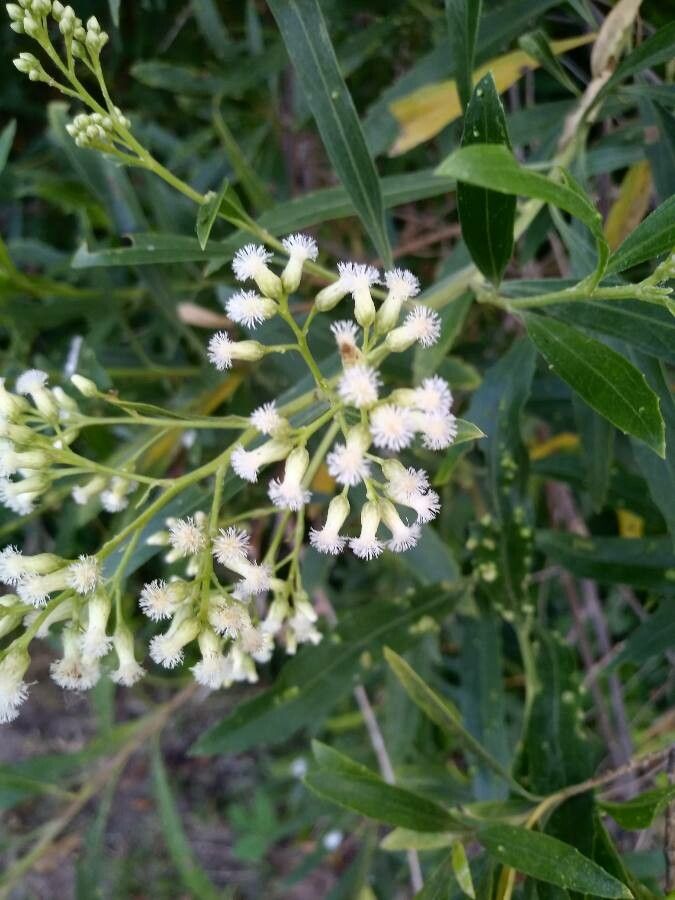
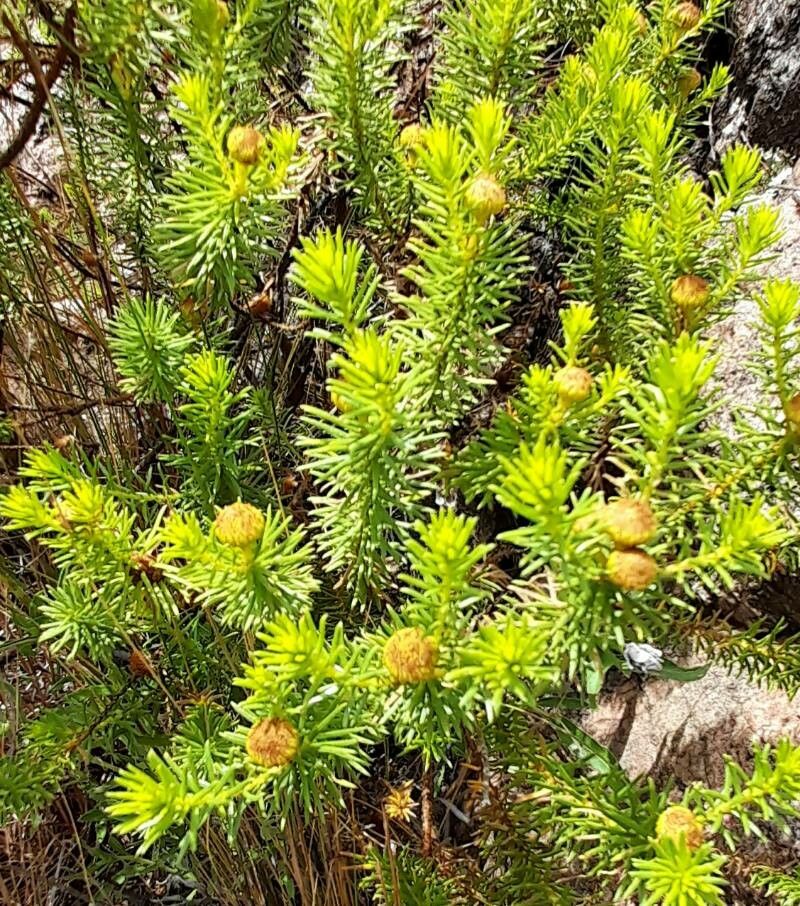
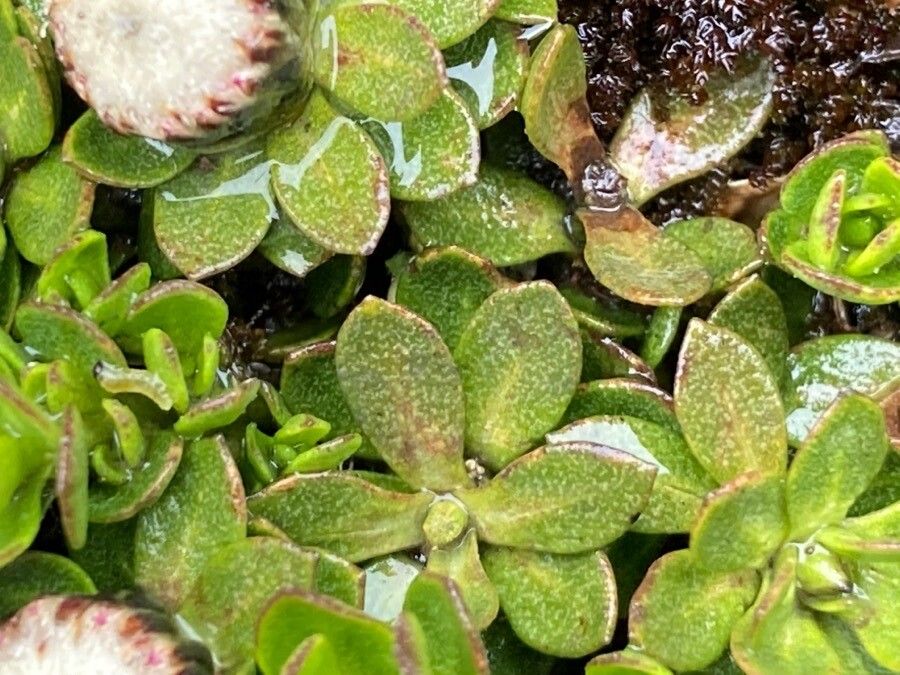
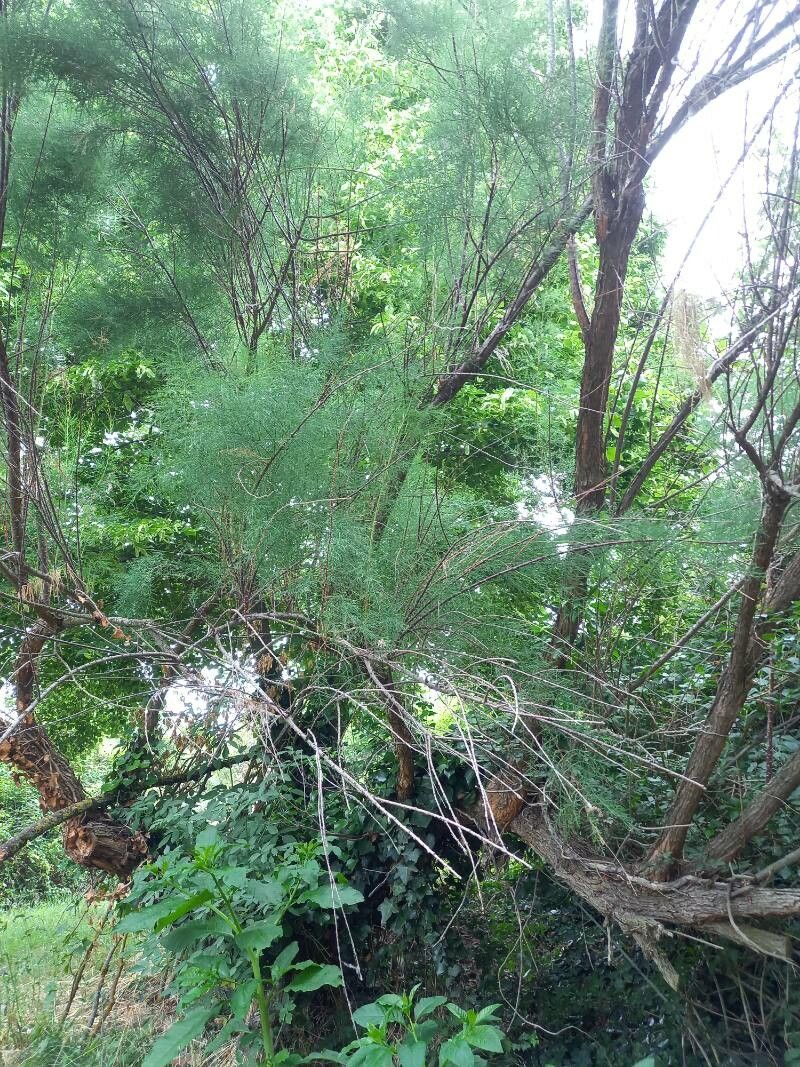
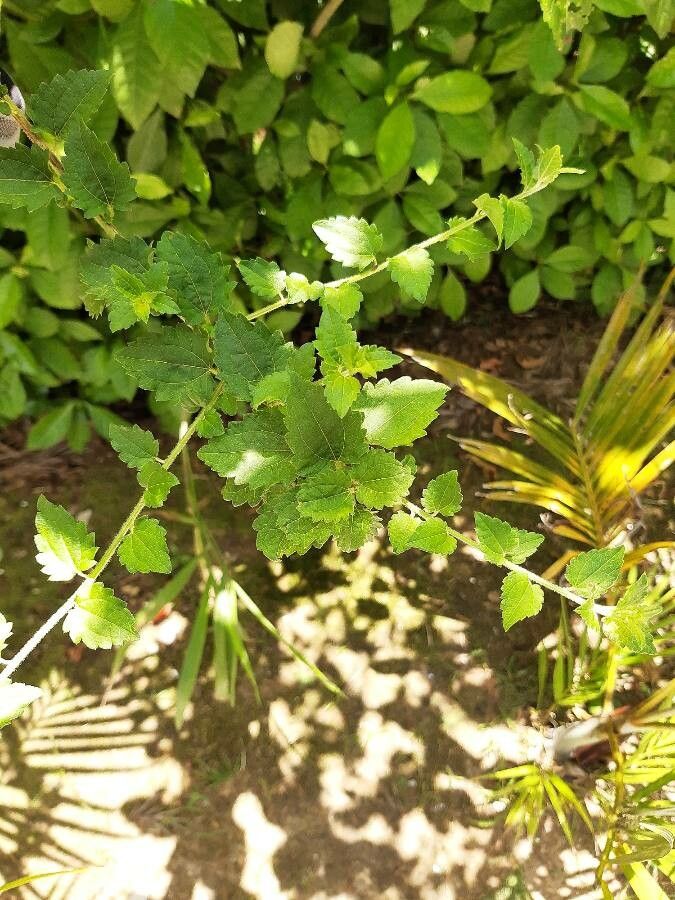
Baccharis is a genus of perennials and shrubs in the aster family (Asteraceae). They are commonly known as baccharises but sometimes referred to as "brooms", because many members have small thin leaves resembling the true brooms. They are not at all related to these however, but belong to an entirely different lineage of eudicots. B. halimifolia is commonly known as "groundsel bush", however true groundsels are found in the genus Senecio.
Chilca is disease-resistant and is usually not vulnerable to illnesses. Regarding care, this plant is fairly low-maintenance. When grown outdoors it needs little watering, and larger plants typically do not require pruning. Smaller plants, however, should be pruned after they finish blooming. Chilcat is suitable for anyone who has an outdoor area, such as a garden or deck, and does not need extensive plant-care experience.
How to keep Baccharis Latifolia.
Light
The chilca is a plant that prospers in regions where sunlight is particularly strong. Such light supplies the chilca with the energy needed for photosynthesis and vigorous growth. Although it does not need shade tolerance, too much sun can lead to scorching. In its native range, the chilca demonstrates a notable adaptation to brightly lit environments.
Water
Chilca is well-suited for arid regions due to its high drought tolerance, requiring only infrequent watering. To keep it healthy, water chilca every 2 to 3 weeks. It thrives outdoors, especially in soil with moisture levels similar to those found in its native dry climate.
Temperature
Chilca comes from tropical areas, where the climate is generally warm and humid. As a result, it is well suited to high heat and humidity. It does not tolerate sudden temperature changes and prefers a stable thermal environment, so it is important to avoid temperature fluctuations indoors. It usually cannot withstand cold and needs warmer temperatures to grow. If the surrounding temperature falls too low, the plant may stop growing or even die.
Fertilizer
Fertilization is essential for Chilca care. Regular feeding throughout the growing season maintains the energy required for its showy leaves and supports overall growth. Neglecting fertilization can lead to unhealthy leaves, reduced ornamental value, and stunted or weak growth that is more likely to break.
Pruning
Chilca is a woody shrub with broad leaves. To manage its growth and shape, prune the plant from early to late winter. This involves removing dead branches, which enhances air circulation and promotes new growth. Regular pruning revitalizes chilca, maintaining its vigor and ornamental value.
Botanical profile.
- Plant Type
- Shrub
- Life Cycle
- Perennial
- Genus
- Baccharis
- Family
- Asteraceae
- Hardiness Zone
- 9-11
- Mature Height
- 2.13 m to 3.96 m
- Mature Spread
- 2.13 m to 3.05 m
- Leaf Color
- Dark Green
- Leaf Type
- Evergreen
- Flower Color
- White
- Flower Size
- 0.51 cm to 1.02 cm
- Bloom Time
- Late summer, Early fall, Mid fall
- Planting Time
- Spring, Summer, Autumn
- Harvest Time
- Mid fall, Late fall, Early winter
- Native Area
- Colombia, Bolivia, Venezuela, Peru, Ecuador
Reader questions.
How much sunlight does Chilca require?
Chilca thrives when exposed to full sun, meaning it should receive above 6 hours of sunlight daily. It's important to observe how sunlight moves through your garden to find spots with the perfect balance of light and shade. This ensures plants get the energy needed for photosynthesis and robust growth without the risk of scorching.
Can Chilca grow indoors and how?
Yes, Chilca can grow indoors by ensuring it receives adequate lighting, especially in areas where natural sunlight is insufficient. Artificial lighting, such as LED lights, can be used to supplement light, needing 30-50W/sq ft for full sun plants. The artificial light source should be placed 12-36 inches above the plant for 8-12 hours per day to mimic natural sunlight conditions and promote healthy growth.
What are the signs of insufficient light in Chilca?
Signs of insufficient light in Chilca include small leaves, leggy or sparse growth, faster leaf drop, slower or no new growth, and lighter-colored new leaves. These symptoms indicate that the plant is struggling with the available light, hindering its development and overall health.
What should I do if my Chilca shows signs of insufficient sunlight?
For indoor Chilca plants showing signs of insufficient sunlight, gradually move them to a sunnier location, ensuring they receive at least 6 hours of direct sunlight daily, or use artificial light sources like desk lamps or professional grow lights for at least 8 hours daily. Outdoor Chilca plants should be moved to sunnier spots gradually to avoid sunburn. Consider pruning or transplanting to reduce obstructions and increase sunlight exposure. Although parts of the plant affected by lack of sunlight may not recover, new growth should be healthy with increased light exposure.
How does Chilca react to excessive sunlight?
While Chilca is adapted to thrive in full sunlight, excessive exposure can lead to symptoms like chlorosis, sunscald, leaf curling, wilting, and leaf scorching. These signs indicate that the plant is receiving more sunlight than it can handle, which negatively impacts its ability to photosynthesize and maintain overall health.