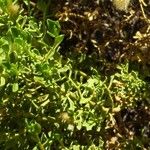
Baccharis pilularis
Coyotebrush · Chaparral-broom · Dwarf chaparral false willow · Wine Bush · Dwarf chapparal broom
Description
Source: leafsnapBaccharis pilularis, commonly known as coyote brush or chaparral broom, is a shrub species native to western North America. Belonging to the Asteraceae family, this plant can grow up to 10 feet tall. It features small green leaves and produces small white or pink flowers in the fall. Typically, it is found in coastal sage scrub, chaparral, and oak woodland habitats. For centuries, Native American tribes have utilized coyote brush for medicinal purposes, such as treating colds and coughs. Additionally, the plant provides crucial habitat for wildlife, including birds and insects. In landscaping, Baccharis pilularis is often employed as ground cover or a hedge due to its drought tolerance and low maintenance requirements. However, if not properly managed, it can become invasive in some areas. Overall, Baccharis pilularis plays a significant role in the ecology of western North America. It offers practical uses for humans through traditional medicine and landscaping applications.
🌳 Coyote brush serves as an important host plant for several beneficial insect species, thereby contributing to improved health and diversity in ecosystems. It provides food for the larvae of certain butterfly and moth species, such as the field crescentspot and painted lady butterflies. In addition, its dense, hardy growth makes coyote brush a suitable choice for windbreaks, privacy hedges, and erosion control in landscaping and habitat restoration projects.
Care Guide
💧 Water Every 7 days
Coyote brush thrives on coastal bluffs and dry slopes, favoring dry, drought-resistant conditions. To prevent overwatering, provide moisture every 1-2 weeks. As an outdoor plant, it excels in coastal climates with wet winters and dry summers, optimizing both growth and water efficiency.
How should I water my Coyote brush?
Watering your Coyote brush is not complicated. You can use any common watering tool, such as watering cans, hoses, or cups, to moisten the soil. It's important to water directly onto the soil and make sure all areas are evenly moistened for the root system. Filtered water is recommended, as tap water may contain harmful particles. Additionally, using water at or slightly above room temperature is best, as extremely cold or hot water can be shocking to the plant. However, the Coyote brush generally does well with any type of water.
What do I do if I give my Coyote brush too much or too little water?
Outdoor plants, especially newly planted ones or seedlings, can be prone to not getting enough water. It's important to water them adequately for the first few months, especially when they are small or recently planted. Once the roots are established, coyote brush can usually rely on rain for moisture. When coyote brush is planted in pots, overwatering is often a problem. If you accidentally overwater your coyote brush, you should take immediate action to fix the situation. Firstly, stop watering the plant to minimize the damage. Then, carefully remove the plant from its pot to check the roots. If root rot is not present, you can put the plant back in the pot. However, if there are signs of root rot, trim the affected roots and consider using a fungicide to prevent further damage. Lastly, replant the coyote brush in well-draining soil. On the other hand, if your coyote brush is underwatered, simply increase the frequency of watering. Underwatering is usually an easy fix as the leaves will droop, dry out, and fall off. After sufficient watering, the leaves will quickly regain their fullness. It's important to correct your watering routine as soon as you notice underwatering.
How frequently do I need to water my Coyote brush?
If you live in an area with enough rainfall, most outdoor plants can grow naturally without additional watering. However, if your area is lacking in rainfall, you'll need to water your plants adequately every 2 weeks during the spring and fall. In the summer, you'll need to water more frequently, while in the slower growth period of winter, you can water less. Young or newly planted Coyote brush should be watered more frequently to help them establish and become more drought tolerant. When it comes to potted plants, there are two main ways to determine how often to water your Coyote brush. The first is to follow a set watering schedule, such as once every week or every other week. However, this approach may not always work as it doesn't take into account the specific conditions of your growing environment. Your watering frequency should also adjust based on the season, as the plant's water needs will be highest in the summer. Alternatively, you can gauge when to water based on the moisture level of the soil. It's typically best to wait until the top 2 to 4 inches of soil have completely dried out before watering again.
How much water does my Coyote brush plant need?
To water your Coyote brush effectively, you don't always need a lot of water. If only a small amount of soil has dried since the last watering, give it about five to ten ounces of water each time. You can also gauge how much water to give based on the soil moisture. Keep track of how many inches of soil have dried out between waterings. To ensure the Coyote brush gets enough moisture, water it enough to moisten all the dry layers of soil from the previous watering. If more than half of the soil is dry, give it extra water until you see drainage from the pot's holes. If the Coyote brush is in an area that receives ample rain, additional watering may not be necessary. When it's young or establishing, give it 1-2 inches of rain per week. As it grows, it can rely on rainwater unless there's a hot weather period with no rain for 2-3 weeks. In that case, give it a thorough watering to prevent stress.
How can I know if I'm watering my Coyote brush enough?
Overwatering is a common issue for the Coyote brush. There are several signs to watch out for when overwatering occurs. Typically, an overwatered Coyote brush will have yellowing leaves and may shed some leaves. Additionally, overwatering can cause the plant's overall structure to shrivel and can lead to root rot. On the other hand, an underwatered Coyote brush will also show signs of wilting. It may also have brown or brittle leaves. Regardless of whether you notice signs of overwatering or underwatering, it is important to take action and restore the health of your Coyote brush.
☀️ Light Full sun
Coyote brush grows best in full sun, though it can persist with less light. Sunlight is important for its healthy development. Native to sunny habitats, it can tolerate areas with moderate shade. However, too much or too little sun can impact its growth and health.
What are the sunlight requirements for Coyote Brush?
Coyote Brush (Baccharis pilularis) thrives best in full sunlight, which means it needs more than 6 hours of sunlight daily for optimal growth. However, it can also survive in partial sunlight, requiring about 3 to 6 hours of sunlight. It's important to watch how sunlight moves through your garden to choose spots that provide the right balance of light and shade for your plants, ensuring their happiness and health.
How does artificial lighting support Coyote Brush growth indoors?
For Coyote Brush growing indoors, artificial lighting can be a vital solution when natural sunlight is insufficient, especially during winter or in less sunny spaces. LED lights are a popular choice, as they can be customized to provide specific wavelengths of light needed by the plants. Full sun plants need 30-50W/sq ft, partial sun plants require 20-30W/sq ft, and full shade plants need 10-20W/sq ft of artificial light. The light source should be placed 12-36 inches above the plant, mimicking natural sunlight as closely as possible. Most plants, including Coyote Brush, need 8-12 hours of light per day under artificial lighting.
What are the signs of suboptimal lighting conditions for Coyote Brush?
When Coyote Brush is exposed to less than ideal light conditions, it may show several symptoms including the growth of smaller new leaves, leggy or sparse growth, early leaf drop, halted or slow new growth, pale or irregularly colored new leaves, chlorosis, sunscald, leaf curling, wilting, and leaf scorching. These symptoms indicate either too much or too little light, affecting the plant's health.
How can you improve lighting conditions for Coyote Brush?
To optimize growth, gradually move Coyote Brush to locations with at least 6 hours of direct sunlight daily. For indoor plants, use a south-facing window or artificial lighting, like a desk lamp or grow lights, for at least 8 hours daily. For outdoor plants, adapt them to changes in light intensity by moving them gradually to sunnier spots to avoid sunburn. If trees obstruct sunlight, consider pruning to let more light through.
🌡️ Temperature 15–37.8°C
The coyote brush is native to California and is suited to temperatures of 59 to 100 ℉ (15 to 38 ℃). It prefers warm conditions in the growing season but can endure cooler temperatures during its dormant period. In winter, with proper care and protection, it can tolerate levels as low as 20 ℉ (-6.7 ℃).
What is the native range and preferred temperature of the coyote brush plant?
The coyote brush, or Baccharis pilularis, is native to California and thrives in a temperature range of 59 to 100°F (15 to 38°C). It prefers warm temperatures during its growing season but can tolerate cooler temperatures during its dormant period. In winter, with proper care and protection, it can adjust to temperatures as low as 20°F (-6.7°C).
How does the coyote brush plant handle cold temperatures?
The coyote brush plant has moderate tolerance to cold. Generally, it does not require additional cold protection measures when the temperature is above its tolerable growing temperature minimum. However, if temperatures drop below this threshold, temporary measures should be taken for cold protection such as wrapping the plant with plastic film or fabric. These protective measures should be removed once temperatures rise again.
What are the symptoms of and solutions for low temperature exposure in coyote brush plants?
Coyote brush plants show moderate tolerance to low temperatures, needing to stay above a certain minimum to thrive. When temperatures fall below their growth limit, the leaves may begin to droop, and in severe cases, wilt and fall off. To combat frost damage, trim the frost-damaged parts, wrap the plant in non-woven fabric or cloth, and construct a wind barrier for cold wind protection.
How should coyote brush plants be managed during high temperatures?
During summer, it's important to keep coyote brush plants below their maximum suitable growth temperature. Exceeding this can lead to lighter leaf color, dry and withered leaf tips, curled leaves, and increased susceptibility to sunburn. Addressing heat stress involves trimming away sunburned and dried parts, relocating the plant to a shaded area or using shade cloth to reduce sunlight exposure, and keeping the soil moist with morning and evening watering.
💨 Humidity normal (40-60%)
This plant will thrive in moderate humidity, which is probably the level in your home. However, misting it a few times a week can be very beneficial. Make sure the room has good ventilation.
🪴 Soil 6-7
🌱 Fertilizer
Fertilize your Coyote brush in early spring to encourage healthy growth. Regular fertilization improves overall health, resulting in vigorous growth, greater resilience to challenging conditions, and enhanced resistance to diseases and pests. Maintain a consistent fertilization schedule for your Coyote brush to ensure its foliage remains vibrant, deeply colored, and lush.
Why should I put fertilizer on my Coyote brush plant?
Regular fertilization is important for all kinds of Coyote brush to promote overall health. Providing the right nutrients leads to stronger growth and boosts the plant's ability to withstand harsh conditions, fight diseases, and ward off pests. Since the foliage of your Coyote brush is a beautiful feature, it's crucial to nourish it properly. By following a specific fertilization schedule, you can encourage your Coyote brush to develop vibrant, lush leaves.
When should I fertilize my Coyote brush?
To ensure healthy growth of your Coyote brush, it is recommended to fertilize it in late winter or early spring. This provides the necessary nutrients for the plant to thrive once the weather warms up. Additionally, if you live in a warm climate region, it is beneficial to fertilize again in early fall. This adds nutrients for the following growing season and helps the plant endure the winter without foliage damage. Fertilizing early in the season ensures that new branches have sufficient time to grow and withstand the cold winter conditions.
When is it not a good idea to add fertilizer to my Coyote brush?
There are specific times throughout the year when you should refrain from fertilizing your Coyote brush. The first instance is during the early and mid-winter months when the plant is dormant and does not require any feeding. It is also not advisable to fertilize the plant during late spring and all throughout summer. During this period, the weather tends to be hotter and drier, which can have a detrimental effect on the Coyote brush if it is fertilized. To prevent any issues, it is recommended to follow a fertilization schedule that involves feeding only during early spring and early fall.
What kind of fertilizer does my Coyote brush plant need?
Coyote brush primarily requires nitrogen for its growth, although phosphorus and potassium also play a significant role. Having a balanced fertilizer like 10-10-10 can meet the plant's needs, but achieving the best growth often relies on a more nuanced nutrient ratio. Fertilizers with a higher nitrogen content, like 10-6-4, tend to be more effective. You have the option of using either granular or liquid-based fertilizers for this purpose.
How can I make my Coyote brush grow better?
To fertilize your Coyote brush, you have two options: granular fertilizer or liquid fertilizer. If you choose granular fertilizer, simply sprinkle it on the soil when the timing is right. The slow-release nature of granular fertilizer means that it will slowly release nutrients into the soil over time. Before applying the fertilizer, it's a good idea to lightly water your Coyote brush. As for liquid fertilizer, it's not as commonly used. To use this method, mix the fertilizer with water and pour it around the base of your Coyote brush. If you're unsure about the pH of your soil, it can be helpful to perform a soil test before fertilizing.
🪴 Pot & Repot 2-3 years
When repotting Coyote brush, select a container 1–2 inches (2.5–5.1 cm) larger with ample drainage. Use a well-draining potting mix. Repot in spring or fall, making sure the root ball sits slightly below the rim of the flower pot. Water thoroughly after repotting and place it in a warm spot with indirect sunlight.
✂️ Pruning
Coyote brush benefits from winter pruning, during which up to one-third of its growth is removed. This process helps shape the plant and encourages new foliage. Removing dead or diseased stems also reduces the risk of pests. Pruning while the plant is dormant minimizes stress and enhances its vigor in the spring. Additionally, performing rejuvenation pruning every few years is beneficial for older plants.
🌿 Propagating
🐛 Diseases & pets
☠️ Toxicity
This plant is not known to be toxic.
Characteristics
- Plant Type
- Shrub
- Life Cycle
- Perennial
- Genus
- Baccharis
- Family
- Asteraceae
- Hardiness Zone
- 8-11
- Mature Height
- 3.05 m
- Mature Spread
- 1.22 m
- Leaf Color
- Green
- Leaf Type
- Evergreen
- Flower Color
- White, Yellow
- Flower Size
- 2.54 cm
- Bloom Time
- Mid summer
- Planting Time
- Spring, Summer, Autumn
- Harvest Time
- Early spring, Late summer, Fall, Winter
- Native Area
- Mexico