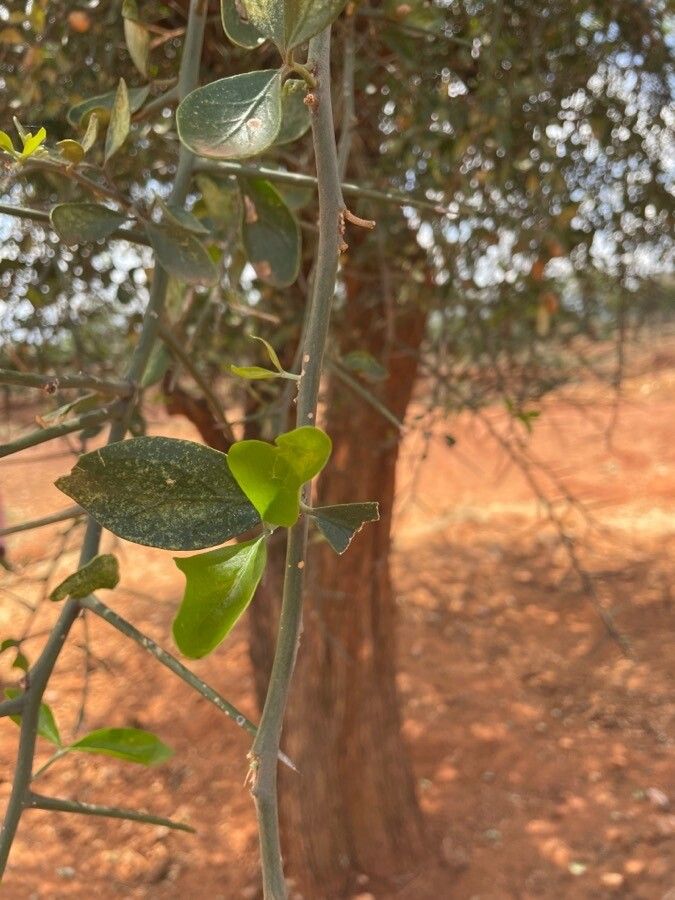
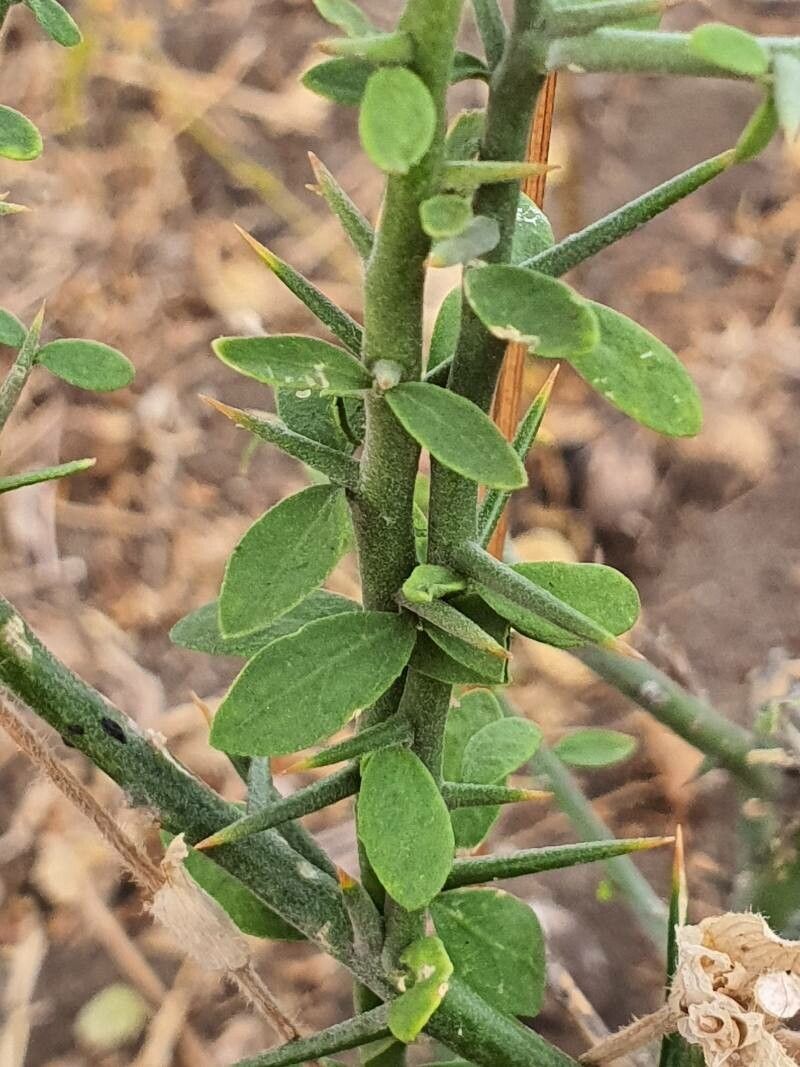
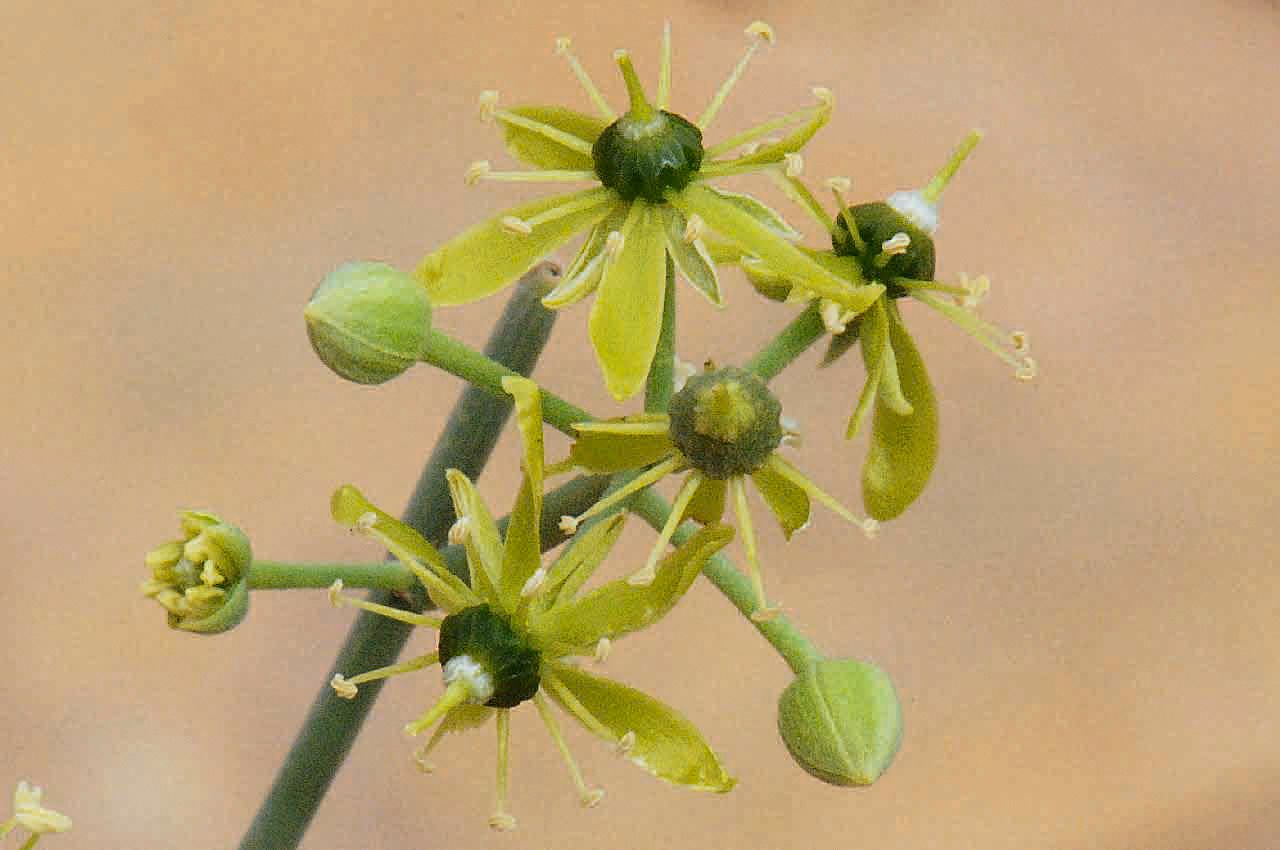
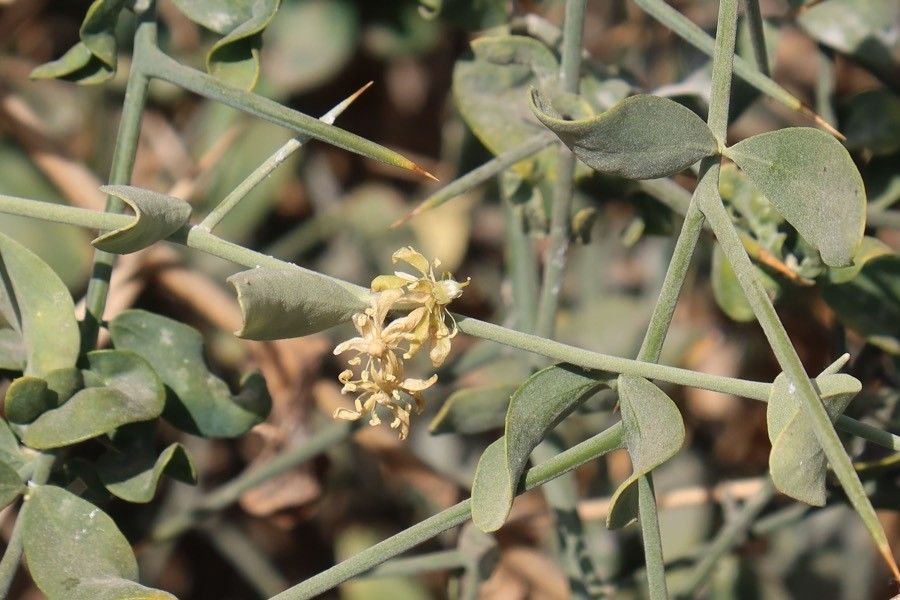
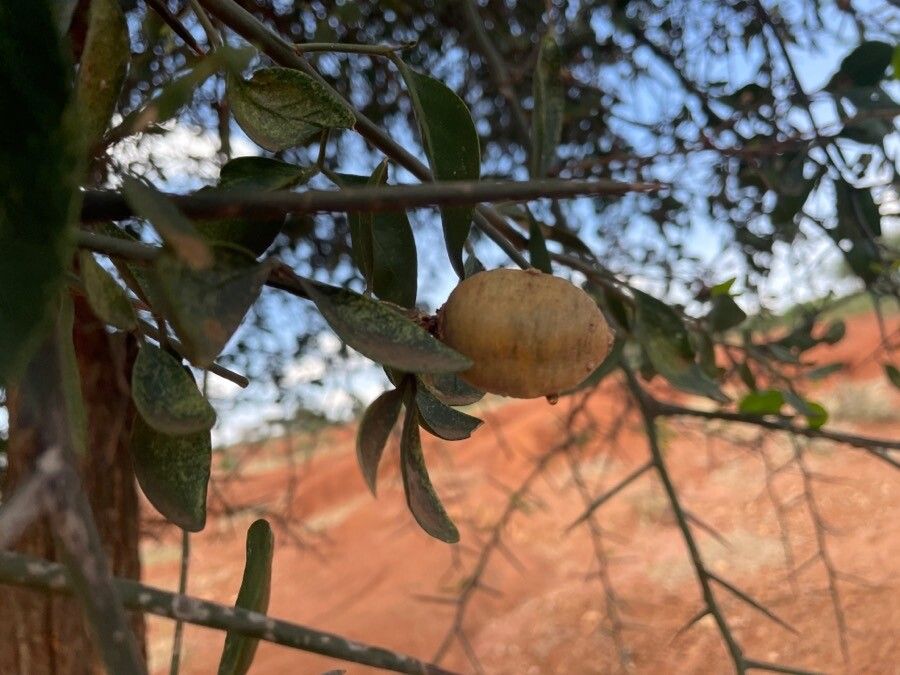
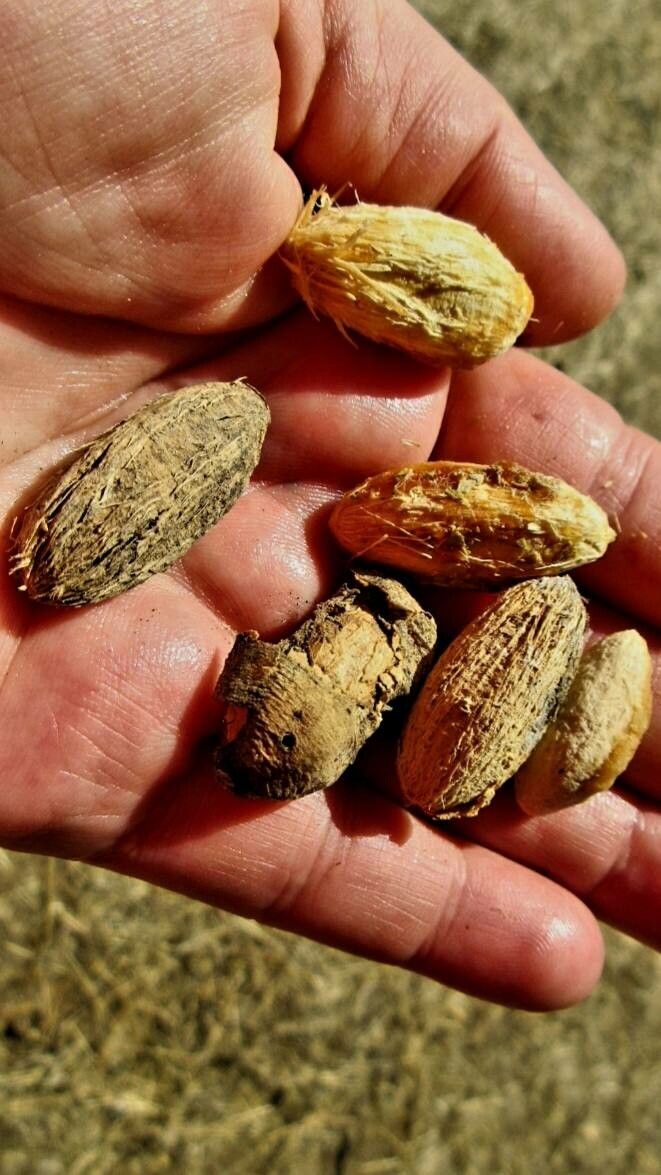
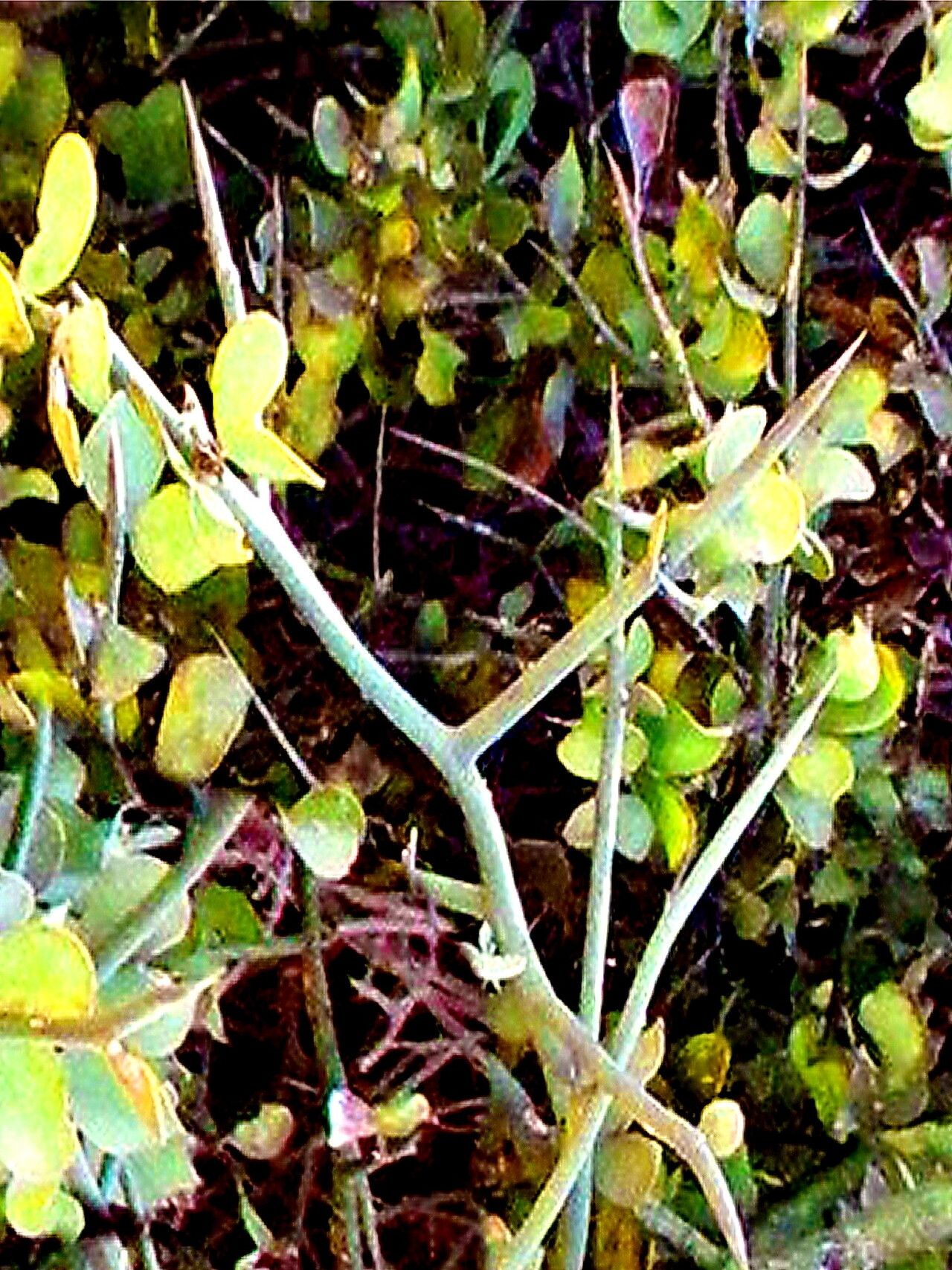
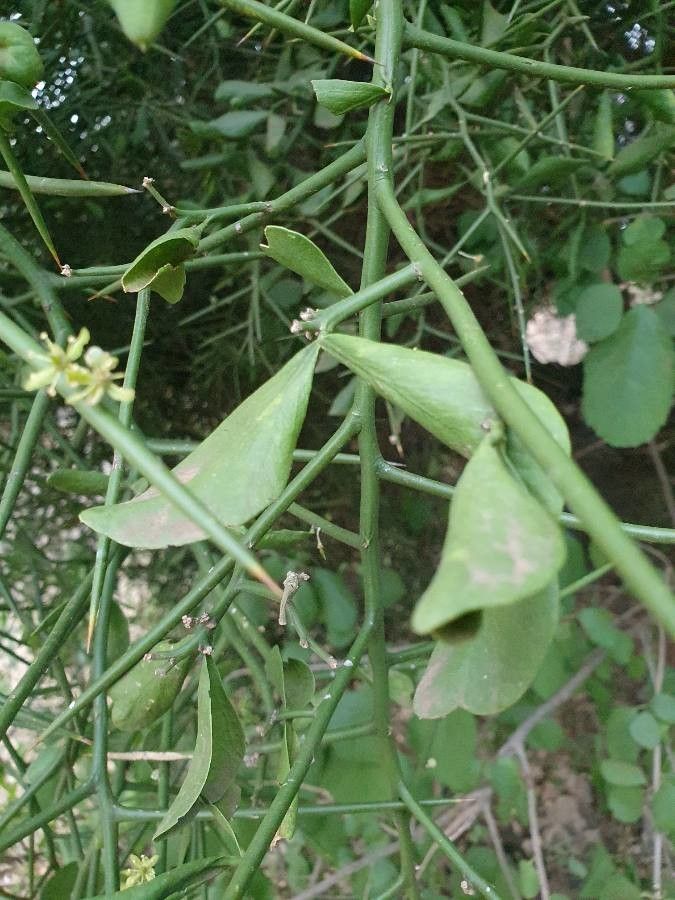
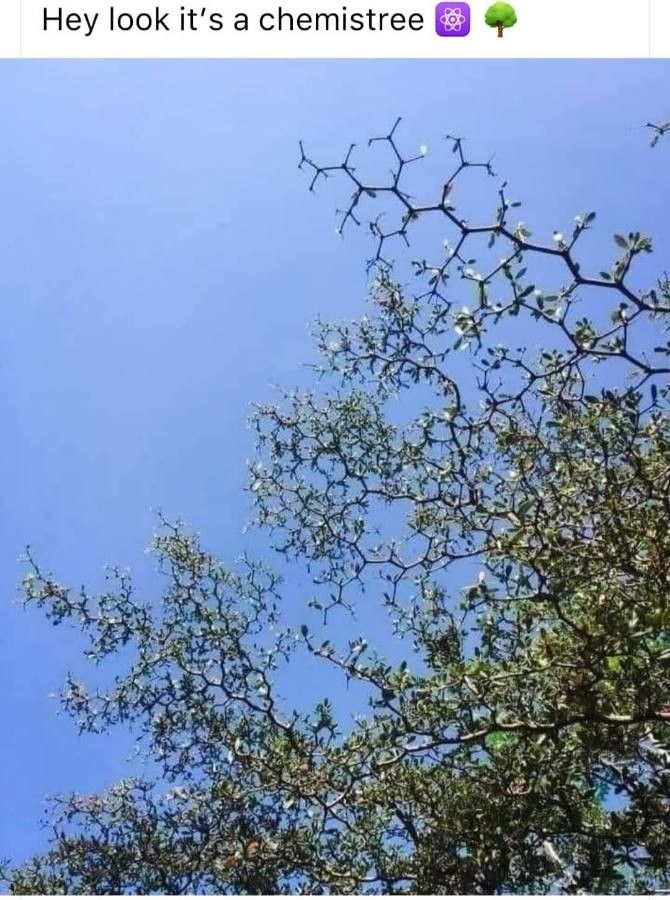
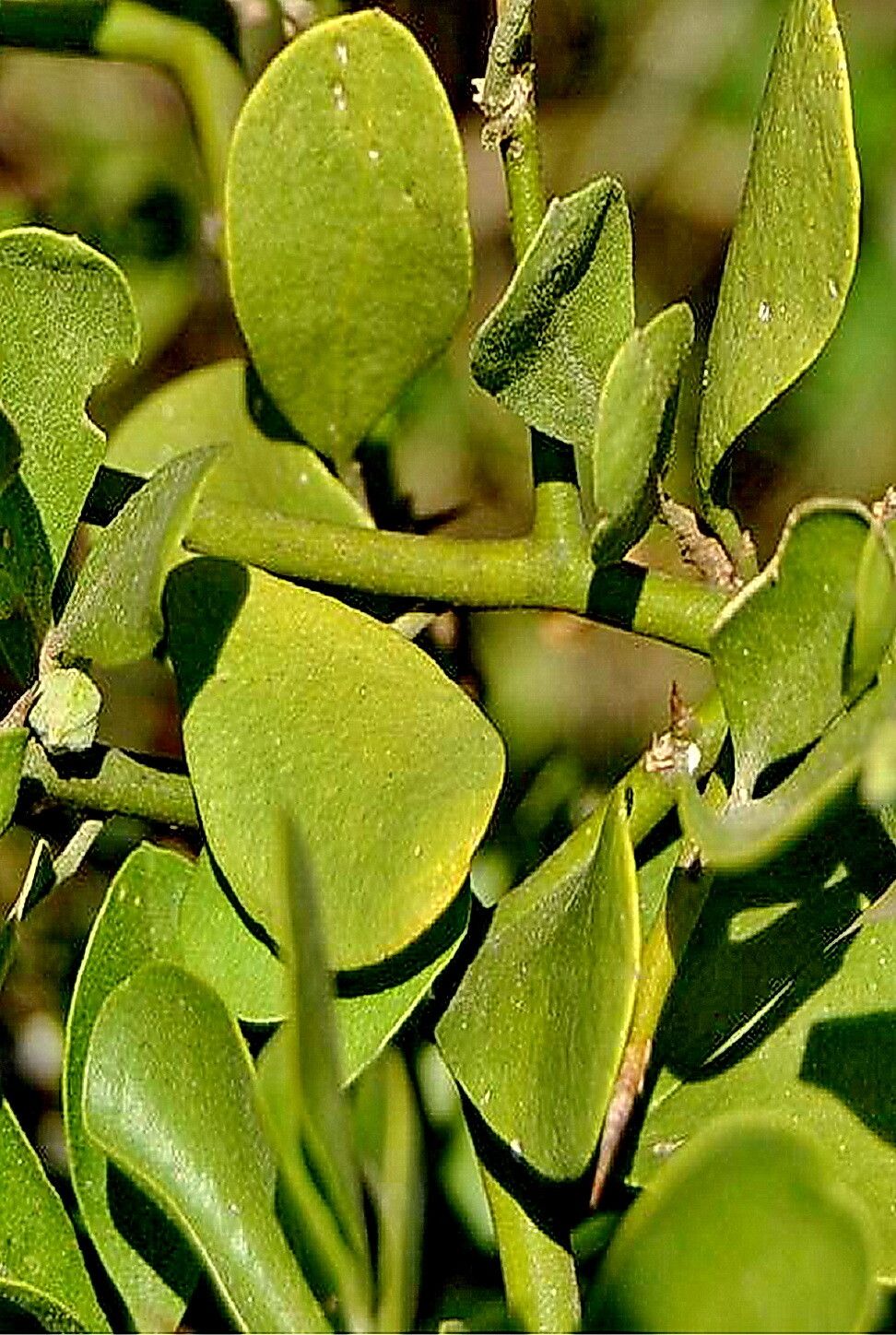
Balanites aegyptiaca, commonly known as the desert date or soapberry tree, is a resilient species native to Africa and the Middle East. This hardy plant can grow up to 10 meters tall and features thorny branches. Its leaves are small and oval-shaped, while the flowers are tiny and greenish-white. The edible fruit of Balanites aegyptiaca turns orange-brown when ripe and has been used for centuries in traditional medicine due to its various health benefits, such as treating skin diseases, fever, diarrhea, and dysentery. In agriculture, the plant has several uses: its leaves can serve as fodder for livestock, and its durable wood can be employed for fuel or construction purposes. Balanites aegyptiaca plays a crucial role in desert ecosystems by providing shade and shelter for animals like birds and insects. Its roots help prevent soil erosion by stabilizing sand dunes. Overall, Balanites aegyptiaca is an invaluable plant with numerous ecological and medicinal benefits. It holds cultural, economic, and environmental significance, especially in arid regions where its drought resistance makes it ideal amidst prevalent water scarcity.
Botanical profile.
- Plant Type
- Tree
- Life Cycle
- Perennial
- Genus
- Balanites
- Family
- Zygophyllaceae
- Hardiness Zone
- 10-12
- Mature Height
- 10.06 m
- Mature Spread
- 3.96 m
- Leaf Color
- Green, Gray, Silver
- Leaf Type
- Deciduous
- Flower Color
- Yellow
- Flower Size
- 0.76 cm to 1.52 cm
- Bloom Time
- All year round
- Planting Time
- Spring, Summer, Autumn, Winter
- Harvest Time
- All year round
- Native Area
- Burkina Faso, Libya, Somalia, Egypt, India, Djibouti, Angola, Namibia, Rwanda, Pakistan, Eritrea, Nigeria, Morocco, Yemen, Kenya, Uganda, Niger, Tanzania, Zimbabwe, Mali, Guinea-Bissau, Benin, Cameroon, Burundi, Mozambique, Oman, Ghana, Ethiopia, Botswana, Congo, Central African Republic, Saudi Arabia, Malawi, Zambia, Sudan, Mauritania, Guinea, Chad, Lebanon, Syria, Vietnam, Myanmar, Israel, Togo, Senegal, Côte d'Ivoire, Algeria, Gambia, Congo (DRC)
Other names.