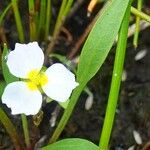
Baldellia ranunculoides
Lesser-water-plantain · Lesser waterplantain · Crowfoot-Alisma · Lesser Water-plantain
Description
Source: leafsnapBaldellia ranunculoides, the lesser water-plantain, is a species of flowering plant in the family Alismataceae.
Care Guide
💧 Water
Lesser water-plantain thrives in wet environments, preferring consistent moisture and benefiting from weekly watering. Although it can tolerate moderate drought conditions, it flourishes with regular hydration. You will often find it growing along the water's edge, where flooding during the growing season enhances nutrient uptake and encourages lush growth.
How should I water my Lesser water-plantain?
To properly water the Lesser water-plantain, it is recommended to use filtered water at room temperature. Tap water may contain harmful particles, so filtration is necessary. Additionally, it is important to use water that is at room temperature or slightly warmer because the Lesser water-plantain thrives in a warm environment and cold water can be detrimental to its health. Another important watering advice is to avoid overhead watering, as it can lead to problems with the foliage. Instead, it is best to apply filtered room temperature water directly to the soil until it is completely soaked. This method benefits the plant by moistening the roots and aiding in their spread through the soil, allowing them to gather the nutrients they require.
What should I do if I give my Lesser water-plantain too much or too little water?
Overwatering your Lesser water-plantain can cause wilting and yellowing of the stems and leaves, as well as diseases like root rot, mold, and mildew that can be fatal to your plant. Underwatering is less likely to happen, as this plant can tolerate drought. However, when underwatering occurs, the leaves may become brittle and brown. It's important to recognize the signs of overwatering early on, as some of the resulting diseases may not be reversible if left untreated. Reduce watering immediately if you notice these signs, and consider replacing poorly draining soil with a loose, well-draining potting mix. If you see signs of underwatering, simply water more regularly until the signs disappear.
How often do I need to water my Lesser water-plantain?
If your Lesser water-plantain is in a pot, you can check if it needs watering by inserting your finger into the soil. If the top two to three inches of soil are dry, it's time to water it. If you're growing the Lesser water-plantain outdoors in the ground, you can use the same method. When the top few inches of soil are dry, it's time to water. During spring and early fall, you'll probably need to water it about once a week. In very hot weather, you might need to water it twice a week or even more. However, mature and well-established Lesser water-plantains can handle drought quite well.
How much water does my Lesser water-plantain require?
When watering your Lesser water-plantain, do not skimp on the amount of water you use. Make sure the first two to three inches of soil are dry before watering thoroughly. The goal is to saturate the soil, allowing excess water to drain out of the pot through the drainage holes. If you don't see water draining from the pot, you may not be giving enough water. However, be careful not to let water accumulate in the soil, as this can harm the plant. Additionally, if the water is not draining properly, it could be due to poorly draining soils, which is harmful for the plant's health. If the plant is outside, receiving 1 inch of rainfall per week should be enough.
How should I water my Lesser water-plantain as it grows?
The water requirements of the Lesser water-plantain can vary depending on its growth stages. In the first few years of its life or after being transplanted to a new location, it will need more water than usual. During these stages, the plant directs a lot of energy towards sprouting new roots, which requires additional moisture. As the plant matures, it will require less water. Additionally, during the bloom period, when the plant is developing flowers, it may need extra water to support this process.
☀️ Light Full sun
Lesser water-plantain does best when given abundant light throughout all stages of its growth. Native to places with strong sunlight, this plant performs poorly if it does not receive enough light, which can stunt its growth and impair its health. Too much light exposure, however, can also harm the plant.
What are the sunlight requirements for Lesser water-plantain?
Lesser water-plantain (Baldellia ranunculoides) thrives in full sun, requiring above 6 hours of sunlight daily. It's vital to watch the movement of sunlight through your garden to find spots that offer a balance of light and shade, ensuring optimal growth conditions for the plant. Inadequate light can stunt the plant's growth and affect its health, while overexposure can also be detrimental.
How does artificial lighting benefit indoor plants, and what should be considered?
Indoor plants, including Lesser water-plantain, require adequate lighting for optimal growth, especially when natural sunlight is insufficient. Artificial lights, such as LED lights, can provide the necessary wavelengths and intensity of light that plants need. When using artificial lighting, it's important to select the right type for your plant, adjust the distance of the light source (12-36 inches above the plant) to mimic natural sunlight, and set the duration of light exposure (8-12 hours per day) according to the specific needs of your plant. The wattage requirements vary based on the plant's natural habitat; full sun plants need 30-50W/sq ft, partial sun plants 20-30W/sq ft, and full shade plants 10-20W/sq ft.
What are the signs of insufficient or excessive sunlight exposure in Lesser water-plantain?
Lesser water-plantain shows various symptoms under inadequate or excessive light conditions. Insufficient light can lead to smaller new leaves, leggy or sparse growth, faster leaf drop, slowed or ceased growth, and lighter-colored or pale new leaves. Excessive sunlight can cause chlorosis (leaves turning yellow), sunscald (damage from intense sun), leaf curling, wilting, and leaf scorching (brown, dry edges on leaves). These symptoms indicate the plant's struggle with light conditions, prompting adjustments in its care.
What solutions can alleviate the effects of improper sunlight exposure for Lesser water-plantain?
To combat the effects of improper sunlight exposure, start by gradually moving your Lesser water-plantain to sunnier locations, ensuring it receives at least 6 hours of direct sunlight daily. For indoor plants, consider using artificial lights for additional light support, with at least 8 hours of exposure daily. When dealing with outdoor plants, the gradual acclimatization to sunnier spots can prevent sunburn. If physical obstructions block sunlight, removing or pruning these can improve light access. For plants severely affected by light conditions, transplanting them to more suitable locations may be necessary for their recovery and health.
🌡️ Temperature 15–32.2°C
Lesser water-plantain comes from temperate regions, where the annual average temperatures fall between 59 and 89.6 °F (15 and 32 ℃). The plant favors relatively mild conditions. Across seasons, and according to local weather, small temperature adjustments may be required to keep its optimal growth conditions.
What is the origin and preferred climate for Lesser water-plantain?
Lesser water-plantain, botanically known as Baldellia ranunculoides, originates from temperate climates, thriving in areas where the annual average temperature ranges between 59°F and 89.6°F (15°C to 32°C). This plant favors milder temperatures, and its growth parameters may need slight adjustments with the changing seasons based on regional weather conditions. It possesses strong cold resistance, making it usually unnecessary to take special frost protection measures during winter. However, preparations should be made to protect the plant when winter temperatures are expected to drop below -15°C, such as covering the plant with soil or straw and watering it abundantly before the first freeze in autumn to ensure the soil stays moist and enters a frozen state prepared for winter and early spring.
How does Lesser water-plantain react to and manage low temperatures?
Lesser water-plantain thrives best when the temperature remains above 15°C and has notable cold tolerance. During winter, it is advised to keep the plant above -10°C to avoid complications. Even though the plant has a good degree of cold resistance, a drop below -15°C might not show immediate noticeable changes during winter; however, it could lead to decreased sprouting or a complete absence of sprouting come springtime. To mitigate these effects, any parts of the plant that have failed to sprout by spring should be removed.
What are the implications of high temperatures on Lesser water-plantain, and how should they be addressed?
During the summer months, it is crucial to keep Lesser water-plantain's exposure to temperatures below 32°C. Exposure to temperatures above 35°C can cause its leaves to lighten in color, become prone to curling, and suffer from sunburn, or in severe cases, lead to the wilting and drying of the entire plant. To address these symptoms, trim away any sunburned and dried up parts of the plant. Moving the plant to a shaded location or utilizing a shade cloth to protect it from midday and afternoon sun is advisable. Additionally, watering the plant in the morning and evening will help keep the soil moist and assist in preventing heat stress.
💨 Humidity
🪴 Soil
🌱 Fertilizer
🪴 Pot & Repot
✂️ Pruning
Lesser water-plantain is a semi-aquatic perennial plant characterized by its lance-shaped leaves growing at the base. To keep it healthy and attractive, it's best to prune the plant from early to late spring. This helps remove dead growth, improves air circulation, and maintains its shape, promoting healthy development and creating an appealing display in your garden.
🌿 Propagating
🐛 Diseases & pets
☠️ Toxicity
Characteristics
- Plant Type
- Herb
- Life Cycle
- Perennial
- Genus
- Baldellia
- Family
- Alismataceae
- Hardiness Zone
- 7-8
- Mature Height
- 10 cm to 15 cm
- Mature Spread
- 15 cm to 30 cm
- Leaf Color
- Green
- Leaf Type
- Deciduous
- Flower Color
- White
- Flower Size
- 2.54 cm
- Bloom Time
- Late spring, Summer
- Planting Time
- Spring, Summer
- Harvest Time
- Mid summer, Late summer, Early fall, Mid fall
- Native Area
- Turkey, Sweden, Tunisia, Montenegro, Cyprus, Poland, Greece, Croatia, Slovenia, Morocco, Lebanon, Norway, Germany, Portugal, Italy, Spain, Switzerland, Denmark, France, Albania, Ireland, United Kingdom, Algeria, Belgium, Netherlands