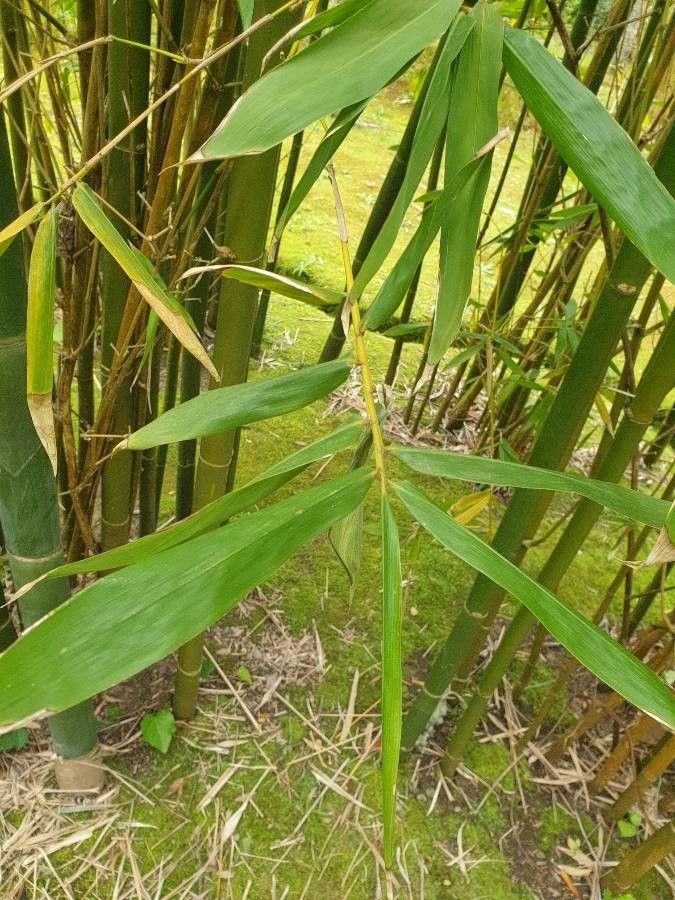
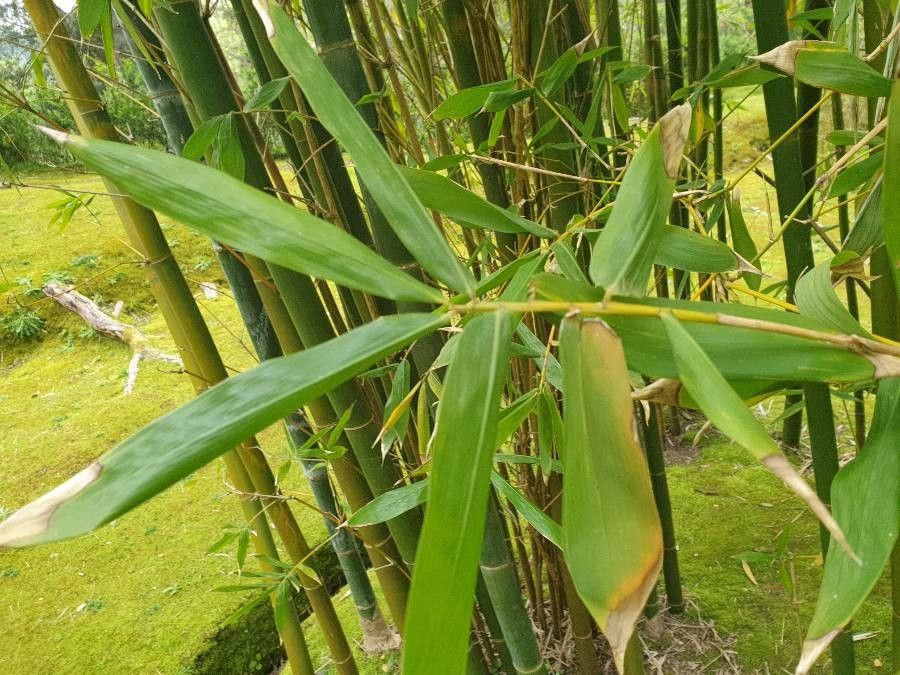
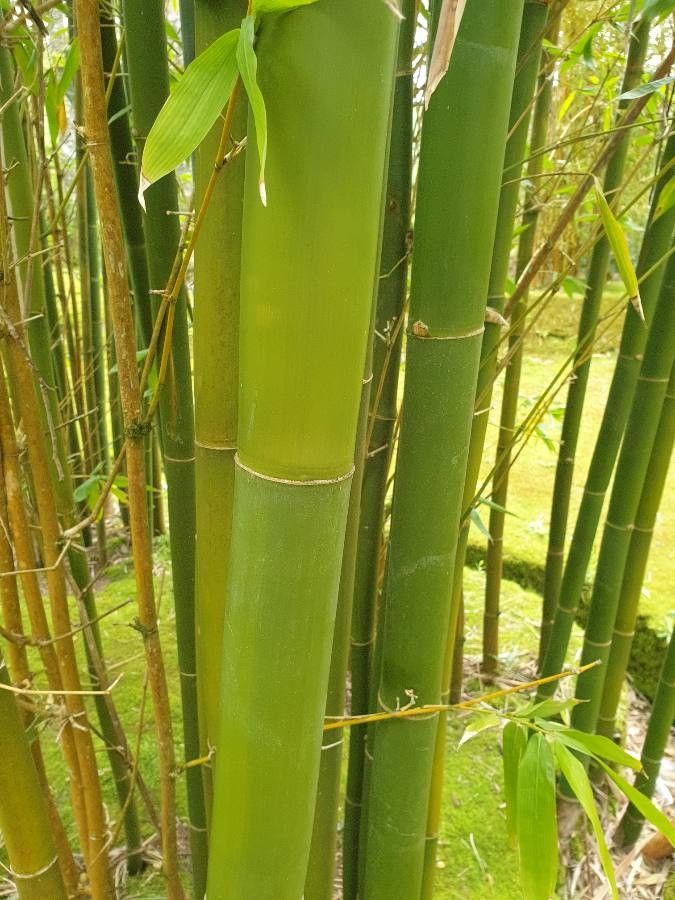
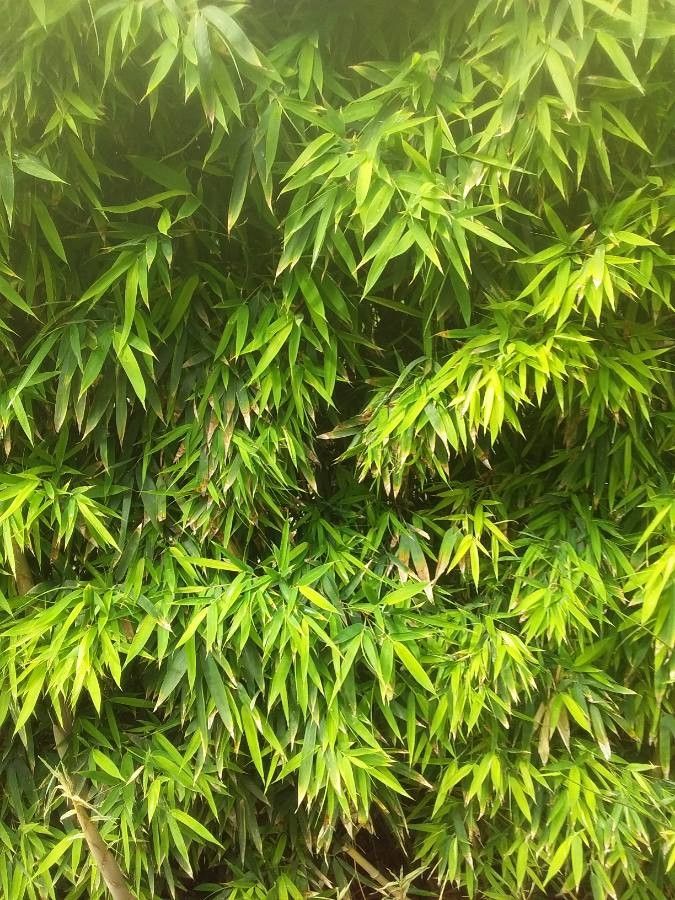
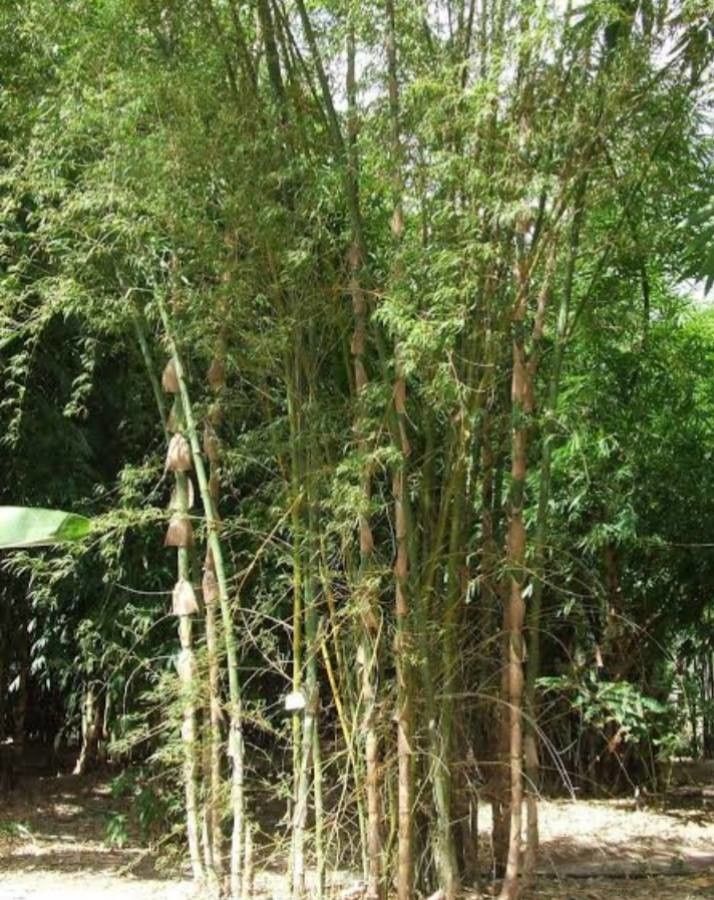
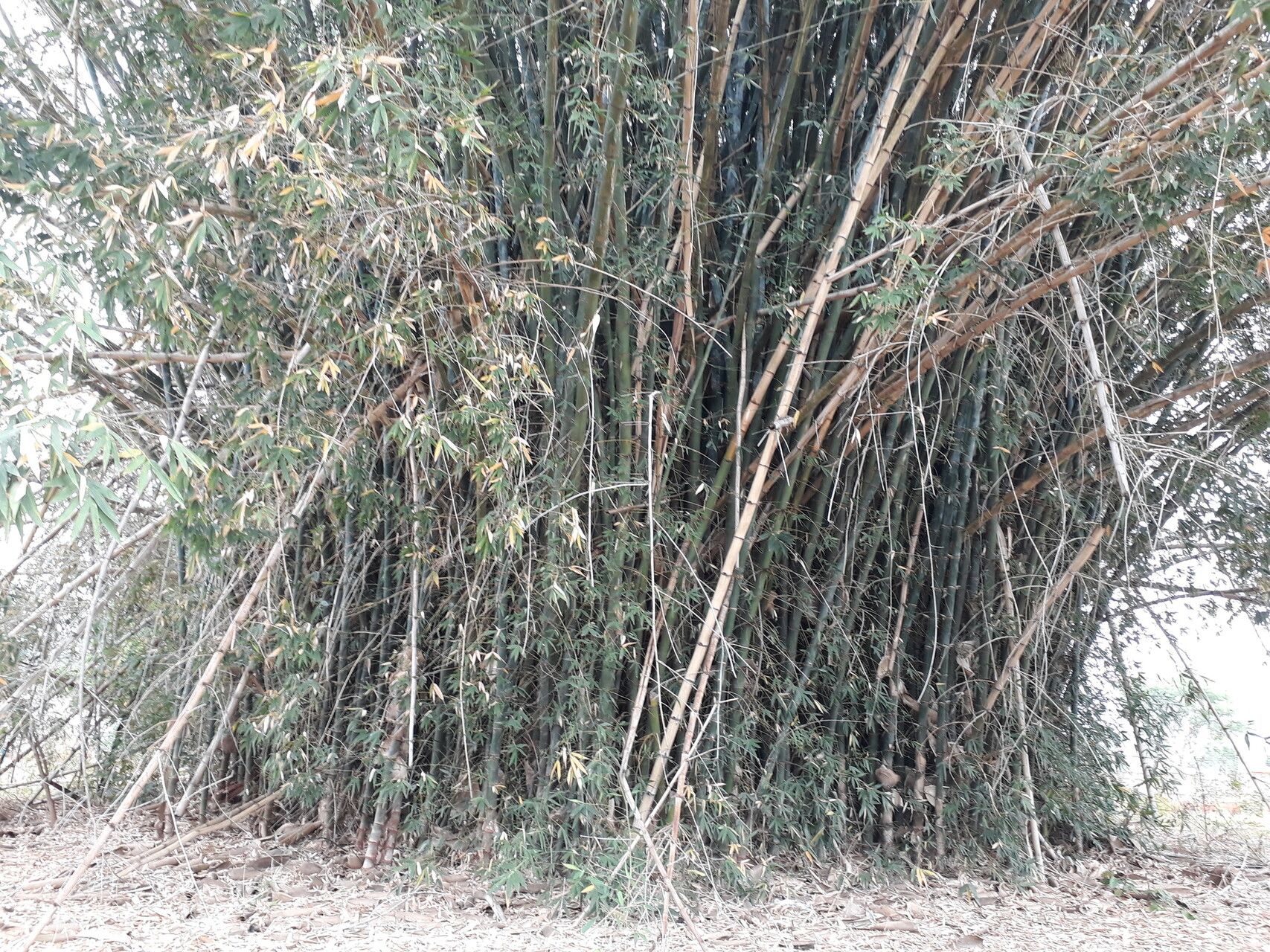
Bambusa oldhamii, commonly known as Oldham's bamboo, is a fast-growing and tall bamboo species native to Taiwan. It can reach impressive heights of up to 50 feet and features thick-walled culms that start green when young and mature to a yellow hue. The leaves are long, narrow, and end in a pointed tip.
Due to its attractive appearance and rapid growth, Oldham's bamboo is often utilized in landscaping. It makes an excellent choice for privacy screens or windbreaks in gardens or parks. In addition to its decorative use, this versatile plant is valued in practical applications, such as scaffolding or furniture making in construction.
Oldham's bamboo thrives in well-drained soils with ample moisture but can endure some drought conditions once established. It also requires full sun exposure for optimal growth.
Overall, Bambusa oldhamii is an impressive species of bamboo that offers both aesthetic appeal and practical functionality across various industries, including construction and landscaping.
Giant timber bamboo is highly disease-resistant and is generally not susceptible to illnesses. In terms of care, this species is fairly low-maintenance. When planted outdoors it requires little watering, and mature plants typically do not need pruning. However, smaller plants should be pruned after they have bloomed. Giant timber bamboo is suitable for anyone with an outdoor area, such as a garden or deck, and does not require much experience in plant care.
How to keep Bambusa Oldhamii.
Light
Giant timber bamboo occurs naturally in habitats such as forest understories or rocky areas, where it grows under natural shade. It prefers partial sun but can tolerate full sun or full shade, showing its hardy, adaptable nature.
Water
Giant timber bamboo is a tropical evergreen plant that thrives in high humidity and needs to be watered twice a week for optimal health. Although it can tolerate moderate drought, it stays lush throughout the year, making it an excellent choice for both indoor and outdoor settings.
Humidity
This plant will thrive in moderate humidity, which is probably the level in your home. However, misting it a few times a week can be very beneficial. Make sure the room has good ventilation.
Temperature
Giant timber bamboo has good temperature adaptability, being able to tolerate higher temperatures and wider temperature fluctuations. In hot weather, care should be taken to water appropriately and provide suitable shade to prevent sunburn. However, Giant timber bamboo is relatively sensitive to low temperatures. While it can endure some cold, very low temperatures can cause frost damage.
Fertilizer
Giant timber bamboo needs extra nutrients to encourage healthy new growth. In spring, applying compost around the plant’s base will supply the necessary nutrition. Fertilizing supports vigorous growth and helps the plant resist diseases and pests.
Pruning
Giant timber bamboo benefits greatly from being pruned annually in early spring. By removing dead or weak canes, you improve airflow and light penetration, which reduces the risk of disease. This practice helps manage the height and spread of the bamboo, encouraging robust growth and enhancing its appearance. Regular pruning ensures the plant's longevity and maintains its structural integrity.
Botanical profile.
- Plant Type
- Grass
- Life Cycle
- Perennial
- Genus
- Bambusa
- Family
- Poaceae
- Hardiness Zone
- 8-11
- Mature Height
- 14.94 m to 20.12 m
- Mature Spread
- 3.05 m to 4.88 m
- Leaf Color
- Light Green, Forest Green
- Leaf Type
- Evergreen
- Bloom Time
- Early summer, Mid summer
- Planting Time
- Spring, Summer, Autumn
- Harvest Time
- Late summer, Early fall, Mid fall
- Native Area
- Japan, China
Other names.