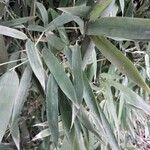
Bambusa vulgaris
Wamin Bamboo · Common bamboo · Golden bamboo · Feather bamboo
Description
Source: leafsnapBambusa vulgaris, common bamboo, is an open-clump type bamboo species. It is native to Indochina and to the province of Yunnan in southern China, but it has been widely cultivated in many other places and has become naturalized in several regions. Among bamboo species, it is one of the largest and most easily recognized.
🌳 Common bamboo is a versatile addition to gardens, serving as an effective privacy screen, a dense backdrop, and a means to control erosion on slopes. Its tall, attractive stems can also provide shade for patios and decks when planted nearby.
🎭 Power, suppleness, wellness
Care Guide
💧 Water Every week
Common bamboo originates from tropical regions, where it thrives in high humidity and consistent moisture. While it can withstand heavy rainfall and even some drought conditions, it’s important to water it weekly and plant it in well-draining soil to ensure lush growth. Usually grown outdoors, common bamboo flourishes in environments that resemble its natural habitat.
What should I do if I give my Common bamboo plant too much or too little water?
If you don't water this beautiful ornamental grass properly, it won't perform well. When it's planted in the ground, watering issues can be fixed, but in a container, too much or too little water will quickly kill Common bamboo. When Common bamboo doesn't get the right amount of water, it may stop growing. Overwatering will cause yellow leaves with brown tips, while underwatering will result in drooping leaves, weak seed head production, and browned leaves. If you suspect your Common bamboo has been watered improperly, the first step is to determine if it's getting too much or too little water. If it's receiving too much, stop watering it immediately. It may take a while for heavy soils to dry out, so be patient. Once you see new growth, test the soil for moisture and decide if it needs more water. The solution for Common bamboo that doesn't get enough water is simple: give it a deep drink and see if it improves. Keep in mind that a long, deep watering is better than many shallow, frequent waterings. This encourages grasses to develop deep roots, making them more resistant to drought and less susceptible to watering issues.
How frequently should I give water to my Common bamboo?
The watering needs of Common bamboo will vary depending on where it is planted. Generally, water this grass every week. In hot climates, watering once or twice a week in the summer may be necessary. In moderate climates, watering once every seven days or more may be enough. Grass in containers usually need more frequent watering than grasses in the ground. However, the location also matters for this species, which can thrive in full sun or part shade. Shaded grasses need less frequent watering than in-ground grasses. Only water Common bamboo when the soil is dry. To determine if the soil is dry, press your finger a couple of inches into the soil. For potted grass, weigh the grass with a portable scale or check if the pot feels light. Insufficient water can cause the blades to appear folded and thinner than usual. Despite its drought tolerance, regular, deep waterings will result in a beautiful color. In its natural habitat, Common bamboo grows in open scrubland, enduring extreme heat, bright sun, and intermittent rain. Although this grass is drought-resistant, it still needs care and attention. When first planted, water Common bamboo more frequently until it has established deep roots. For potted Common bamboo, the soil may dry out quickly, especially in hot, direct sun. Test the soil every 3 to 4 days and only water when it feels dry. Common bamboo in the ground generally needs less watering, but this depends on the soil type. Clay soil holds water longer and may feel dry on the surface while still retaining moisture below. Sandy soils that drain quickly require more frequent watering.
What do I need to watch out for when watering my Common bamboo in different seasons, climates, or during different stages of growth?
To determine if you are watering your grass enough, look at its rate of growth. Common bamboo can double in size during the hottest months of the year, so if it's not growing vigorously during hot weather, you may need to adjust your watering schedule. In winter, you can water once a month, but make sure to check the soil for moisture. The grass requires more water during growth cycles in the warmest months, but the need for water is significantly reduced in winter and cooler months. Remember to let the soil dry out completely before watering Common bamboo.
☀️ Light Full sun
Common bamboo is a species that thrives with abundant light, showing healthier growth when it receives plenty of light each day. However, the plant can adapt to somewhat lower light conditions. Its native habitat also has generous light exposure. Both too much and too little light can affect its health, causing stress or stunted growth.
What are the sunlight requirements for common bamboo?
Common bamboo requires full sun, meaning it thrives best with above 6 hours of sunlight daily, but it can also tolerate partial sun with about 3-6 hours of sunlight. It is crucial to observe the movement of sunlight through your garden to find spots that offer a good balance of light and shade, ensuring the plant's wellbeing.
How does artificial lighting affect common bamboo growth?
In scenarios where natural sunlight is lacking, especially during winter or in less sunny spaces, artificial lighting becomes essential for common bamboo. Optimal growth is achieved with sufficient artificial lighting. LED lights are recommended due to their ability to simulate specific light wavelengths needed by plants. The intensity and distance of artificial light should be adjusted according to the plant's needs, with full sun plants requiring 30-50W/sq ft, partial sun plants 20-30W/sq ft, and full shade plants 10-20W/sq ft. The light source should generally be placed 12-36 inches above the plant, for 8-12 hours per day to mimic natural daylight hours.
What are the symptoms of inadequate sunlight exposure in common bamboo?
Symptoms of inadequate sunlight exposure in common bamboo include smaller new leaves, leggy or sparse growth, faster leaf drop, slower or ceased new growth, lighter-colored new leaves, and various stress signs such as chlorosis, sunscald, leaf curling, wilting, and leaf scorching. These symptoms indicate either insufficient light for healthy growth or the adverse effects of excessive sunlight.
What solutions can help common bamboo receive adequate sunlight?
To ensure common bamboo receives adequate sunlight, gradually introduce it to sunnier locations until it achieves at least 6 hours of direct sunlight daily. Utilize south-facing windows and keep curtains open for maximum light exposure. If moving the plant is not feasible, consider using artificial lights for additional support. Outdoor plants should also be gradually acclimated to brighter spots to prevent sunburn, paying attention to obstructive elements like trees and considering transplantation during the plant's dormant periods for an optimal sunlight environment.
🌡️ Temperature 20–37.8°C
The common bamboo naturally grows in conditions with temperature preferences ranging from 20 to 38 ℃ (68 to 100.4 ℉). It favors a warm, humid climate and can adjust to different temperatures depending on the season. In summer it can withstand higher heat, while in winter or cooler weather its growth may slow. To do well, it is recommended to maintain a steady, warm temperature of about 25-30 ℃ (77-86 ℉) year-round.
What are the ideal temperature conditions for growing Common bamboo?
Common bamboo (Bambusa vulgaris) thrives in a warm and humid climate, ideally between 20 to 38°C (68 to 100.4°F). To ensure optimal growth, maintaining a consistent temperature range of about 25-30°C (77-86°F) throughout the year is beneficial. During the summer, Common bamboo can tolerate higher temperatures, but its growth may slow down in winter or cooler temperatures. Since it is extremely heat-loving, exposure to cold can harm the plant. Therefore, it is recommended to bring outdoor-grown Common bamboo indoors during autumn and place it near a bright window, away from heaters, to maintain warm conditions.
How does low temperature affect Common bamboo and what are the recommended solutions?
Low temperatures are detrimental to Common bamboo, as it prefers warm conditions to thrive. Exposure to temperatures below its tolerance can lead to the lightening of the leaves' color. Frost damage can further result in the leaves turning brown or black, and the plant may exhibit wilting and drooping. To address these issues, it is advised to trim off the frost-damaged parts and immediately move the plant to a warm, indoor environment. Placing the Common bamboo near a south-facing window can ensure it receives sufficient sunlight, but it should be kept away from heaters or air conditioning vents to avoid dryness in the air.
What should be done if Common bamboo is exposed to high temperatures?
When exposed to high temperatures, especially above its tolerance level during the summer, Common bamboo's leaves may lighten in color, and the plant becomes more susceptible to sunburn. To mitigate heat stress, it is recommended to trim away the sunburned and dried parts of the plant. Moving the plant to a location that offers shade from the strong midday and afternoon sun can help prevent further damage. Additionally, watering the plant in the morning and evening can keep the soil adequately moist, providing relief from the heat.
💨 Humidity
🪴 Soil 5-6
🌱 Fertilizer
Common bamboo needs extra nutrients to encourage healthy new growth. In spring, placing compost around the plant’s base can effectively supply the nutrition it requires. Fertilizing helps support vigorous growth and assists the plant in resisting diseases and pests.
Why should I add fertilizer to my Common bamboo?
Common bamboo needs to be fertilized because it requires extra nutrients for healthy new growth. Fertilizing also helps the plant maintain the health of its older growth and boosts its resistance to diseases and pests.
When should I fertilize my Common bamboo?
To ensure the survival of Common bamboo in your garden, it is important to know the right time to fertilize. This type of bamboo does not need a lot of nutrients, so there is no need to add fertilizer when it is going dormant. It is not advised to apply diluted fertilizer at the beginning of the growing season. Instead, a better option is to spread mulch or compost around the base of the plant.
When is it not a good idea to put fertilizer on my Common bamboo?
If you don't use packaged fertilizers, feeding Common bamboo becomes simpler. Just add compost or mulch in the spring, and that'll suffice to keep the plant happy all year. No need to mulch or compost in the winter when the plant is dormant, so don't worry about it.
What kind of fertilizer does my Common bamboo need?
You can skip the trip to the garden center and save money by not buying fertilizer for common bamboo. Instead, in the spring, you can put down a layer of compost which will provide the necessary nutrients. Additionally, if you mulch your garden annually, the bark will also keep your plant nourished and content.
How should I add fertilizer to my Common bamboo?
If you are growing Common bamboo, whether you choose mulch or compost, the steps are the same. Start by placing a layer of either material, ensuring that it covers the base of the plant. If you decide to use both mulch and compost, remember to decrease the amount of compost. Additionally, adding a layer of mulch has dual benefits: it helps the soil retain moisture and nourishes your plant at the same time.
🪴 Pot & Repot
✂️ Pruning
Prune the plant annually. Target the old and the deadwood because removing them will not just improve the appearance of the plant but also improve the health of the plant.
🌿 Propagating
🐛 Diseases & pets
☠️ Toxicity
Characteristics
- Plant Type
- Bamboo
- Life Cycle
- Perennial
- Genus
- Bambusa
- Family
- Poaceae
- Hardiness Zone
- 9-11
- Mature Height
- 9.14 m to 21.34 m
- Mature Spread
- 61 cm to 91 cm
- Leaf Color
- Green
- Leaf Type
- Evergreen
- Flower Size
- 1.02 cm to 2.03 cm
- Bloom Time
- Summer
- Planting Time
- Spring, Autumn
- Harvest Time
- Fall
- Native Area
- Solomon Islands, Cambodia, Vietnam, Myanmar, Laos, Thailand, China