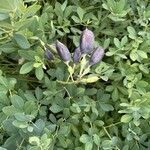
Baptisia australis
Blue False Indigo · Blue Wild Indigo · Baptisia · Streamside Blue Indigo · Tall Wild Blue Indigo
Description
Source: leafsnapBaptisia australis, commonly known as blue wild indigo, is a perennial flowering plant native to North America. As a member of the pea family, it can reach heights of up to 4 feet and spread just as wide. This plant features blue-green foliage and showcases spikes of deep blue-purple flowers from late spring to early summer. Baptisia australis thrives in full sun and well-drained soil, yet it can adapt to partial shade and withstand drought conditions once established. Additionally, it is deer-resistant, making it an excellent choice for gardens in deer-populated areas. Beyond its ornamental appeal, Baptisia australis also has medicinal properties. Native Americans traditionally used the roots as an anti-inflammatory agent to treat wounds and skin conditions. In summary, Baptisia australis is a visually striking perennial that brings both color and interest to any garden, along with offering some medicinal benefits.
🌳 Beyond its usual role as an ornamental, blue wild indigo has underused potential. Its sturdy stems can yield strong fibers, and its bright blue blooms could be used as a natural dye. Additionally, as a nitrogen fixer, blue wild indigo improves soil fertility, supporting its use in sustainable agriculture and ecological restoration projects.
🎭 Safety, romance
Care Guide
💧 Water Every 7 days
Blue wild indigo thrives in prairie habitats and is well-suited for gardens in different climate zones. It is drought-tolerant and effectively stores water to endure dry spells. To keep it healthy, it needs weekly watering and is also influenced by the rainfall patterns in the area. This makes blue wild indigo a resilient choice for gardeners dealing with diverse weather conditions.
How should I water my Blue wild indigo plant to keep it healthy?
When watering the Blue wild indigo, it is important to use filtered water at room temperature or slightly warmer. Tap water may contain harmful particles that can negatively affect the plant's health. This plant prefers warm environments, so avoid using cold water as it can shock its system. Additionally, overhead watering should be avoided as it can cause issues with the foliage. Instead, apply filtered room temperature water directly to the soil until it is completely soaked. This helps the plant by moistening the roots and promoting the spread of nutrients through the soil.
What should I do if I give my Blue wild indigo plant too much water or too little water?
Overwatering is a common issue for Blue wild indigo, while underwatering is less common but still possible. When overwatered, the plant's stems and leaves may wilt and turn yellow. Overwatering for a long time can also lead to diseases like root rot, mold, and mildew, which can be fatal for the plant. On the other hand, underwatering may cause the leaves to become brittle and brown. It is important to recognize signs of overwatering early and reduce watering immediately to prevent irreversible damage, especially if diseases like root rot have developed. If the soil doesn't drain well, it should be replaced with a loose, well-draining potting mix. If signs of underwatering are present, simply water more regularly until the signs disappear.
How often should I give water to my Blue wild indigo plant?
If your Blue wild indigo plant is in a pot, the most precise way to determine if it needs water is to stick your finger into the soil. If the top two to three inches of soil are dry, it's time to water it. If you're growing your Blue wild indigo outdoors in the ground, you can use a similar method to test the soil. Once again, if the top few inches of soil have dried out, it's time to water. Typically, during the spring and early fall, you'll need to water this plant about once a week using this method. However, when it gets extremely hot, you may need to increase your watering to about twice or more per week. That being said, mature and well-established Blue wild indigo plants have an impressive ability to withstand drought.
How much water does my Blue wild indigo plant need?
To properly water your Blue wild indigo, don't be afraid of giving it a generous amount of water. Make sure the top two to three inches of soil are dry before watering. It's best to thoroughly water the plant, allowing the water to completely soak the soil. You'll know you've added enough water when you see the excess water flowing out of the drainage holes at the bottom of the pot. If you don't see any excess water, it means you haven't given enough water. However, be careful not to let the water accumulate inside the soil, as this can harm the plant. On the other hand, if the water isn't draining properly from the pot, it could be a sign of poorly draining soil, which is harmful to the plant's health. If the plant is located outdoors, about 1 inch of rain per week should be enough.
How do I water my Blue wild indigo at different stages of growth?
The water requirements of the Blue wild indigo depend on its growth stages. In the first few years or after transplanting, you'll need to provide more water. During these stages, the plant focuses on developing new roots for future growth, so they need extra moisture. As the plant matures, it will need less water. Additionally, during the bloom period, the plant requires more water to support flower development.
☀️ Light Full sun
Blue wild indigo performs best with a full day of sunlight, though it can still do well in lower light. It comes from a habitat that receives abundant light. Too much exposure can cause the plants to become sunburned, while too little light may lead to weakened growth and pale leaves.
What are the sunlight requirements for blue wild indigo?
Blue wild indigo requires full sun exposure, thriving best with more than 6 hours of sunlight daily, but it can also tolerate partial sun conditions, which means about 3-6 hours of sunlight. It's important to observe the movement of sunlight in your garden to identify the ideal spots that offer the right balance of light and shade. This ensures your blue wild indigo plants grow healthy and strong.
How does sunlight affect the growth of blue wild indigo?
Sunlight plays a crucial role in the growth of blue wild indigo. The plant flourishes under full sunlight but can still manage in reduced light conditions, although this may affect its growth. Excessive sunlight can lead to sunburn, whereas insufficient light might result in weak growth and pale leaves. Originating from well-lit habitats, blue wild indigo's health is closely tied to the amount of light it receives.
How can artificial lighting support blue wild indigo indoors?
When natural sunlight is insufficient, especially during winter or in less sunny areas, artificial lighting becomes essential for blue wild indigo's growth indoors. LED lights are recommended for their ability to provide specific wavelengths needed for plant growth. Full sun plants require 30-50 watts per square foot, partial sun plants need 20-30 watts per square foot, while full shade plants should get 10-20 watts per square foot. The light source should be placed 12-36 inches above the plant to mimic natural sunlight conditions, and most plants will need 8-12 hours of light per day.
What are the symptoms of inadequate lighting for blue wild indigo?
Inadequate lighting can cause various problems for blue wild indigo, such as smaller new leaves, leggy or sparse growth, faster leaf drop, slower or halted new growth, and lighter-colored or yellowing leaves due to chlorosis. Excessive sunlight can lead to symptoms including sunscald, leaf curling, wilting, and leaf scorching. Monitoring these symptoms can help in identifying and correcting lighting issues to ensure the health of the plant.
How can I address lighting issues for my blue wild indigo plant?
To address lighting issues, gradually increase sunlight exposure for your blue wild indigo by moving it to sunnier locations each week until it receives at least 6 hours of direct sunlight daily. For indoor plants, consider using artificial lighting for at least 8 hours a day if they're large or immobile, or reposition them near a south-facing window with the curtains open during the day. For outdoor plants, ensure they are gradually acclimated to avoid sunburn. Decrease obstructions by pruning trees or transplanting smaller plants to sunnier spots, ensuring they have ample sunlight and good drainage. Note that parts of the plant already affected by the light deficiency might not recover, but new growth will be healthy post-adjustment.
🌡️ Temperature 0–35°C
In its natural habitat, blue wild indigo does best in moderate temperatures, roughly 32 to 77 ℉ (0 to 25 ℃). It can, however, endure wider extremes of 23 to 95 ℉ (-5 to 35 ℃) depending on the season. For example, in summer keep the soil slightly moist and temperatures around 68 to 77 ℉ (20 to 25 ℃) to promote healthy growth. In winter, aim for temperatures near 32 to 50 ℉ (0 to 10 ℃) and water sparingly to encourage dormancy.
What are the ideal growing conditions for Blue Wild Indigo?
Blue Wild Indigo, or Baptisia australis, thrives in moderate temperatures, optimally between 32 to 77 °F (0 to 25 °C). In summer, for healthy growth, it's best to maintain soil moisture and keep temperatures between 68 to 77 °F (20 to 25 °C). During winter, aim for cooler temperatures between 32 to 50 °F (0 to 10 °C) and water the plant sparingly to promote dormancy. Despite its strong cold resistance, if winter temperatures dip below 23 °F (-5 °C), it's crucial to protect the plant using materials like soil or straw. Also, watering abundantly before the first freeze helps safeguard against drought and water scarcity in winter and early spring.
How does Blue Wild Indigo react to low temperatures?
Blue Wild Indigo exhibits a notable tolerance to cold, performing best when the temperature stays above a certain threshold. During winter, maintaining temperatures above this minimum level is essential for plant health. If temperatures drop below 23 °F (-5 °C), you might not see noticeable changes during winter, but there could be reduced or absent sprouting in spring. In such cases, pruning the parts that fail to sprout in spring can aid recovery.
What should I do if Blue Wild Indigo experiences high temperatures?
In the case of high temperatures, particularly during summer, it’s important to ensure that Blue Wild Indigo is not exposed to conditions exceeding its tolerance. Symptoms of stress include leaves becoming lighter, curling, and susceptibility to sunburn, with severe cases leading to wilting and drying. Addressing this involves trimming sunburned or dry parts, relocating the plant to a shaded area or using a shade cloth to lessen exposure to intense sun, and maintaining soil moisture by watering in the cooler parts of the day.
💨 Humidity
🪴 Soil 6-7
🌱 Fertilizer
One fertilizer application in spring is typically enough for Blue wild indigo, although several feedings can maximize growth. Feed about every four to six weeks. Fertilization improves the leaves' appearance and function, helping maintain even color and a healthy texture. It also promotes root development and nutrient uptake for the plant's long-term health.
Why is it necessary to use fertilizer for my Blue wild indigo?
The leaves are a crucial part of the Blue wild indigo plant, and proper fertilization plays a significant role in ensuring they remain vibrant and functional. Fertilizing your Blue wild indigo will sustain consistent leaf color and a healthy texture. Additionally, fertilization supports the growth of new roots and maintains the existing root system beneath the soil. This means that fertilizing not only maintains the plant's current health but also enhances its ability to absorb nutrients from the soil in the future.
When should I put fertilizer on my Blue wild indigo plant?
If you grow Blue wild indigo outdoors, it will send out new growth in early spring. This is a sign that it's time to start fertilizing. Typically, one application of fertilizer in the spring is enough. However, if you want to maximize growth, you can fertilize multiple times throughout the spring and early summer. If you choose to do this, feed your Blue wild indigo once every month to a month and a half.
When is it best to not put fertilizer on my Blue wild indigo?
During late fall and winter, your Blue wild indigo will become dormant and stop growing. It is best not to fertilize it during this time. In spring and summer, if you choose to fertilize, gradually reduce the amount as summer approaches and the growth rate slows. Generally, it is not recommended to fertilize when the weather is unusually hot or the soil is extremely dry, as this can stress and harm your Blue wild indigo.
What kind of fertilizer does my Blue wild indigo plant need?
Choosing the best fertilizer for a Blue wild indigo is easy. They do well with a general-purpose garden fertilizer that has equal amounts of nitrogen, phosphorus, and potassium, like a 10-10-10 ratio. Avoid fertilizers high in nitrogen if unsure. Granular, slow-release fertilizers are best, and organic soil amendments like compost can also be beneficial for Blue wild indigo.
How can I feed my Blue wild indigo plant?
To care for your Blue wild indigo, wait until early spring when its first leaves appear. Apply a balanced slow-release fertilizer to the soil around the plant's base. You can repeat this process later in the season if desired. When reapplying fertilizer, make sure to apply it to the soil and not directly to the plant. This may involve moving some leaves to access the soil above the roots. It's also advisable to water the Blue wild indigo before and after fertilizing.
🪴 Pot & Repot 2-3 years
When repotting Blue wild indigo, select a pot 1-2 inches (2.5–5.1 cm) larger with good drainage. Use a well-draining potting mix. Repot in spring or fall, making sure the root ball sits slightly below the rim of the flower pot. Water thoroughly after repotting and place it in a warm spot with indirect sunlight.
✂️ Pruning
Blue wild indigo is known for its vibrant blue-violet flowers and robust growth. To shape the plant and promote healthy development, prune it from early to late spring, paying particular attention to removing any dead stems. Make sure to clean your tools to prevent infections. By doing so, you will improve air circulation, encourage vigorous blooming, and ensure that your blue wild indigo thrives beautifully.
🌿 Propagating
🐛 Diseases & pets
☠️ Toxicity
Characteristics
- Plant Type
- Herb
- Life Cycle
- Perennial
- Genus
- Baptisia
- Family
- Fabaceae
- Hardiness Zone
- 3-10
- Mature Height
- 0.91 m to 1.52 m
- Mature Spread
- 61 cm to 91 cm
- Leaf Color
- Green, Blue, Gray, Silver
- Leaf Type
- Deciduous
- Flower Color
- Blue
- Flower Size
- 2.54 cm
- Bloom Time
- Late spring, Early summer
- Planting Time
- Spring
- Harvest Time
- Mid summer
- Native Area
- Canada