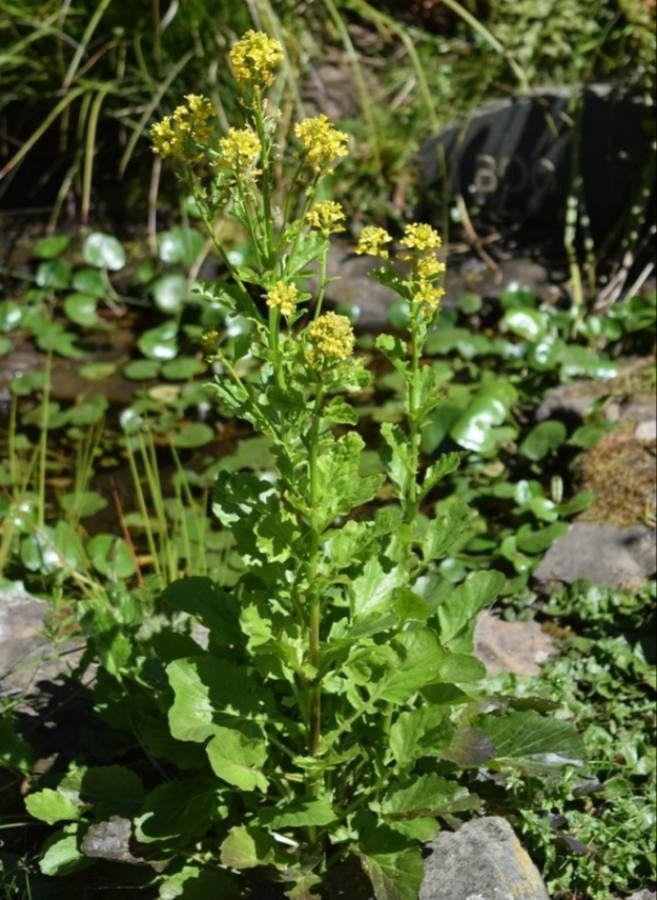
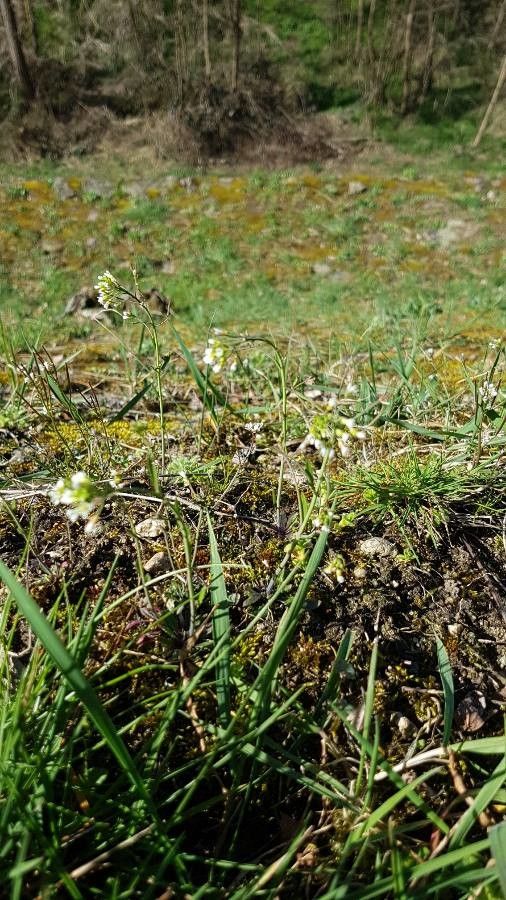
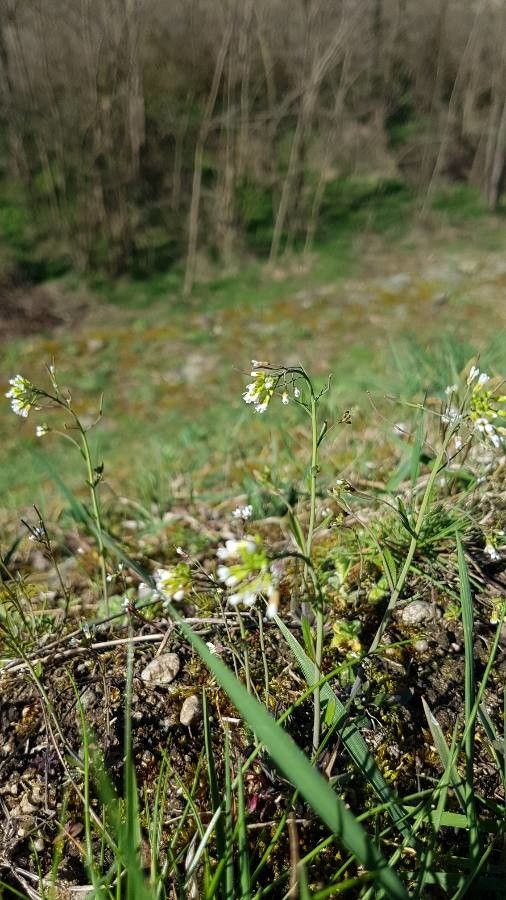
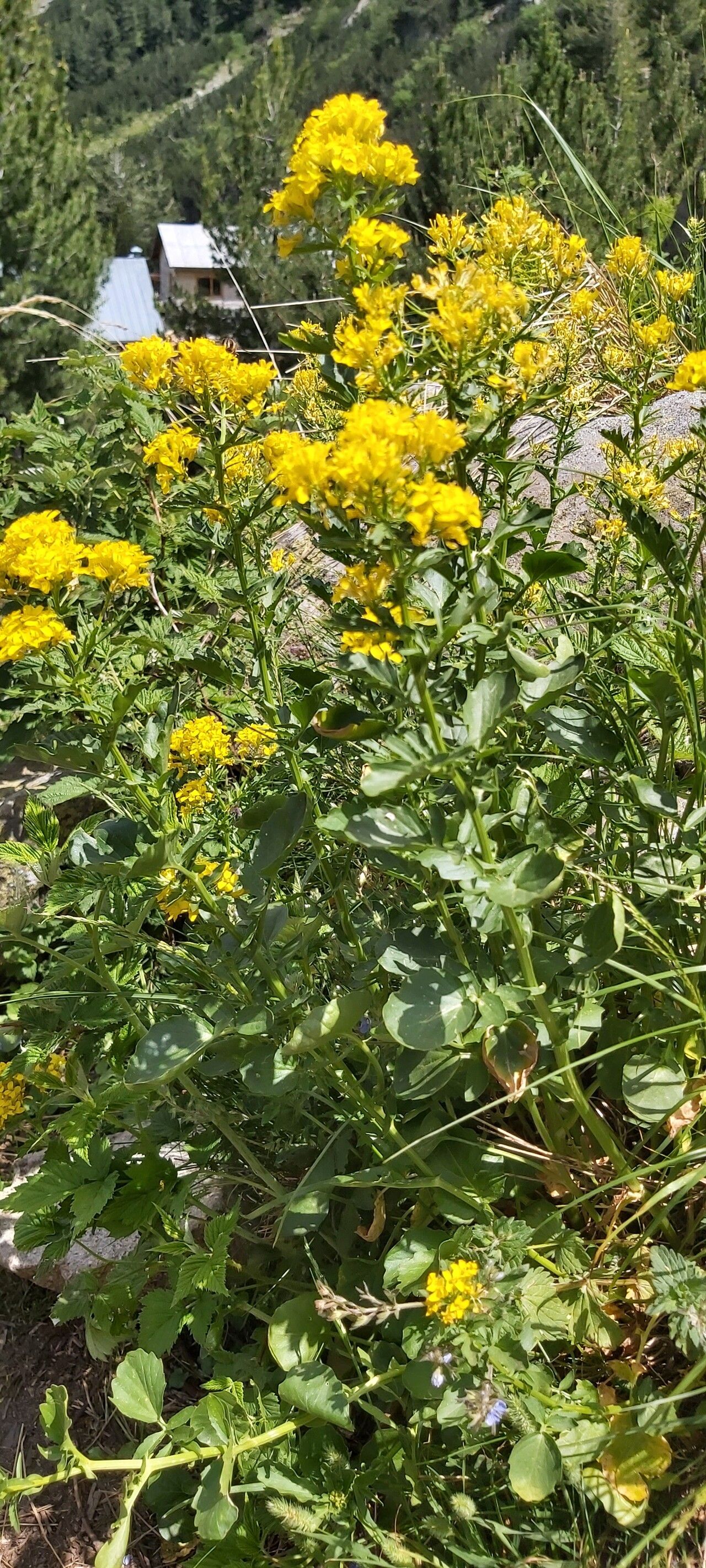
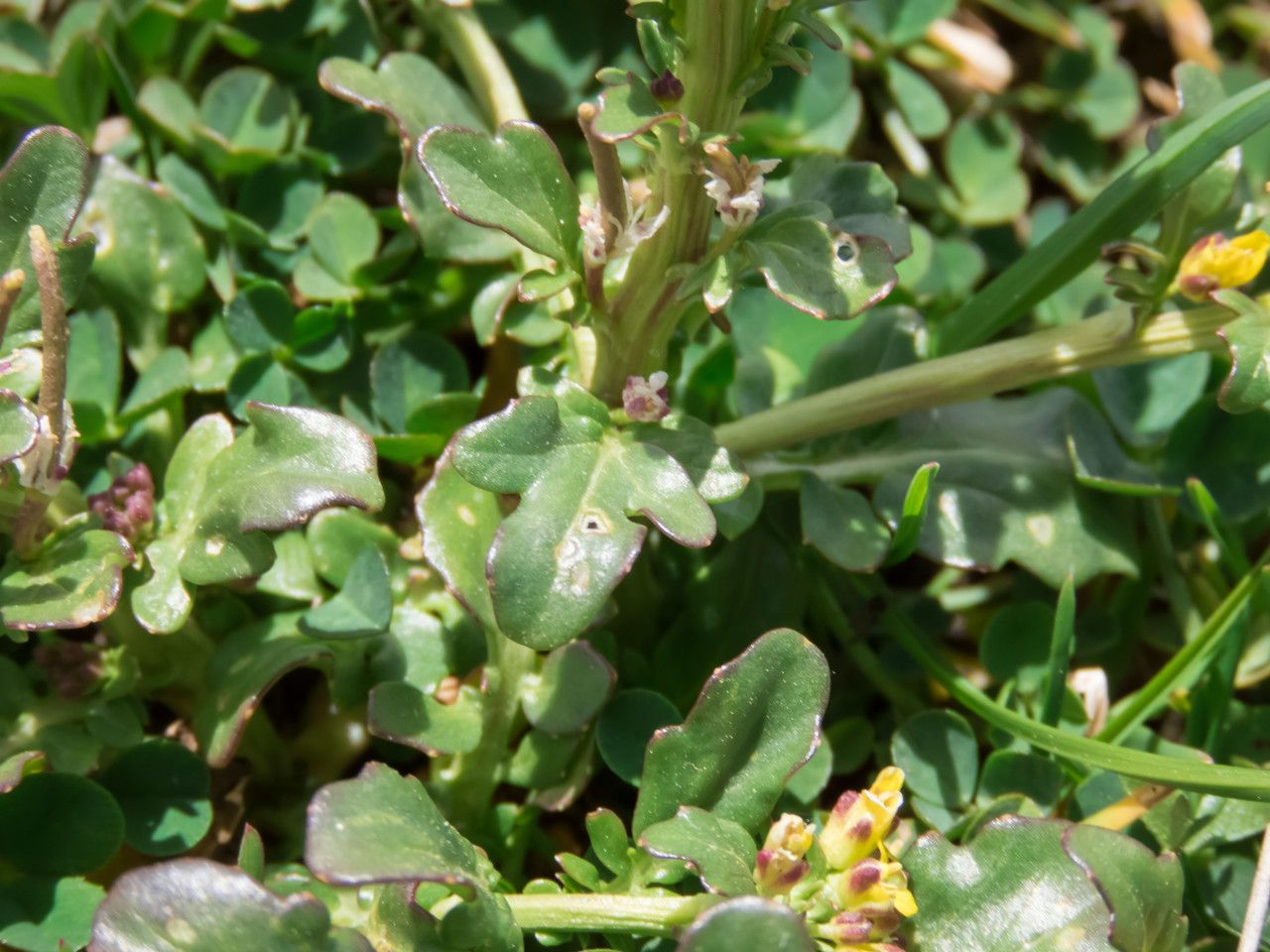
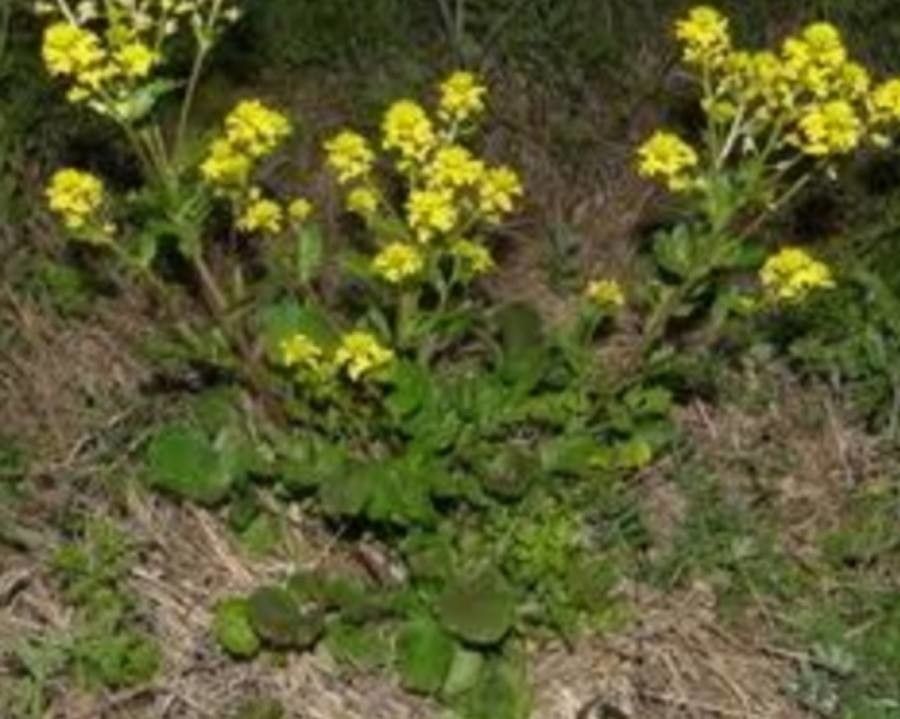
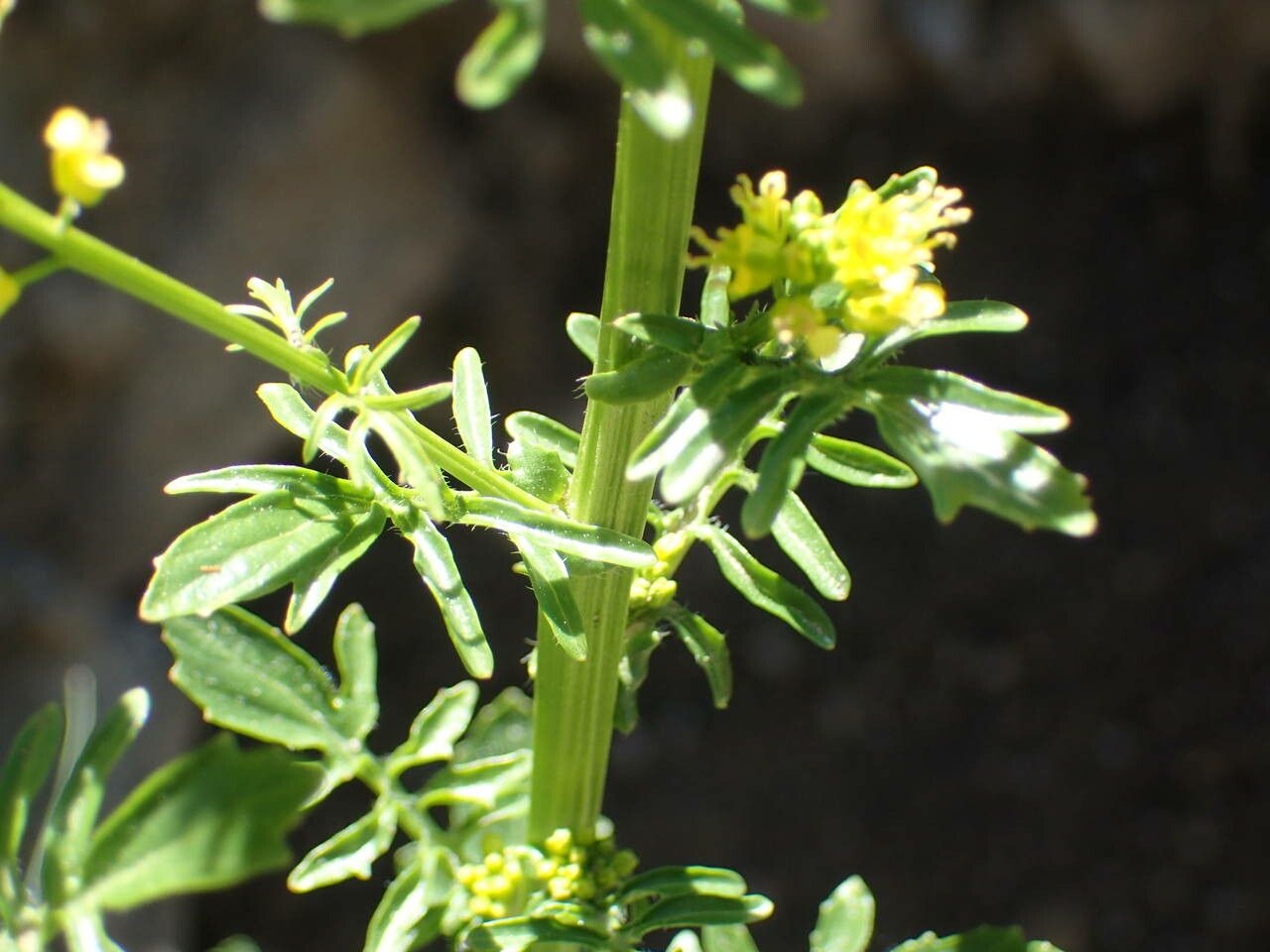
Barbarea australis, commonly known as native wintercress or riverbed wintercress, is a morphologically and ecologically typical Barbarea species with an unusual distribution: it is an endemic and threatened species from Tasmania. The leaves have a large end-lobe and only few side lobes, much like the leaf-shape of Barbarea stricta and Barbarea orthoceras. With regard to defence chemicals (glucosinolates), it is similar to other members of the genus.
Native winter cress is fairly disease-resistant and typically not affected by illnesses. Nevertheless, it can be vulnerable to pests and pathogens present in its surroundings. These infections are usually mild. In terms of care, the plant has moderate maintenance needs. It should be pruned regularly to maintain an attractive appearance and support healthy growth. Fertilizing can also help encourage flowering. Native winter cress is suited to anyone with outdoor space, such as a garden or patio, and does not require extensive care experience. It may need more attention when grown indoors.
How to keep Barbarea Australis.
Temperature
Native winter cress can tolerate a wide range of temperatures, yet its distribution may still be constrained by different combinations of water and heat. It does best in warm summer climates with adequate rainfall or watering. Extended periods of cloudy, rainy weather, as well as sustained high temperatures, can increase the likelihood of Native winter cress dying. In winter, suitable protection from the cold can enhance the plant's survival rate.
Fertilizer
One fertilizer application in spring is usually enough for Native winter cress, though repeated feedings can maximize growth. Feed every month to every month and a half. Fertilizing improves the leaves' appearance and function, helping maintain even color and a healthy texture. It also promotes root development and nutrient uptake, supporting the plant’s long-term health.
Botanical profile.
- Plant Type
- Herb
- Life Cycle
- Perennial
- Genus
- Barbarea
- Family
- Brassicaceae
- Hardiness Zone
- 5-9
Other names.