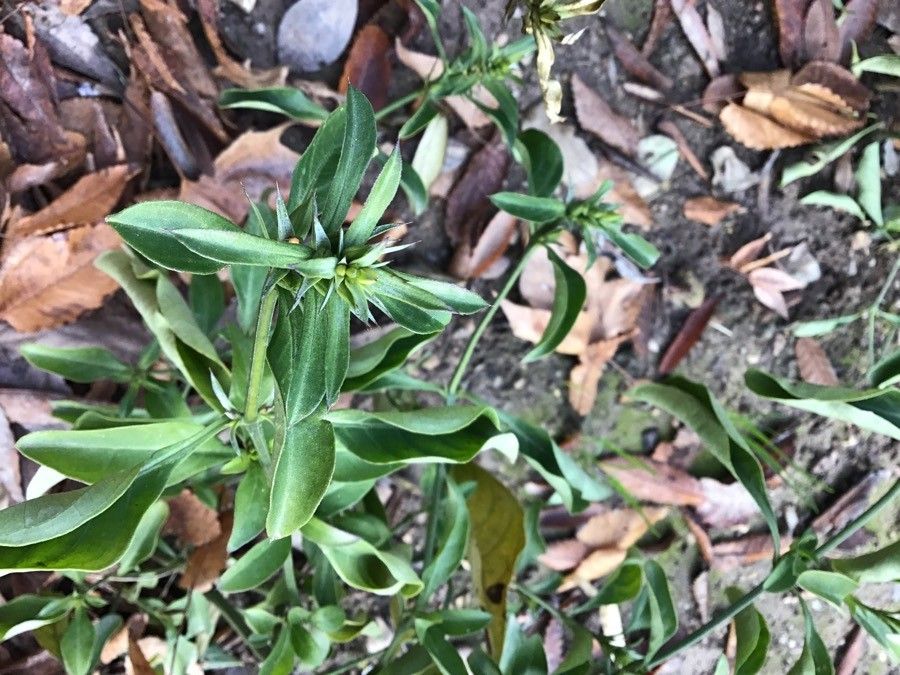
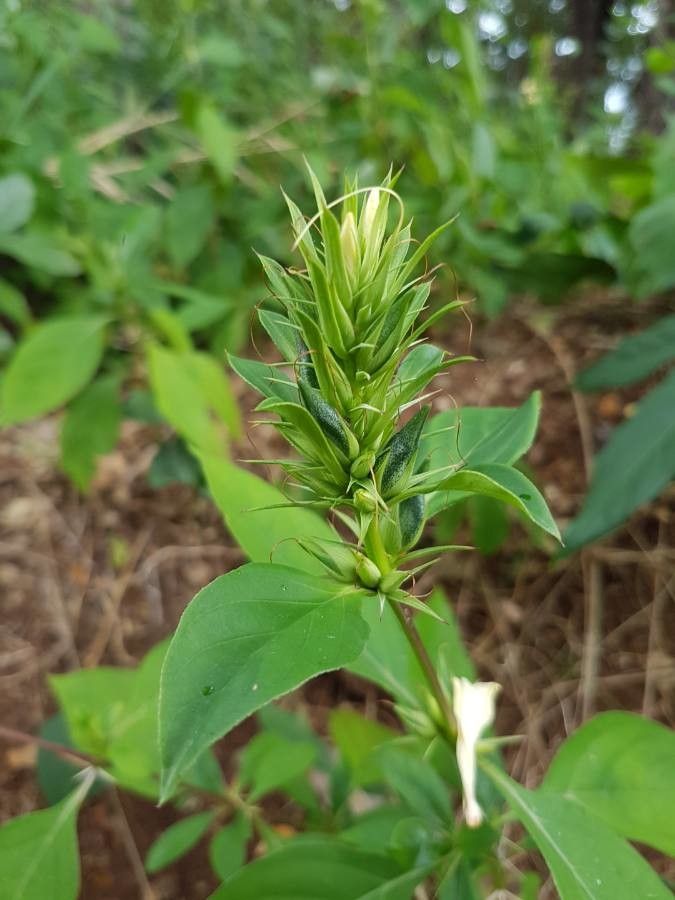
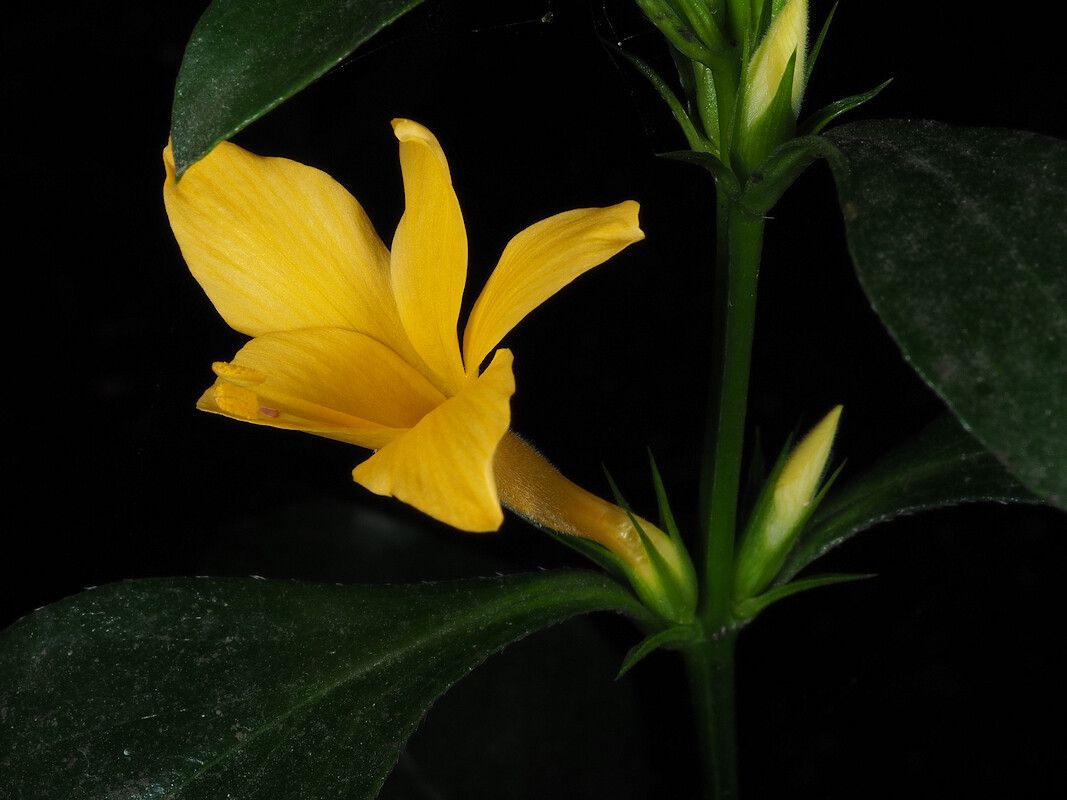
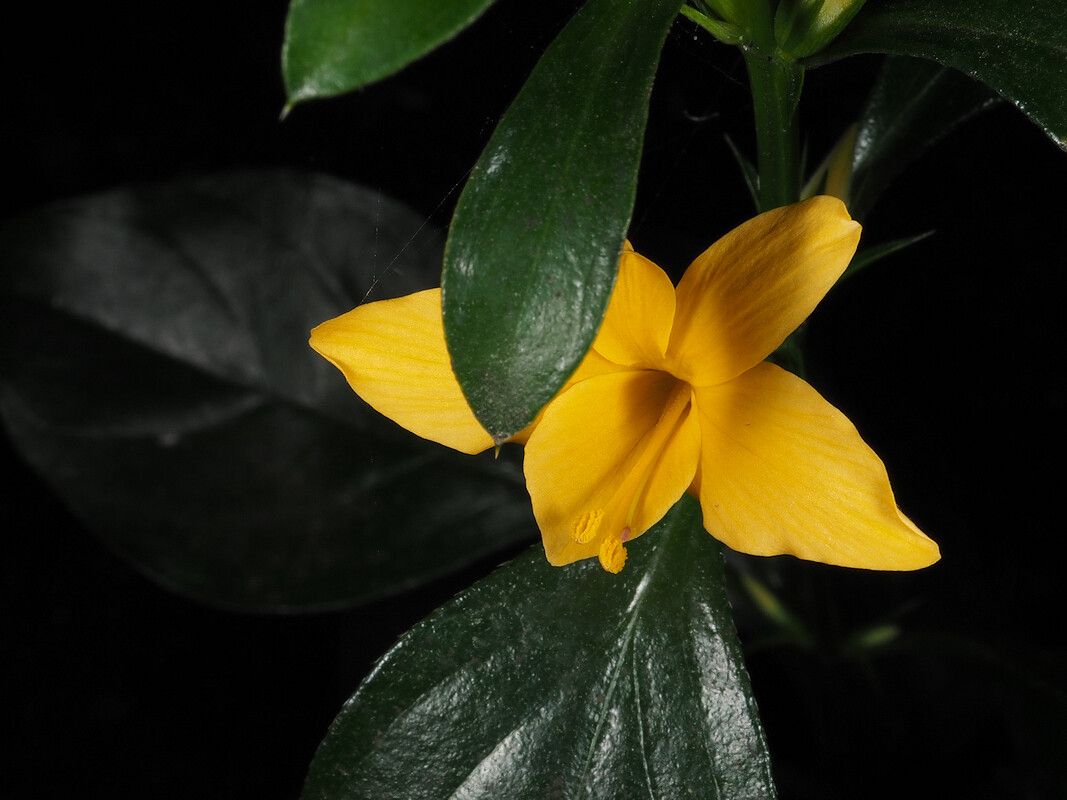
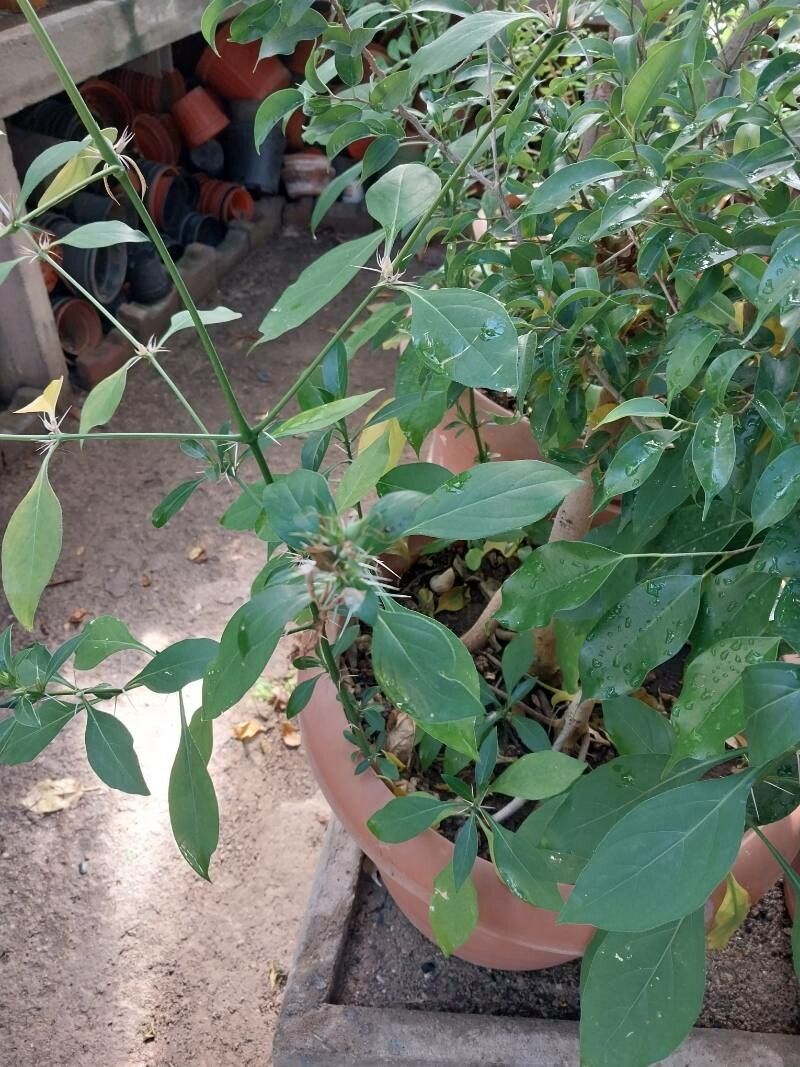
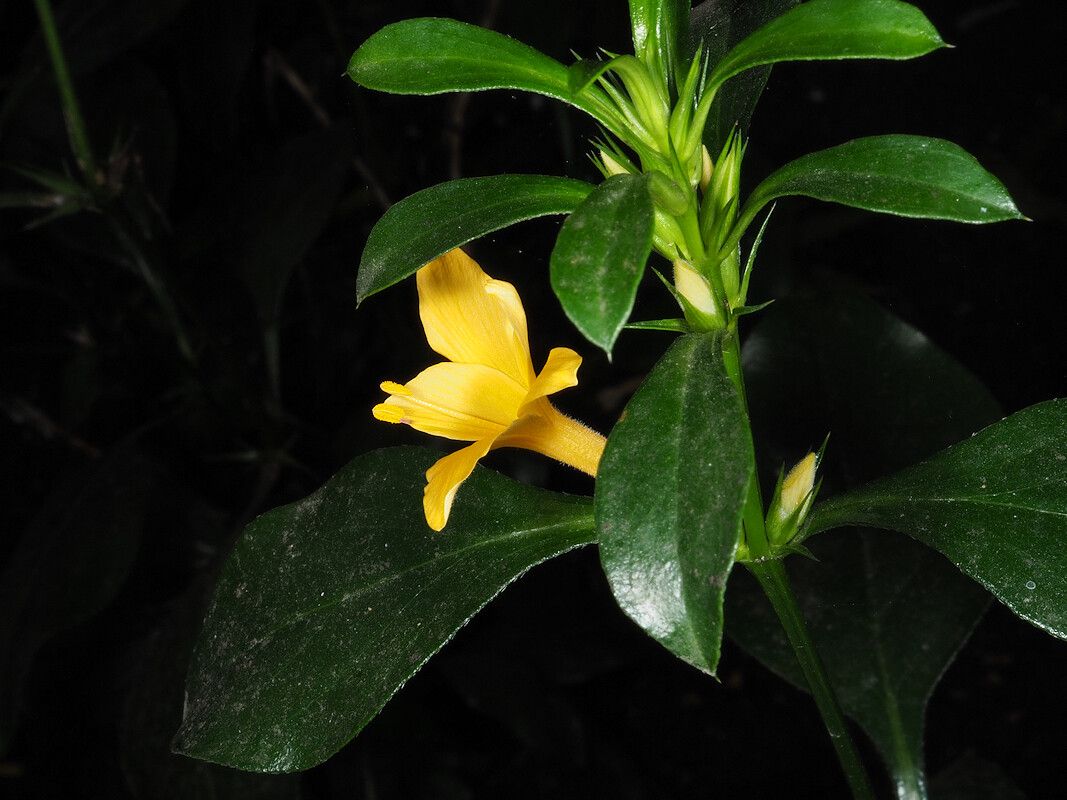
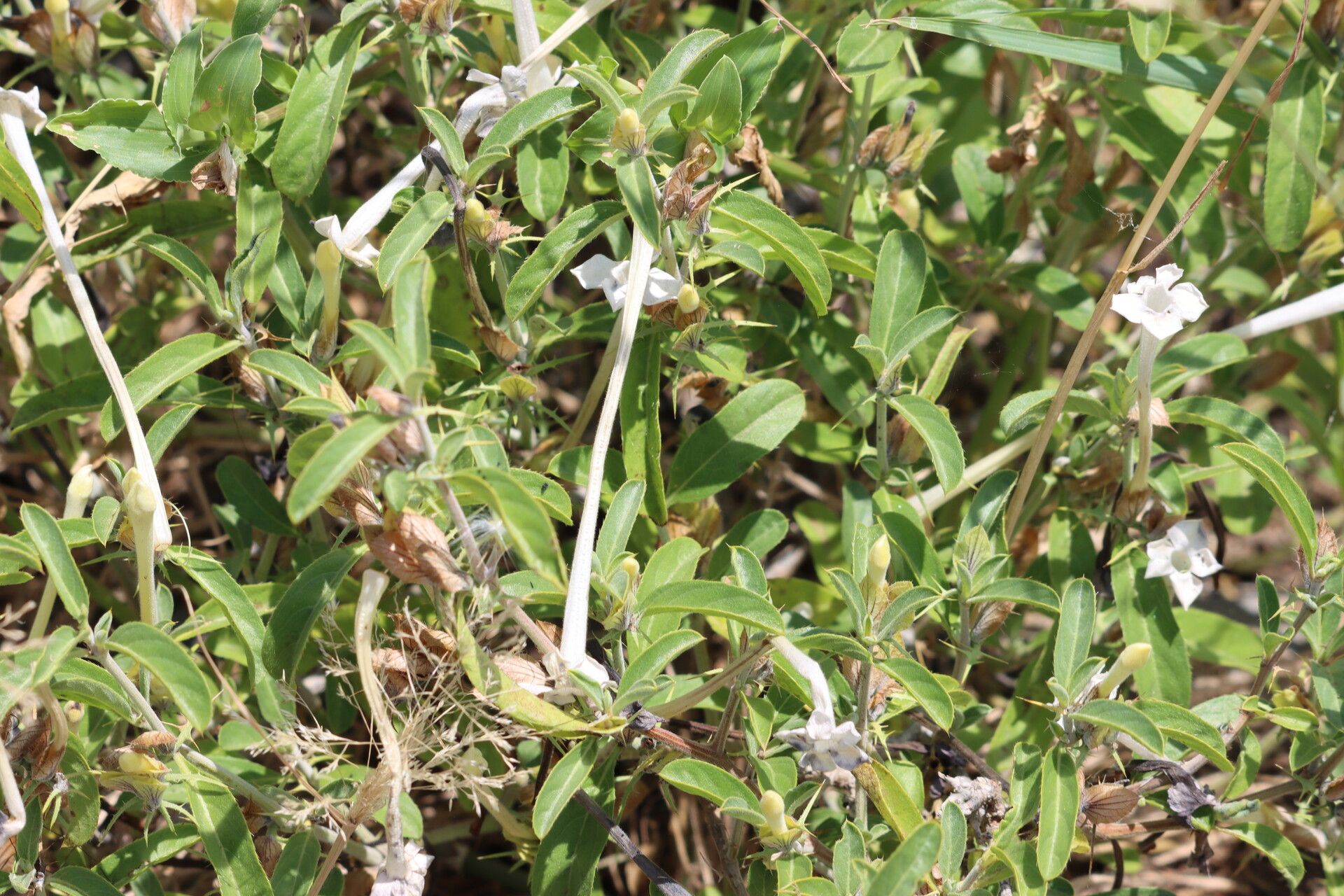
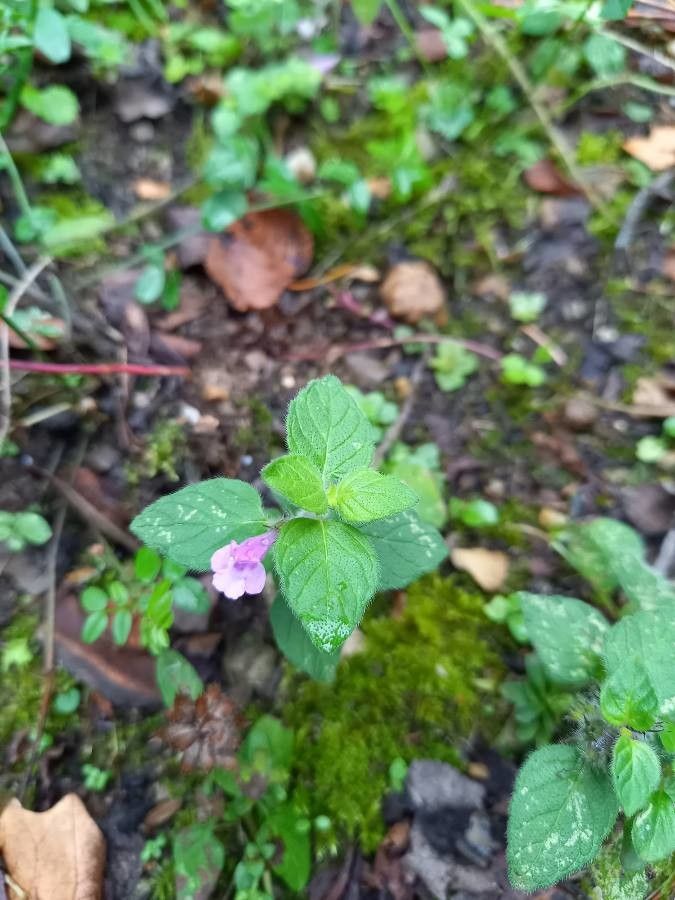
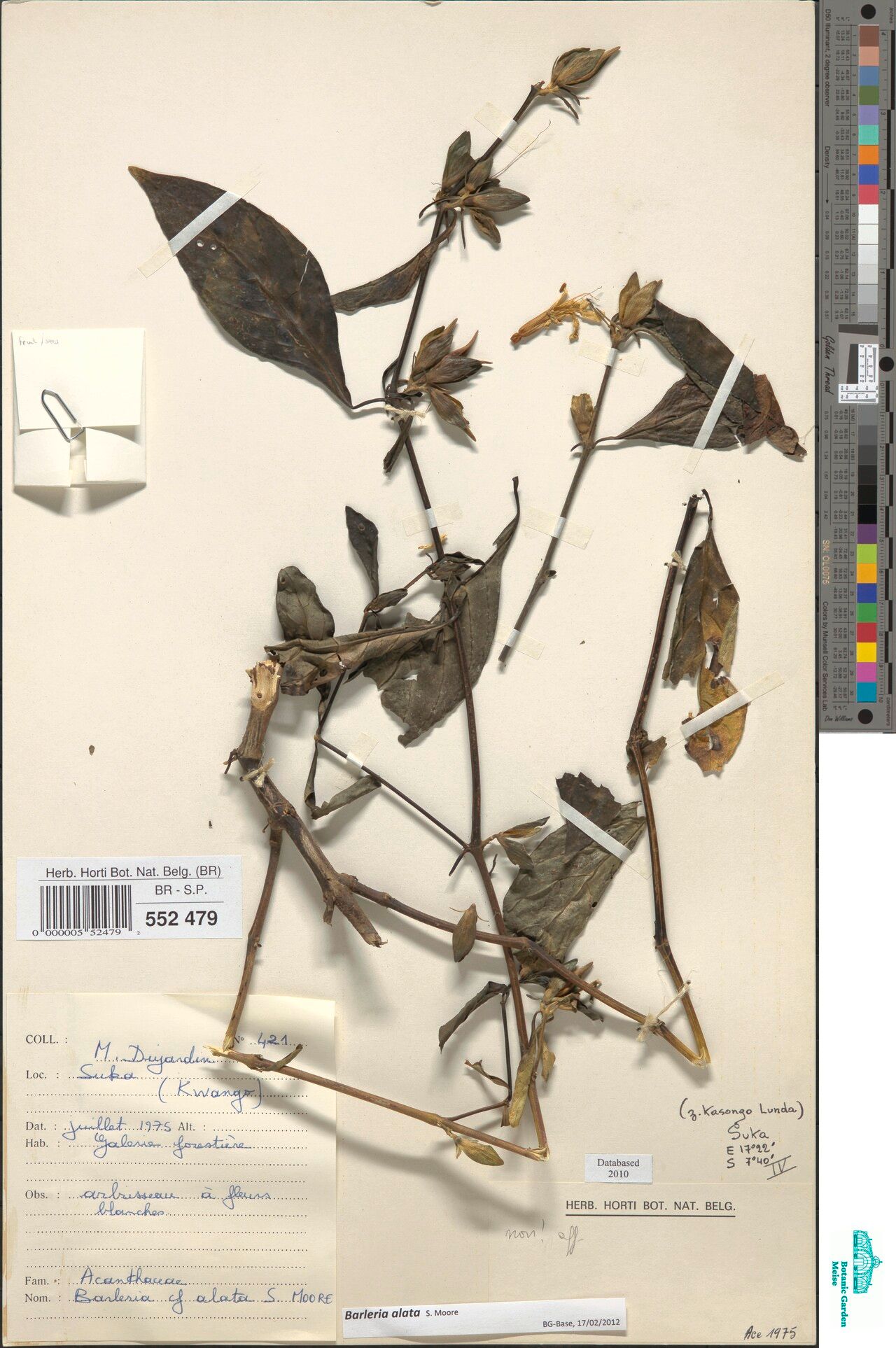
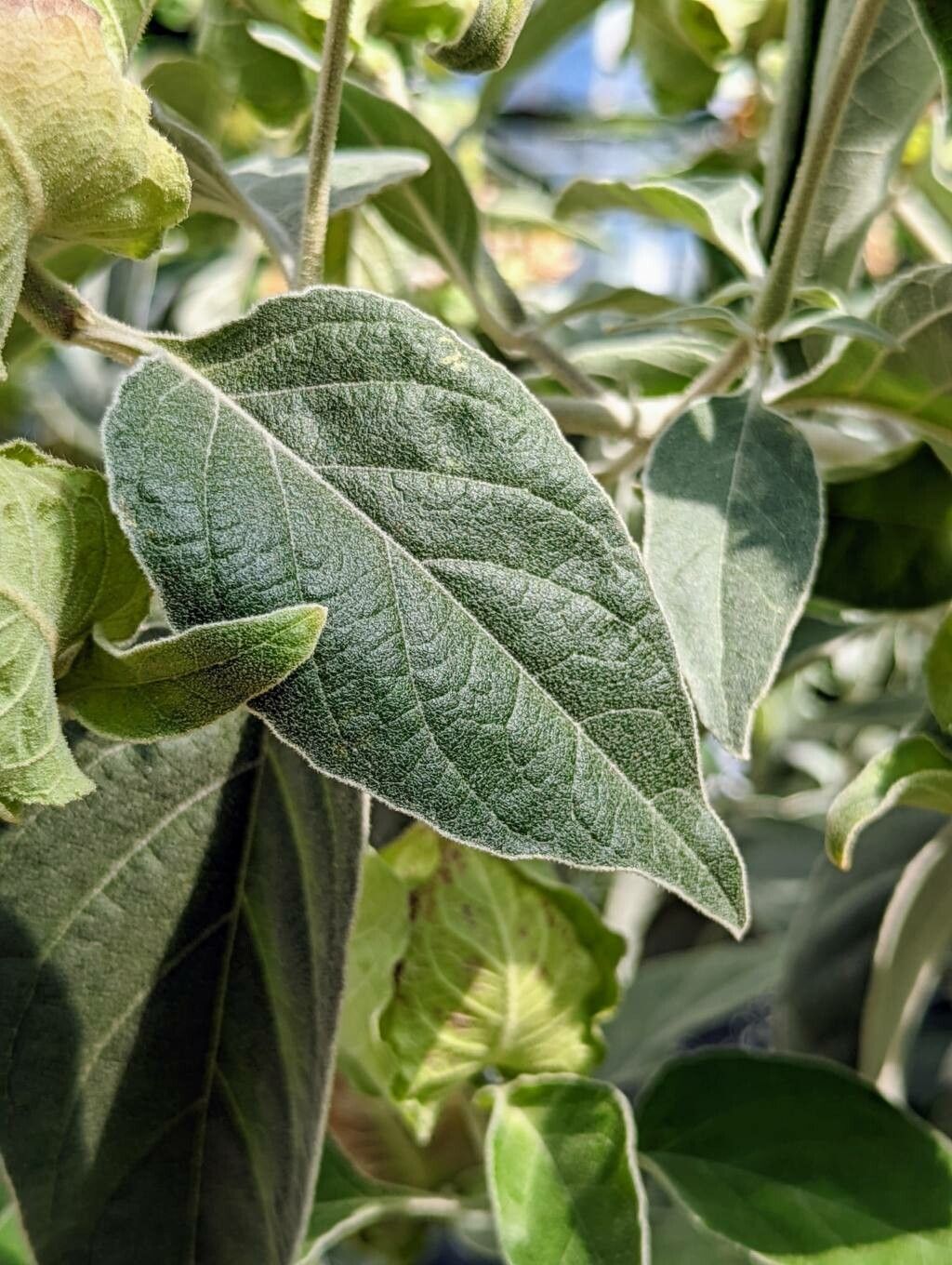
Barleria prionitis is a shrub in the family Acanthaceae, native to Island and Mainland Southeast Asia, China, the Indian Subcontinent, the Arabian Peninsula and northeastern Africa. It is widely spread as an ornamental and weed, occurring in naturalised populations around the world. It used not only as an ornamental but also as a hedge and extensively as a component of folk medicines. As a weed it is regarded as problematic in many areas.
Porcupine flower is highly resistant to disease and typically does not suffer from illnesses. In terms of maintenance, this plant is fairly low-maintenance. When grown outdoors it needs little watering, and larger plants usually do not require pruning. Smaller plants, however, should be pruned after they finish blooming. Porcupine flower is suitable for anyone with an outdoor area, such as a garden or deck, and does not demand extensive plant-care experience.
How to keep Barleria Prionitis.
Light
Porcupine flower originates in open environments, such as sunny meadows and forest edges, which provide abundant light. It thrives in Full Sun but can also tolerate Partial Sun, adapting well to various sunlight conditions.
Water
The porcupine flower flourishes in tropical environments and requires consistent moisture, needing to be watered weekly. Although it can tolerate moderate drought, it thrives with stable humidity. This plant prefers outdoor conditions and grows best in well-draining soil to prevent waterlogging.
Temperature
Porcupine flower naturally grows best in temperatures from 59 to 100.4 °F (15 to 38 ℃). The plant’s temperature needs are flexible, allowing it to suit a variety of environments. Proper adjustment and moderation of temperature across different seasons can better support its optimal growth.
Fertilizer
The best time to fertilize a Porcupine flower is in early spring, as it breaks dormancy. This encourages overall growth and the development of blooms. Fertilizing improves the foliage, stems, and branches, and encourages flowers that are larger, more vivid, and longer-lasting. It assists in moving nutrients from the roots to the flowers and enhances the plant’s health and resistance to disease.
Pruning
The porcupine flower, known for its spiny leaves and vibrant yellow blooms, benefits greatly from winter pruning. Trim back one-third of its growth to improve both foliage density and flowering. Be sure to remove any dead branches to maintain the plant's health. Regular pruning not only enhances the plant's shape but also boosts its vigor. Always use clean tools to prevent disease, which contributes to the plant's overall vitality.
Pot & Repot
Repot the porcupine flower every 2 to 3 years in early spring, using a pot that is 2 inches larger in diameter than the current one. Keep the soil moist and provide bright, indirect light to ensure optimal growth. With proper care, the porcupine flower will thrive and display its unique spiny bracts beautifully.
Botanical profile.
- Plant Type
- Shrub
- Life Cycle
- Perennial
- Genus
- Barleria
- Family
- Acanthaceae
- Hardiness Zone
- 8-11
- Mature Height
- 1.52 m
- Mature Spread
- 49 cm
- Leaf Color
- Green
- Leaf Type
- Evergreen
- Flower Color
- Yellow, Orange
- Flower Size
- 2.54 cm to 5.08 cm
- Bloom Time
- Winter
- Planting Time
- Spring, Autumn
- Harvest Time
- Spring
- Native Area
- Sri Lanka, India, Malaysia, Angola, Namibia, Madagascar, Eritrea, Pakistan, Yemen, Kenya, Tanzania, Indonesia, Mozambique, Ethiopia, Botswana, Nepal, Malawi, Saudi Arabia, South Africa, Sudan, Philippines, Bangladesh, Laos, China, Vietnam, Myanmar, Thailand
Other names.
Reader questions.
What are the sunlight requirements for Porcupine flower?
The Porcupine flower, or Barleria prionitis, thrives in various sunlight conditions. For full sun exposure, it requires above 6 hours of sunlight daily, which is ideal for optimal growth and flowering. Alternatively, if you're dealing with partial sun conditions, about 3-6 hours of sunlight will suffice. It's important to observe how sunlight moves through your garden throughout the day to identify locations that offer a balance of light and shade, ensuring the Porcupine flower's needs are met and promoting its well-being.
What is the optimal temperature range for the growth of a Porcupine flower?
The Porcupine flower, known botanically as Barleria prionitis, thrives best in temperature ranges between 59 to 100.4 °F (15 to 38 °C). Its flexible temperature requirements make it suitable for a variety of environments. However, for optimal growth, adjusting and moderating the temperature in accordance with the changing seasons is beneficial.