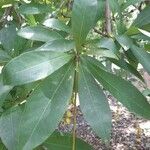
Barringtonia acutangula
Freshwater mangrove · Mango-pine · Itchytree · Indian oak · Stream barringtonia
Description
Source: leafsnapBarringtonia acutangula is a species of Barringtonia native to coastal wetlands in southern Asia and northern Australasia, from Afghanistan east to the Philippines, Queensland and the Northern Territory. Common names include freshwater mangrove, itchytree and mango-pine.
Care Guide
💧 Water Every 2 weeks
The Indian oak thrives in high humidity and prefers consistent moisture, although it can tolerate brief flooding and moderate drought. For optimal health, water the Indian oak every two weeks. It is an excellent choice for rain gardens, as it adapts well to fluctuating water levels and seasonal changes in soil moisture.
☀️ Light Full sun
Indian oak is a plant that depends largely on abundant sunlight for healthy growth, coming from a habitat where high light levels are typical. Although it can tolerate somewhat reduced light, severe shortage or excessive sun can hinder its growth and development.
What are the sunlight requirements for Indian Oak?
Indian Oak thrives when exposed to ample sunlight, benefiting from more than 6 hours of direct sunlight daily (full sun) and can also grow under about 3-6 hours of sunlight (partial sun). Observing how sunlight traverses your garden will help in selecting spots that offer an ideal mix of light and shade, ensuring the plants' wellbeing. This plant originates from ecosystems accustomed to significant light exposure; thus, it fares best under such conditions, though it can manage slight variations.
How can artificial lighting benefit indoor Indian Oak plants?
When natural sunlight is not sufficient, especially during winter or in less sunny locations, indoor Indian Oak plants can greatly benefit from artificial lighting. It promotes faster, healthier growth by compensating for the lack of natural light. LED lights are recommended for indoor plant lighting as they can be tailored to provide specific light wavelengths needed by plants. Full sun plants require 30-50W/sq ft of artificial light, partial sun plants need 20-30W/sq ft, and full shade plants should get 10-20W/sq ft. The light source should be placed 12-36 inches above the plant to mimic natural sunlight, and the duration should match the natural daylight hours, typically 8-12 hours per day, for your specific plant species.
What are the key symptoms of light deficiency or overexposure in Indian Oak?
Indian Oak shows various symptoms in response to light deficiency such as smaller new leaves, leggy or sparse growth, faster leaf drop, slower or no new growth, and lighter-colored new leaves. Additionally, overexposure to sunlight can cause chlorosis, sunscald, leaf curling, wilting, and leaf scorching. These symptoms indicate either a lack of sufficient sunlight which affects chlorophyll and essential nutrients, or excessive sun exposure leading to tissue damage and increased water loss through transpiration, negatively impacting the plant's health and growth.
How to manage lighting for optimal Indian Oak growth indoors and outdoors?
For indoor Indian Oak plants, gradual relocation to sunnier spots each week is recommended until at least 6 hours of direct daily sunlight is achieved. A south-facing window with open curtains during the day maximizes sunlight exposure. If the plant is large or not easily movable, consider providing additional light with desk, ceiling lamps, or professional grow lights for at least 8 hours a day. Outdoors, gradually transition your plants to ideal sunlight spots to prevent sunburn. Note that parts of the plant affected by insufficient light might not recover, but new growth will be healthy after light exposure is increased. To reduce obstructions, observe the environment for sunlight blockers like trees and consider pruning or transplanting smaller plants during their dormant period for better sunlight access and drainage.
🌡️ Temperature 20–37.8°C
Indian oak comes from tropical areas where the climate is typically warm and humid. Therefore it is adapted to high heat and moisture. It does not tolerate sudden temperature shifts and prefers a steady temperature, so avoiding indoor temperature fluctuations is important. It generally cannot withstand cold and needs higher temperatures to grow. If the surrounding temperature falls too low, the plant may stop growing or even die.
💨 Humidity
🪴 Soil 6-7
🌱 Fertilizer
The best time to fertilize an Indian oak is in early spring, as it breaks dormancy. This encourages overall growth and flower development. Fertilizing improves foliage, stems, and branches, and promotes large, vibrant, long-lasting flowers. It helps move nutrients from the roots to the flowers and enhances the plant’s health and resistance to disease.
🪴 Pot & Repot
✂️ Pruning
The Indian oak is known for its unique flowers and its ability to thrive in aquatic environments. Pruning should be done from early to late winter, concentrating on removing dead branches and shaping the plant to improve airflow. Using clean, sharp tools and cutting just above the leaf nodes will encourage healthier growth and more vibrant flowering.
🌿 Propagating
🐛 Diseases & pets
☠️ Toxicity
Characteristics
- Plant Type
- Tree
- Life Cycle
- Perennial
- Genus
- Barringtonia
- Family
- Lecythidaceae
- Hardiness Zone
- 10-12
- Mature Height
- 4.57 m to 7.62 m
- Mature Spread
- 4.88 m to 7.92 m
- Leaf Color
- Green
- Leaf Type
- Evergreen
- Flower Color
- Pink, White
- Flower Size
- 48.77 cm
- Bloom Time
- Late spring, Summer, Early fall
- Planting Time
- Spring, Summer
- Harvest Time
- Late summer, Fall