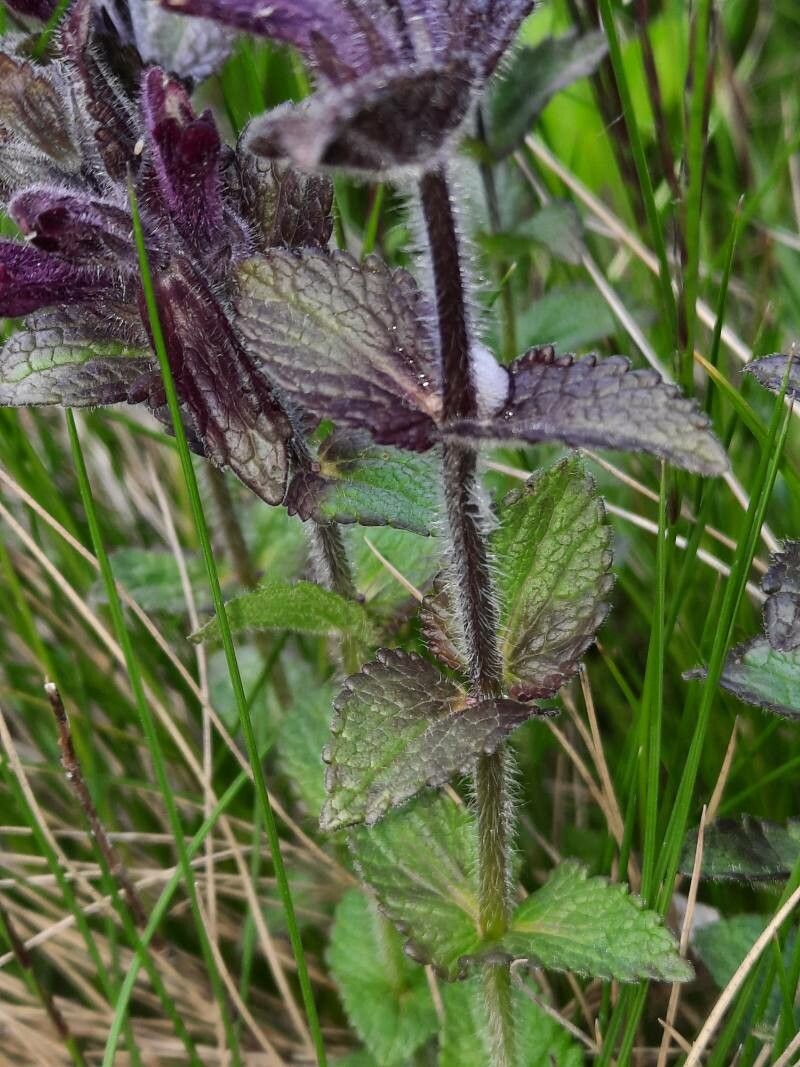
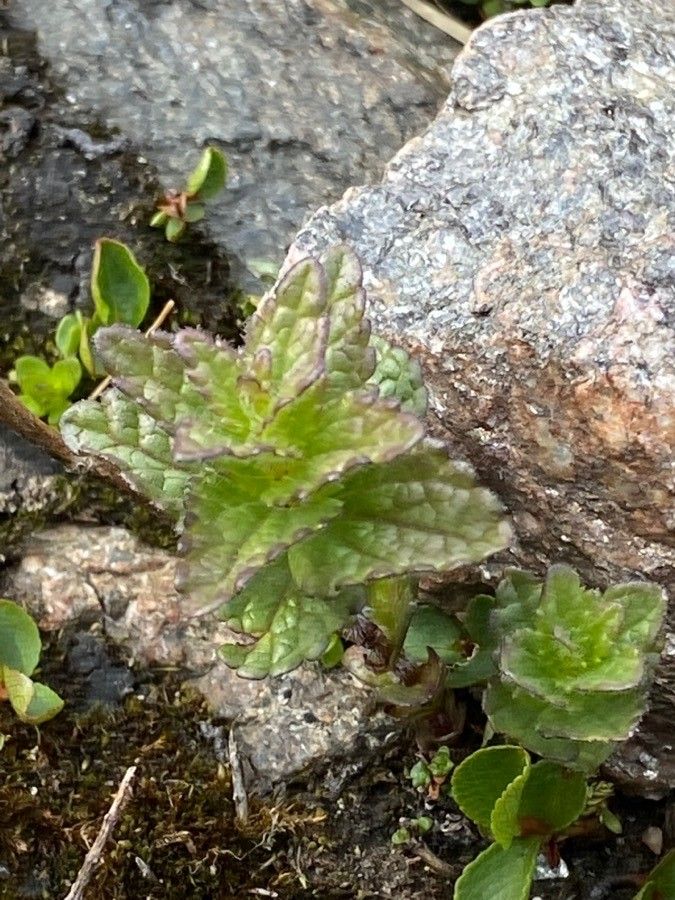
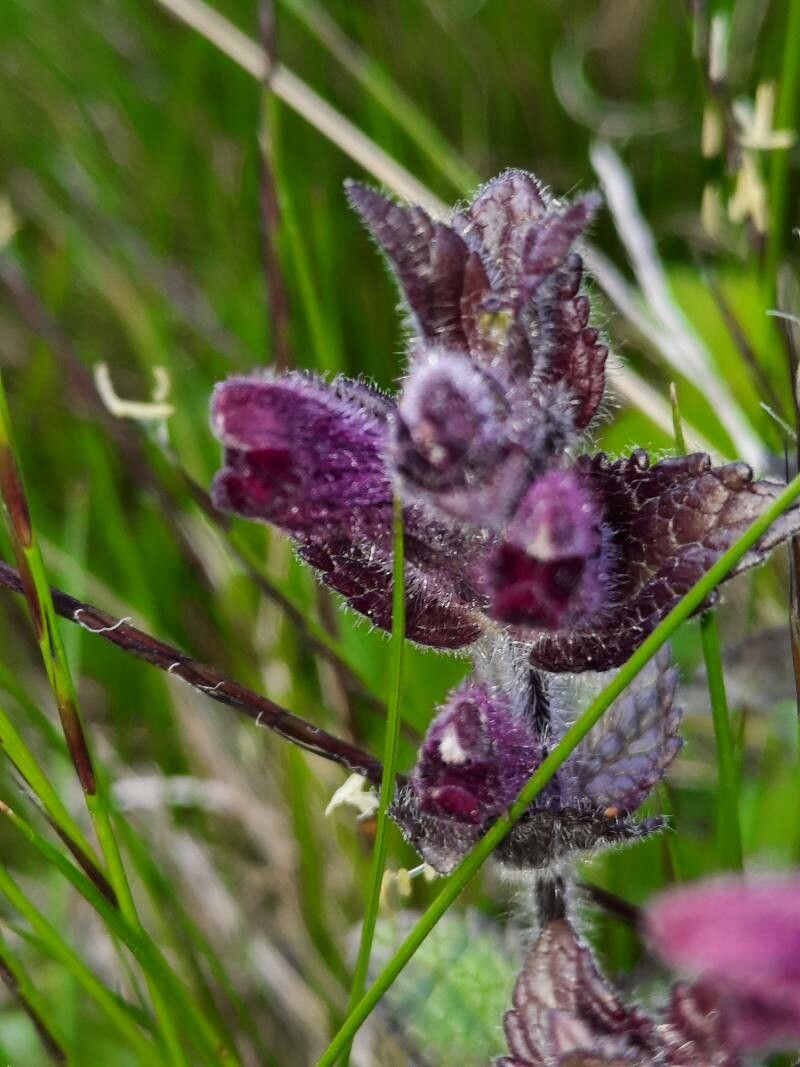
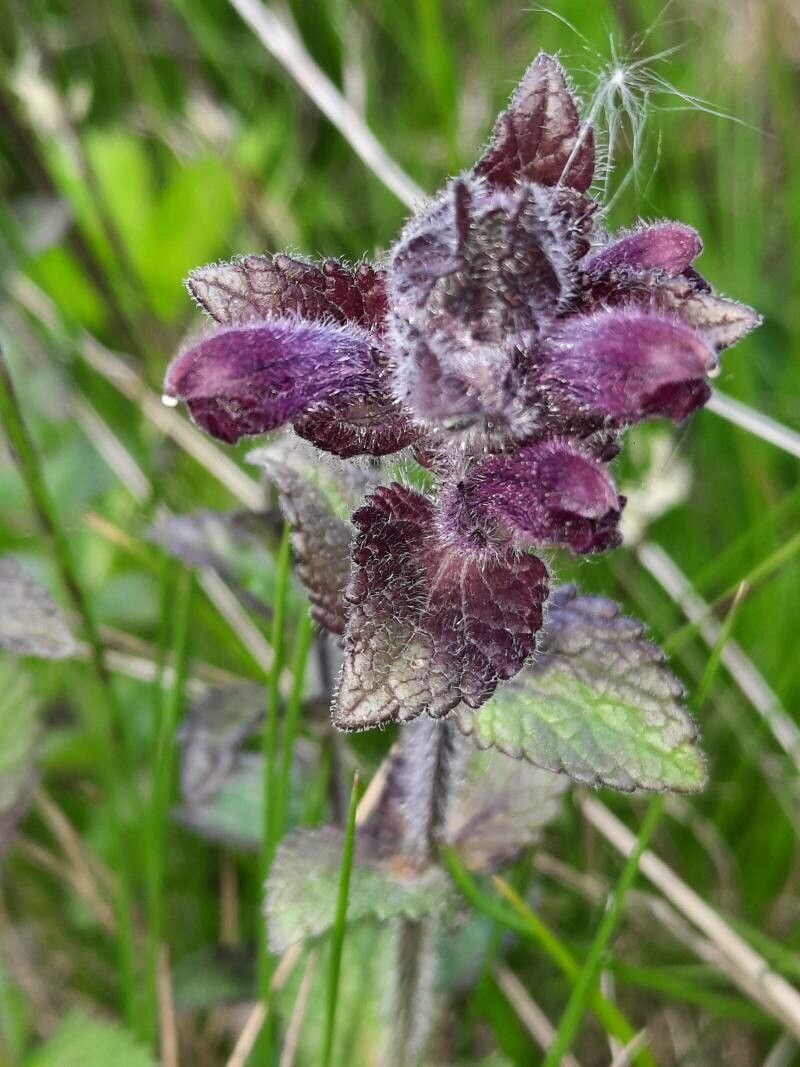
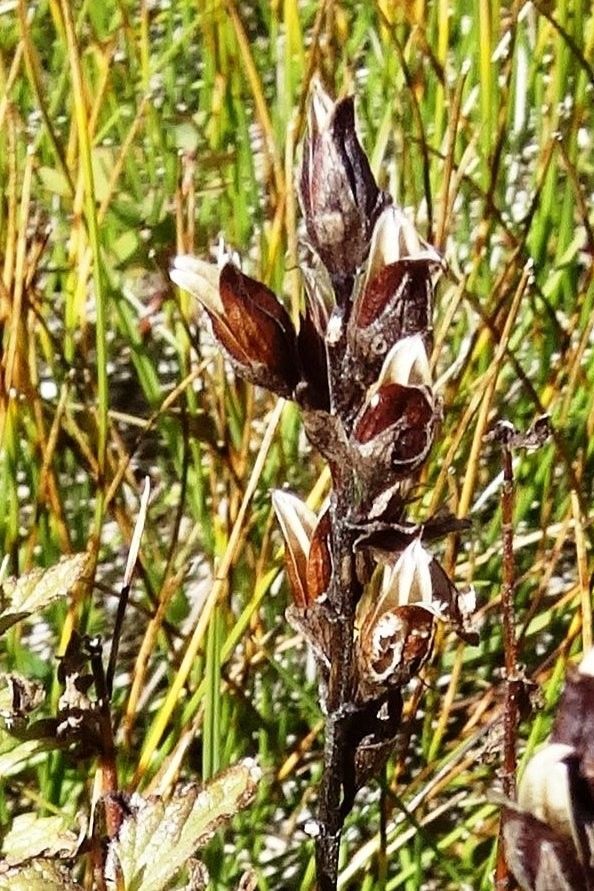
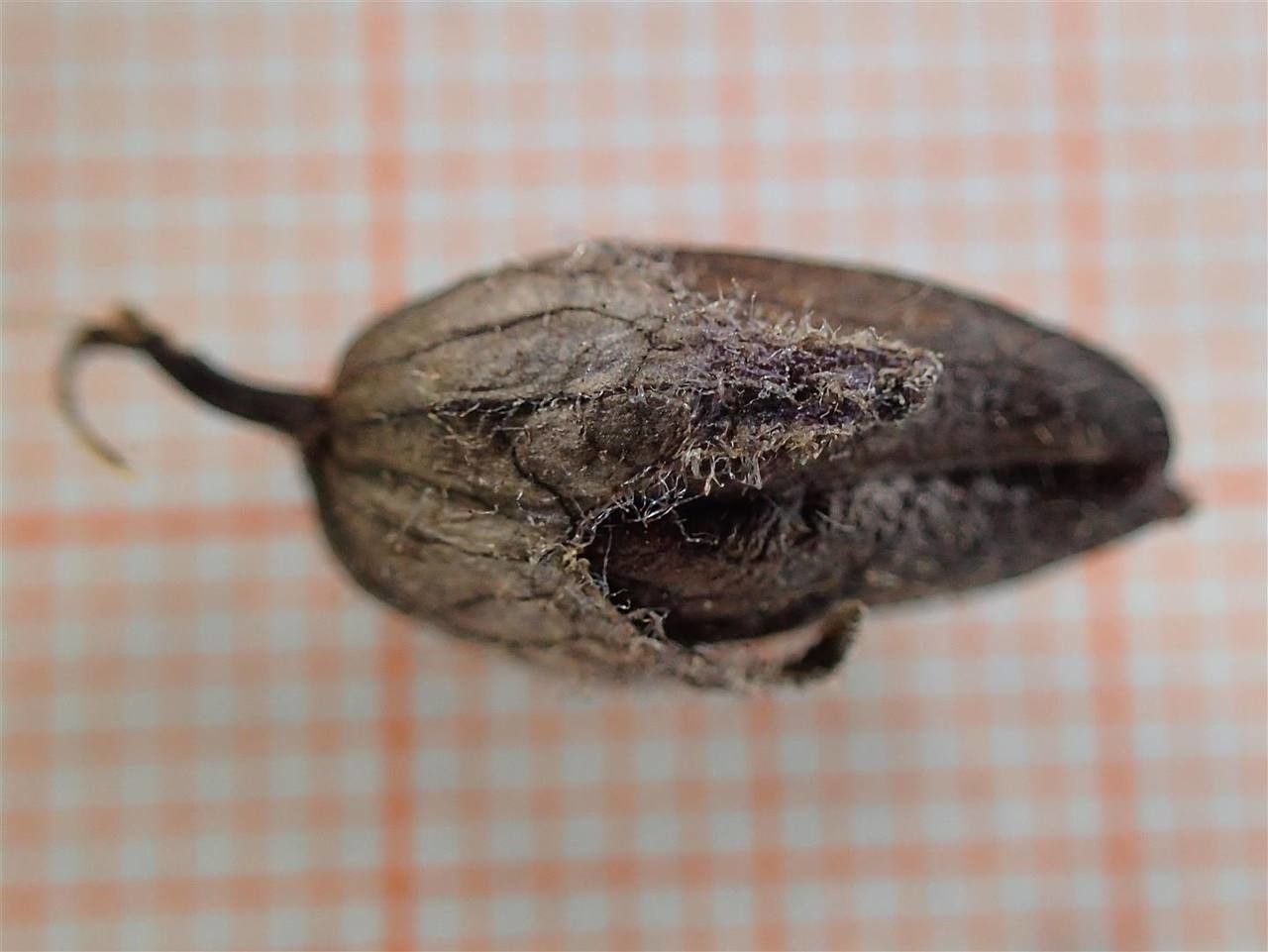
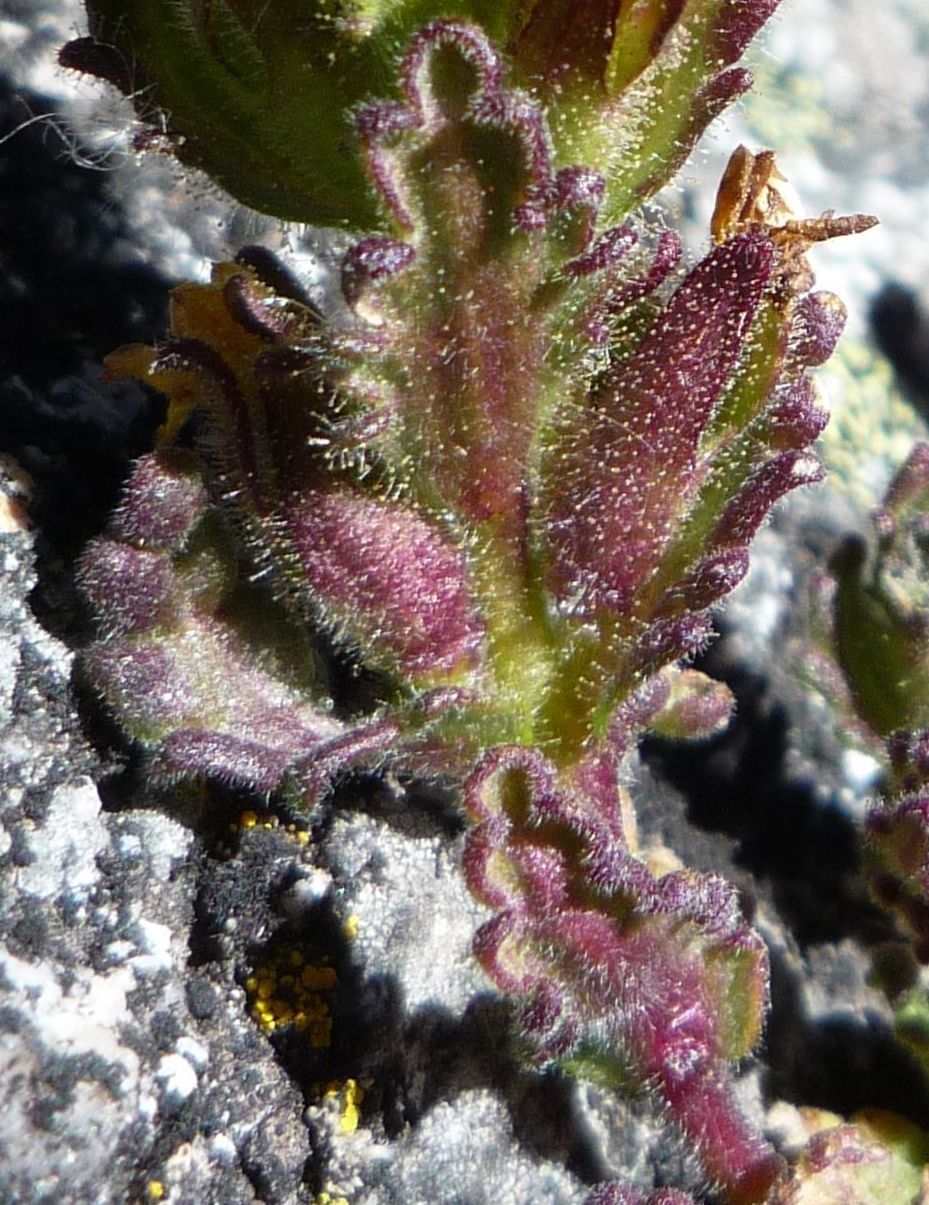
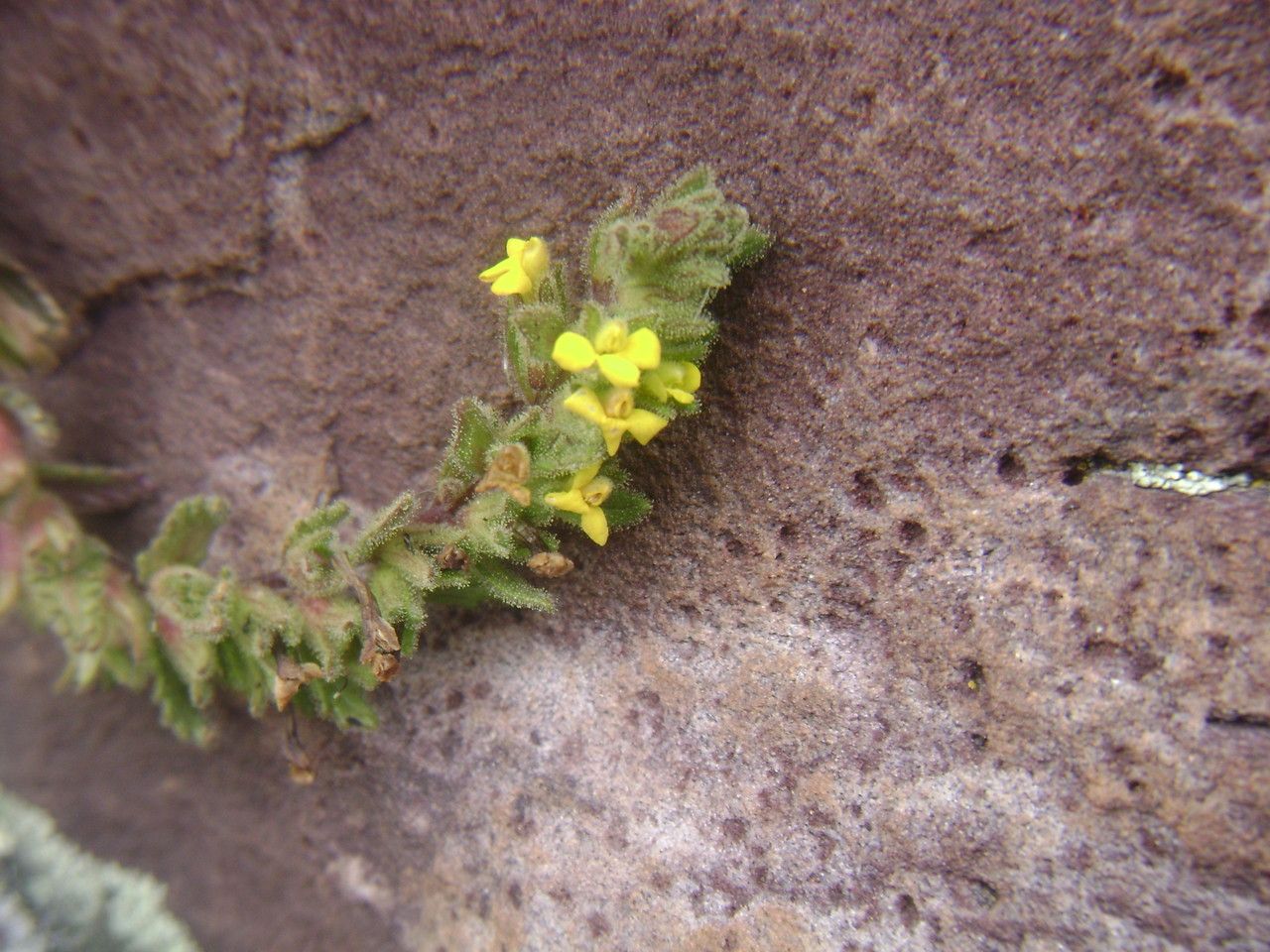
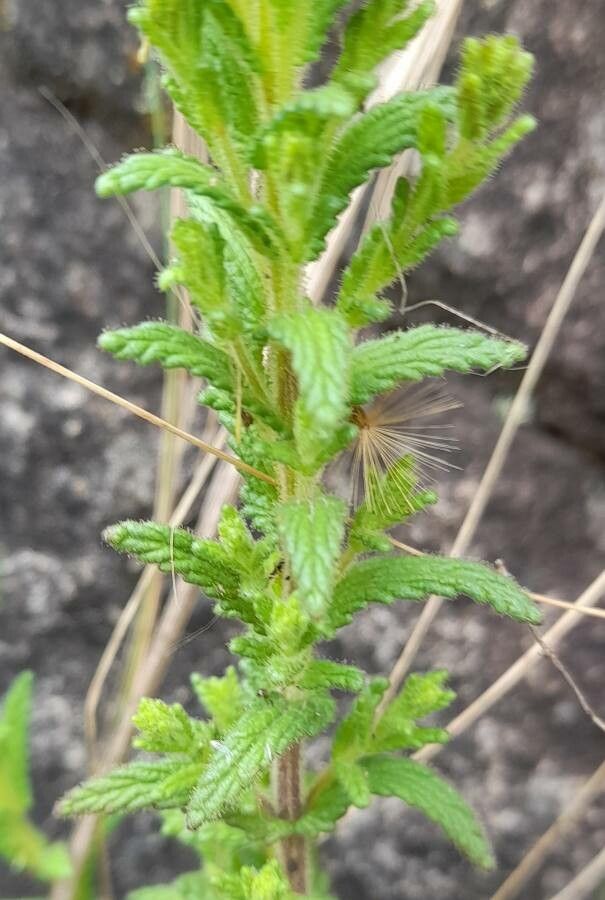
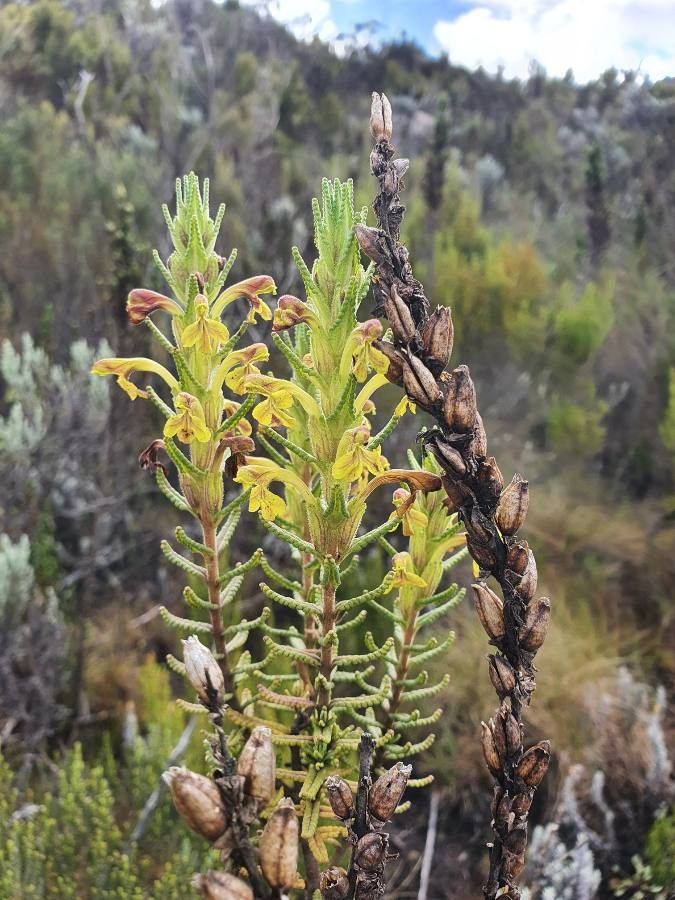
Bartsia alpina, commonly known as Alpine Bartsia, is a small herbaceous plant that belongs to the Orobanchaceae family. Native to the alpine regions of Europe and Asia, it thrives in rocky areas, meadows, and mountain slopes.
The plant features a short stem that can grow up to 10 centimeters in height, with opposite, oval-shaped leaves that are toothed at the edges. Its small flowers, which bloom from June to August, have pink or purple petals arranged in clusters at the top of the stem.
Traditionally, Bartsia alpina has been used for medicinal purposes, as it contains compounds like iridoids that have anti-inflammatory properties. Additionally, it serves as an important food source for pollinators, especially bees.
Due to its specific habitat requirements, Bartsia alpina is considered vulnerable by conservation organizations such as the International Union for Conservation of Nature (IUCN). Climate change and habitat loss resulting from human activities pose significant threats to its survival.
In summary, Bartsia alpina plays a crucial ecological role in its native environment and holds cultural significance through its traditional medicinal uses.
Botanical profile.
- Plant Type
- Herb
- Life Cycle
- Perennial
- Genus
- Bartsia
- Family
- Orobanchaceae
- Hardiness Zone
- 1
- Mature Height
- 8 cm to 30 cm
- Mature Spread
- 5 cm to 10 cm
- Leaf Color
- Green, Blue
- Leaf Type
- Deciduous
- Flower Color
- Purple
- Flower Size
- 1.78 cm to 2.29 cm
- Bloom Time
- Late spring, Early summer
- Planting Time
- Spring, Autumn
- Harvest Time
- Mid summer, Late summer
- Native Area
- Sweden, Austria, Czech Republic, Slovakia, Montenegro, Bulgaria, Poland, Croatia, Slovenia, Ukraine, Serbia, Russia, Norway, Germany, Italy, Spain, Switzerland, Denmark, Iceland, Finland, Albania, United Kingdom, Romania, France
Other names.