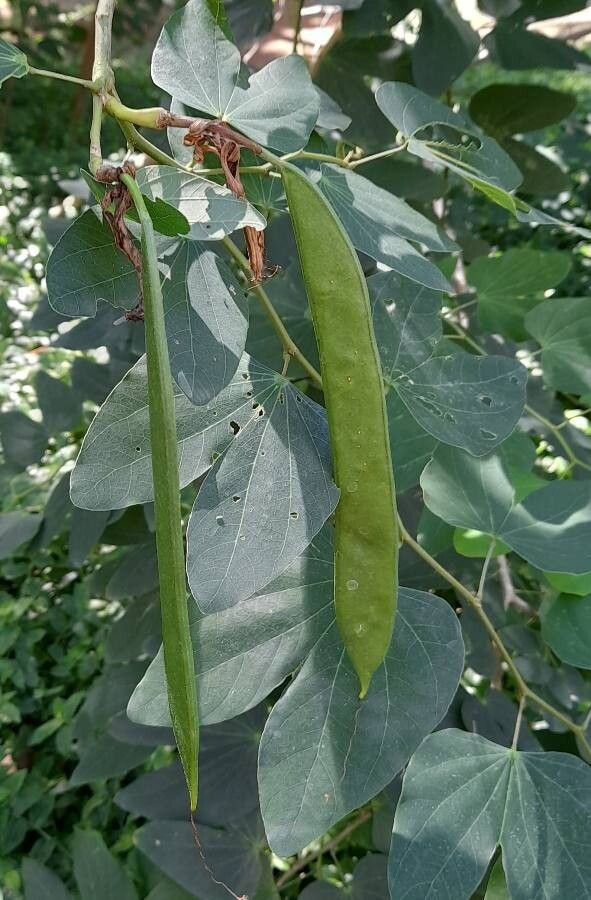
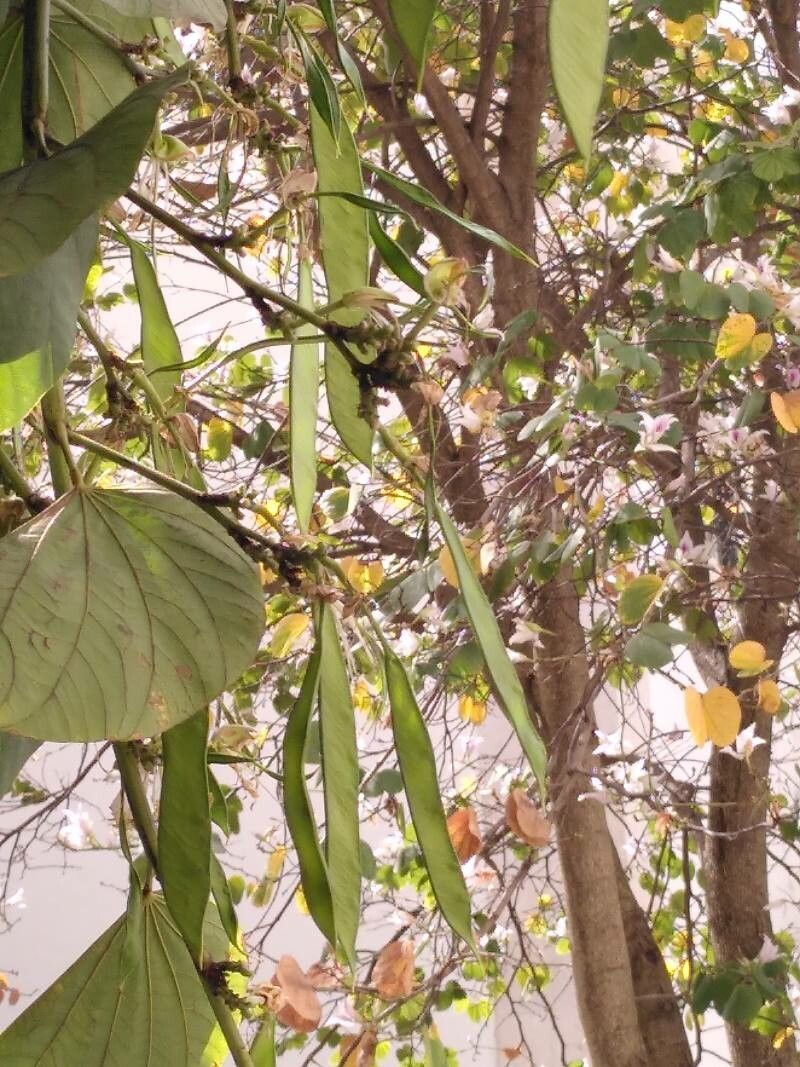
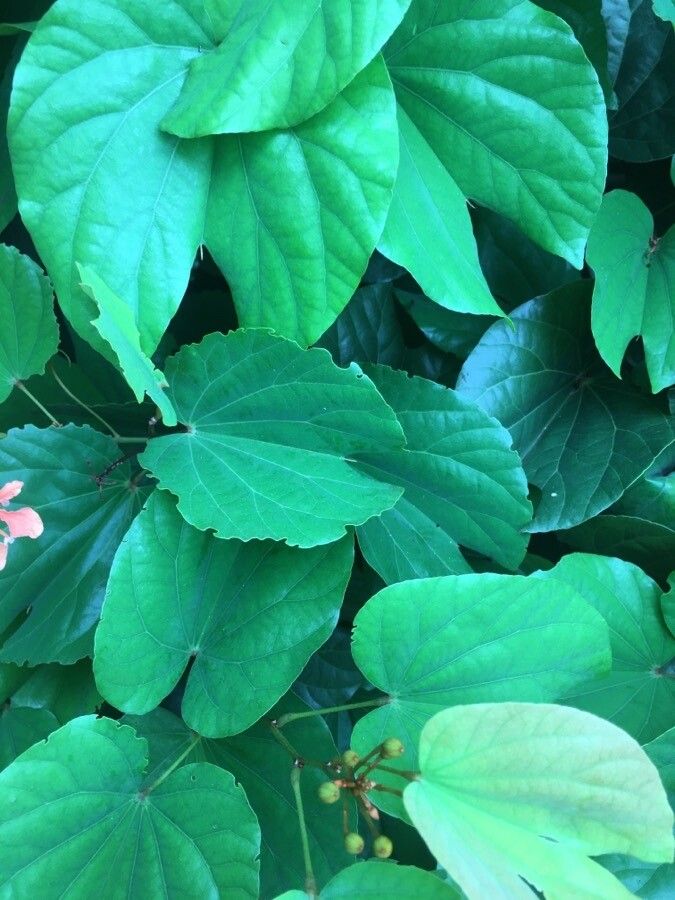
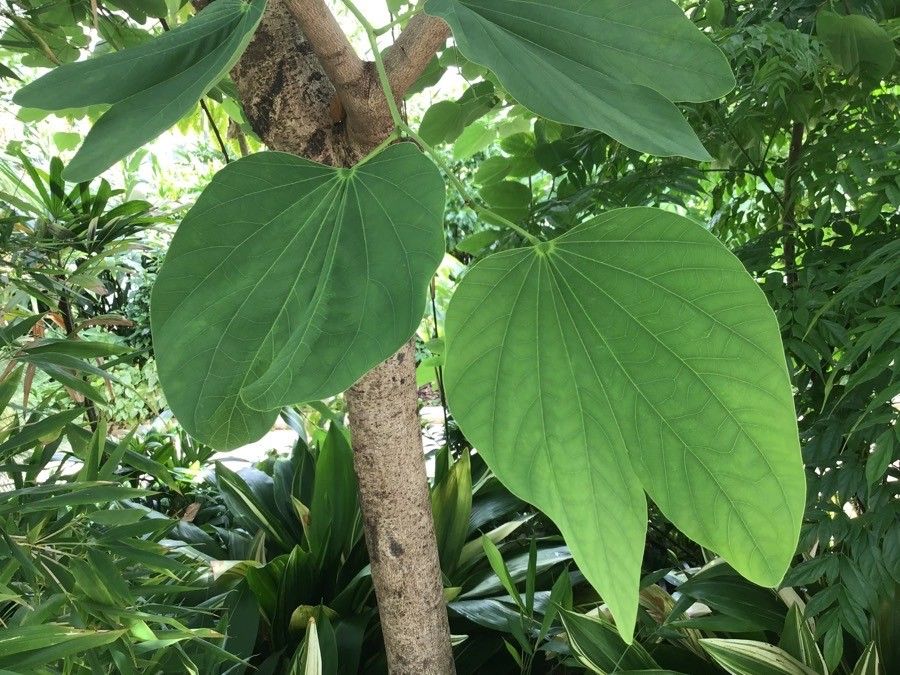
Bauhinia acuminata, commonly known as the Dwarf White Bauhinia, is a small to medium-sized deciduous tree belonging to the Fabaceae family. Native to India and Southeast Asia, it has been widely cultivated in many tropical and subtropical regions around the world.
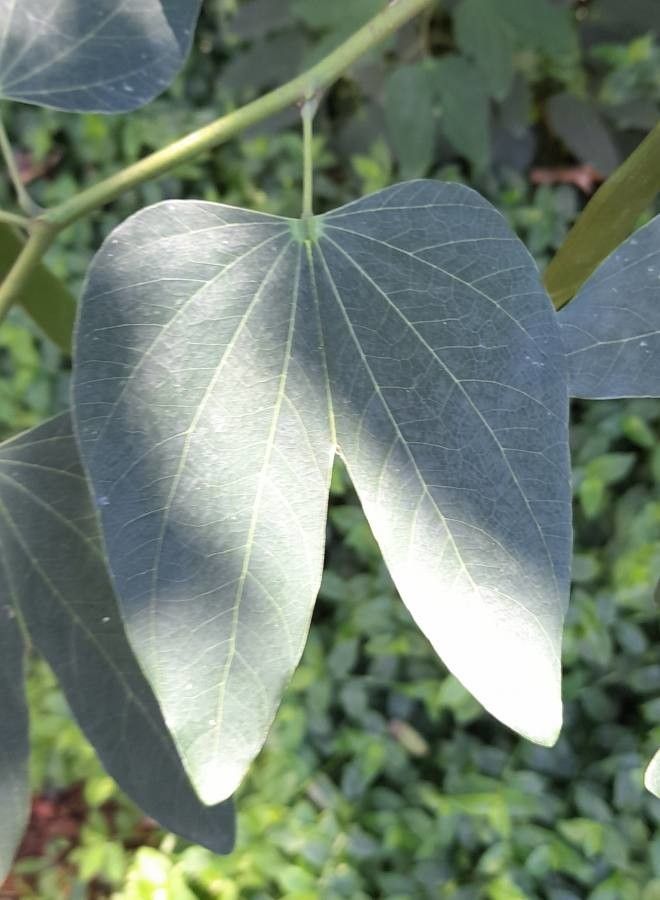
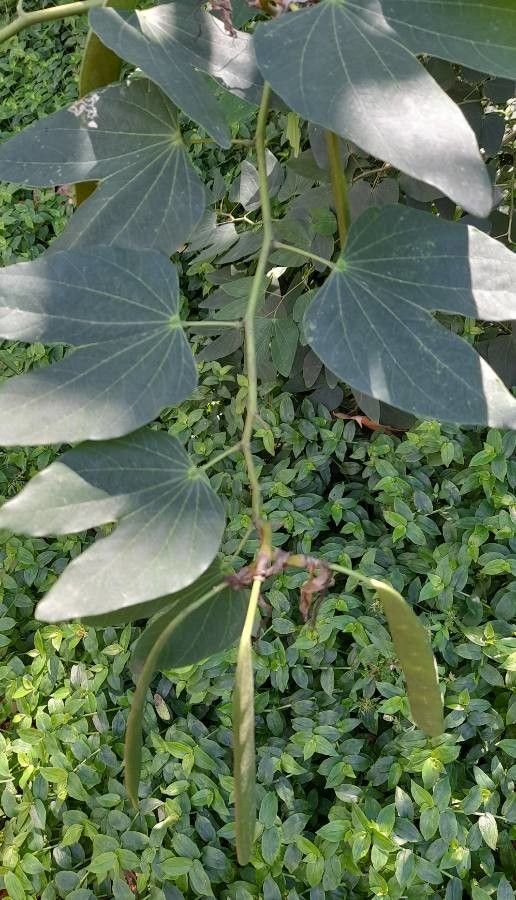
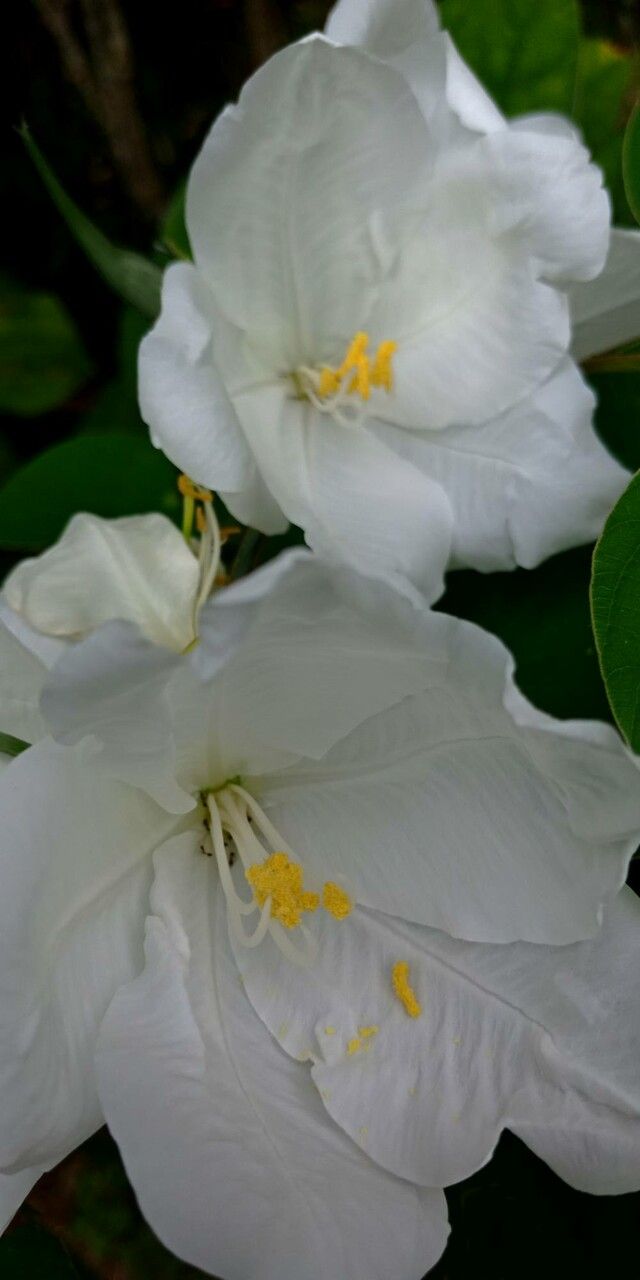
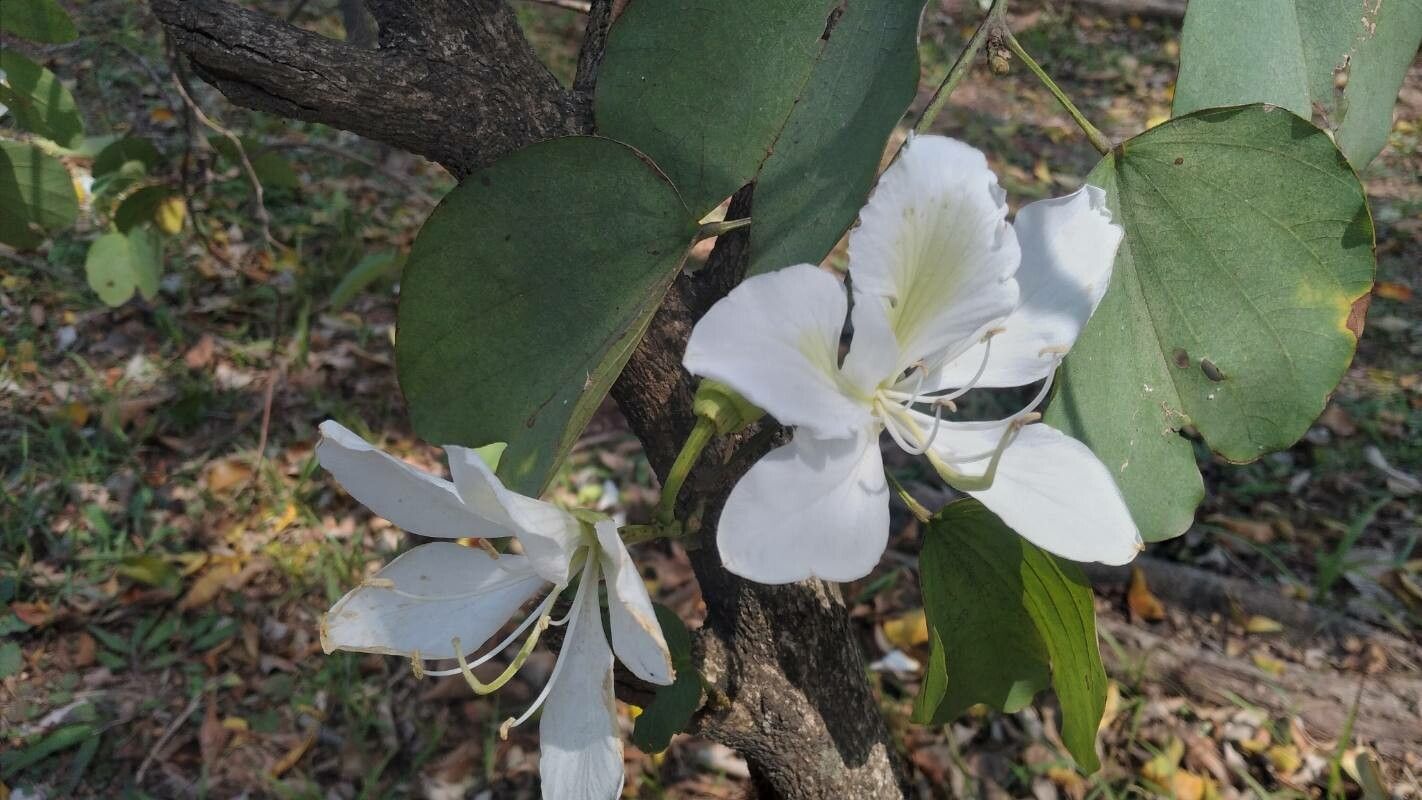
The tree features a slender trunk with smooth gray bark and can grow up to 10 meters in height. Its bi-lobed leaves, resembling butterfly wings, are glossy green on top and pale green underneath. The flowers, which are white or pale pink with five petals arranged in an open, orchid-like shape, add to its beauty.
Bauhinia acuminata is prized for its ornamental value, due to its stunning flowers that bloom throughout the year, with a peak in spring. Additionally, the tree has medicinal properties because it contains flavonoids with antioxidant effects.
The plant prefers well-drained soil and full sun exposure, although it can tolerate partial shade. It requires moderate watering during dry periods but can withstand short droughts once established.
Overall, Bauhinia acuminata is an attractive ornamental plant that enhances any garden or landscape with its beauty, while also offering medicinal benefits in traditional medicine.
Dwarf white bauhinia resists disease well and is usually not prone to illnesses. As for care, this plant is fairly low maintenance. When grown outdoors it needs only minimal watering, and larger specimens typically do not require pruning. Smaller plants, however, should be pruned after they have finished blooming. Dwarf white bauhinia is suitable for anyone with outdoor space, such as a garden or deck, and does not demand much experience in plant care.
How to keep Bauhinia Acuminata.
Light
Dwarf white bauhinia is native to open habitats, for example sunny meadows and forest margins, that provide abundant light. It does best in Full Sun but can also tolerate Partial Sun, adjusting well to different sunlight levels.
Water
The dwarf white bauhinia is a plant native to Southeast Asia, where it flourishes in humid, tropical climates. While it has a moderate level of drought tolerance, it should be watered every 1-2 weeks. This plant is well-suited for indoor growth, as it thrives in stable temperatures, indirect light, and well-draining soil. Proper drainage is essential to avoid waterlogging, especially during its active growth period.
Temperature
Dwarf white bauhinia is native to temperate regions and thrives best at temperatures between 59 and 100.4 °F (15 and 38 °C). Its temperature requirements vary by season, and specific adjustments may be necessary.
Fertilizer
The best time to fertilize a Dwarf white bauhinia is in early spring, when it comes out of dormancy. This encourages overall growth and the development of flowers. Fertilization improves the foliage, stems, and branches, while encouraging flowers that are larger, more vivid, and longer-lasting. It also helps move nutrients from the roots to the blooms and enhances the plant’s health and resistance to disease.
Pruning
The dwarf white bauhinia is known for its striking white flowers and compact size. To keep it healthy, prune in early spring by removing any dead branches and trimming overgrown areas. This helps improve air circulation, enhances the plant's structure, and prevents legginess. Be sure to make clean cuts just above the leaf nodes to encourage strong new growth.
Botanical profile.
- Plant Type
- Tree, Shrub
- Life Cycle
- Perennial
- Genus
- Bauhinia
- Family
- Fabaceae
- Hardiness Zone
- 8-12
- Mature Height
- 2.13 m to 3.05 m
- Mature Spread
- 0.91 m to 2.13 m
- Leaf Color
- Green
- Leaf Type
- Deciduous
- Flower Color
- White
- Flower Size
- 7.62 cm to 11.43 cm
- Bloom Time
- Late spring, Summer, Early fall, Mid fall
- Planting Time
- Spring, Summer, Autumn
- Harvest Time
- Mid summer, Late summer, Fall, Early winter
- Native Area
- Malaysia, Indonesia, Bangladesh, Laos, Brunei, China
Other names.
Reader questions.
What are the sunlight requirements for Dwarf White Bauhinia (Bauhinia acuminata)?
Dwarf White Bauhinia, scientifically known as Bauhinia acuminata, flourishes under specific sunlight conditions. For optimal growth, it requires full sun, which is above 6 hours of sunlight daily. However, it can also tolerate partial sun, defined as about 3-6 hours of sunlight per day. It's important to observe the movement of sunlight through your garden carefully to find spots offering the ideal mix of light and shade, thereby ensuring your plants remain healthy and happy.
What is the native climate for Dwarf White Bauhinia?
Dwarf White Bauhinia, scientifically known as Bauhinia acuminata, is native to regions with temperate climates. It thrives best in temperatures ranging from 59 to 100.4 °F (15 to 38 °C). Depending on the season, specific temperature adjustments may be required to ensure the plant's optimal growth and health.