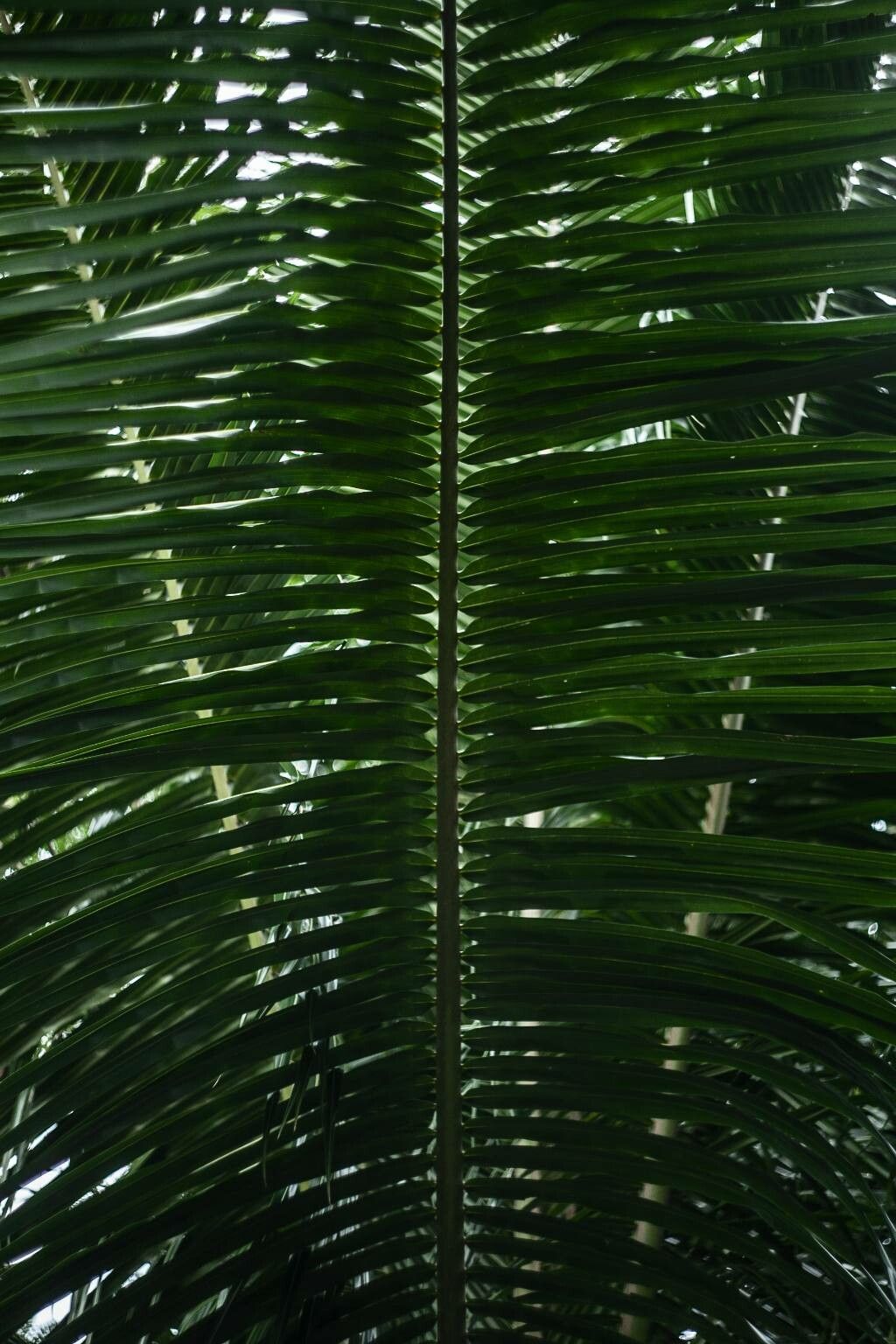
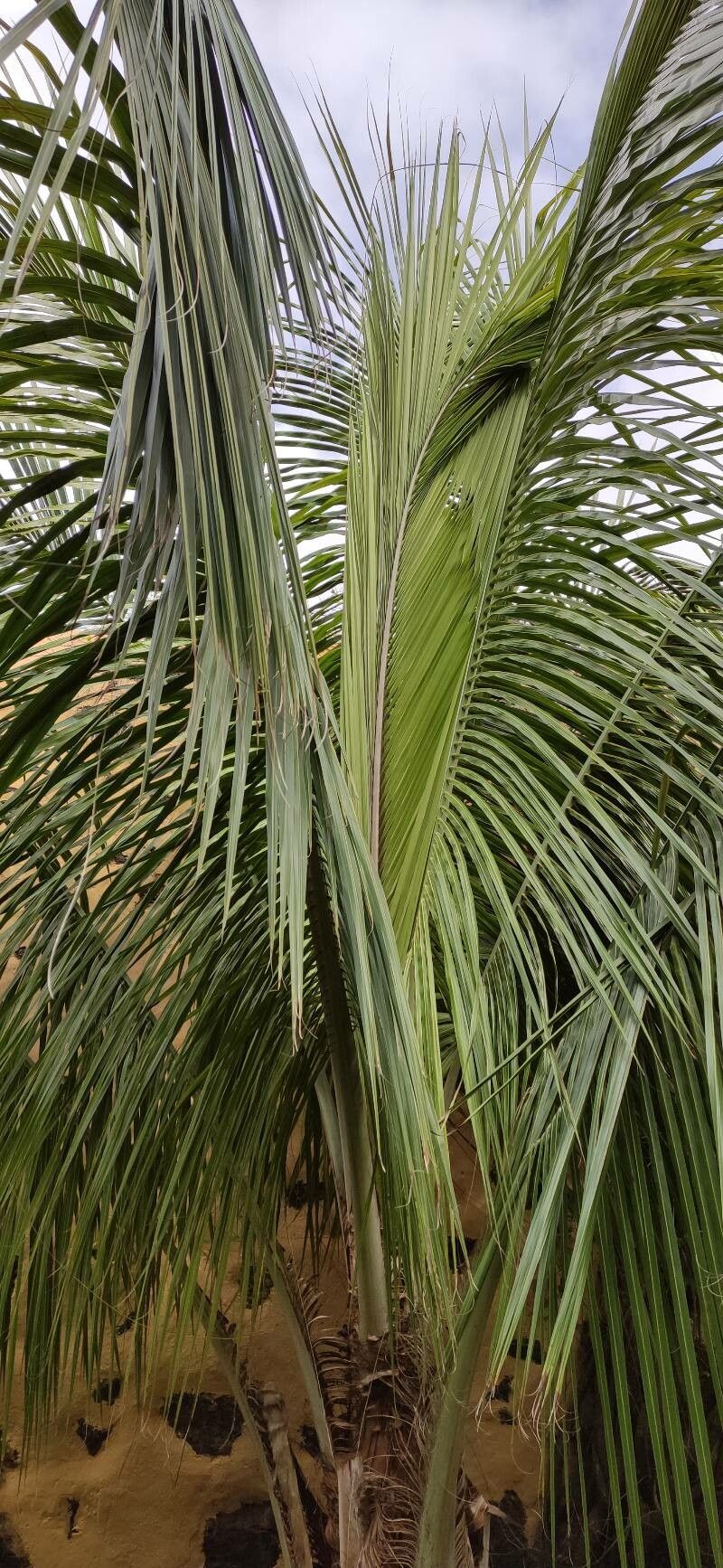
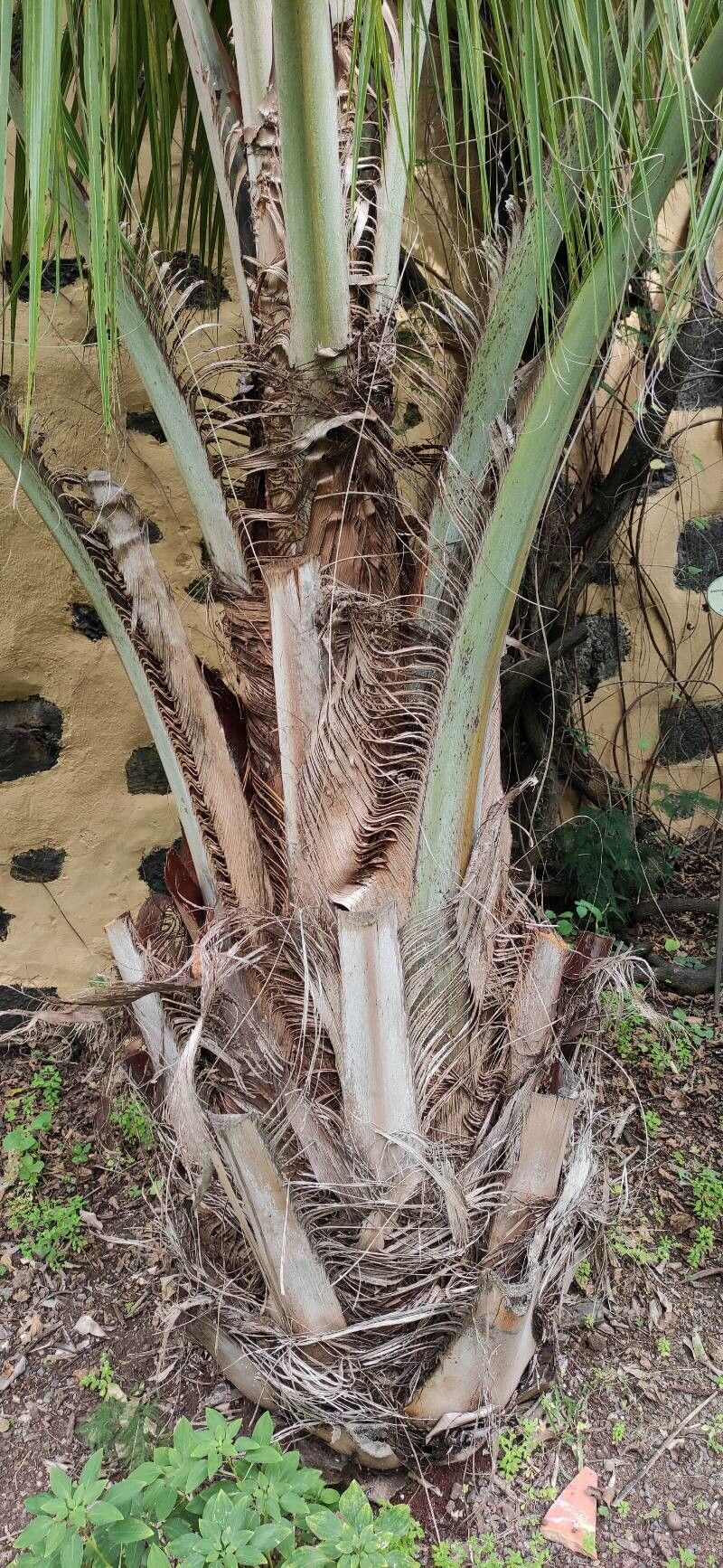
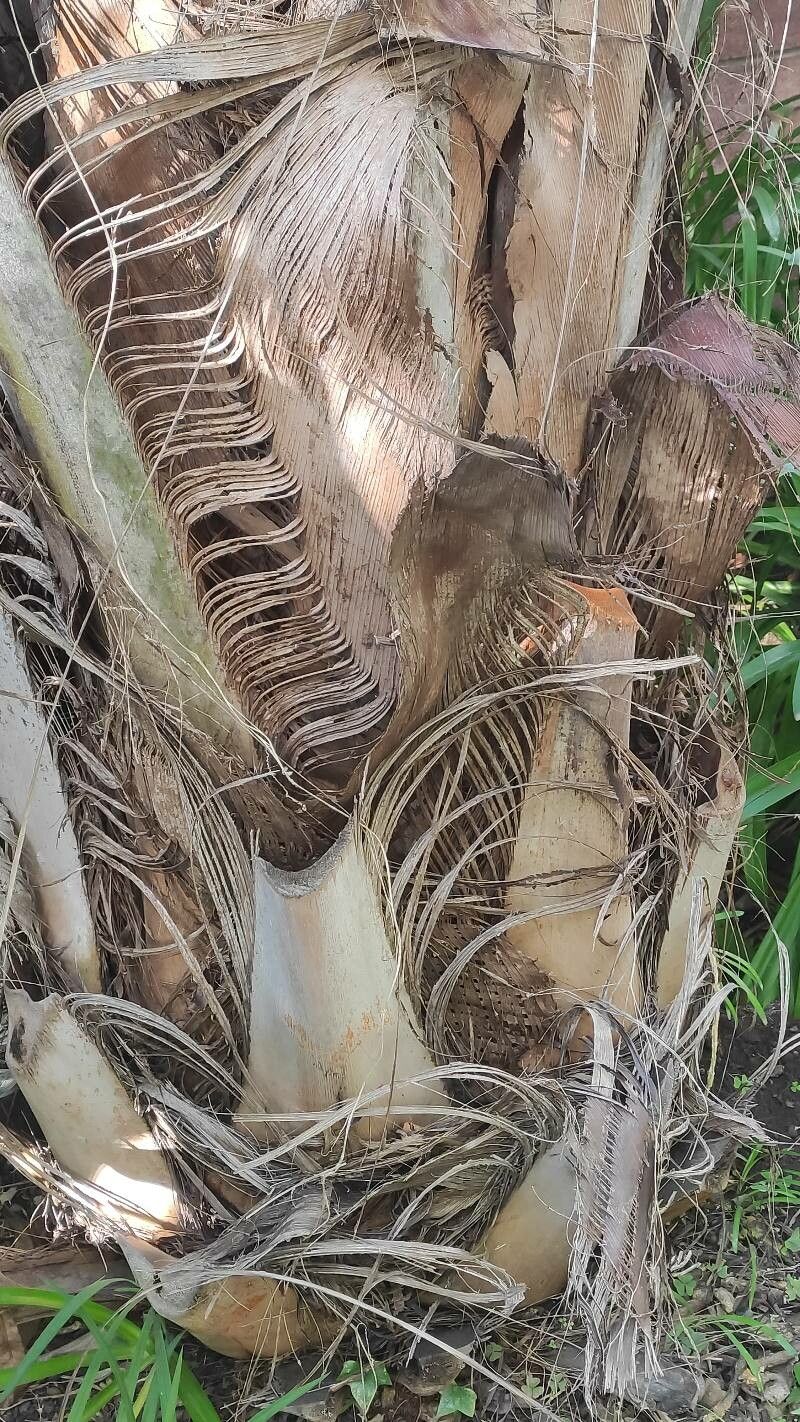
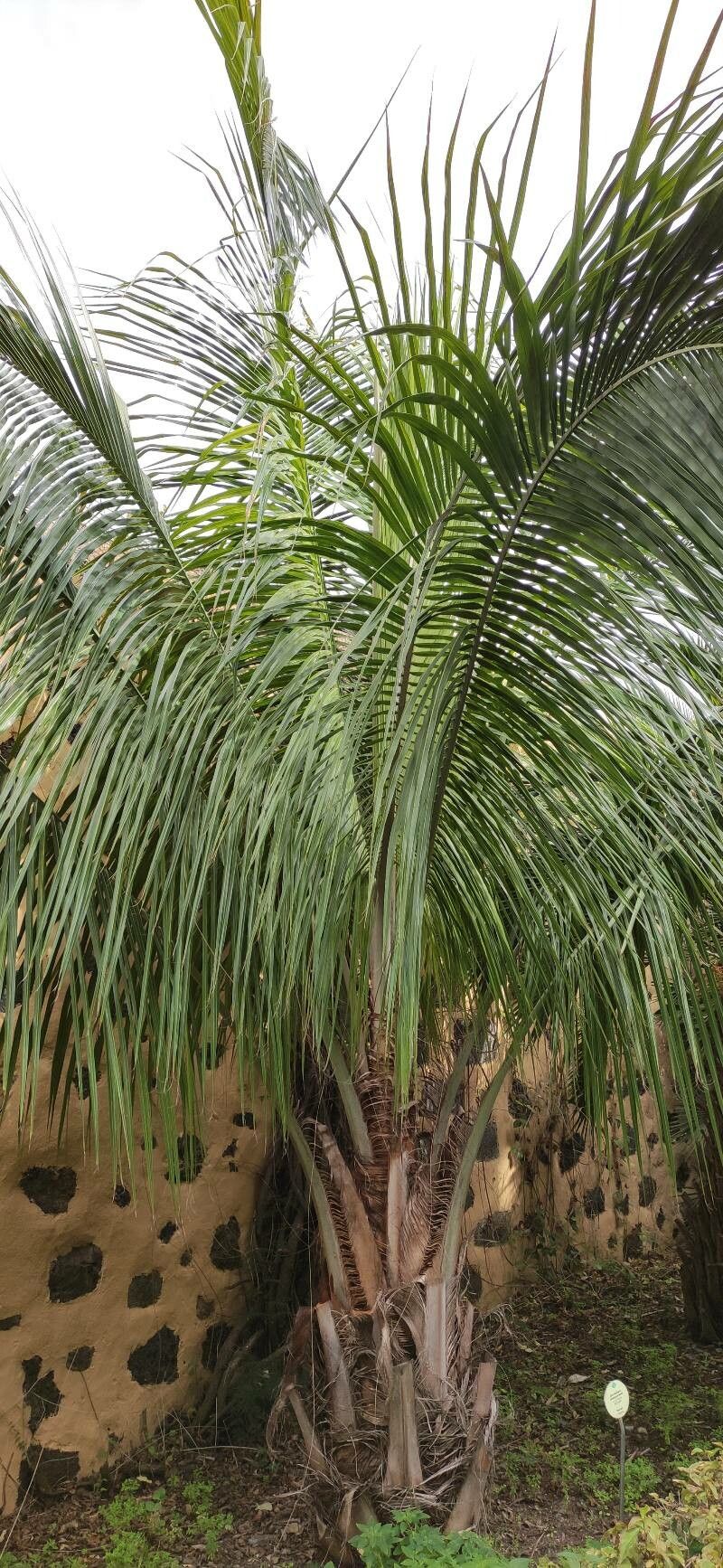
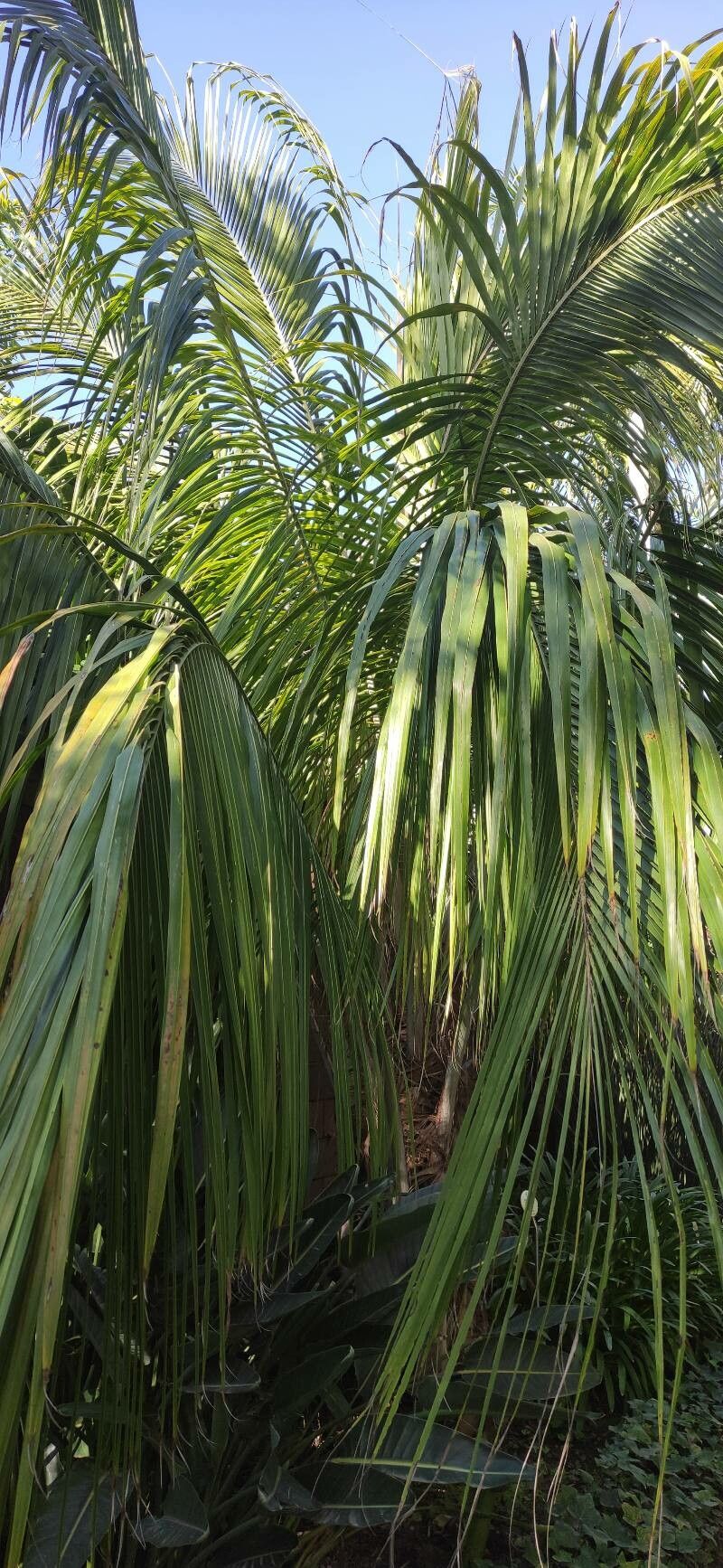
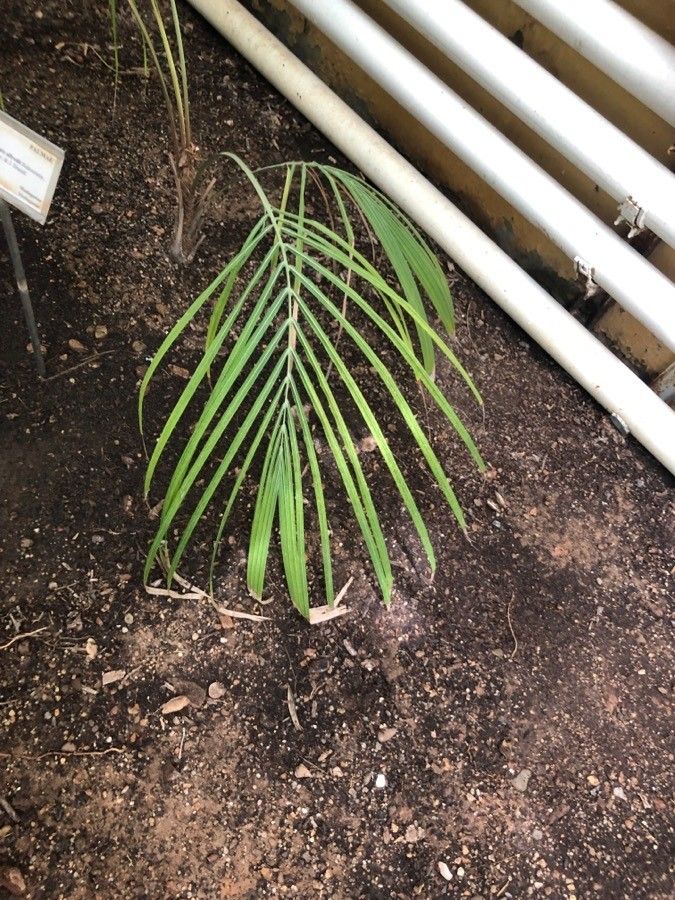
Beccariophoenix madagascariensis, commonly known as the coastal beccariophoenix, is a species of flowering plant in the family Arecaceae. It is a large Coconut relative that is vulnerable in its habitat in Madagascar.
The giant windowpane palm is resistant to disease and generally not susceptible to illnesses. In terms of care, this plant is fairly low-maintenance. When grown outdoors it needs minimal watering, and larger plants usually do not require pruning. Smaller plants, however, should be pruned after they have bloomed. The giant windowpane palm is appropriate for anyone with an outdoor area, such as a garden or deck, and does not demand much prior plant-care experience.
How to keep Beccariophoenix Madagascariensis.
Light
The giant windowpane palm prefers moderately lit conditions that resemble its native tropical environment. This choice helps it develop optimally. Finding the right light balance is important because too much light can burn the leaves, while too little can limit its growth and reduce its vibrancy.
Water
The giant windowpane palm, native to the humid environments of Madagascar, thrives in conditions with consistent moisture and shows moderate tolerance to drought. For optimal growth, it should be watered every two weeks. Using rainwater is especially beneficial, as it closely mimics the palm's natural watering cycles, promoting healthy growth in tropical outdoor landscapes.
Temperature
Giant windowpane palm comes from tropical areas where the climate is typically warm and humid. As a result, it is well suited to high temperatures and moisture. It does not tolerate sudden temperature shifts and prefers a consistent thermal environment, so avoiding temperature fluctuations indoors is important. It generally cannot withstand cold conditions and needs warmer temperatures for growth. If the surrounding temperature falls too low, the plant may stop growing or even die.
Fertilizer
The best time to fertilize a Giant windowpane palm is in early spring, as it breaks dormancy. This encourages overall growth and the development of flowers. Fertilization improves the foliage, stems, and branches, and encourages flowers that are large, vivid, and long-lasting. It helps move nutrients from the roots to the flowers and enhances the plant’s health and resistance to disease.
Pruning
Pruning a giant windowpane palm is crucial for keeping it healthy and beautiful. In early spring, concentrate on removing any dead or damaged fronds to enhance airflow and encourage new growth. Make sure to use sanitized tools to prevent infections, and refer to expert guides for customized care instructions.
Botanical profile.
- Plant Type
- Tree
- Life Cycle
- Perennial
- Genus
- Beccariophoenix
- Family
- Arecaceae
- Hardiness Zone
- 10-12
- Mature Height
- 10.06 m to 14.94 m
- Mature Spread
- 3.96 m to 6.1 m
- Leaf Color
- Green, Dark Green
- Leaf Type
- Evergreen
- Flower Color
- Yellow
- Bloom Time
- Late spring, Early summer, Mid summer
- Planting Time
- Summer, Autumn
- Harvest Time
- Late summer, Early fall, Mid fall
- Native Area
- Madagascar
Other names.
Reader questions.
What are the sun requirements for the Giant windowpane palm?
The Giant windowpane palm requires about 3-6 hours of sunlight daily. It's important to observe how sunlight moves through your garden, selecting spots that offer a balance of light and shade, which is essential for the plant's health and happiness.
What are the essential light conditions for the Giant windowpane palm?
The Giant windowpane palm thrives in moderate light conditions, reminiscent of its natural tropical habitat. This balance is vital as too much light can scorch its leaves, while too little can inhibit its growth and diminish its vibrancy. For indoor plants where natural light is insufficient, artificial lighting is crucial. LED lights are recommended for their ability to provide specific light wavelengths needed by the plant. The required artificial light wattage varies: full sun plants need 30-50W/sq ft, partial sun plants 20-30W/sq ft, and full shade plants 10-20W/sq ft. The light source should be placed 12-36 inches above the plant, and the lighting should mimic natural daylight hours, usually 8-12 hours per day.
What are key symptoms of inadequate light for the Giant windowpane palm?
When the Giant windowpane palm receives insufficient light, it may exhibit several symptoms. New leaves might grow smaller, and the plant could develop a leggy appearance due to stretches between leaves or stems. There might be accelerated leaf drop as the plant tries to conserve resources. Growth can slow down or stop, with new leaves appearing lighter in color or with chlorosis, which is a yellowing indicating a lack of chlorophyll. Sunscald, leaf curling, wilting, and leaf scorching are other signs that can occur with inappropriate light exposure, whether too much or too little.
What solutions are available for addressing light issues with the Giant windowpane palm?
To address light issues with the Giant windowpane palm, for indoor settings, gradually shift the plant to sunnier spots until it receives 3-6 hours of direct sunlight daily or use artificial lighting, like a desk or ceiling lamp, for at least 8 hours a day. Outdoor plants should also be moved gradually to sunnier locations to prevent sunburn. If the plant is too large or not easily movable, investing in professional grow lights can provide sufficient light. For ground-planted palms, reducing obstructions by pruning trees or transplanting the palm can help receive adequate sunlight. It's crucial to avoid drastic changes in light conditions to prevent damage. Some parts of the plant affected by previous insufficient light may not recover, but new growth should be healthy with improved light exposure.