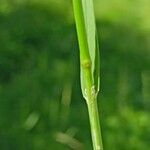
Beckmannia eruciformis
European Slough-grass · Slough grass · Beckman's grass · Japanese sloughgrass
Description
Source: wikipedia (CC BY-SA)Beckmannia eruciformis, the European slough-grass or slough grass, is an annual or short lived perennial in the grass family, Poaceae, found in shallow marshes or sloughs, and used for animal fodder and forage.
Care Guide
💧 Water
☀️ Light Full sun
Beckman's grass comes from bright, open habitats and performs best in full sun. It can tolerate partial shade but prefers direct sunlight for optimal growth. This plant, which can be annual or biennial, is recognized for its sun-loving habit.
🌡️ Temperature 5–35°C
Beckman's grass can tolerate a wide range of temperatures, but its distribution can still be restricted by particular combinations of moisture and heat. It performs best in warm summer climates with sufficient rainfall or irrigation. Long stretches of cloudy, rainy weather or sustained high temperatures can raise the risk of Beckman's grass dying. In winter, adequate protection from cold can enhance the plant's chances of survival.
💨 Humidity
🪴 Soil 6-8
🌱 Fertilizer
🪴 Pot & Repot
✂️ Pruning
To keep Beckman's grass healthy, regularly prune it from early to late spring. This routine encourages new growth, prevents overcrowding, and improves airflow, reducing the risk of disease. For the best results, use sterilized tools and follow recommended cutting techniques.
🌿 Propagating
🐛 Diseases & pets
☠️ Toxicity
Characteristics
- Plant Type
- Grass
- Life Cycle
- Annual
- Genus
- Beckmannia
- Family
- Poaceae
- Hardiness Zone
- 4-9
- Mature Height
- 30 cm to 91 cm
- Mature Spread
- 20 cm to 40 cm
- Leaf Color
- Light Green
- Leaf Type
- Deciduous
- Flower Color
- Green
- Flower Size
- 0.20 cm to 0.25 cm
- Bloom Time
- Early summer, Mid summer
- Planting Time
- Spring
- Harvest Time
- Late summer, Early fall