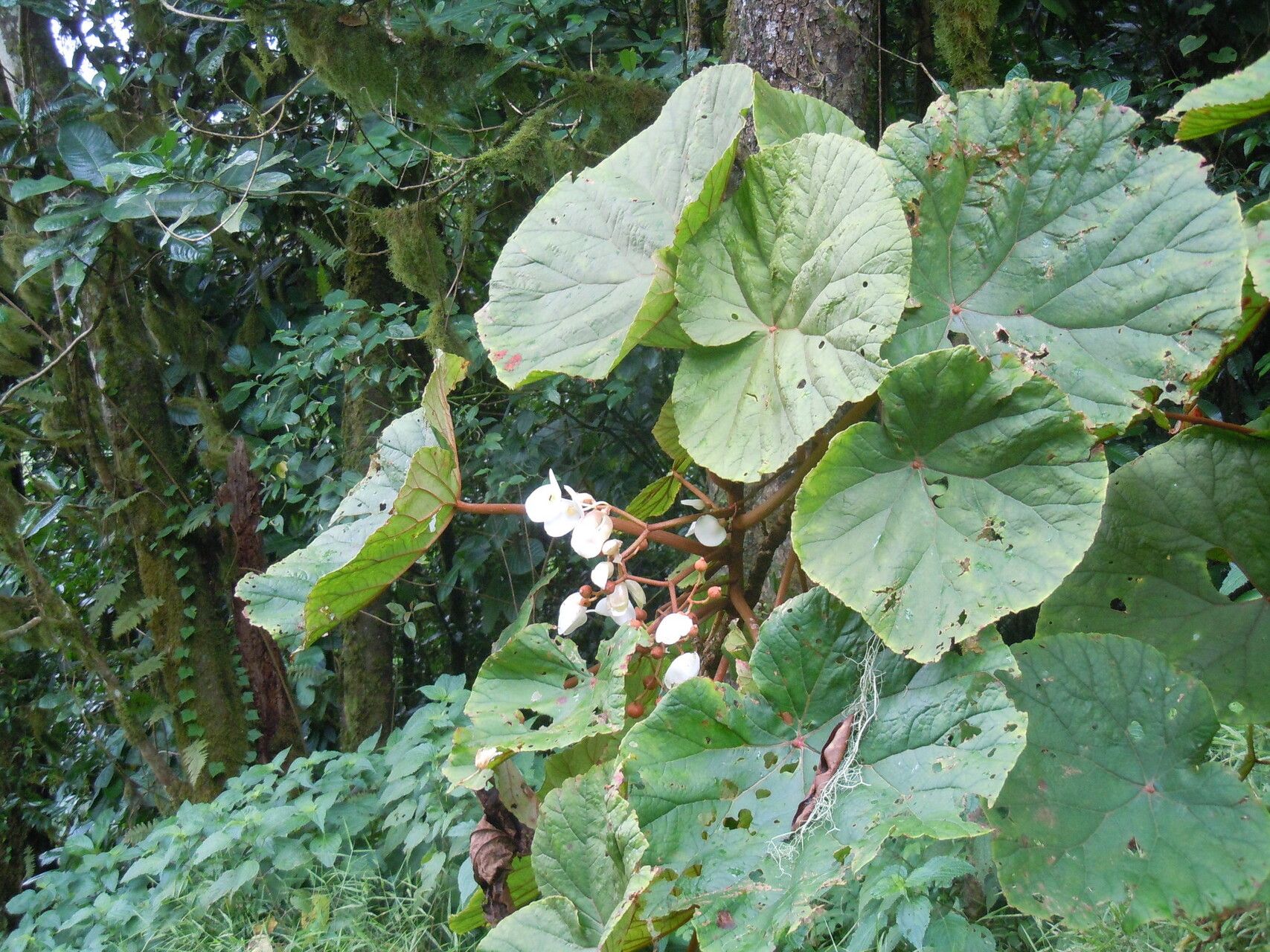
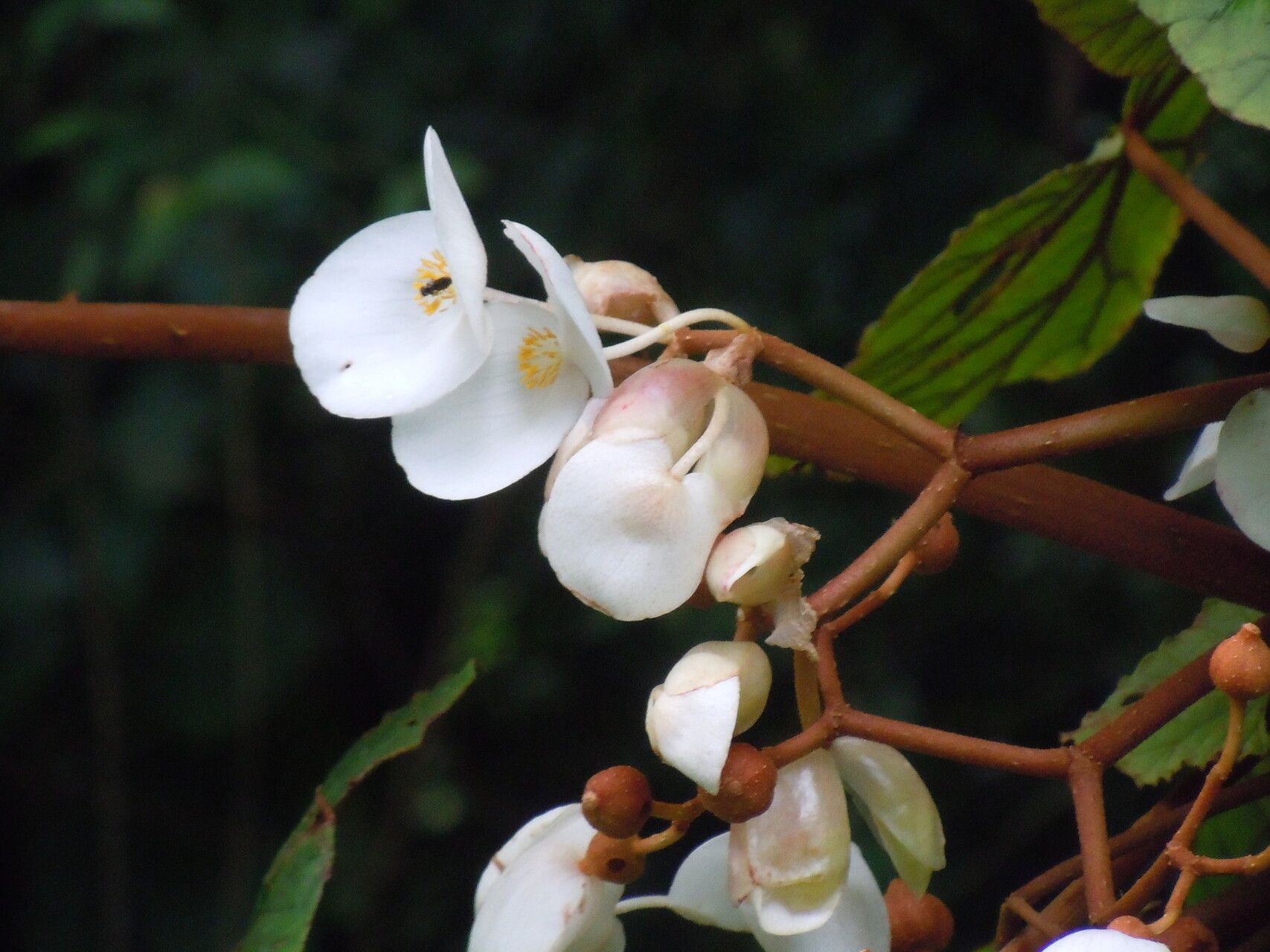
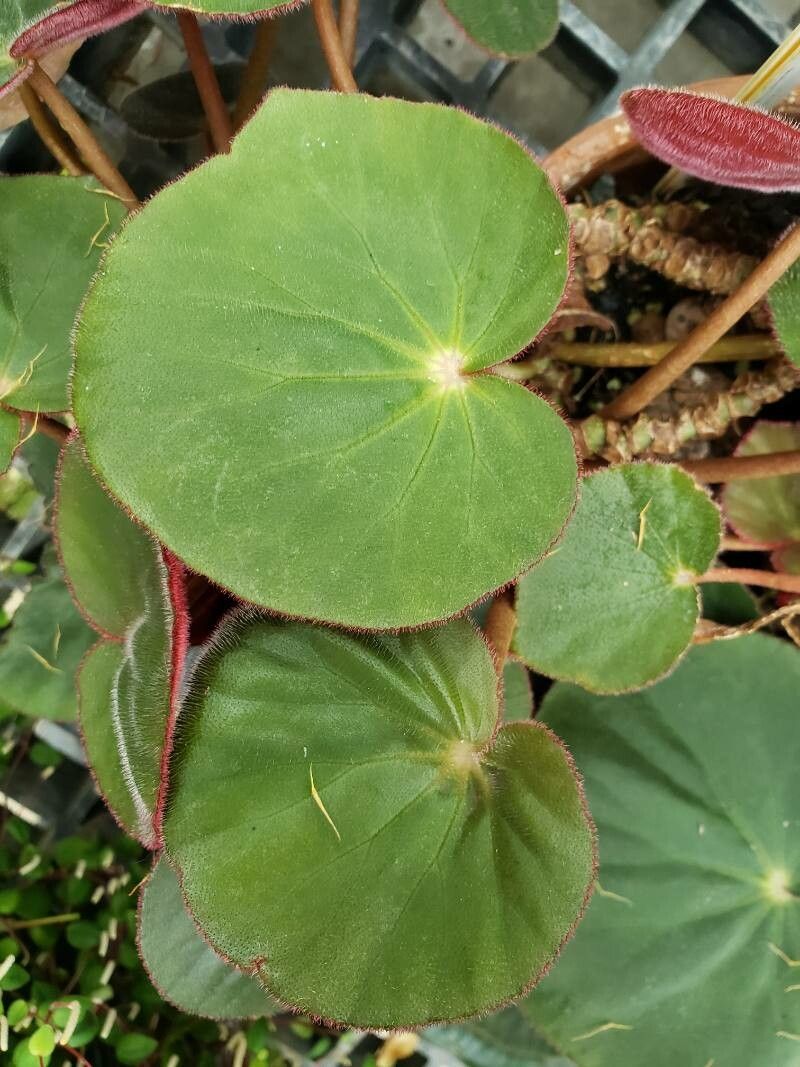
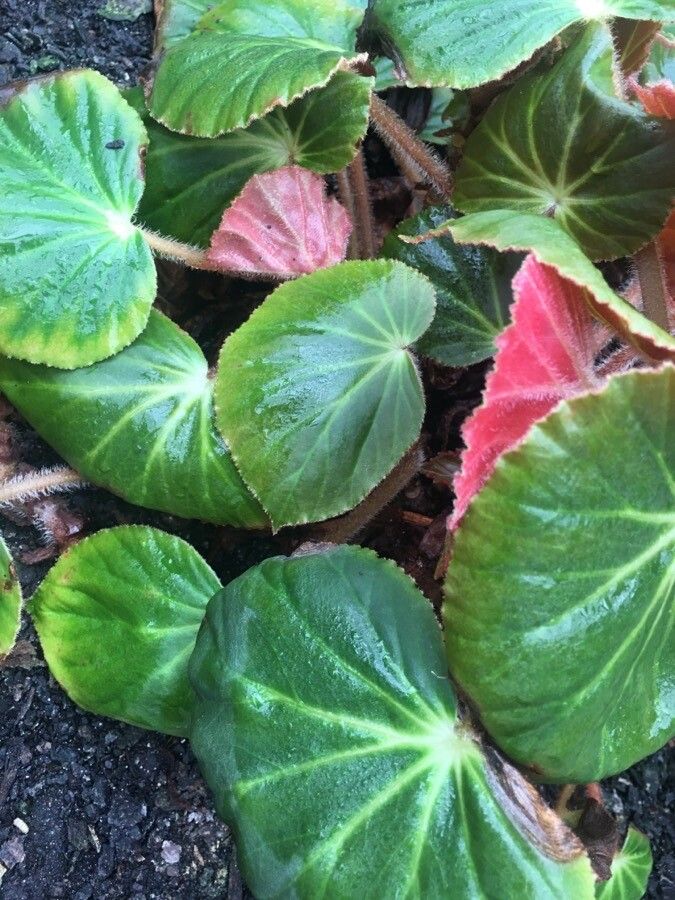
Begonia crateris is a plant species of the genus Begonia in the family Begoniaceae, first described by Arthur Wallis Exell in 1944. It is endemic to São Tomé Island, and grows up to 3 metres tall. It closest relative is Begonia baccata, also endemic to São Tomé.
Begonia crateris has strong disease resistance and is generally not prone to illness. However, it can be vulnerable to pests and diseases present in its surroundings. These infections are usually mild. Care-wise, the plant is medium maintenance. It requires regular pruning to maintain an attractive appearance and healthy growth. Fertilizing can also help encourage flowering. Begonia crateris is suitable for anyone with outdoor space, such as a garden or patio, and does not demand extensive care experience. It may need more attention when cultivated indoors.
How to keep Begonia Crateris.
Light
Begonia crateris naturally inhabits places like forest undergrowths or rocky terrains, where there is a natural occurrence of shade. It thrives best in conditions with partial sunlight, however, its robust and adaptable qualities allow it to survive in either full sun or full shade.
Temperature
Begonia crateris hails from tropical areas characterized by heat and humidity. Accordingly, this type of plant is ideally suited to a warm and damp climate. It isn't fond of abrupt shifts in temperature and prefers an environment that has steady warmth. Hence, it's crucial to prevent indoor temperature variations. It generally isn't able to withstand cold temperatures and thrives better in warmer conditions. Should the surrounding temperature fall excessively, the plant's growth might stop, or it may even perish.
Fertilizer
Begonia crateris needs to be fertilized the most during its primary growth period, mainly throughout the spring, summer, and early autumn. The provision of fertilizer is vital to supplement any nutrients that might be deficient in the soil, encouraging the healthy growth of roots and stems, along with appealing leaves, a signature characteristic of this particular plant.
Pot & Repot
When transplanting Begonia crateris, select a container that is 1-2 inches (2.5-5 cm) bigger with sufficient drainage. Utilize a potting mix that drains well. Transplant in the spring or autumn, making sure that the root mass is somewhat beneath the rim of the pot. Thoroughly water the plant after transplantation and position it in a warm location receiving indirect sunlight.
Botanical profile.