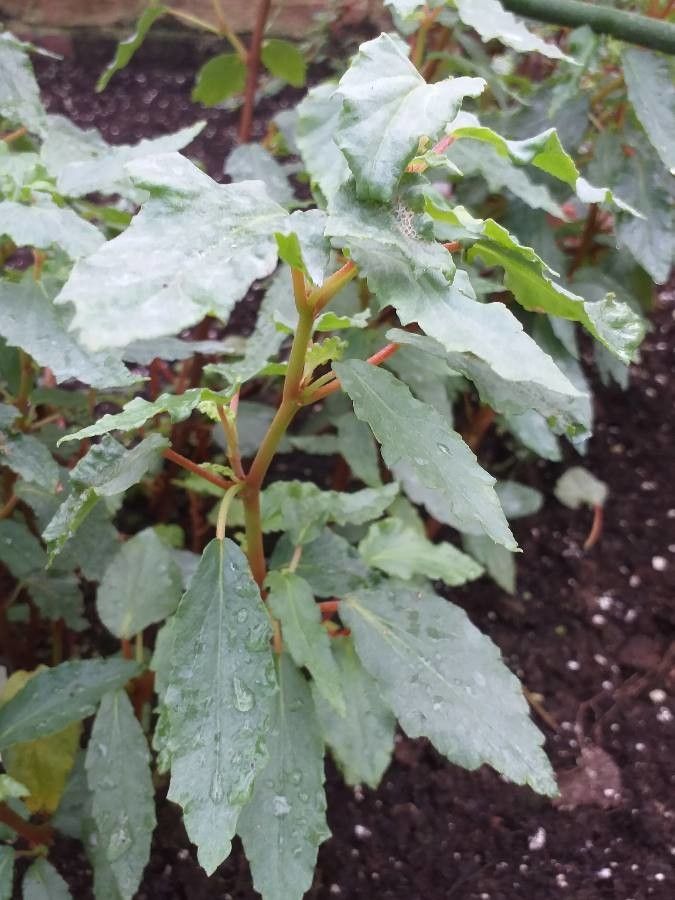
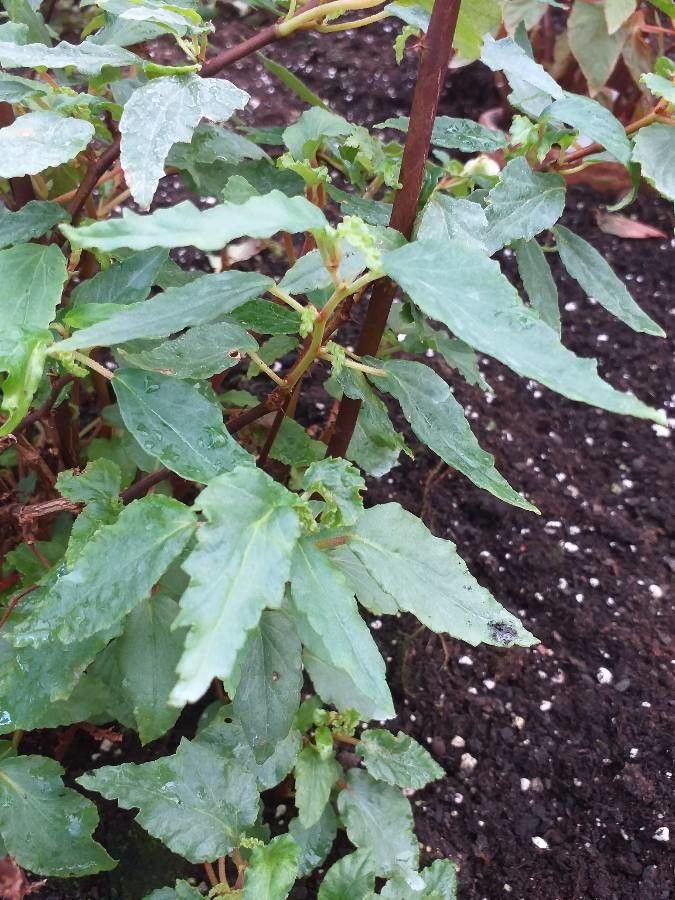
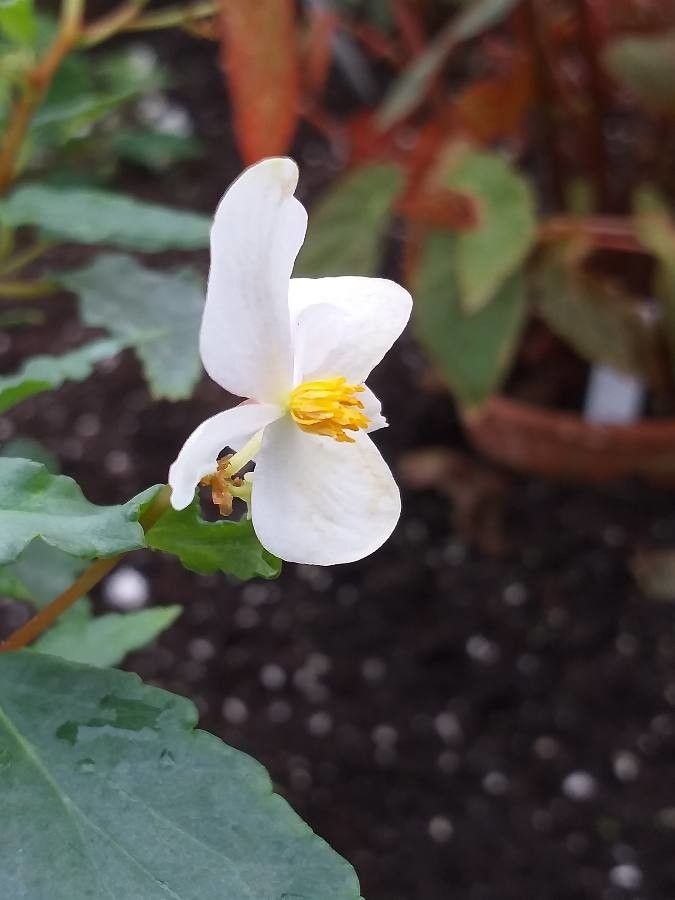
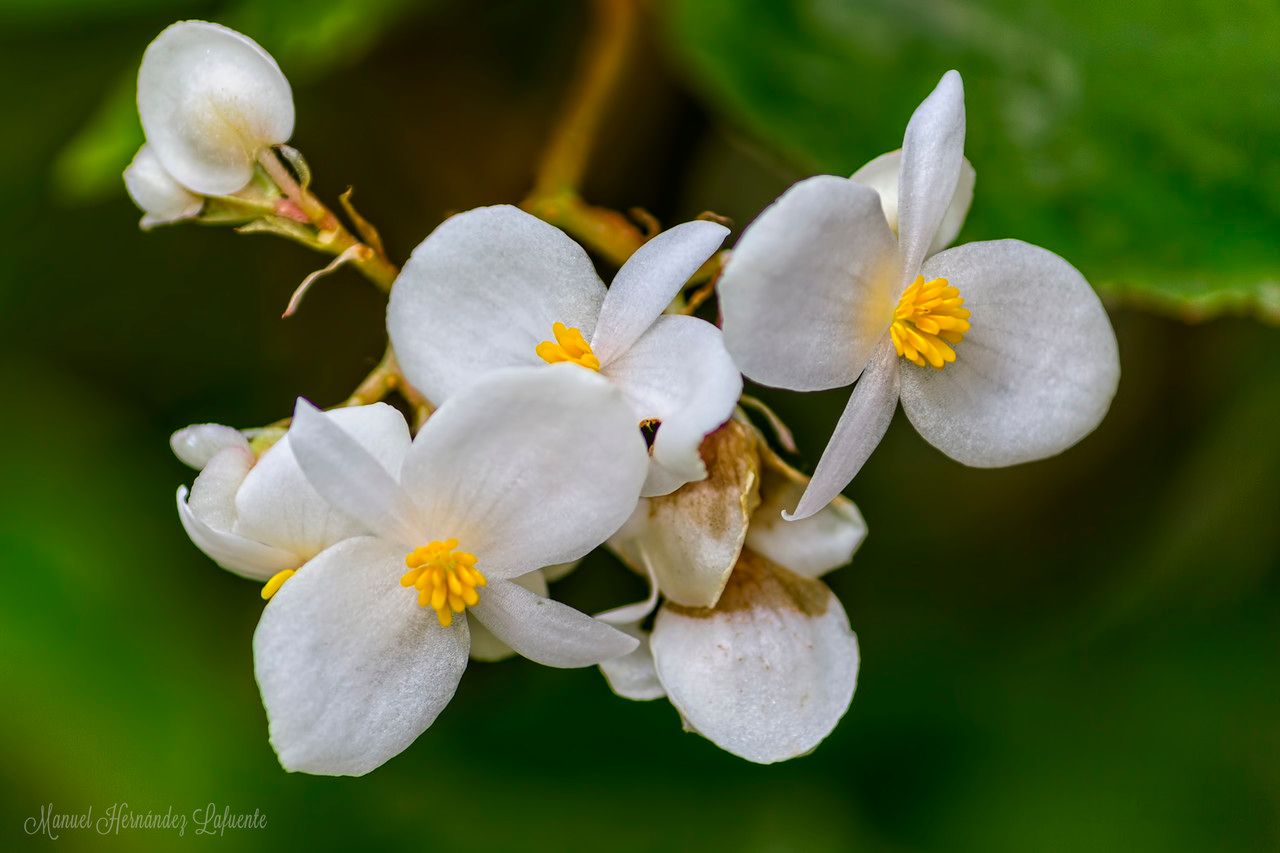
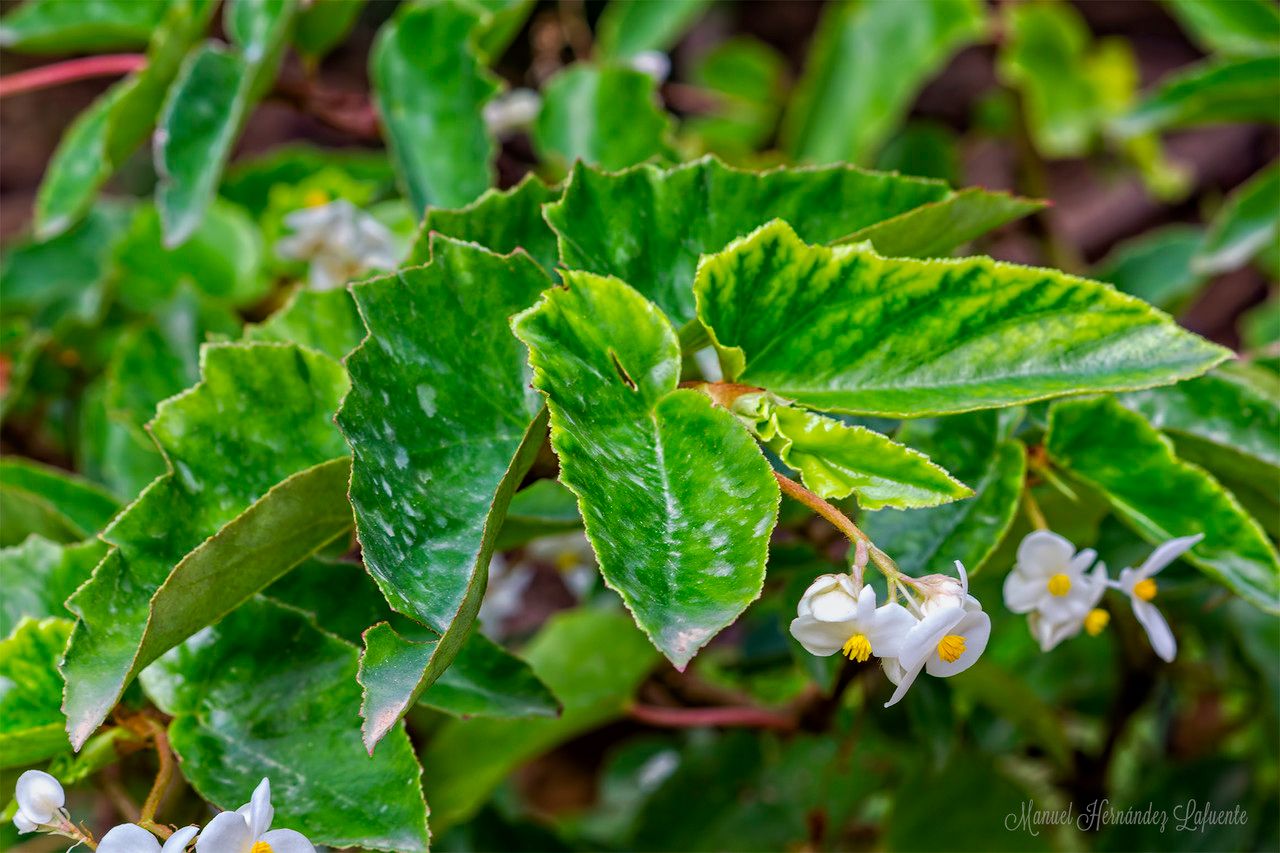
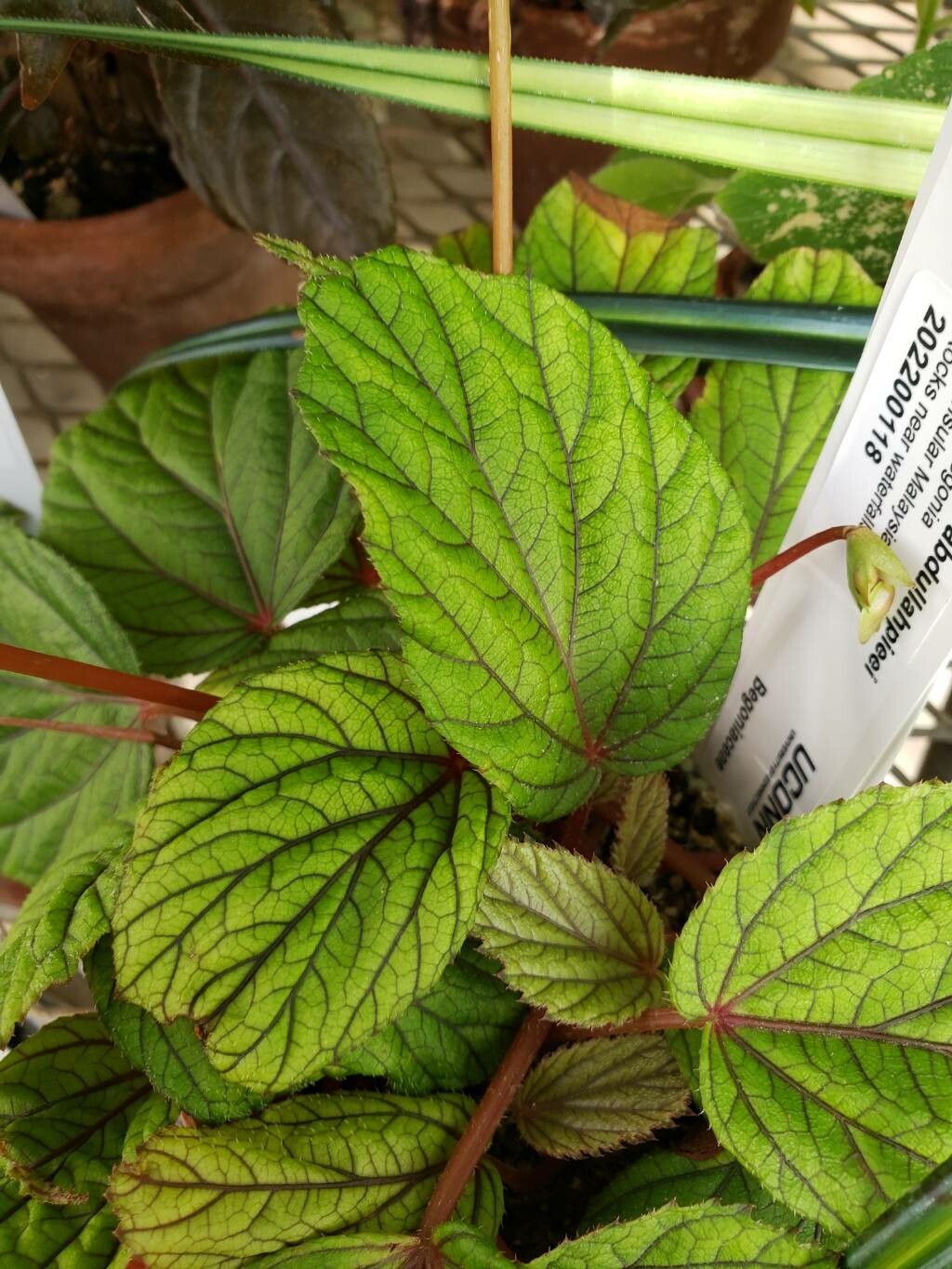
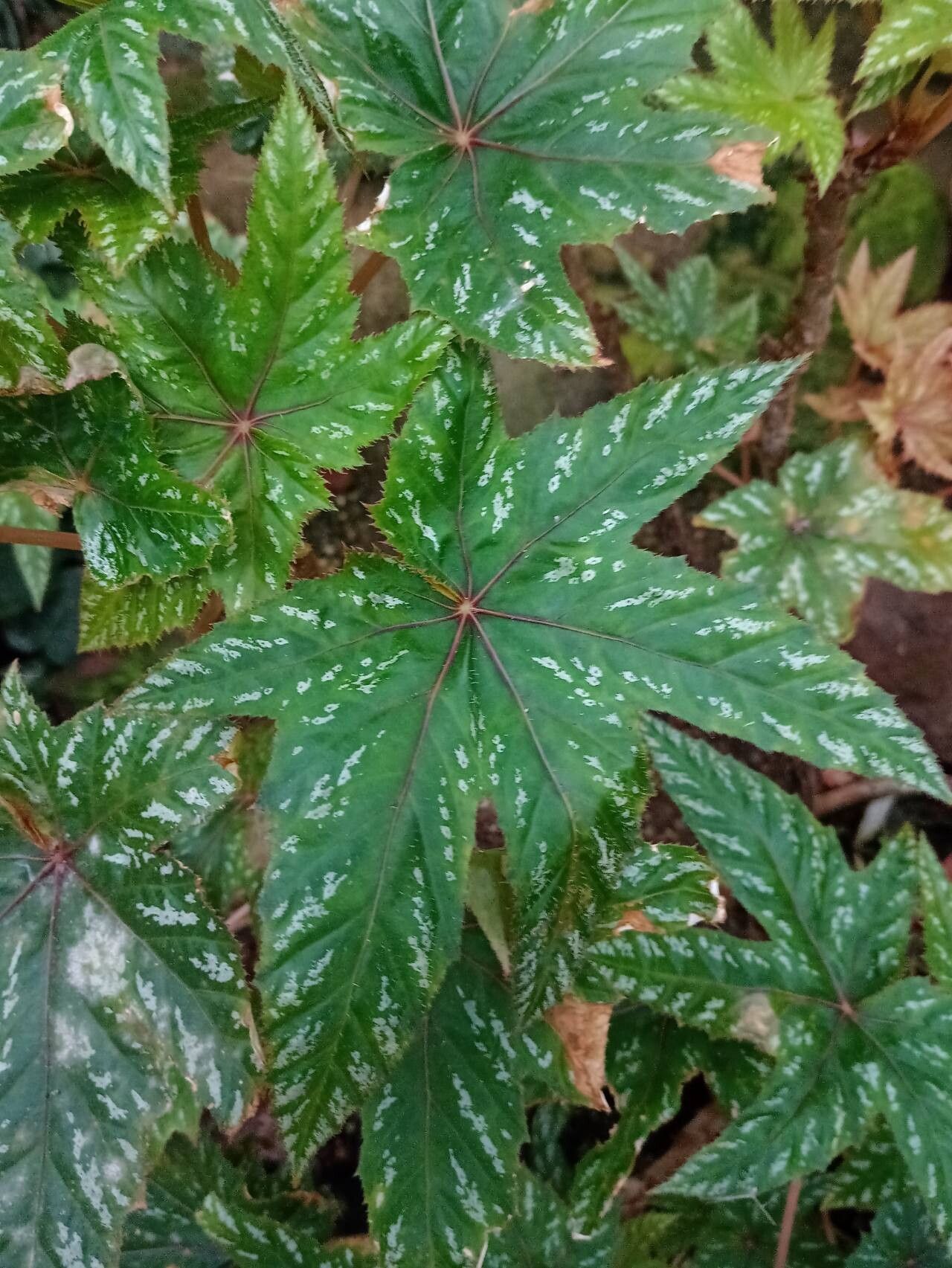
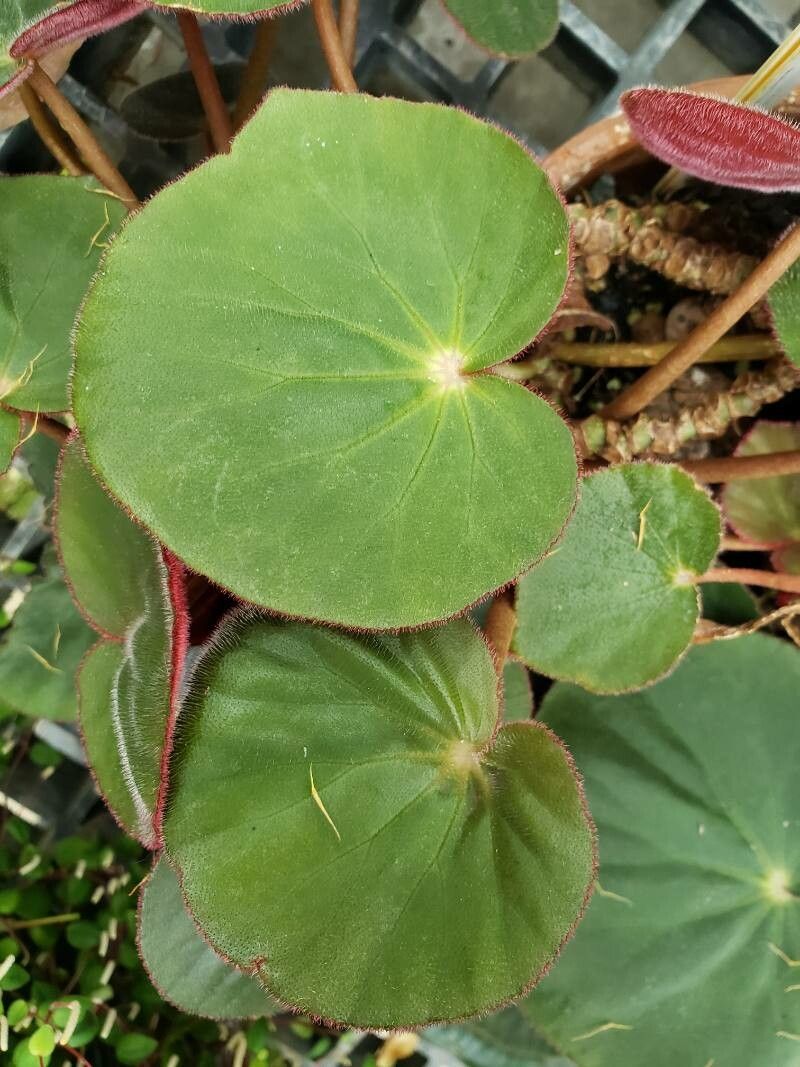
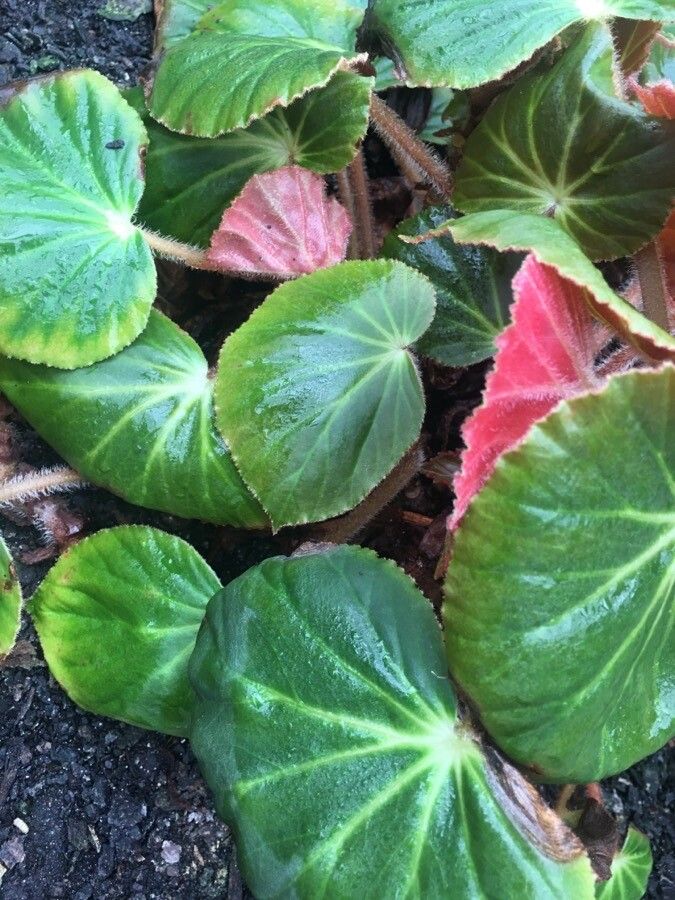
Begonia cubensis, also known as Cuban holly, is a species of perennial plant that belongs to the Begoniaceae. It is native to Cuba and its habit is an understory shrub. Its habitat range is from moist subtropical to tropical climates. Begonia cubensis is known for its colorful flowers and attractive leaves. It has small wavy gray/green leaves and short, thin semi-woody stems. It grows in humid and hot places on a wide range of well-drained soils, from sand to clay loam. The plants are monoecious. Slugs, snails and caterpillars eat the leaves of Begonia cubensis. Aphids can infest Begonia cubensis causing the leaves to wilt. In many places people eat local species of Begonia. However, Begonia cubensis has a bitter taste; therefore it is not preferred among other species of the same family.Begonia cubensis are known to have a laxative effect and they are used for medicinal purposes. Medicinal mixtures can be prepared in different ways. A mixture made by soaking the flowers in hot water helps to eradicate headaches and relive the body of toxins. The crushed flowers and leaves can also be rubbed directly on the skin to help alleviate pain and cure sores or burns.
Cuban holly is generally disease-resistant and typically not prone to illness. It can, however, develop leaf spots if light and ventilation are poor or if it is overwatered. The plant is considered easy to care for, needing mainly regular watering and little else. Cuban holly is a good choice for people who lack the time or energy for frequent maintenance.
How to keep Begonia Cubensis.
Light
Cuban holly is native to habitats like forest understories or rocky areas, where it occurs in natural shade. It prefers partial sun but can tolerate full sun or deep shade, reflecting its adaptable and hardy nature.
Temperature
Cuban holly comes from tropical areas where the climate is generally warm and humid. Therefore it is well suited to high heat and humidity. It dislikes abrupt temperature shifts and prefers a consistent thermal environment, so preventing temperature swings indoors is important. It typically cannot endure cold and needs warmer conditions to grow. If temperatures fall too low, growth may stop or the plant could die.
Fertilizer
Cuban holly needs the most fertilizer during its active growth period, which takes place mainly in spring, summer, and early fall. Fertilization supplies essential nutrients that the soil may lack, encouraging healthy root and stem development and attractive foliage, a key characteristic of this plant.
Pot & Repot
When repotting Cuban holly, select a pot 1–2 inches (2.5–5.0 cm) larger with ample drainage. Use a well-draining potting mix. Repot in spring or fall, making sure the root ball is slightly lower than the rim of the flower pot. Water thoroughly after repotting and place it in a warm spot with indirect sunlight.
Botanical profile.
- Plant Type
- Herb
- Life Cycle
- Perennial
- Genus
- Begonia
- Family
- Begoniaceae
- Hardiness Zone
- 10-12
- Mature Height
- 30 cm to 49 cm
- Mature Spread
- 30 cm to 40 cm
- Leaf Color
- Forest Green, Dark Green
- Leaf Type
- Evergreen
- Flower Color
- Pink, White
- Flower Size
- 2.03 cm to 3.05 cm
- Bloom Time
- All year round
- Planting Time
- Spring, Summer, Autumn
- Harvest Time
- All year round
- Native Area
- Cuba