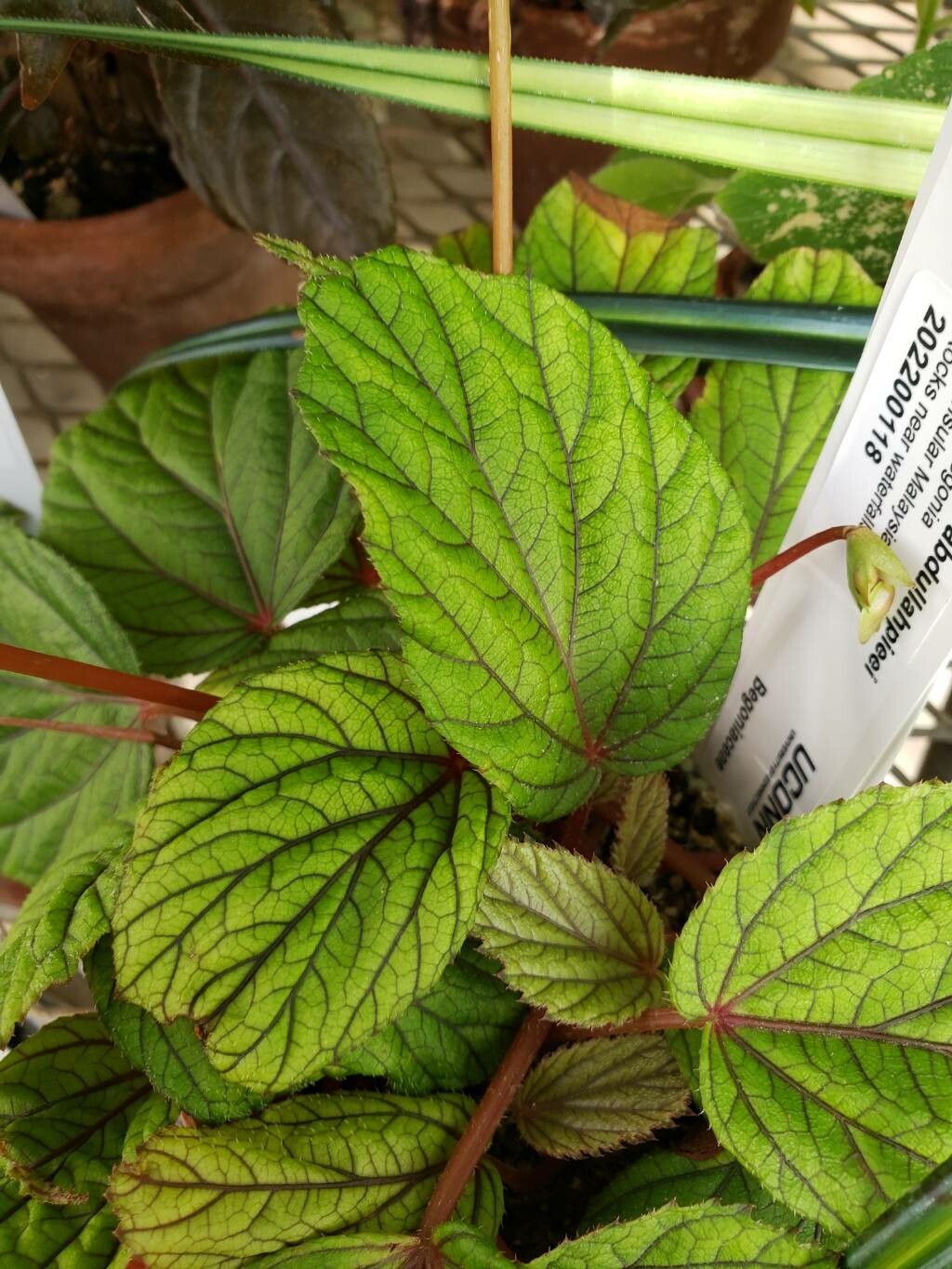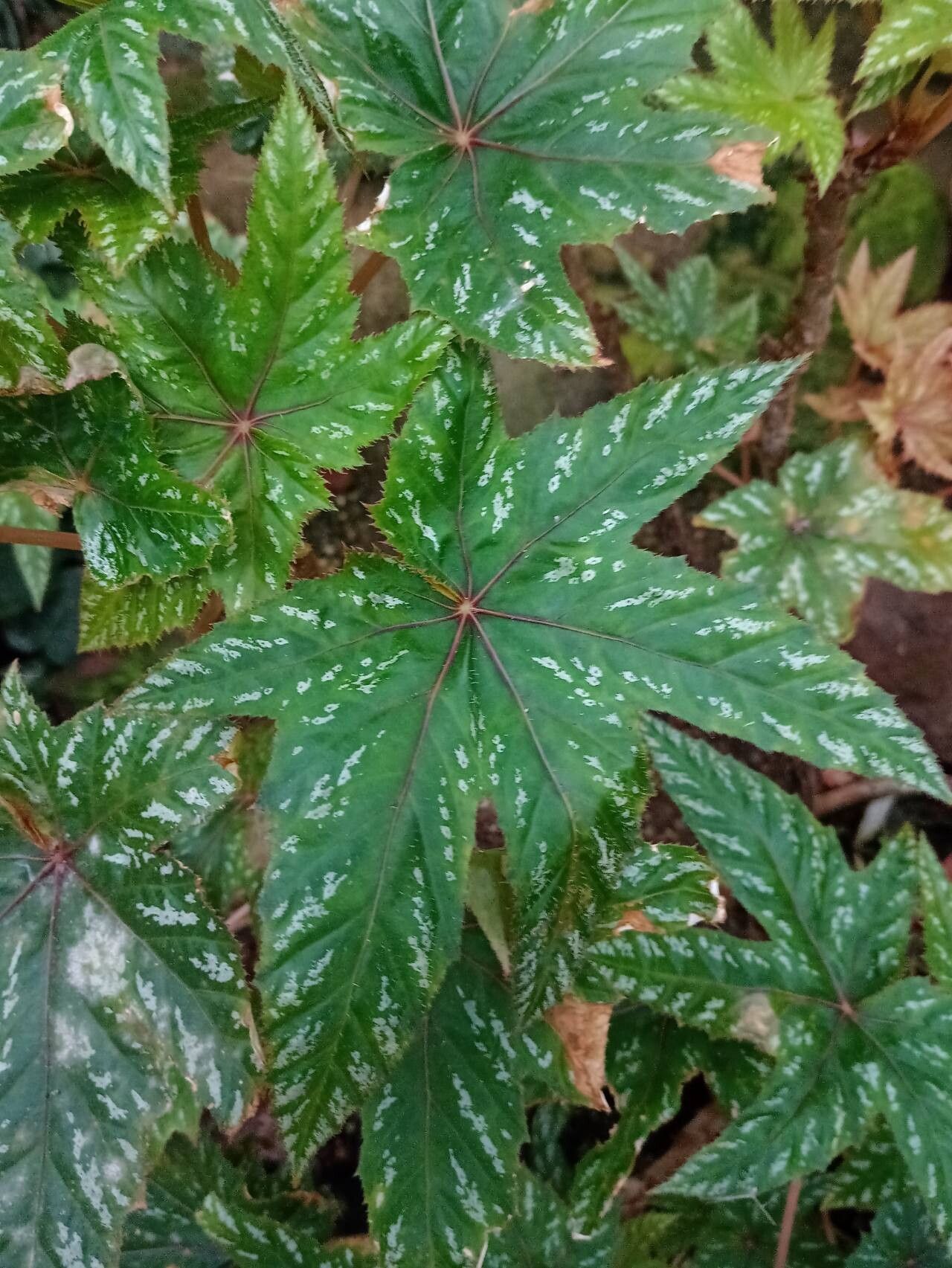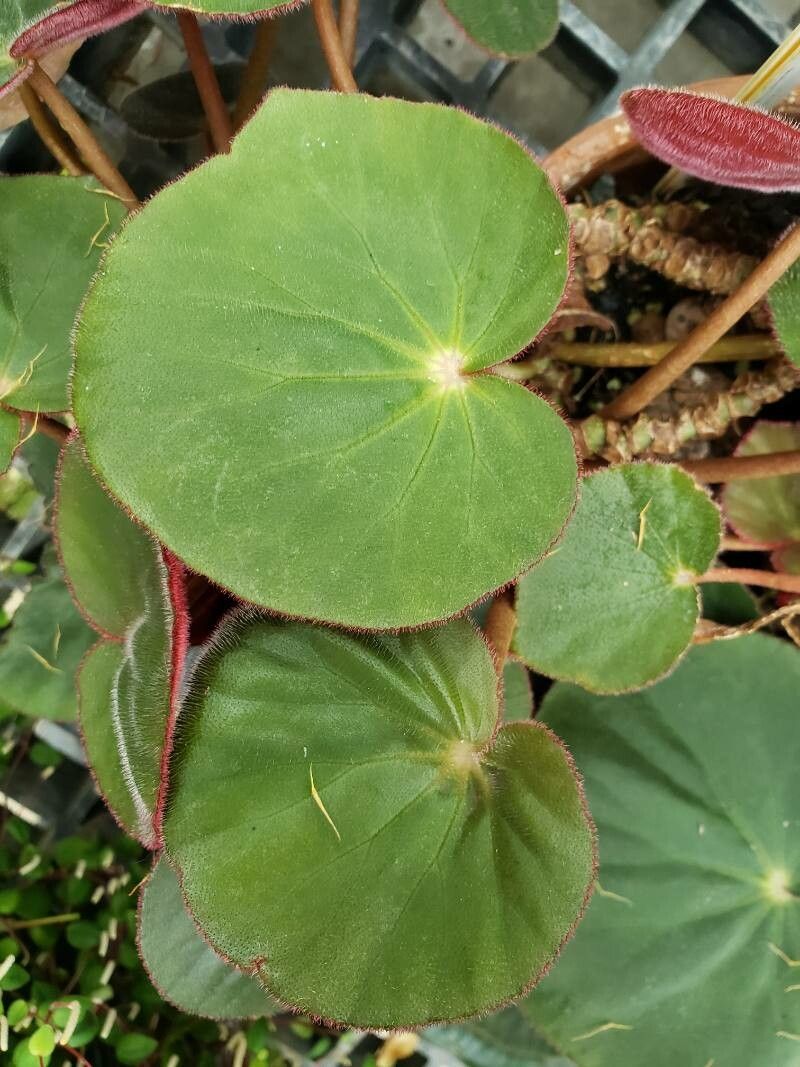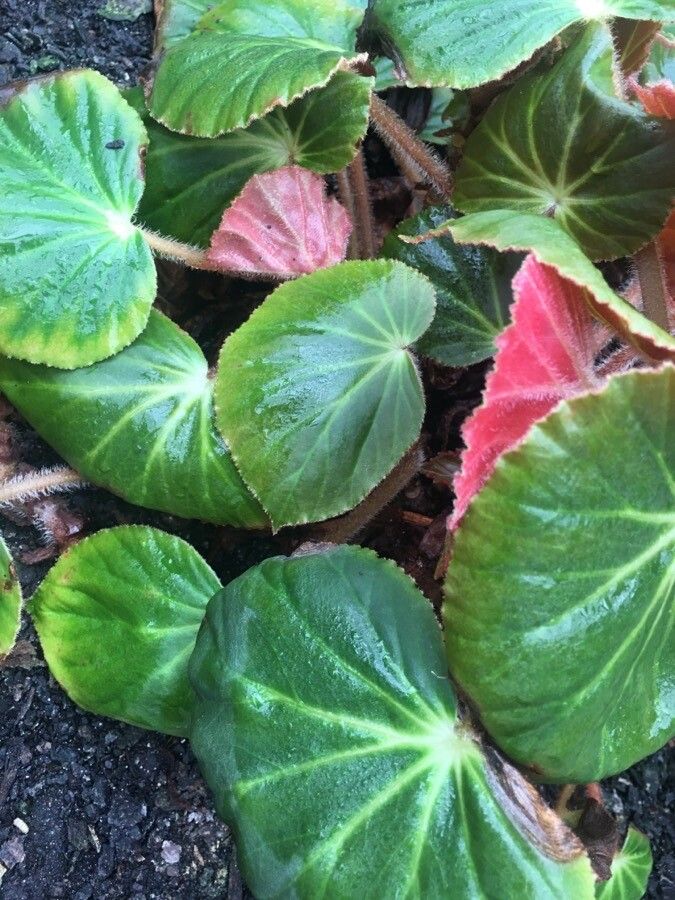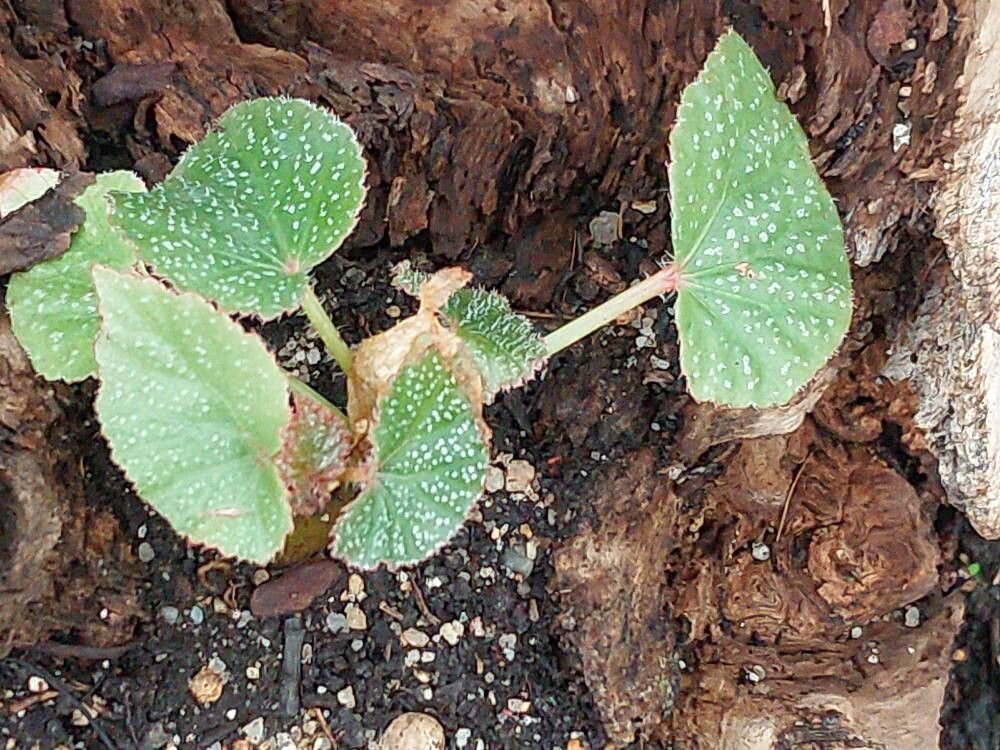
Begonia dipetala is a species of flowering plant in the family Begoniaceae, native to India near Bombay. It is the type species and the only species in the section Haagea. It is a thick-stemmed Begonia.
Begonia dipetala is fairly disease-resistant and typically not prone to illnesses. However, it can be affected by pests and diseases present in its surroundings. Such infections are usually mild. In terms of care, this plant needs moderate maintenance. Regular pruning is required to keep a tidy appearance and support healthy growth. Applying fertilizer can also encourage flowering. Begonia dipetala is well suited for anyone with outdoor space, like a garden or patio, and does not demand extensive care experience. It may require more attention when grown indoors.
How to keep Begonia Dipetala.
Light
Begonia dipetala originates from habitats like forest undergrowth or stony regions, where it encounters native cover from the sun. It favors areas with partial sunshine, however, it has the capacity to adjust to both complete sunlight and complete shade, highlighting its adaptable and robust characteristics.
Temperature
Begonia dipetala possesses the capability to adjust to a broad spectrum of thermal environments, though its dispersion can be constrained by various mixes of water and heat situations. This plant flourishes optimally in balmy weather during summertime with sufficient rain or irrigation. Extended sequences of overcast and wet weather, as well as extended periods of intense temperature, can heighten the chance of the plant dying. During winter, appropriate safeguarding against chill can boost the plant's chances of survival.
Fertilizer
Typically, a one-time fertilizer application in spring is adequate for Begonia dipetala, however, frequent feedings could optimize its growth. It is recommended to feed the plant once every one to one and a half months. The act of fertilizing improves the appearance and functionality of the leaves, encouraging a uniform color and a robust texture. Additionally, it prompts the growth of roots and the absorption of nutrients, contributing to the enduring wellbeing of the plant.
Botanical profile.
- Plant Type
- Herb
- Life Cycle
- Perennial
- Hardiness Zone
- 10-11
- Mature Height
- 30 cm to 61 cm
- Mature Spread
- 30 cm to 49 cm
- Leaf Color
- Light Green, Forest Green
- Leaf Type
- Deciduous
- Flower Size
- 2.03 cm to 3.05 cm
- Bloom Time
- All year round
- Planting Time
- Spring, Summer
- Harvest Time
- All year round
- Native Area
- India