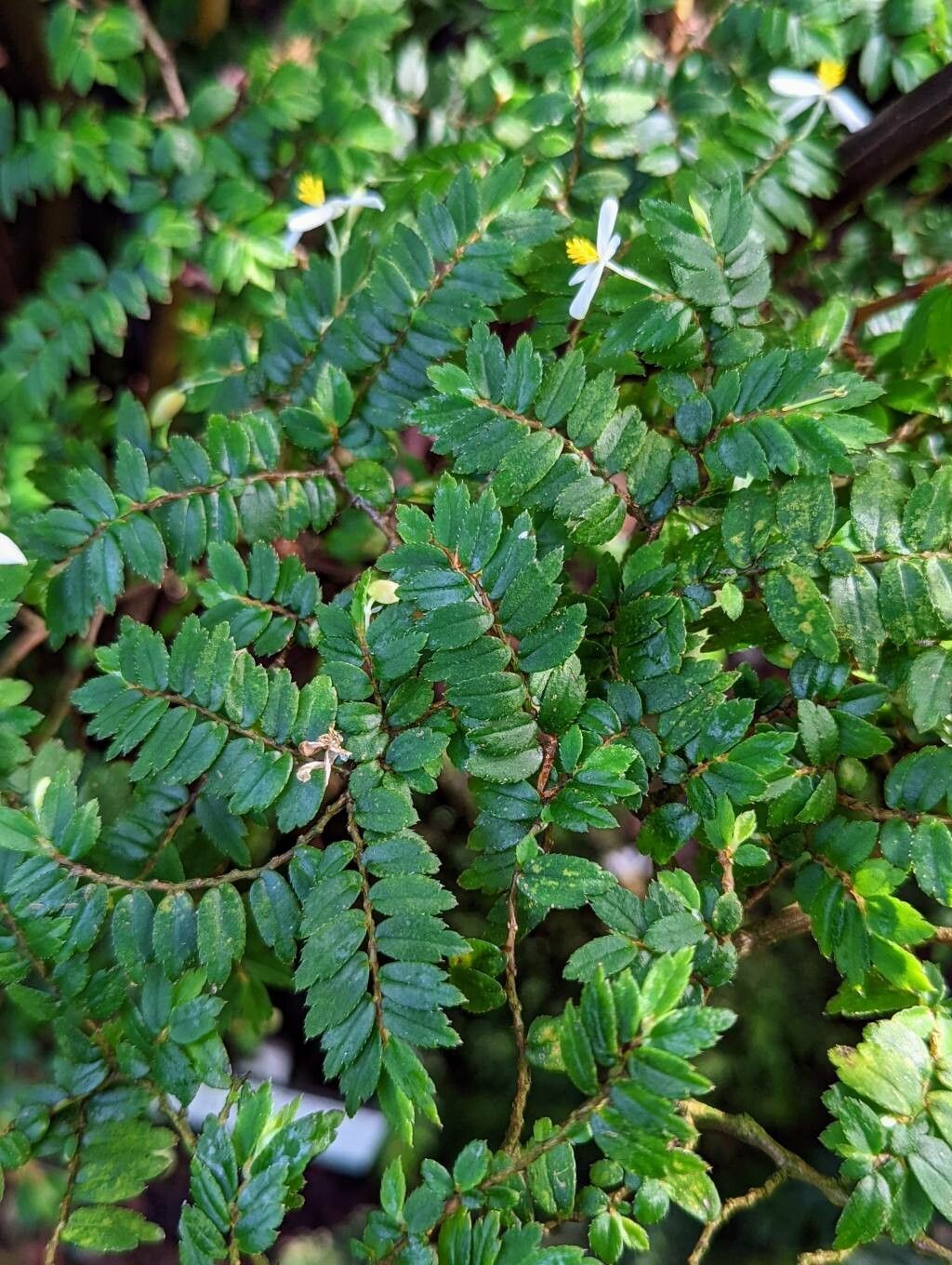
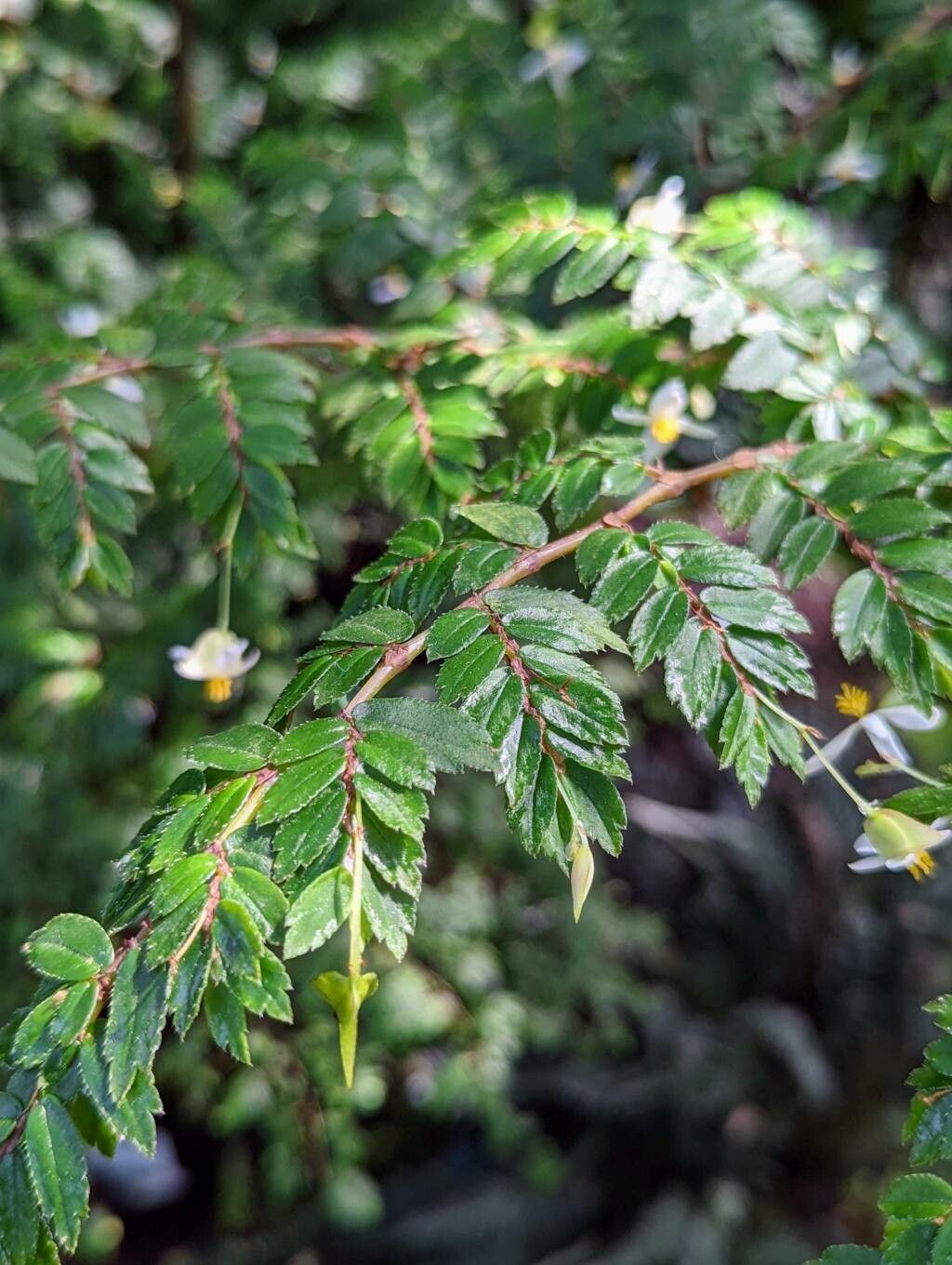
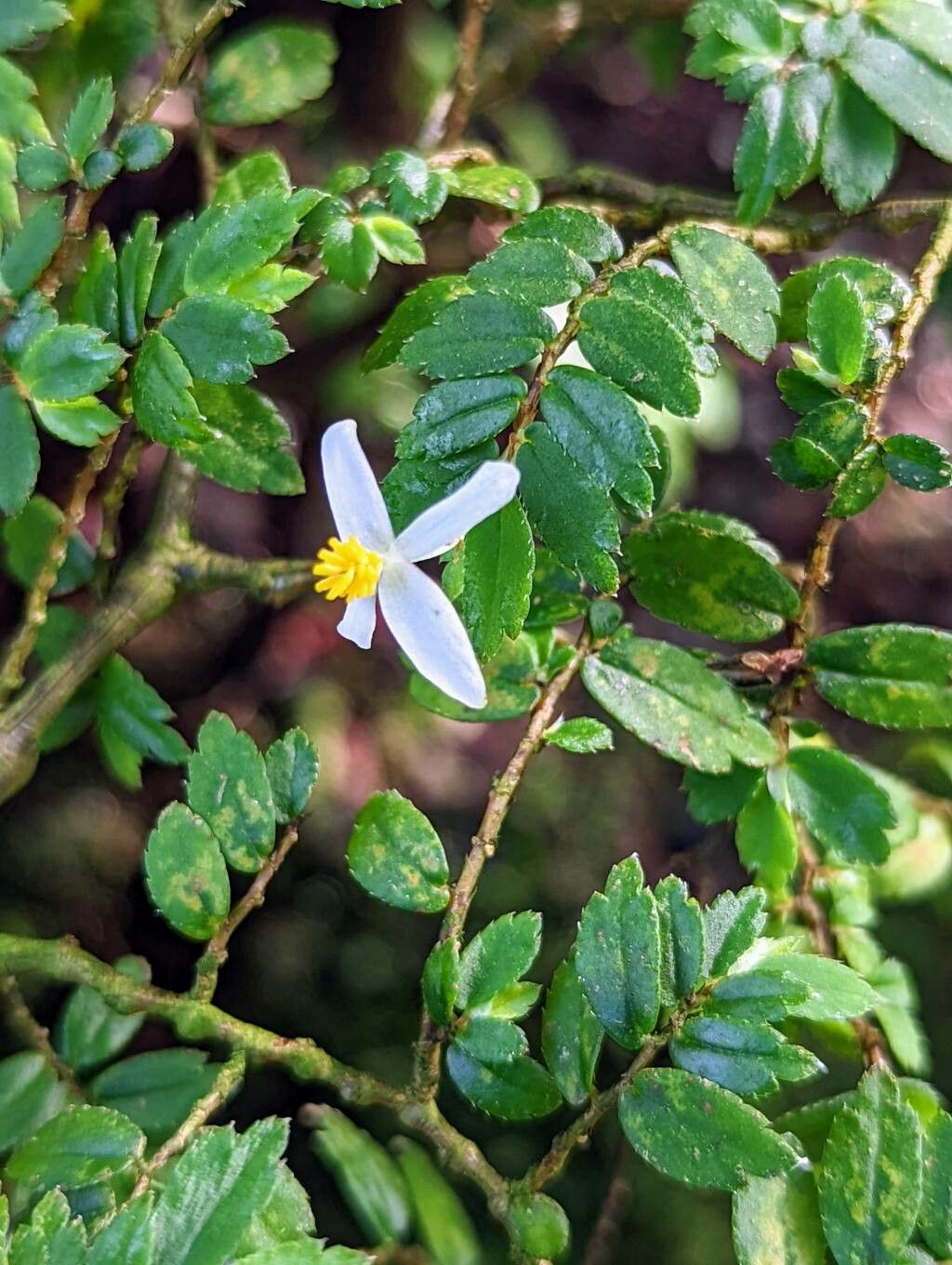
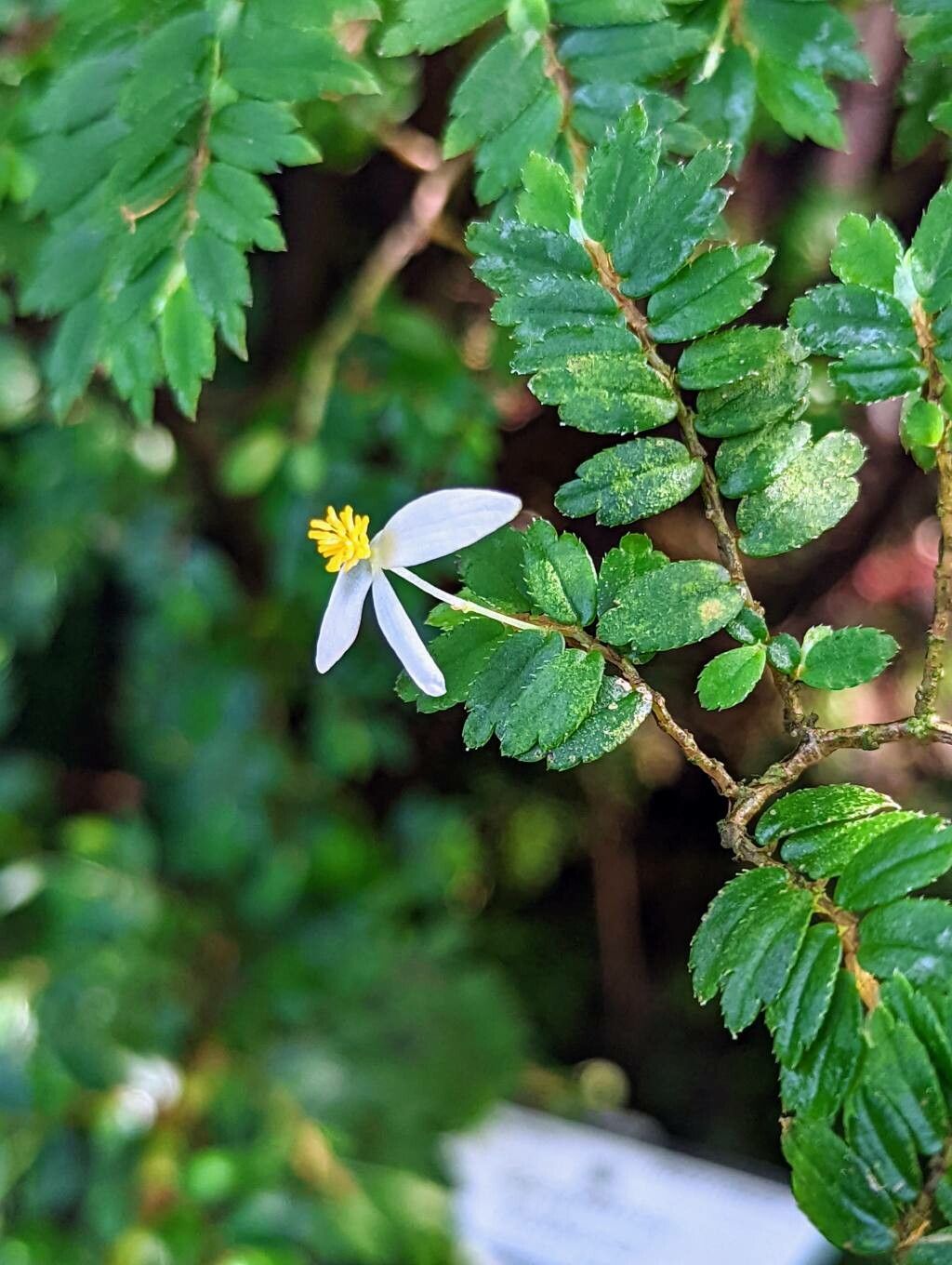
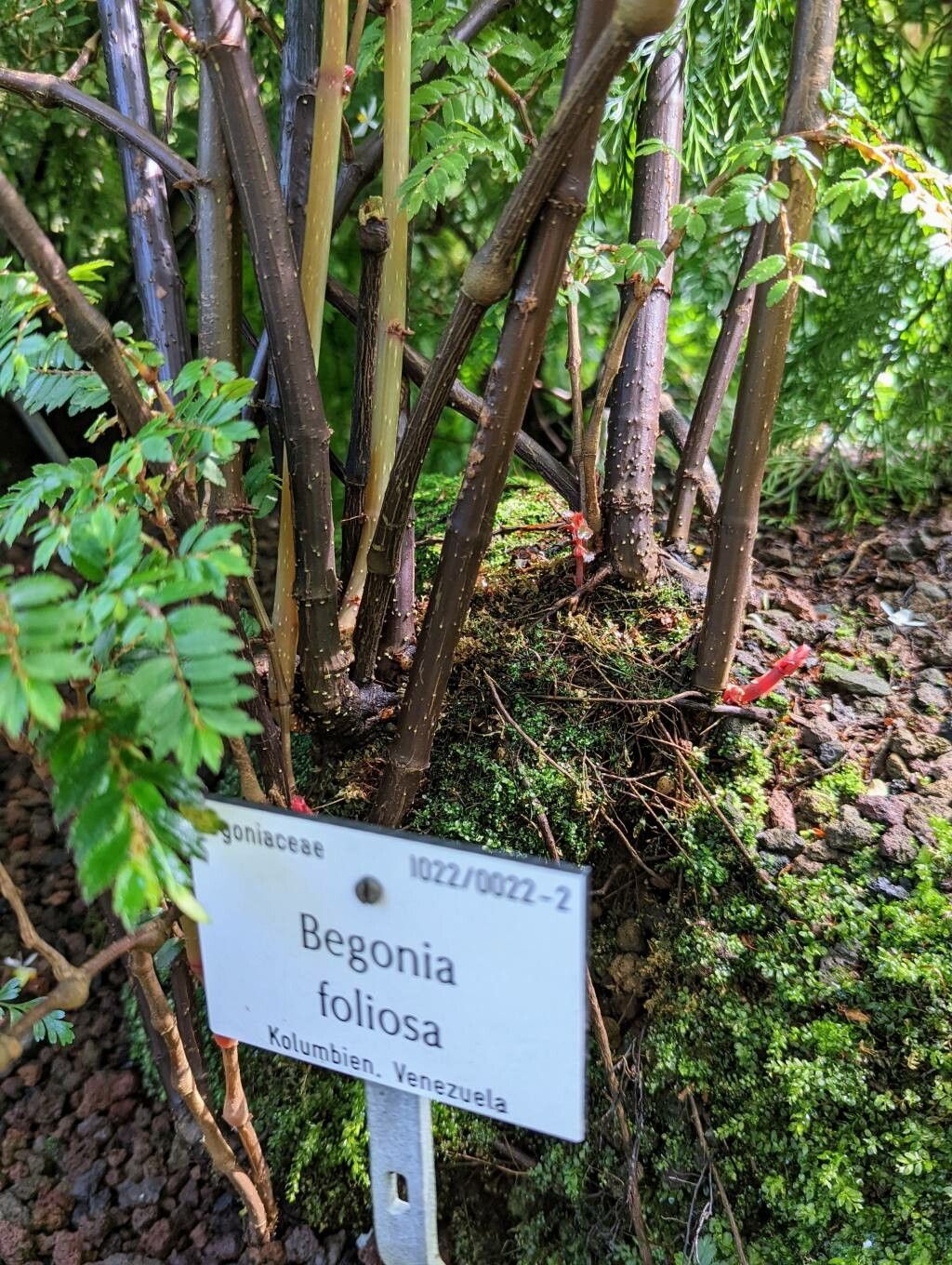
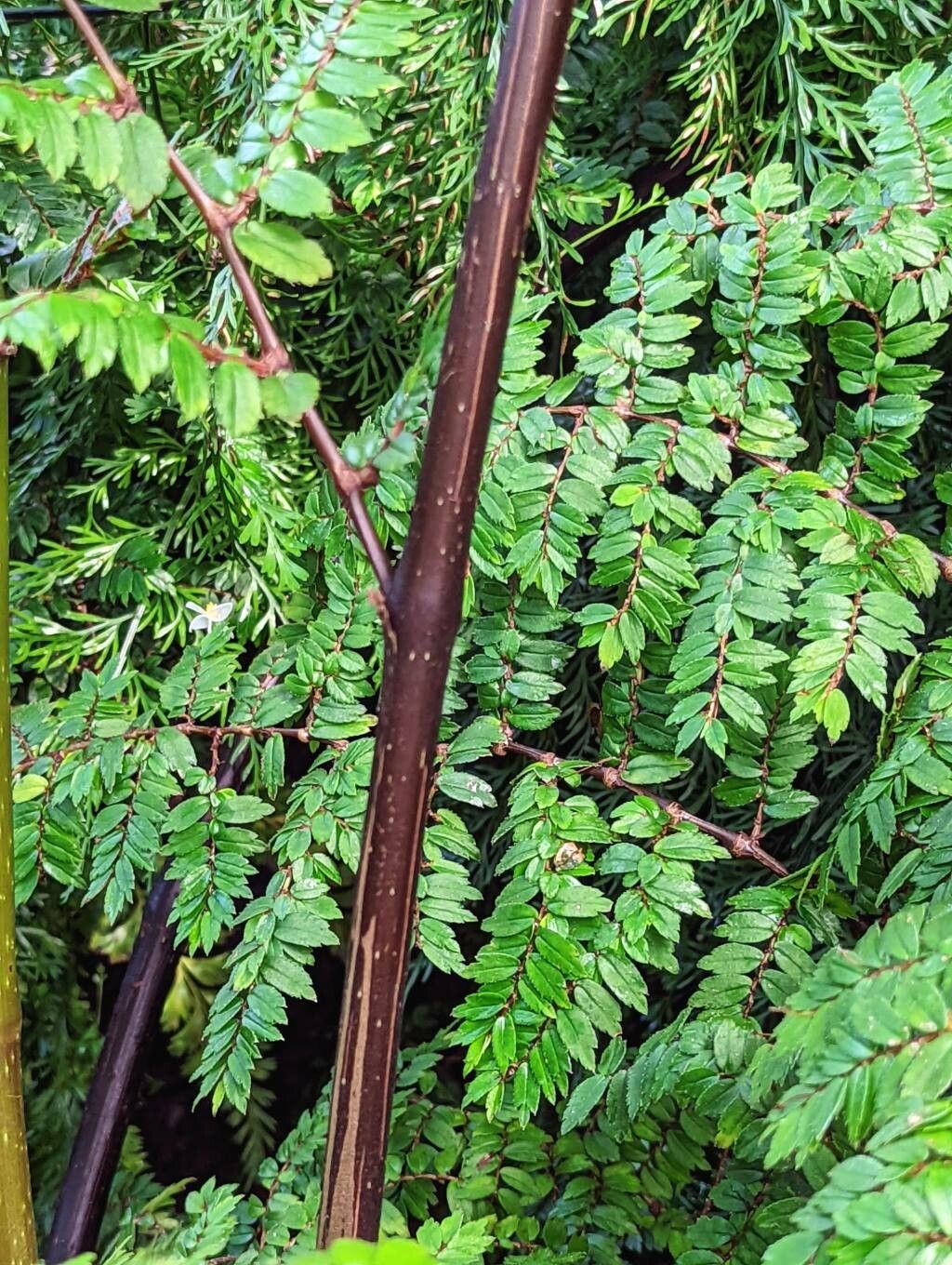
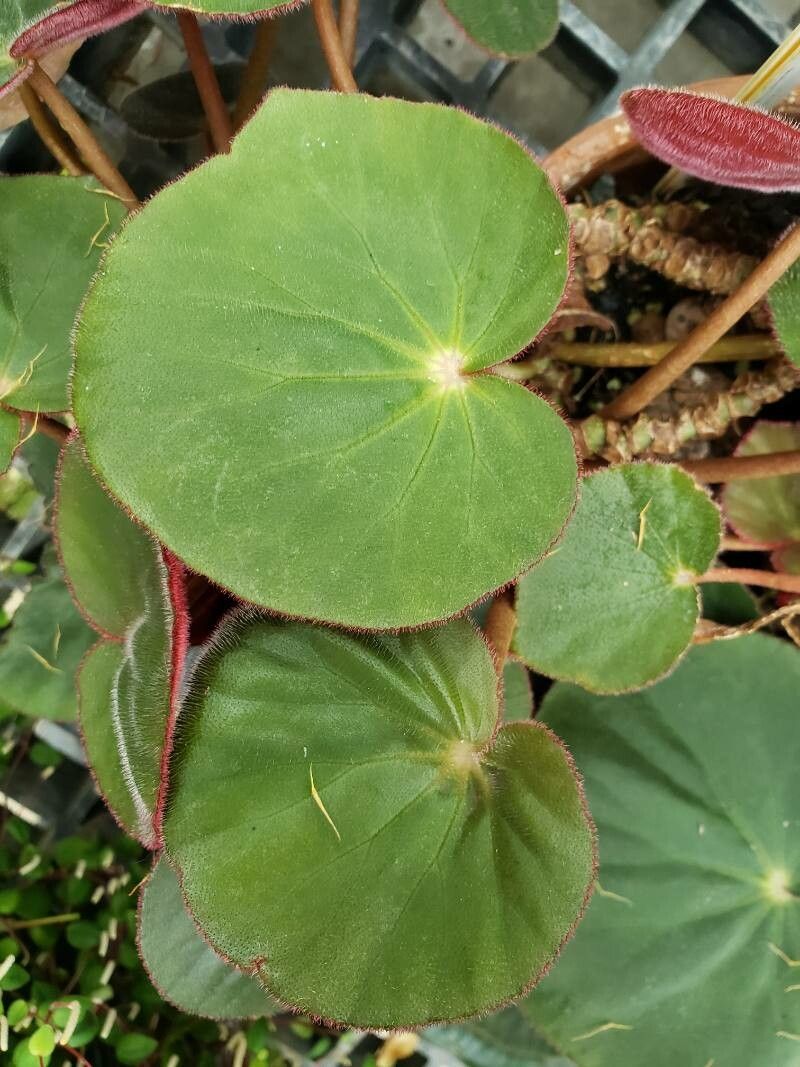
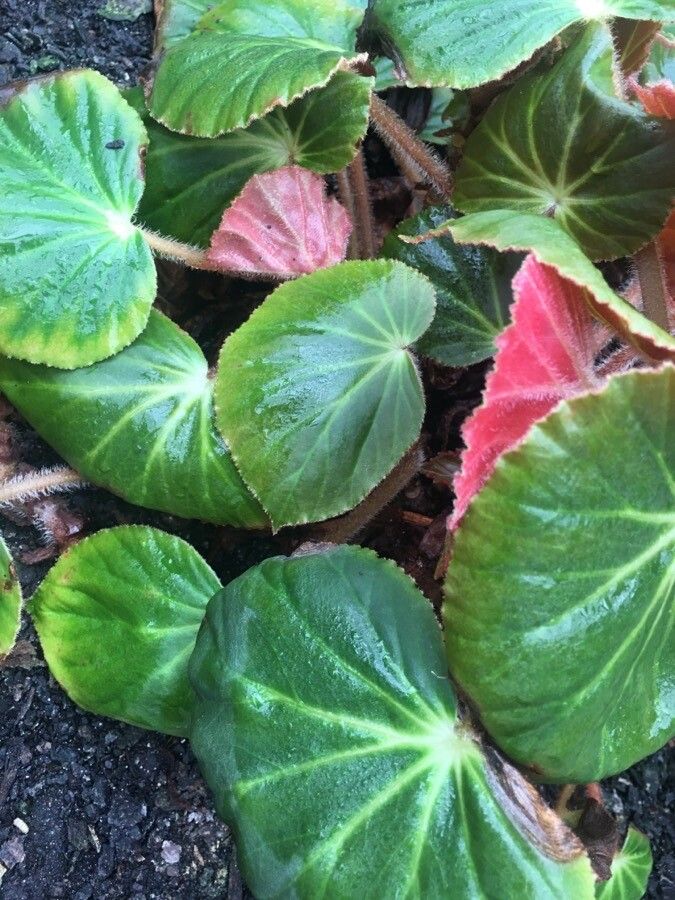
Begonia foliosa is a species of flowering plant in the family Begoniaceae, native to Colombia and Venezuela. It is a shrublike begonia growing to 1 metre (3.3 ft), bearing succulent, pendent stems 45 centimetres (18 in) long, thickly clothed with glossy oval green leaves, and producing panicles of small white flowers. The variety commonly cultivated is B. foliosa var. miniata with pink or red flowers. As it does not tolerate temperatures below 0 °C (32 °F), in temperate regions it requires winter protection.The variety B. foliosa var. miniata has gained the Royal Horticultural Society's Award of Garden Merit.
Fern begonia has a good level of disease resistance and is generally not prone to illnesses. However, if the plant is kept in a poor environment, it can become more susceptible to disease. It also faces few insect pests. Care-wise, this plant has moderate requirements. It needs plenty of sunlight, because in insufficient light it may become more disease-prone and develop thin growth. Since it is often kept indoors, it may need to be moved regularly to a well-lit spot. It does not require frequent watering. Overall, Fern begonia is suitable for most people, though it is best for those who can provide strong light conditions.
How to keep Begonia Foliosa.
Light
Fern begonia does best with moderate sunlight, mirroring the light conditions of its native habitat. Too much sun can cause leaf scorch, while too little light results in inadequate growth. Its light requirements stay largely the same across different stages of growth.
Water
Fern begonia, which originates from the humid forest understories, thrives in environments with consistent moisture and high humidity. While it demonstrates moderate drought tolerance, regular weekly watering is crucial for maintaining its lush foliage. Being an evergreen plant, fern begonia flourishes indoors, where humidity levels can be controlled to support continuous growth.
Humidity
This plant will thrive in moderate humidity, which is probably the level in your home. However, misting it a few times a week can be very beneficial. Make sure the room has good ventilation.
Temperature
Fern begonia adapts well to temperature, tolerating higher heat and larger swings in temperature. In hot conditions, you should watch watering and provide adequate shade to avoid sunburn. By contrast, Fern begonia is less tolerant of cold; it can handle some chill, but excessively low temperatures may cause frost damage.
Fertilizer
Timing is essential when fertilizing a Fern begonia. Apply fertilizer in early spring and continue monthly until early summer. Fertilizer promotes attractive blooms and supplies energy during both dormant and active growth periods.
Pruning
Fern begonia, known for its delicate foliage, thrives with some spring pruning. To promote healthy growth and improve air circulation, remove any dead stems and thin out the growth. Be sure to limit your pruning to no more than one-third of the plant. This approach helps maintain the plant’s health and appearance, encouraging vigorous and lush growth throughout the season.
Pot & Repot
When repotting Fern begonia, select a pot 1–2 inches (2.5–5.1 cm) larger with ample drainage. Use a well-draining potting mix. Repot in spring or fall, making sure the root ball is slightly lower than the rim of the flower pot. Water thoroughly after repotting and place in a warm spot with indirect sunlight.
Botanical profile.
- Plant Type
- Shrub
- Life Cycle
- Perennial
- Genus
- Begonia
- Family
- Begoniaceae
- Hardiness Zone
- 10-11
- Mature Height
- 30 cm to 61 cm
- Mature Spread
- 30 cm to 46 cm
- Leaf Color
- Green
- Leaf Type
- Evergreen
- Flower Color
- White, Pink
- Flower Size
- 1.02 cm to 2.03 cm
- Bloom Time
- All year round
- Planting Time
- Spring, Summer, Autumn
- Harvest Time
- All year round
- Native Area
- Colombia, Ecuador, Venezuela, Peru
Other names.
Reader questions.
What are the sunlight requirements for Fern begonia?
Fern begonia thrives best under moderate sun exposure, mimicking its original habitat's lighting conditions. The plant requires about 3-6 hours of sunlight daily (partial sun), but it can also grow in full shade, which is defined as less than 3 hours of sunlight. Excessive sun exposure can cause leaf scorch, while too little light may lead to inadequate growth. It's essential to observe how sunlight moves through your garden to find spots providing the perfect balance of light and shade, ensuring the plants' well-being. Additionally, indoor Fern begonias may require artificial lighting to promote optimal growth, especially in less sunny spaces or during winter. LED lights are recommended, providing specific light wavelengths necessary for plant health. The appropriate amount of artificial light depends on the plant's sunlight needs, ranging from 10-20W/sq ft for full shade plants to 30-50W/sq ft for full sun plants. The lights should be placed 12-36 inches above the plants for 8-12 hours a day to mimic natural daylight hours.
What are the symptoms of improper lighting for Fern begonia?
When Fern begonia is grown under inadequate light conditions, it may exhibit several symptoms indicating light deficiency. These include smaller new leaves, leggy or sparse growth, faster leaf drop, slowed or halted new growth, and leaves developing lighter colors or chlorosis, a condition marked by leaves turning yellow due to a lack of chlorophyll. On the other hand, excessive sunlight exposure might cause symptoms like sunscald, leaf curling to minimize surface area exposed to the sun, wilting due to increased water loss, and leaf scorching, characterized by brown, dry, and crispy leaf edges. These symptoms serve as indicators that the plant's lighting conditions need to be adjusted for better health and growth.
How can I adjust the light conditions for indoor and outdoor Fern begonias?
To optimize growth in both indoor and outdoor settings, gradually adapting your Fern begonia to the desired light conditions is crucial. For indoor plants, you can shift them to sunnier spots each week until achieving 3-6 hours of direct sunlight daily. If the plant is large or not easily movable, consider artificial lighting solutions, such as keeping a desk or ceiling lamp on for at least 8 hours daily or investing in professional plant grow lights. Outdoors, transition the plants to sunnier locations progressively to avoid sunburn, aiming for a gradual increase in light intensity. Additionally, if natural sunlight is blocked by obstructions like trees, pruning can help increase sunlight exposure. For plants in the ground that need more light, consider transplanting them during their dormant period to a brighter location with ample sunlight and good drainage.