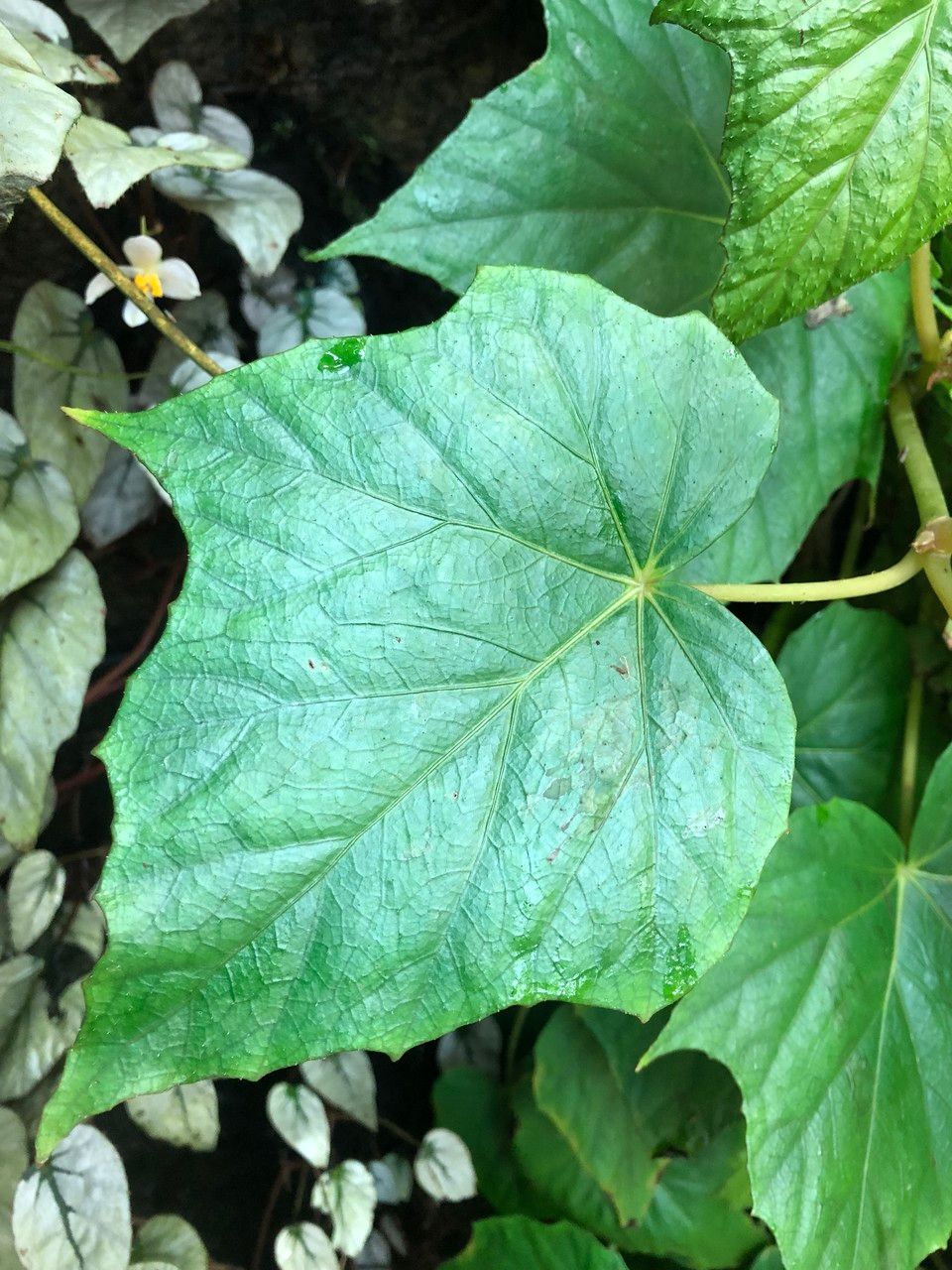
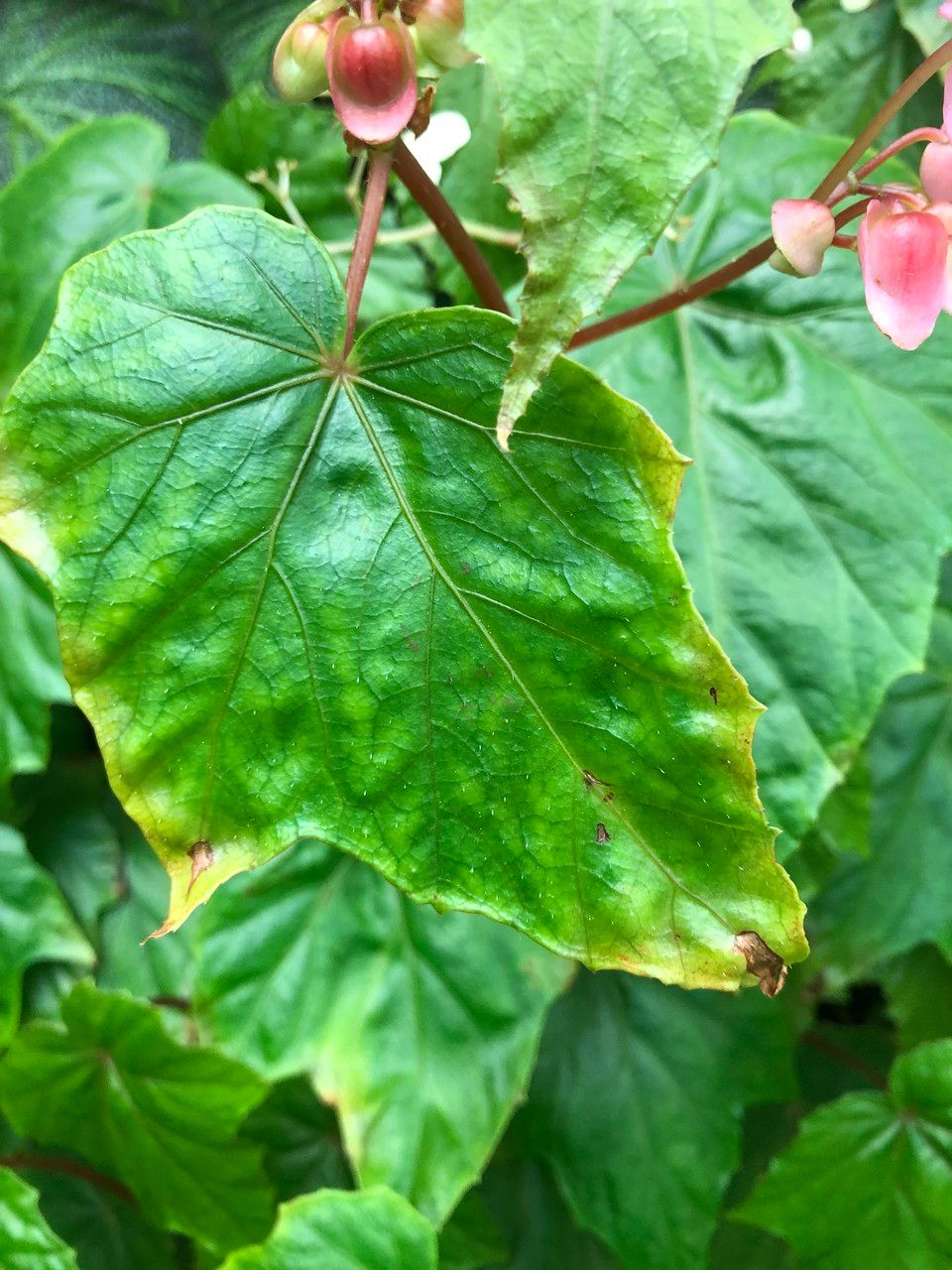
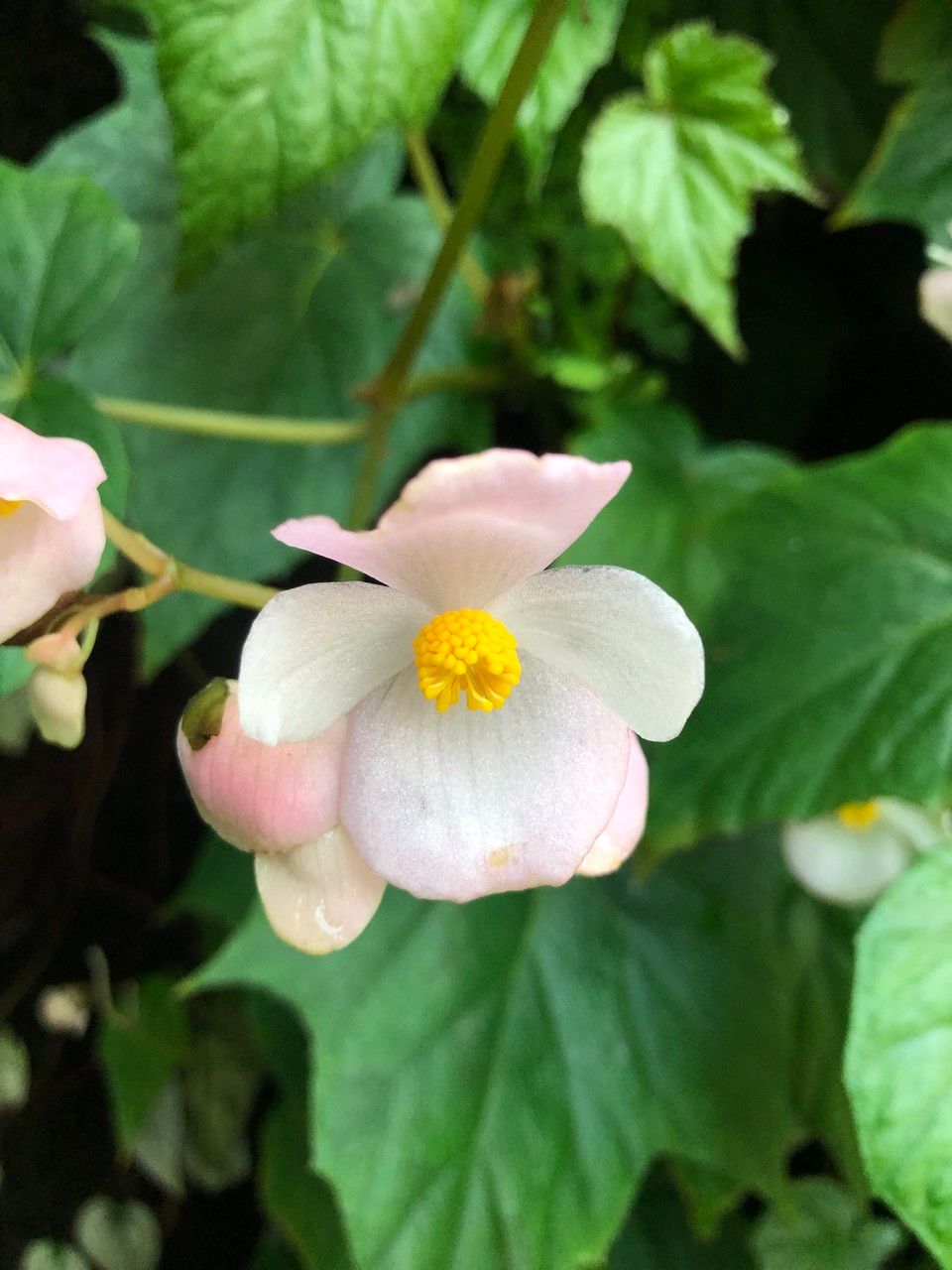
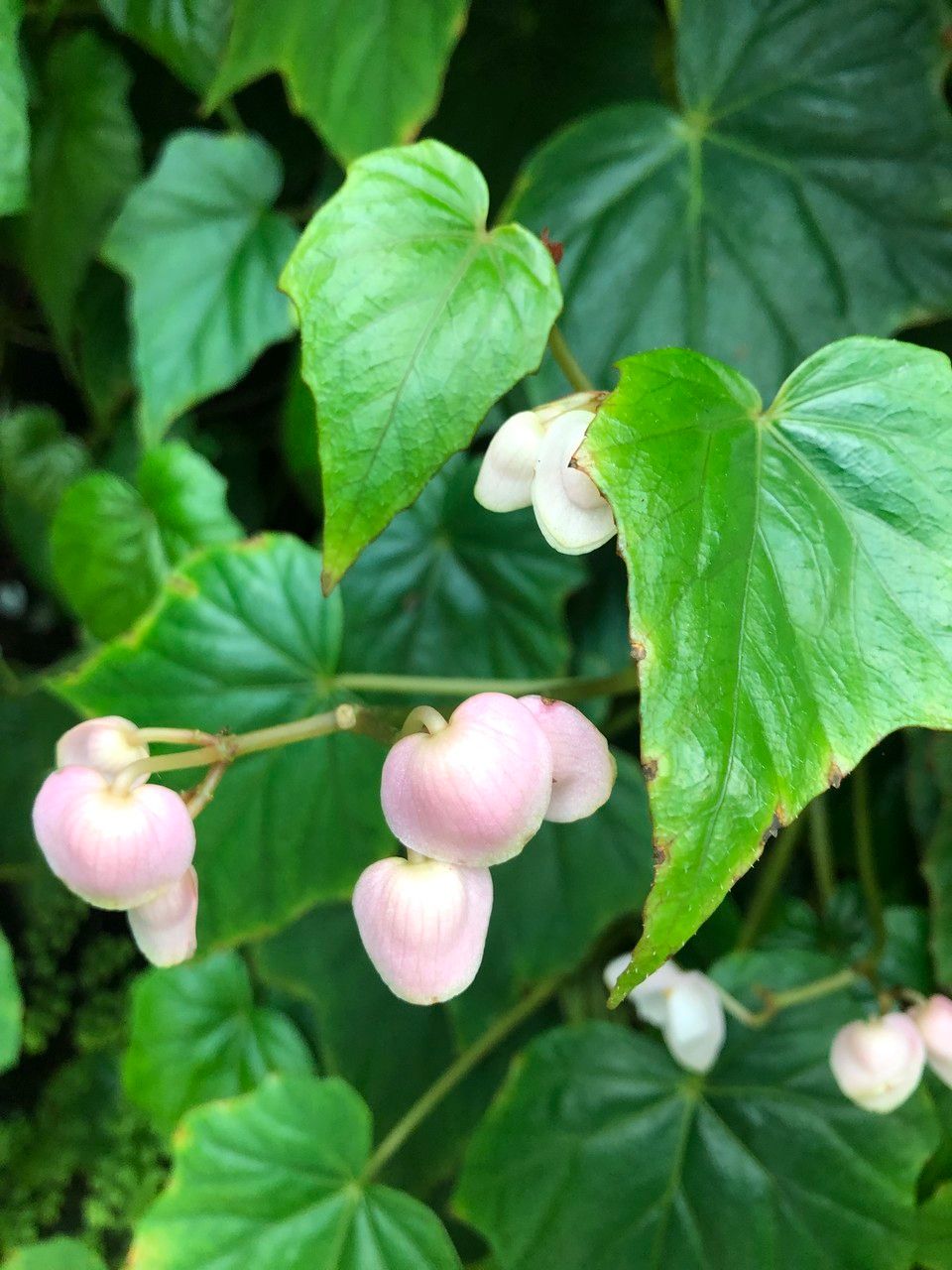
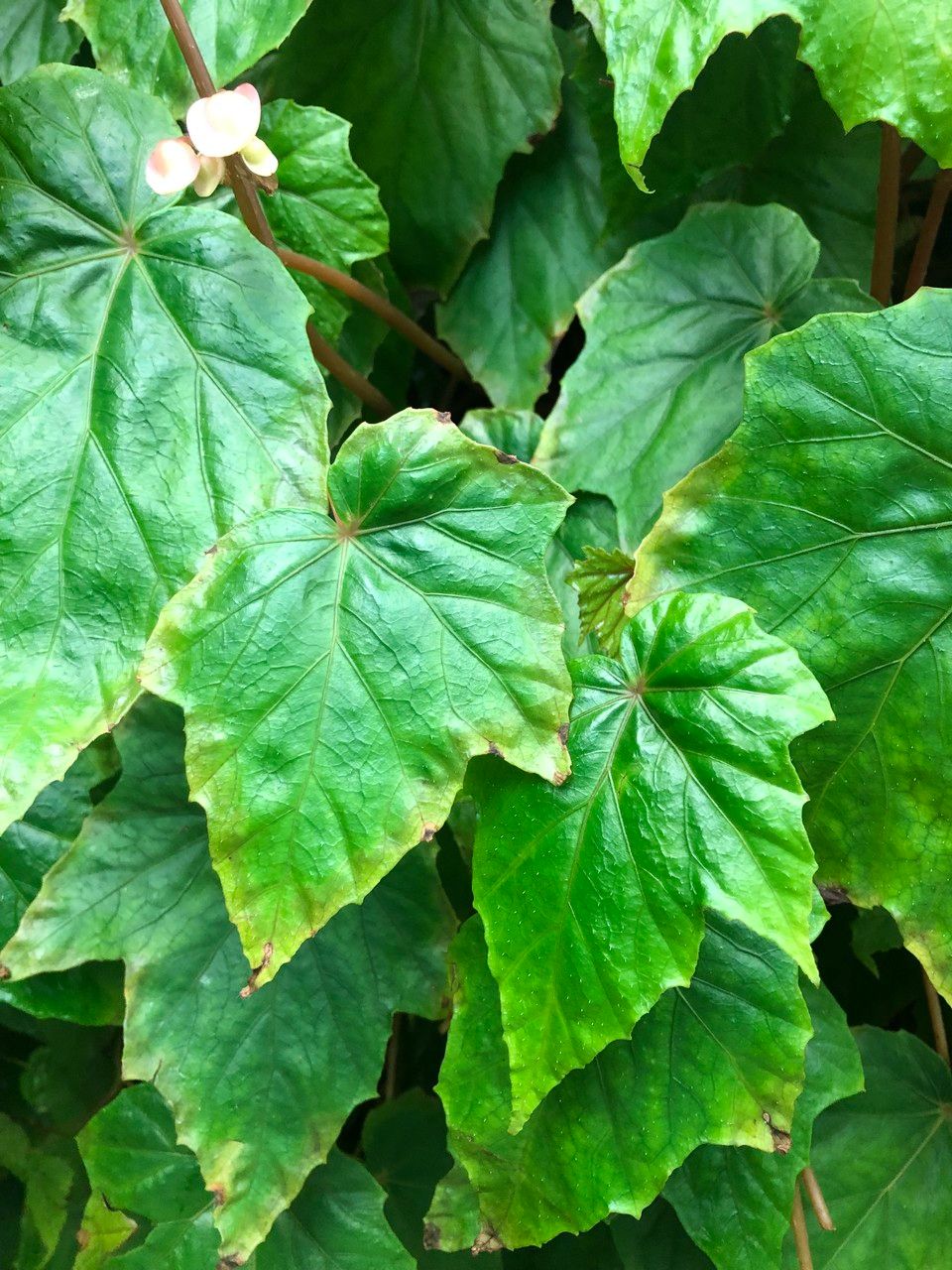
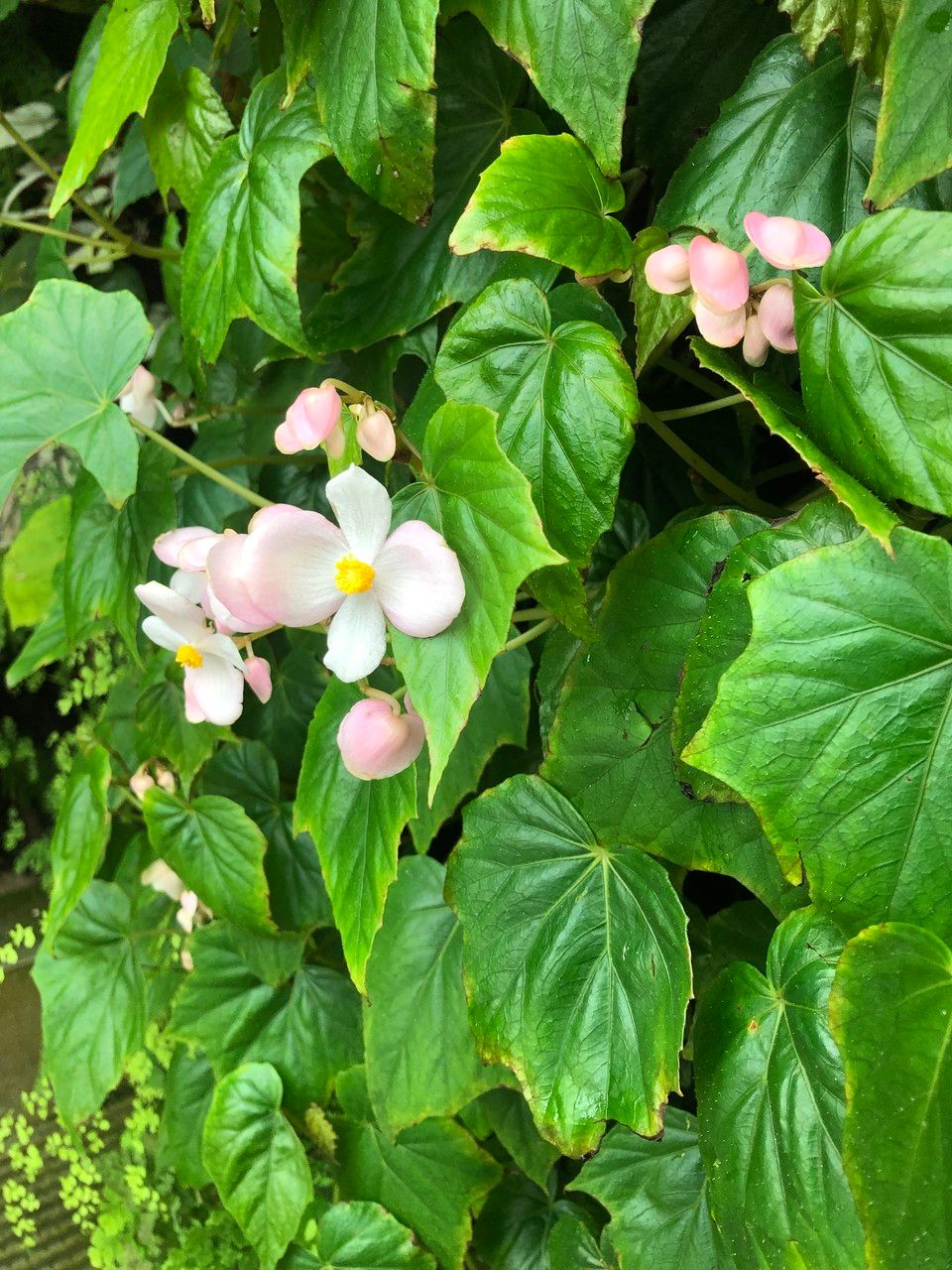
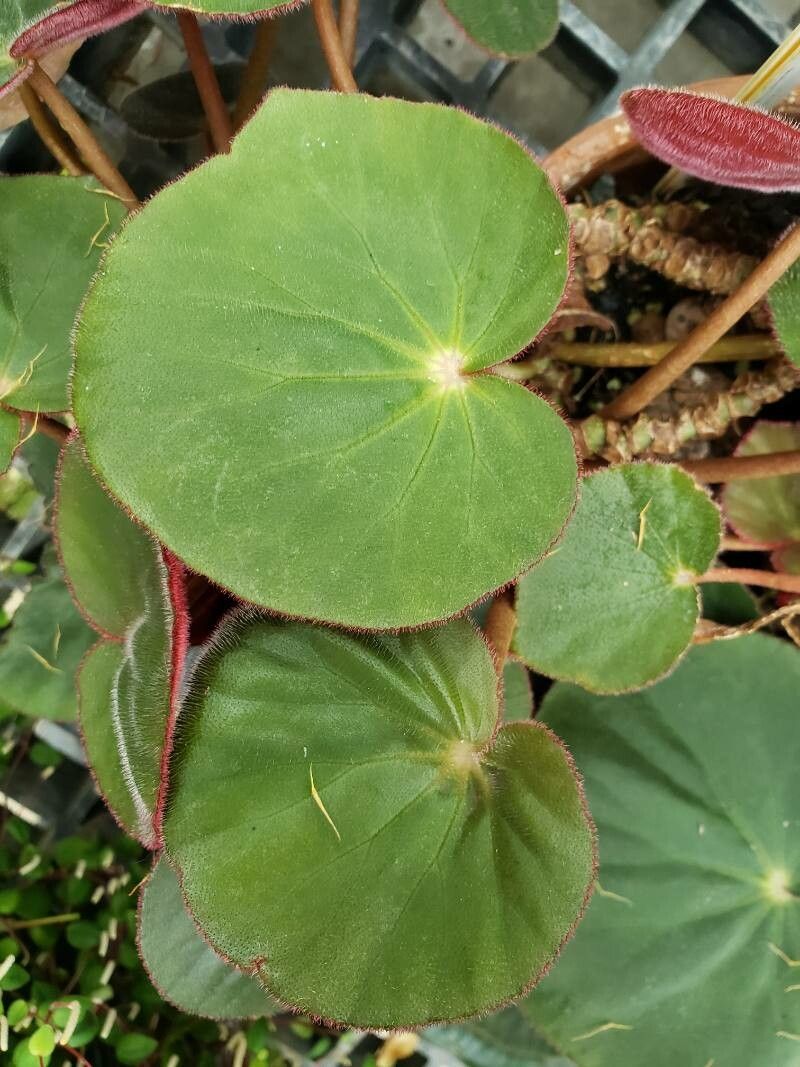
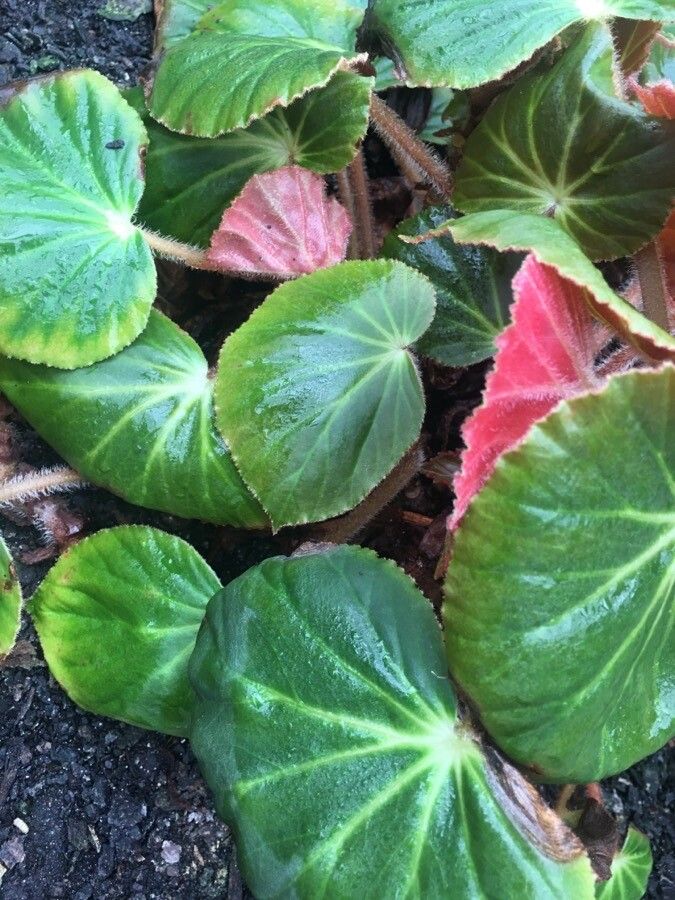
Begonia formosana is a species of flowering plant in the family Begoniaceae, native to Taiwan and the Ryukyu Islands. It is found growing in forests in shady, moist situations at elevations from 700 to 900 m.
Rough leaf begonia is fairly resistant to disease and typically does not suffer from them. Still, it can be affected by pests and diseases present in its environment, though such outbreaks are usually not serious. In terms of care, this plant needs moderate attention. It should be pruned regularly to maintain a neat appearance and healthy growth. Fertilizing can also help encourage flowering. Rough leaf begonia is suitable for anyone with outdoor space, such as a garden or patio, and does not require extensive care experience. It may need more attention when grown indoors.
How to keep Begonia Formosana.
Light
Rough leaf begonia naturally occurs in habitats like forest understories and rocky areas, where it grows in natural shade. It prefers partial sun but can tolerate full sun or deep shade, reflecting its adaptable, hardy nature.
Water
The rough leaf begonia thrives in a high-humidity environment and requires weekly watering to replicate its natural conditions. It needs a balanced amount of water, as it is neither drought-tolerant nor overly thirsty. When grown indoors, it is important to provide plenty of indirect light to ensure optimal water absorption.
Temperature
Rough leaf begonia shows good temperature adaptability, tolerating higher temperatures and larger temperature fluctuations. When it is hot, attention should be paid to watering and appropriate shading should be provided to prevent sunburn. However, Rough leaf begonia is relatively sensitive to low temperatures. While it can endure some cold, excessively low temperatures can cause frost damage.
Fertilizer
The best time to fertilize a Rough leaf begonia is in early spring, as it comes out of dormancy and begins active growth. Fertilizing supplies essential nutrients for healthy development. While Rough leaf begonia has fairly low fertilizer requirements, an annual application can improve its survival and encourage better, longer-lasting blooms.
Pruning
To keep your rough leaf begonia looking vibrant and healthy, it's important to prune it between early and late spring. Focus on removing any dead stems and thinning out crowded areas to improve air circulation. This seasonal maintenance encourages better growth, enhances flowering, and contributes to the plant's overall health, ensuring it remains a striking and appealing addition to your garden.
Botanical profile.
- Plant Type
- Herb
- Life Cycle
- Perennial
- Genus
- Begonia
- Family
- Begoniaceae
- Hardiness Zone
- 10-11
- Mature Height
- 20 cm to 49 cm
- Mature Spread
- 20 cm to 30 cm
- Leaf Color
- Green
- Leaf Type
- Semi-evergreen
- Flower Color
- Pink, White
- Flower Size
- 2.54 cm
- Bloom Time
- Late spring, Summer, Early fall, Mid fall
- Planting Time
- Spring, Summer, Autumn
- Harvest Time
- Mid summer, Late summer, Fall, Early winter
- Native Area
- Japan, China
Other names.
Reader questions.
What are the sunlight requirements for Rough leaf begonia?
Rough leaf begonia thrives best in partial sun, which means about 3-6 hours of sunlight. It can also grow in full sun, which refers to areas receiving more than 6 hours of sunlight. Moreover, this plant is adaptable to full shade conditions, making it suitable for environments like forest understories or rocky areas. It's essential to watch the sunlight movement through your garden to choose the best spots that provide a balance of light and shade, ensuring the plant's happiness.
How does artificial lighting benefit indoor plants?
Artificial lighting plays a critical role, especially when natural sunlight is insufficient, like during winter or in less sunny spaces. It ensures optimal growth by providing essential light. LED lights are preferred for their ability to offer specific light wavelengths needed by plants. For full sun plants, artificial light requirements are 30-50W/sq ft, for partial sun plants 20-30W/sq ft, and for full shade plants 10-20W/sq ft. The light source should be placed 12-36 inches above the plant to mimic natural sunlight conditions, and most plants will need 8-12 hours of light per day to mimic natural daylight hours adequately.
What are the symptoms of light deficiency in Rough leaf begonia?
When Rough leaf begonia receives insufficient light, it may exhibit several symptoms indicating light deficiency. These include smaller new leaves compared to older ones, leggy or sparse growth due to longer spaces between leaves or stems, faster leaf drop as the plant conserves resources, slower or halted new growth, leaves developing lighter colors or irregular patterns indicating a lack of chlorophyll, and conditions like chlorosis where leaves turn yellow, sunscald with pale or necrotic areas, leaf curling to minimize water loss, wilting due to increased transpiration, and leaf scorching characterized by brown, dry edges on leaves.
How can I address light deficiency issues for Rough leaf begonia?
To optimize Rough leaf begonia growth in case of light deficiency, gradually acclimate the plant to more sunlight by moving it to sunnier spots each week until it receives 3-6 hours of direct sunlight daily. For large or immovable indoor plants, consider using artificial light, such as keeping a desk or ceiling lamp on for at least 8 hours daily or investing in professional plant grow lights. For outdoor plants, avoid sudden light intensity changes by gradually moving them to sunnier locations. Minimize sunlight obstructions, either by pruning trees or transplanting smaller plants to sunnier areas, ensuring they're moved during their dormant period for best results. Note that parts of the plant affected by insufficient sunlight may not fully recover, but new growth will be healthy after improving light exposure.