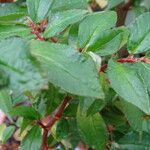
Begonia fuchsioides
فوشیا · Fuchsia begonia · हिंदी भाषा
Description
Source: leafsnapBegonia fuchsioides, a species of flowering plant in the Begoniaceae family, is native to Brazil. This small, evergreen perennial typically grows up to 30 cm in height. The plant features attractive foliage with dark green, slightly hairy leaves that have red undersides. Its bright pink flowers resemble those of fuchsia plants, which is reflected in the species name "fuchsioides." Begonia fuchsioides thrives in partial shade and moist soil, making it an excellent choice for both indoor and outdoor container gardening. It is also commonly used as a houseplant due to its low maintenance requirements and ornamental value.
Care Guide
💧 Water Every 7 days
The fuchsia begonia flourishes in environments with high humidity and consistently moist conditions. It needs to be watered weekly to prevent overwatering. Usually kept indoors, this plant benefits from regular misting to replicate its natural tropical rainforest habitat, maintaining the moisture levels necessary for optimal growth.
What should I do if I give too much or too little water to my Fuchsia begonia?
Observing the plant closely will help you determine if there are watering issues. If you overwater your plant, you may notice that the leaves appear yellow and develop yellow-brown patches at the tips. In more serious cases, the leaves may droop and curl due to root rot, as the plant struggles to absorb more water. It's especially easy to overwater indoor Fuchsia begonias since they can't tolerate standing water. It's best to stop watering immediately if you see standing water or any leaf changes, and allow the soil to dry out for 3-5 days. If signs of root rot are present, quick action is necessary. Remove the plant from its pot or ground, wash off the roots, and discard any dead or decaying roots while preserving as much of the healthy ones as possible. Replace the old soil with fresh soil if needed. In garden planting, remove the old soil and replant in a different location. On the other hand, underwatering is also problematic for Fuchsia begonias, as they are sensitive to drought conditions. Signs of underwatering include curled, pendulous, lifeless leaves, gradual yellowing of leaves from the bottom, and browning of leaf edges. Thankfully, underwatering is easier to fix. Simply increase the frequency of watering and consider increasing humidity to keep the soil moist for longer if the air is dry. If the plant is receiving too much sunlight or is in a hot location causing quick evaporation, relocating the plant may be necessary.
How often do I need to water my Fuchsia begonia?
To properly water your plant, follow these guidelines: during spring, water it approximately once per week. However, in the summer, increase the watering frequency compared to spring, and decrease it in winter. Keep in mind that the timing may vary depending on factors like humidity, temperature, and soil type. To determine the right watering frequency for your Fuchsia begonia, use your finger or a Soil Moisture Meter to check the soil condition more often. Ensure that the soil is moist but not soggy. Water the plant after the top 1.5-2 inches of soil has dried out, and adjust the watering schedule based on continual testing. Remember that potted plants are more prone to overwatering, so use a pot with drainage holes and well-draining soil. Make sure there is no excess water in the plant tray before watering. If your Fuchsia begonia is planted in the ground, it benefits from rain, requiring about 1 inch of rainfall per week for optimal growth. If rainfall is insufficient, supplement with additional watering once a week. Humidity also affects watering needs. Although the plant can survive in normal room humidity, it thrives in higher humidity, ideally around 40 to 60 percent. Increased humidity keeps the soil moist for longer. Indoor plants can benefit from a small humidifier placed nearby, while outdoor plants can be misted throughout the day.
How do I water my Fuchsia begonia correctly?
There are various ways to water your Fuchsia begonia effectively. If you have a potted plant that you keep indoors or in small pots, you can take it to the kitchen sink and use the faucet to add water. Hold the pot and stop watering when the water starts to come out of the drainage holes. However, avoid doing this during winter or in cold climates as it can harm the plant's roots. If your tap water contains high levels of fluorine, chlorine, or salts, it's best to use rainwater or lake water instead. Another option is to water the Fuchsia begonia from above or directly into the soil using a watering can, hose, or any other tool you prefer. For begonias planted in the ground, use a hose directed at the root system for at least 10 minutes when there is insufficient rain. It's important to note that Fuchsia begonias are sensitive to the water you use. They prefer soft, acidic water, so if you have hard water, consider using a home water filter or letting tap water sit for 24 hours to allow chemicals to dissipate. You can also purchase filtered water or collect rainwater, which is the ideal choice, especially if you can store it for future use.
When is the best time to water my Fuchsia begonia plant?
Fuchsia begonia plants need to be kept moist in humid conditions. It's important to not let the plants dry out completely between waterings, but also avoid overwatering, as it can cause the roots to rot. To determine when to water, wait until the top 1.5-2 inches of soil has dried out. The depth to test the soil depends on the soil depth, but a general guideline is to test about one-third of the soil depth, or more for larger pots. If you have a Soil Moisture Meter, insert it into the soil and water when the meter reads around 3. If the reading is still higher than 3, wait until the soil dries out more before watering. Following these steps will help prevent overwatering your plants.
☀️ Light Partial sun
Fuchsia begonia prefers mild sunlight. Coming from areas with filtered or dappled light, it does best when not in direct, full sun. It also benefits from that light level during its growth phases. Too much sun can impede growth, and likewise too little light can compromise its health.
What are the sunlight requirements for Fuchsia begonia?
Fuchsia begonia requires partial sun, about 3-6 hours of sunlight, but can also thrive in full shade with less than 3 hours of sunlight. Observing how sunlight moves through your garden will help you choose spots that provide the perfect balance of light and shade, ensuring your plants' happiness. This plant flourishes in environments with gentle sun exposure, mimicking its natural habitat of dappled sunlight. Too much direct sunlight can hinder its growth, just as insufficient light can limit its health.
How can artificial lighting benefit indoor Fuchsia begonia plants?
Indoor Fuchsia begonia plants require adequate lighting for optimal growth. When natural sunlight is insufficient, artificial lights offer a vital solution, promoting faster, healthier growth. Choosing the right type of artificial light, like LED lights, which can be customized to provide specific wavelengths your plants need, is crucial. Full sun plants need 30-50W/sq ft, partial sun plants need 20-30W/sq ft, and full shade plants need 10-20W/sq ft of artificial light. The light source should be placed 12-36 inches above the plant and turned on for 8-12 hours per day to mimic natural daylight.
What are the symptoms of light deficiency in Fuchsia begonia?
Symptoms of light deficiency in Fuchsia begonia include small leaves, leggy or sparse growth, faster leaf drop, slower or no new growth, lighter-colored new leaves, and conditions like chlorosis (leaves turning yellow), sunscald (damage from intense sunlight), leaf curling, wilting, and leaf scorching. These symptoms indicate the plant's struggle with adapting to inadequate light conditions, affecting its overall health and growth.
What solutions can be implemented for Fuchsia begonia facing insufficient sunlight?
To optimize growth for Fuchsia begonia facing insufficient sunlight, gradually shift plants to sunnier spots each week until they receive 3-6 hours of direct sunlight daily. If the plant is large or not easily movable, consider using artificial light, keeping a desk or ceiling lamp on for at least 8 hours daily, or invest in professional plant grow lights. For outdoor plants, move them gradually to prevent sunburn. Minimize obstructions by pruning trees or branches that block sunlight, and consider transplanting smaller plants during their dormant period to a location with ample sunlight and good drainage.
🌡️ Temperature 15–41.1°C
Fuchsia begonia originates from temperate regions and thus favors temperatures of 59 to 106 °F (15 to 41 ℃). In colder seasons, it is advisable to provide a warmer indoor environment to maintain its vitality.
What is the ideal temperature range for Fuchsia begonia?
Fuchsia begonia, indigenous to temperate environments, prefers temperatures between 59 to 106 °F (15 to 41 °C). It thrives in warmth and is vulnerable to cold temperatures. To ensure its vitality, especially during colder seasons, it is advised to create a warmer indoor environment. For winter, maintaining temperatures above 15°C is beneficial for its growth, and exposure to temperatures nearing -5°C should be avoided to prevent harm.
How should I care for my Fuchsia begonia during the autumn and winter months?
In the autumn, it is recommended to bring your outdoor-grown Fuchsia begonia indoors to protect it from the cold. Place it near a bright window to ensure it receives ample sunlight, but keep it away from heaters to avoid direct heat exposure. Throughout winter, the key is to maintain indoor temperatures above 15°C, ensuring the plant's survival and growth during the colder months.
What are the symptoms of Fuchsia begonia exposed to low temperatures?
Fuchsia begonia shows clear signs of distress when exposed to low temperatures. Symptoms include lightening of leaf color when temperatures drop below -10°C, followed by browning or blackening after frost damage. Additionally, wilting and drooping may occur. It's crucial to keep the plant above -5°C during winter to avoid these symptoms.
What should I do if my Fuchsia begonia is damaged by frost?
If frost damages your Fuchsia begonia, you should trim off the affected parts immediately. Then, move the plant to a warm indoor environment for protection. Placing the plant near a south-facing window can ensure it receives ample sunlight. Avoid placing it near heaters or air conditioning vents to prevent the air around it from becoming excessively dry.
How does high temperature affect Fuchsia begonia, and what are the immediate solutions?
High temperatures, especially above 45°C, can lighten the leaves' color and make Fuchsia begonia more prone to sunburn. To mitigate this, trim away the sunburned and dried parts of the plant. Relocate it to an area with shade during the midday and afternoon sun. For the soil, watering in the morning and evening is advisable to maintain moisture and keep the plant healthy.
💨 Humidity
🪴 Soil 5-7
🌱 Fertilizer
The best time to fertilize a Fuchsia begonia is in early spring, as it comes out of dormancy. This promotes general growth and the development of flowers. Fertilization improves the foliage, stems, and branches, and encourages flowers that are large, vivid, and long-lasting. It helps move nutrients from the roots to the blooms and enhances the plant's health and resistance to disease.
Why should I add fertilizer to my Fuchsia begonia?
Fertilization plays a key role in ensuring the overall health and well-being of a Fuchsia begonia. When provided with the right energy and nutrients, this plant will develop healthy foliage, sturdy stems, and branches. However, the flowers of the Fuchsia begonia are particularly important and valued by gardeners. Thankfully, fertilization also promotes the growth of large, vibrant, and long-lasting flowers. This is because the right type of fertilizer facilitates the efficient transfer of fuel from the roots to the stems and flowers. Additionally, proper fertilization helps to maintain the plant's overall health, making it more resistant to diseases.
When should I add fertilizer to my Fuchsia begonia plant?
To properly fertilize a Fuchsia begonia, it is recommended to do so during early spring when the plant is coming out of dormancy and getting ready to bloom. This will provide ample energy for growth and flower development. However, it's not the only time to fertilize this plant. Giving it an additional feeding during the fall months can also be beneficial, although the amount of fertilizer used can be less than the spring feeding. Some gardeners opt to fertilize the Fuchsia begonia during planting, but this step is not always necessary.
When is the best time to not use fertilizer on my Fuchsia begonia?
During the winter, Fuchsia begonias are in a dormant phase and do not require fertilization like many other plants. They do not need to absorb much energy from the soil for new growth during this time. Fertilizing during winter increases the likelihood of negative outcomes from overfertilization. The best times to feed a Fuchsia begonia are in early spring and fall, so it typically does not need fertilizer during most of the spring and summer. If the plant is experiencing extremely hot or dry conditions, it is advisable to hold off on feedings.
What fertilizer should I use for my Fuchsia begonia?
When fertilizing Fuchsia begonia plants, it is usually acceptable to use a general-purpose fertilizer with equal amounts of nitrogen, phosphorus, and potassium. However, Fuchsia begonias tend to thrive when given a specific type of fertilizer. Typically, nitrogen and phosphorus are the most important nutrients for these plants. Therefore, it is recommended to use a fertilizer with higher levels of nitrogen and phosphorus compared to potassium. A fertilizer with an N-P-K ratio of 10-10-8 or something similar should suffice. Additionally, incorporating organic material like compost into at least one feeding annually can also be beneficial. If opting to use fertilizer, granular fertilizer is the most common choice for Fuchsia begonia plants.
How should I fertilize my Fuchsia begonia?
Adding fertilizer to your Fuchsia begonia is an easy task suitable for all gardeners, even those with limited experience. To use granular fertilizer, simply sprinkle it onto the soil after moistening it with water. You can also improve the soil for your Fuchsia begonia by adding organic materials like compost or manure. Place some of these materials on top of the soil and use a hand rake to gently work them into the top few inches of soil without disturbing the roots.
🪴 Pot & Repot 2-3 years
When repotting a Fuchsia begonia, choose a pot 1–2 inches (2.5–5.1 cm) larger with ample drainage. Use a well-draining potting mix. Repot in spring or fall, making sure the root ball sits slightly lower than the rim of the flower pot. Water thoroughly after repotting and place the plant in a warm spot with indirect sunlight.
✂️ Pruning
To maintain a healthy and vibrant fuchsia begonia, prune it in early spring. Start by removing any dead or damaged stems to enhance the plant's structure. Thin out congested areas to improve air circulation and light penetration, which will help boost flower production. Additionally, regularly trim away faded flowers to extend the blooming season and keep your plant looking lush.
🌿 Propagating
🐛 Diseases & pets
☠️ Toxicity
Characteristics
- Plant Type
- Shrub
- Life Cycle
- Perennial
- Genus
- Begonia
- Family
- Begoniaceae
- Hardiness Zone
- 8-13
- Mature Height
- 76 cm
- Mature Spread
- 49 cm
- Leaf Color
- Green, Blue
- Leaf Type
- Evergreen
- Flower Color
- Pink, Red
- Flower Size
- 2.03 cm to 3.05 cm
- Bloom Time
- All year round
- Planting Time
- Spring, Autumn
- Harvest Time
- All year round
- Native Area
- Colombia, Venezuela, Peru