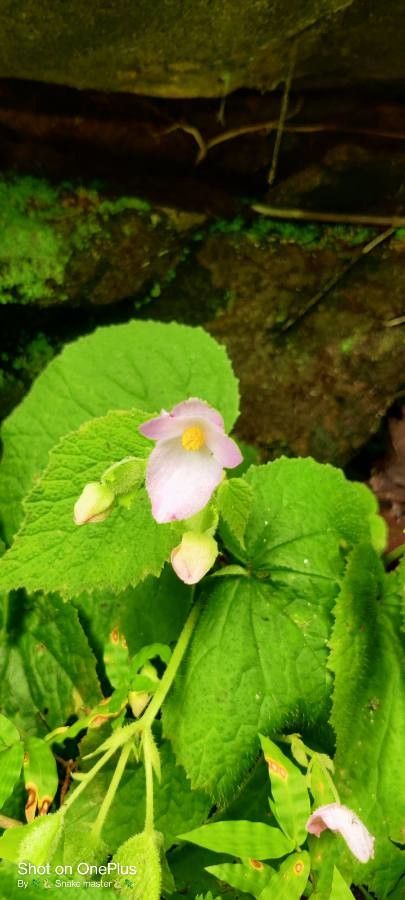
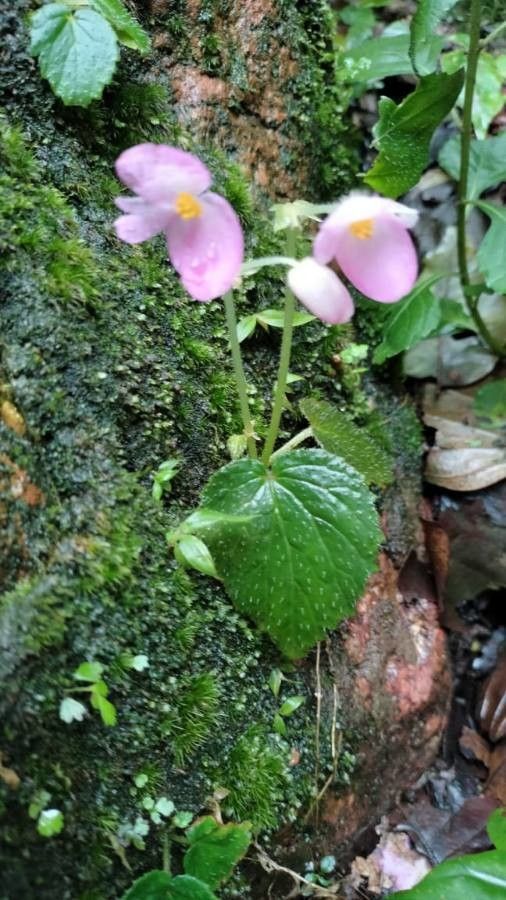
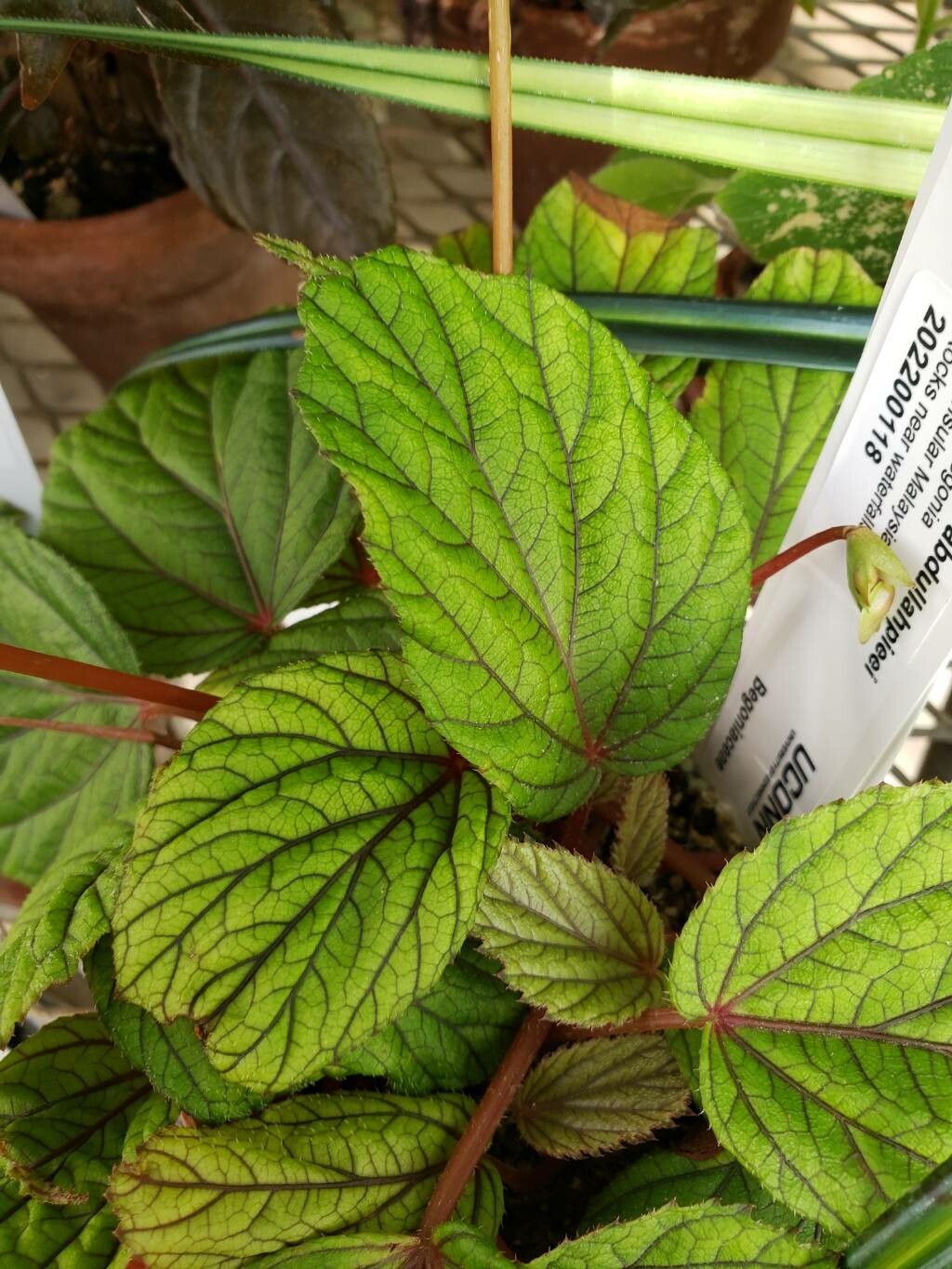
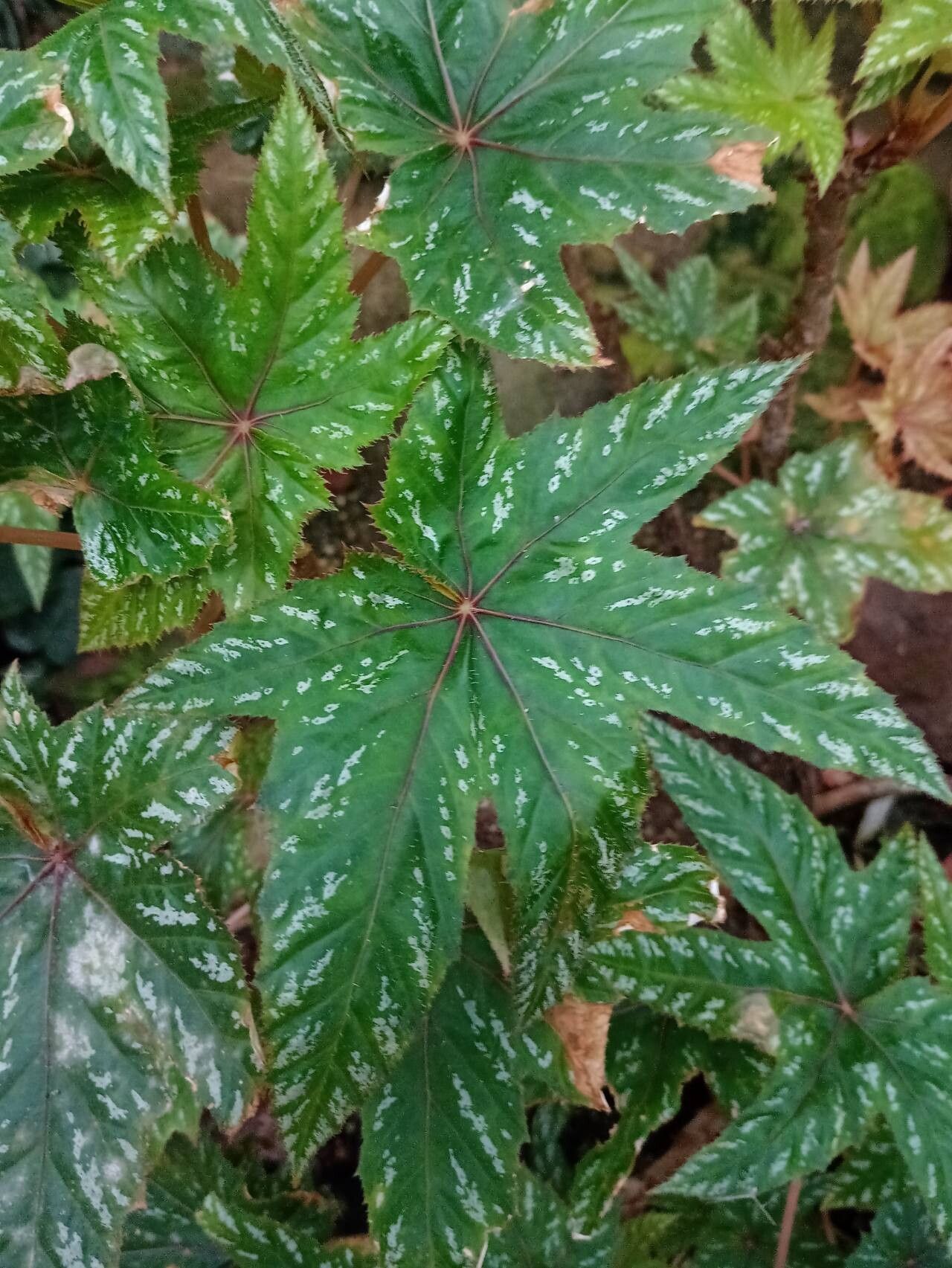
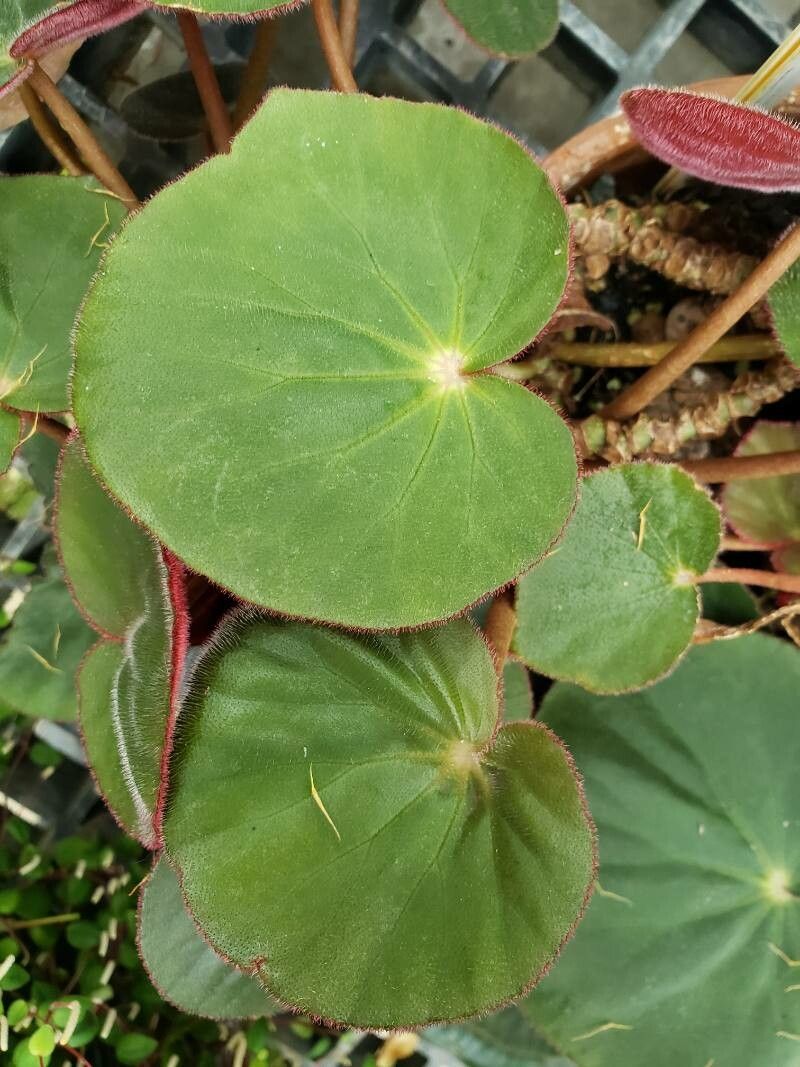
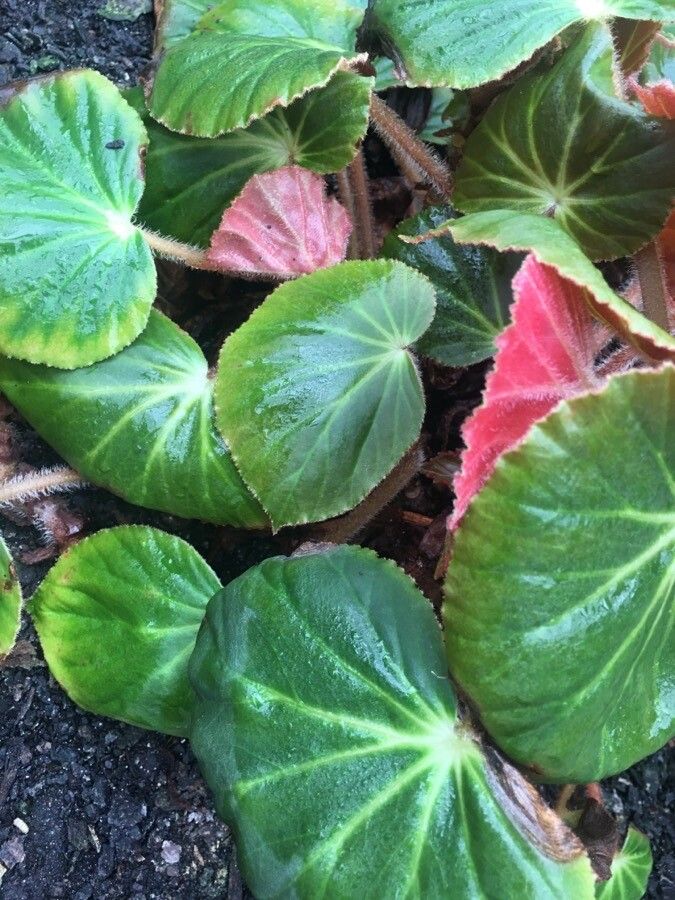
Begonia gracilis is a species of flowering plant in the family Begoniaceae. It is a small herb widespread in the mountains of Mexico, from Chihuahua to Chiapas, often growing in protected locations in shaded areas.
Hollyhock Begonia is generally resistant to disease and is usually not prone to illness. However, it can be vulnerable to leaf spots if light and ventilation are poor and if watering is excessive. The plant's care level is considered easy, since it only needs regular watering and little else. Hollyhock Begonia is suitable for people who do not have the time or energy to devote to frequent care.
How to keep Begonia Gracilis.
Light
Hollyhock Begonia prefers light that isn't too strong, similar to the conditions of its original undergrowth habitat. Its growth can decline if exposed to either excessively bright light or too little light. Moderate sun exposure promotes its healthiest growth, although it can tolerate lower light.
Water
The Hollyhock Begonia thrives in consistently moist soil and humid, shaded environments. To maintain the right moisture balance, water it weekly, but be careful to avoid waterlogged conditions. This plant is best suited for indoor growth, where maintaining high humidity is crucial for optimal growth and lush foliage, especially in drier climates.
Temperature
Hollyhock Begonia is native to temperate climates and prefers an ideal temperature range of 59 to 106°F (15 to 41℃). When kept indoors, monitor the temperature carefully, especially during seasonal changes.
Fertilizer
Proper fertilization is essential for the health and appearance of Hollyhock Begonia. Fertilize Hollyhock Begonia during the summer, repeating the application monthly throughout the season. Nutrients fuel growth and help maintain the plant's components. Fertilization improves Hollyhock Begonia's flower display, ensuring the best blooms.
Pruning
Hollyhock Begonia boasts delicate foliage and vibrant blooms. To promote healthy growth, prune the plant from late winter to early spring by removing dead stems and pinching young shoots. These practices help improve the plant's shape, increase flowering, and reduce the risk of disease. Be sure to use clean, sharp tools to avoid causing any damage.
Pot & Repot
When repotting Hollyhock Begonia, choose a pot 1-2 inches (2.5–5.1 cm) larger with ample drainage. Use a well-draining potting mix. Repot in spring or fall, ensuring the root ball is slightly lower than the rim of the flower pot. Water thoroughly after repotting and place in a warm spot with indirect sunlight.
Botanical profile.
- Plant Type
- Herb
- Life Cycle
- Perennial
- Genus
- Begonia
- Family
- Begoniaceae
- Hardiness Zone
- 8-13
- Mature Height
- 15 cm to 30 cm
- Mature Spread
- 15 cm to 30 cm
- Leaf Color
- Green, Dark Green
- Leaf Type
- Evergreen
- Flower Color
- Pink, White, Red
- Flower Size
- 2.03 cm to 4.06 cm
- Bloom Time
- All year round
- Planting Time
- Spring, Autumn
- Harvest Time
- All year round
- Native Area
- Honduras, Mexico
Reader questions.
What are the sunlight requirements for Hollyhock Begonia?
Hollyhock Begonia thrives under various sunlight conditions. It requires about 3-6 hours of sunlight for partial sun exposure and less than 3 hours for full shade conditions. It's essential to observe how sunlight moves through your garden to find spots that offer a perfect balance for your plants. Hollyhock Begonia, in particular, benefits from light that isn't overly intense, mimicking the undergrowth conditions of its native habitat. However, it can falter if subjected to strong light or insufficient light, with modest sun exposure being ideal for its healthiest development.
What should I do if my Hollyhock Begonia doesn't get enough natural light?
If your Hollyhock Begonia isn't receiving adequate natural light, artificial lighting can be a great supplement. Indoor plants benefit significantly from the right type of artificial light, like LED lights, which can be customized to provide the specific wavelengths of light that plants need. For full sun plants, 30-50W/sq ft is required, partial sun plants need 20-30W/sq ft, and full shade plants 10-20W/sq ft. The light source should be placed 12-36 inches above the plant to mimic natural sunlight, and plants typically need 8-12 hours of light per day.
What are some signs that my Hollyhock Begonia isn't getting enough light?
Signs of insufficient light in Hollyhock Begonia include smaller new leaves, leggy or sparse growth, faster leaf drop, slower or no new growth, and leaves developing irregular color patterns or appearing pale, indicating a lack of chlorophyll. Other symptoms include chlorosis (leaves turning yellow), sunscald (pale or necrotic areas on leaves), leaf curling, wilting, and leaf scorching. These symptoms show the plant may be struggling with the current light conditions.
How can I treat my Hollyhock Begonia if it shows symptoms of poor light conditions?
To address poor light conditions for your Hollyhock Begonia, gradually shift the plant to sunnier spots each week until reaching optimal sunlight exposure of 3-6 hours daily. For indoor plants not easily moved, consider artificial light, keeping a lamp on for at least 8 hours daily or investing in professional plant grow lights. If the plant is outdoors, move it gradually to sunnier locations to prevent sunburn. Prune any obstructions like tree branches that block sunlight, and for smaller plants, consider transplanting during the dormant season to a location with ample sunlight and good drainage. Note that parts of the plant affected by previous poor light conditions may not recover, but new growth should be healthy once light exposure is improved.