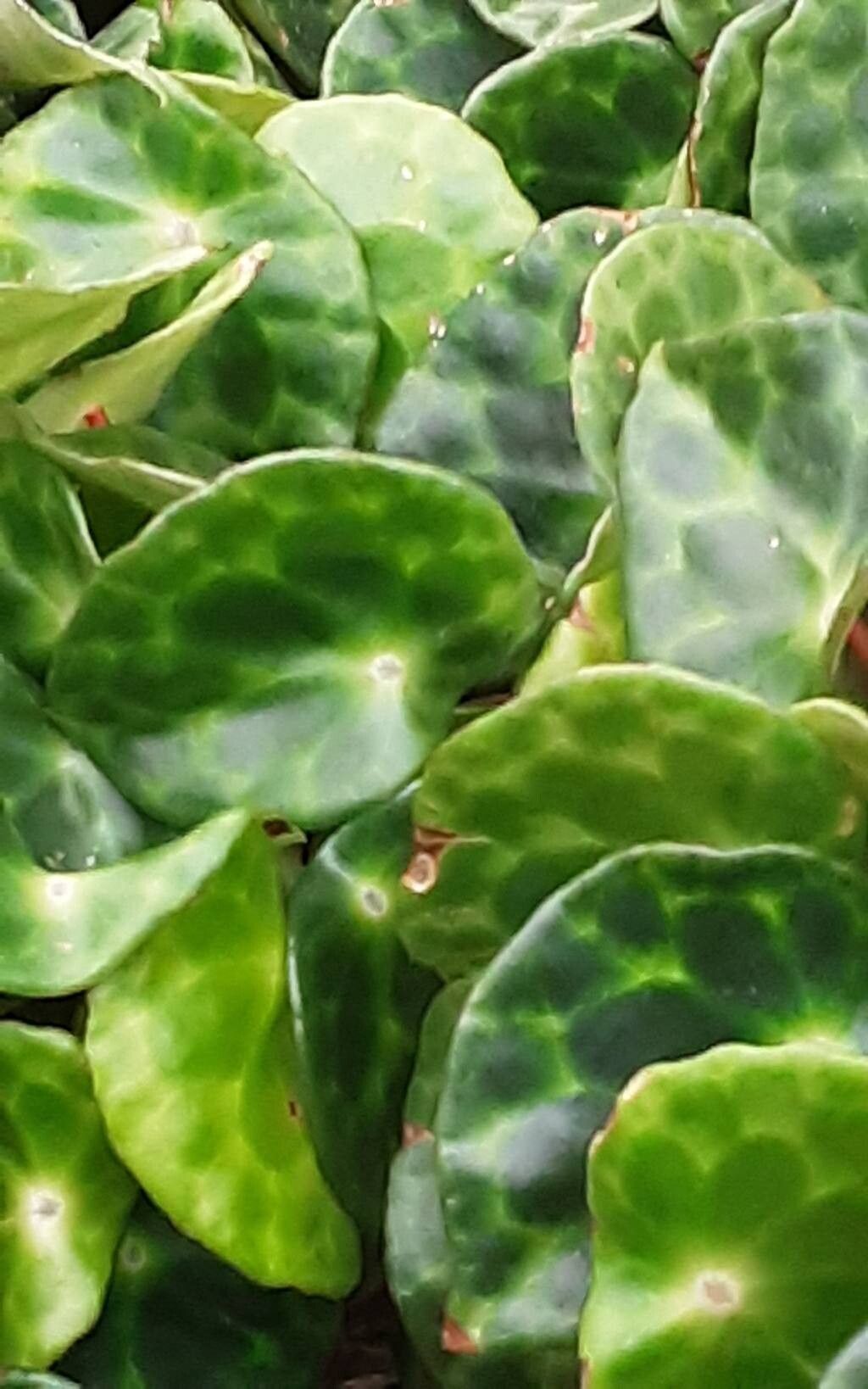
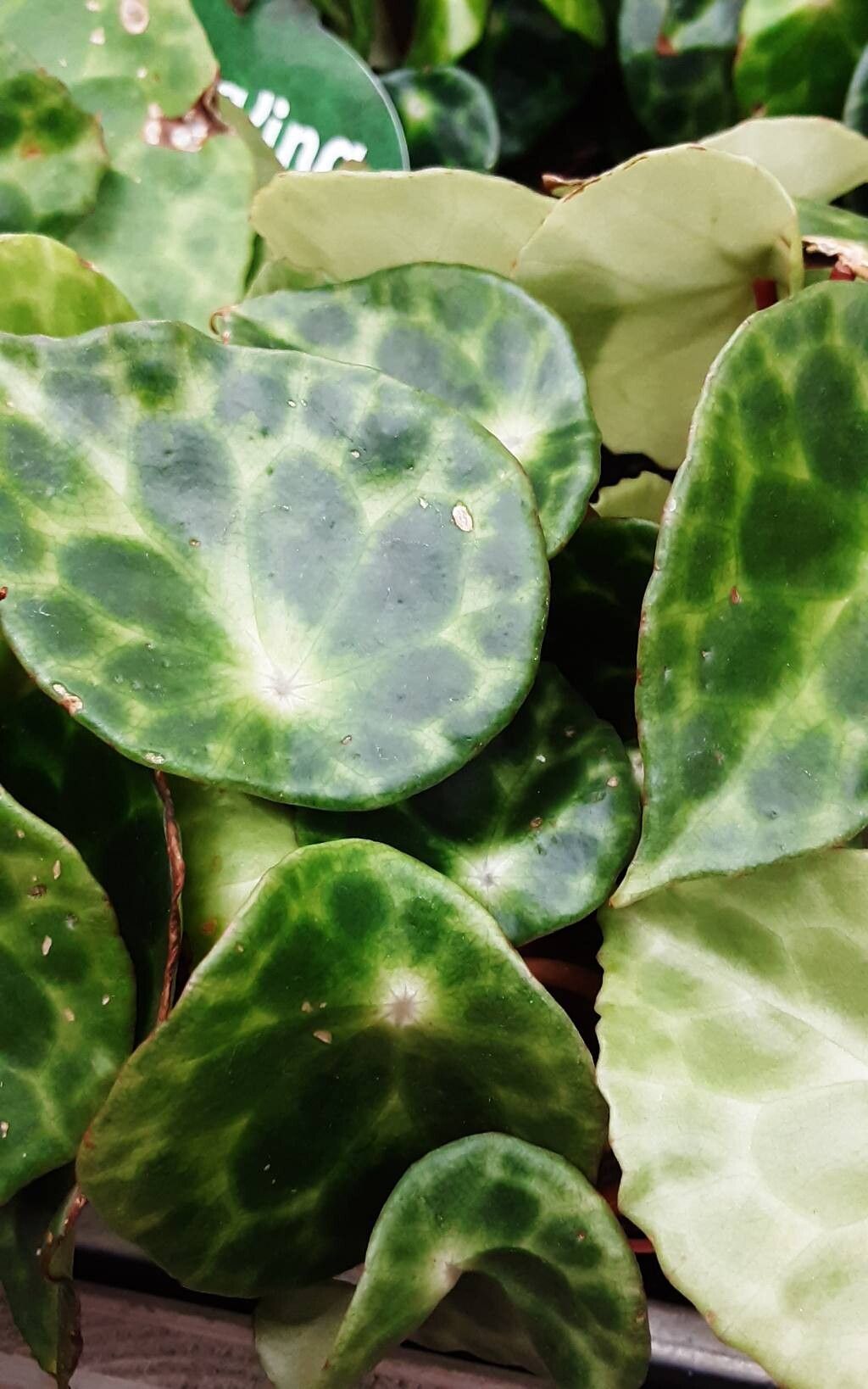
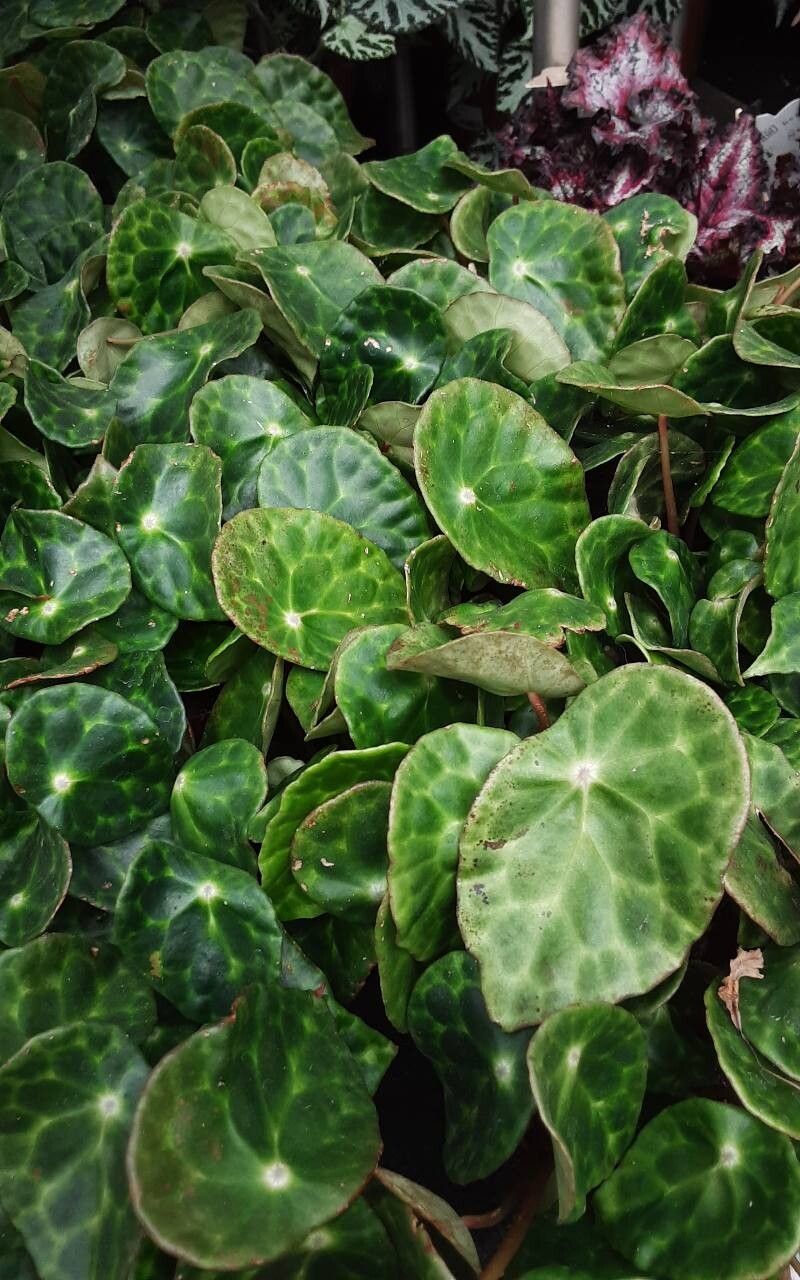
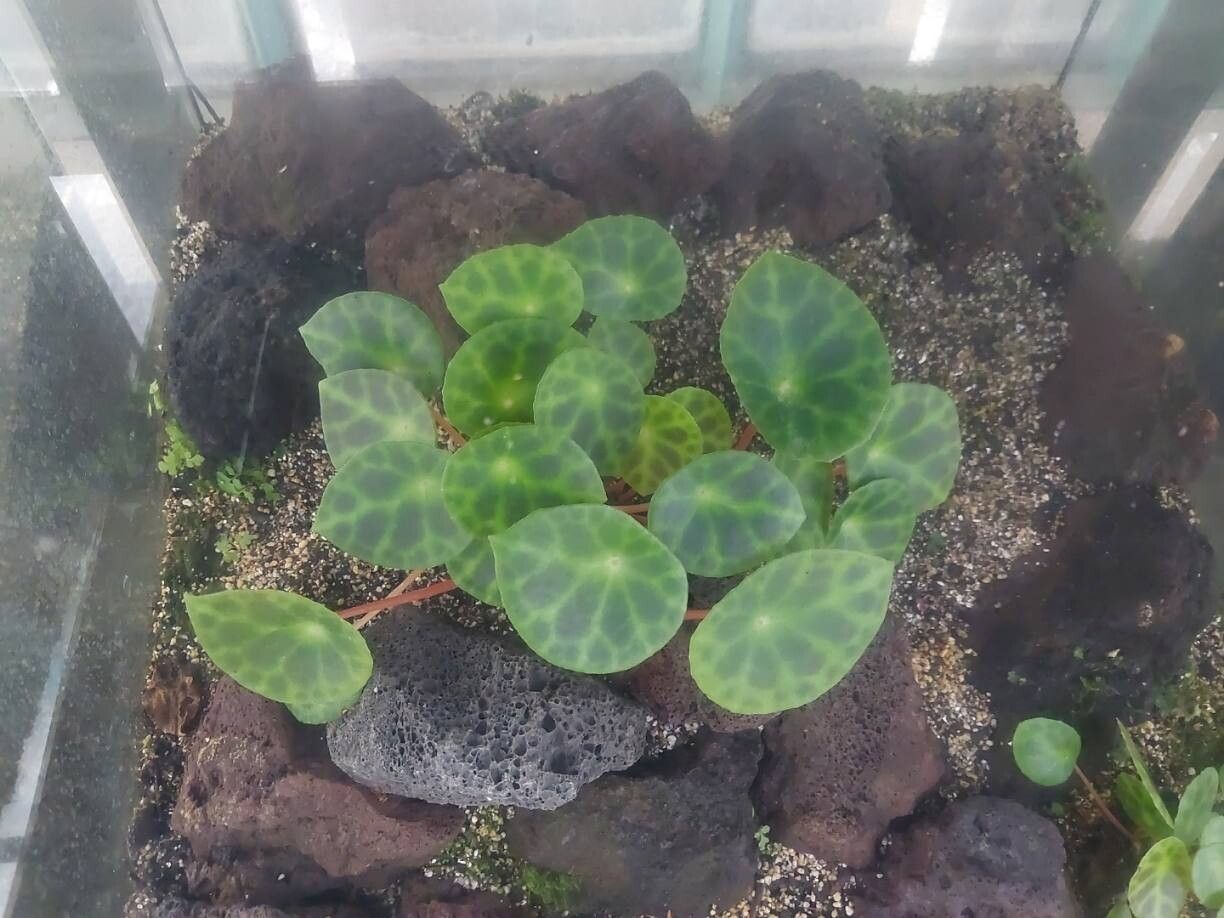
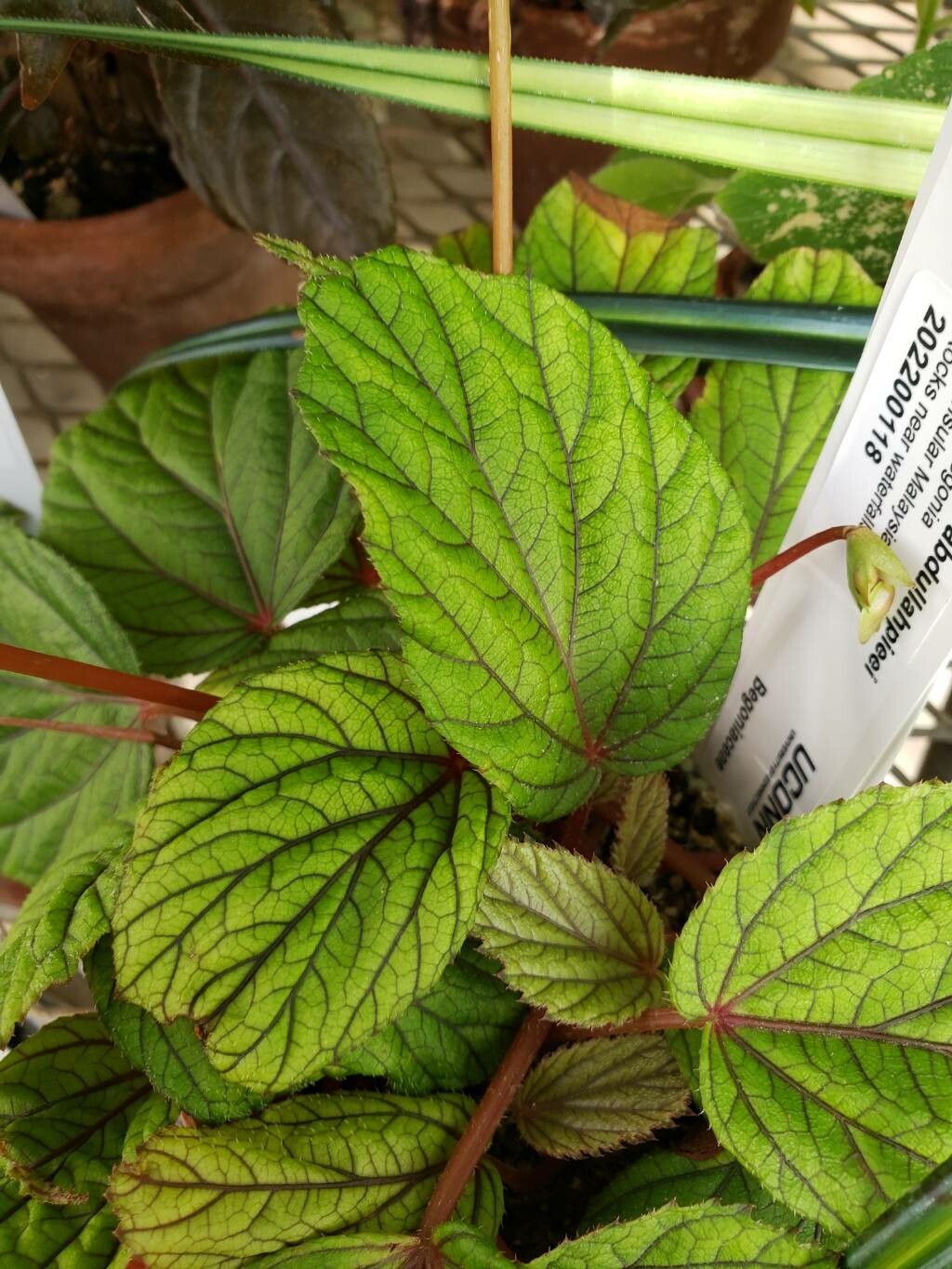
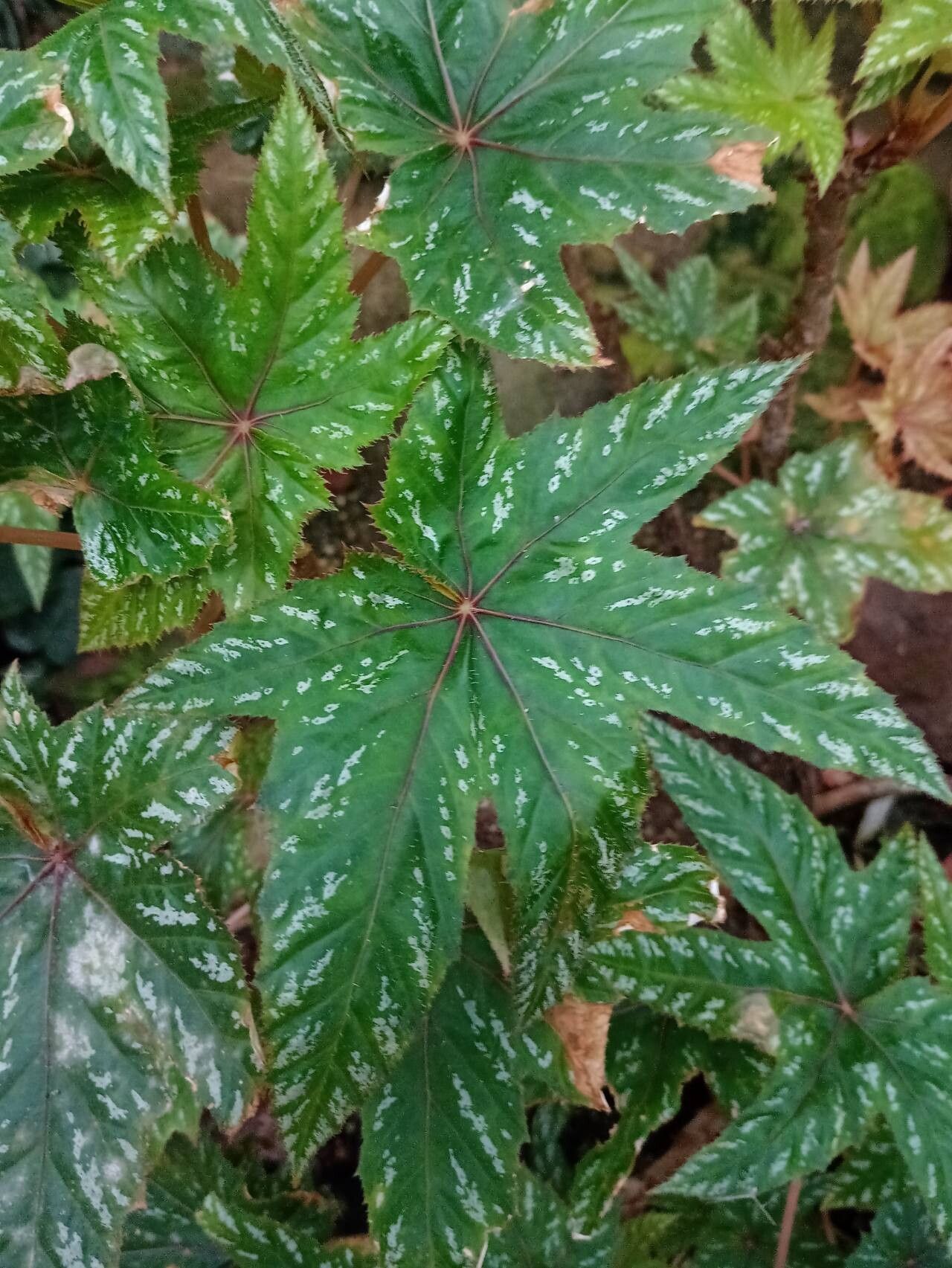
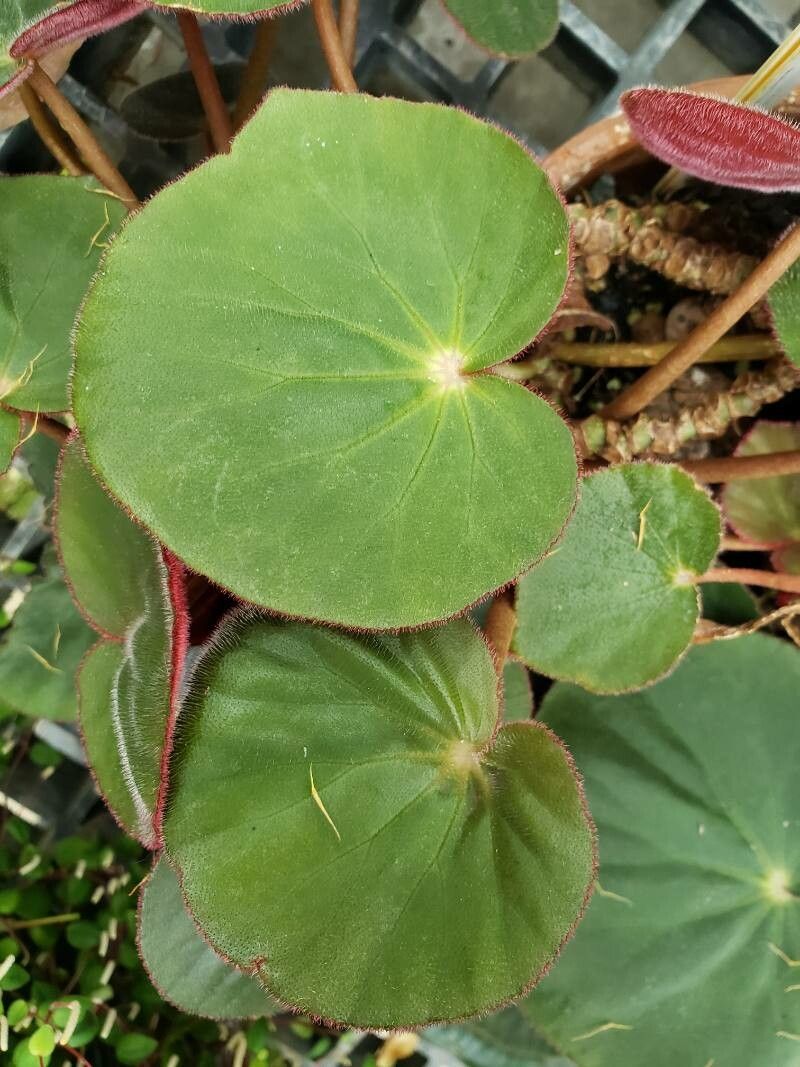
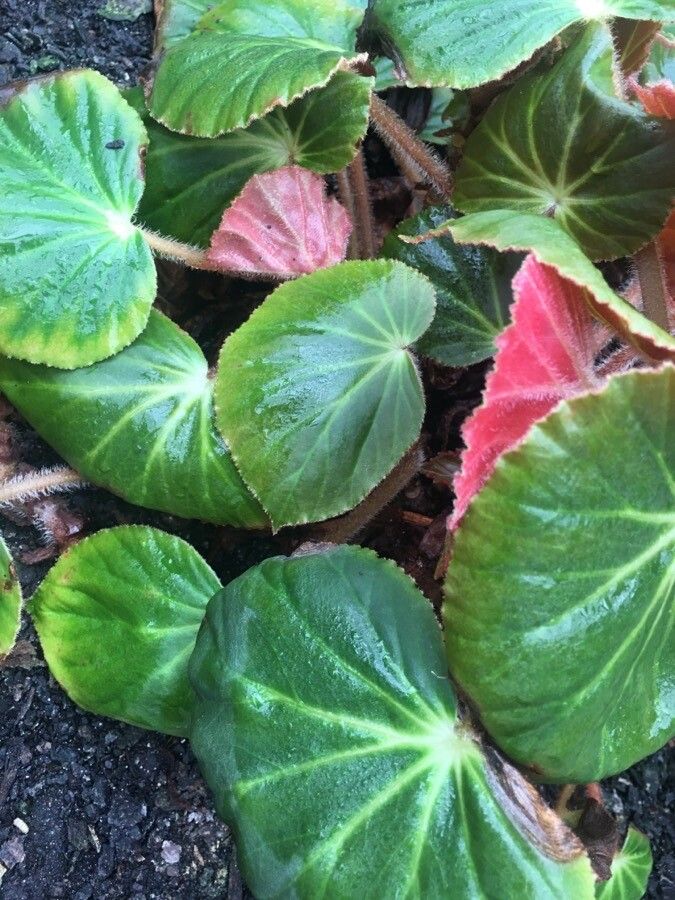
Begonia kingiana is fairly disease-resistant and generally not prone to diseases. However, it can be vulnerable to pests and diseases present in its surroundings, and these infections are usually mild. Carewise, this plant needs moderate maintenance. Regular pruning is necessary to preserve a good appearance and promote healthy growth. Fertilizing can also help encourage flowering. Begonia kingiana is suitable for anyone with outdoor space, such as a garden or patio, and does not require much care experience. It may need more attention when grown indoors.
How to keep Begonia Kingiana.
Light
Begonia kingiana originates from habitats like forest undergrowth or stony regions, where it gets natural cover from sunlight. While it favors semi-sunny conditions, it's capable of adjusting to either complete sun exposure or total shade, showcasing its robust and adaptable characteristics.
Temperature
Begonia kingiana is native to tropical areas with typically hot and damp climates. Consequently, it is well-suited to thrive in conditions of high heat and humidity. This plant isn't fond of abrupt temperature shifts and prefers a consistent thermal environment. As such, it is crucial to keep temperature changes to a minimum indoors. It is generally not resistant to cold temperatures and needs warmer conditions to grow. If the ambient temperature falls excessively, the plant's growth may be inhibited or it might even perish.
Fertilizer
Begonia kingiana demands the highest amount of fertilizer during its period of active growth, predominantly in the spring, summer, and the beginning of fall. It's crucial to fertilize this plant in order to supply vital nutrients that might not be present in the soil, which in turn supports a robust development of roots and stems, along with attractive leaves, a distinguishing aspect of this specific plant.
Pot & Repot
While repotting Begonia kingiana, select a pot that is 1-2 inches (2.5-5 cm) larger, ensuring it has sufficient drainage. Opt for a potting mix that drains well. The ideal time to repot is either in the spring or fall, making sure that the root ball sits a bit lower than the flower pot's rim. After the repotting process, water it thoroughly and situate it in a cozy area with indirect sunlight.
Botanical profile.
- Plant Type
- Herb
- Life Cycle
- Perennial
- Hardiness Zone
- 10-11
- Mature Height
- 1 cm to 20 cm
- Mature Spread
- 30 cm to 46 cm
- Leaf Color
- Black, Green
- Leaf Type
- Evergreen
- Flower Color
- Orange, Pink
- Flower Size
- 2.03 cm to 3.05 cm
- Bloom Time
- Mid spring, Late spring, Summer, Early fall, Mid fall
- Planting Time
- Spring, Summer, Autumn
- Harvest Time
- Summer, Fall
- Native Area
- Malaysia, Thailand