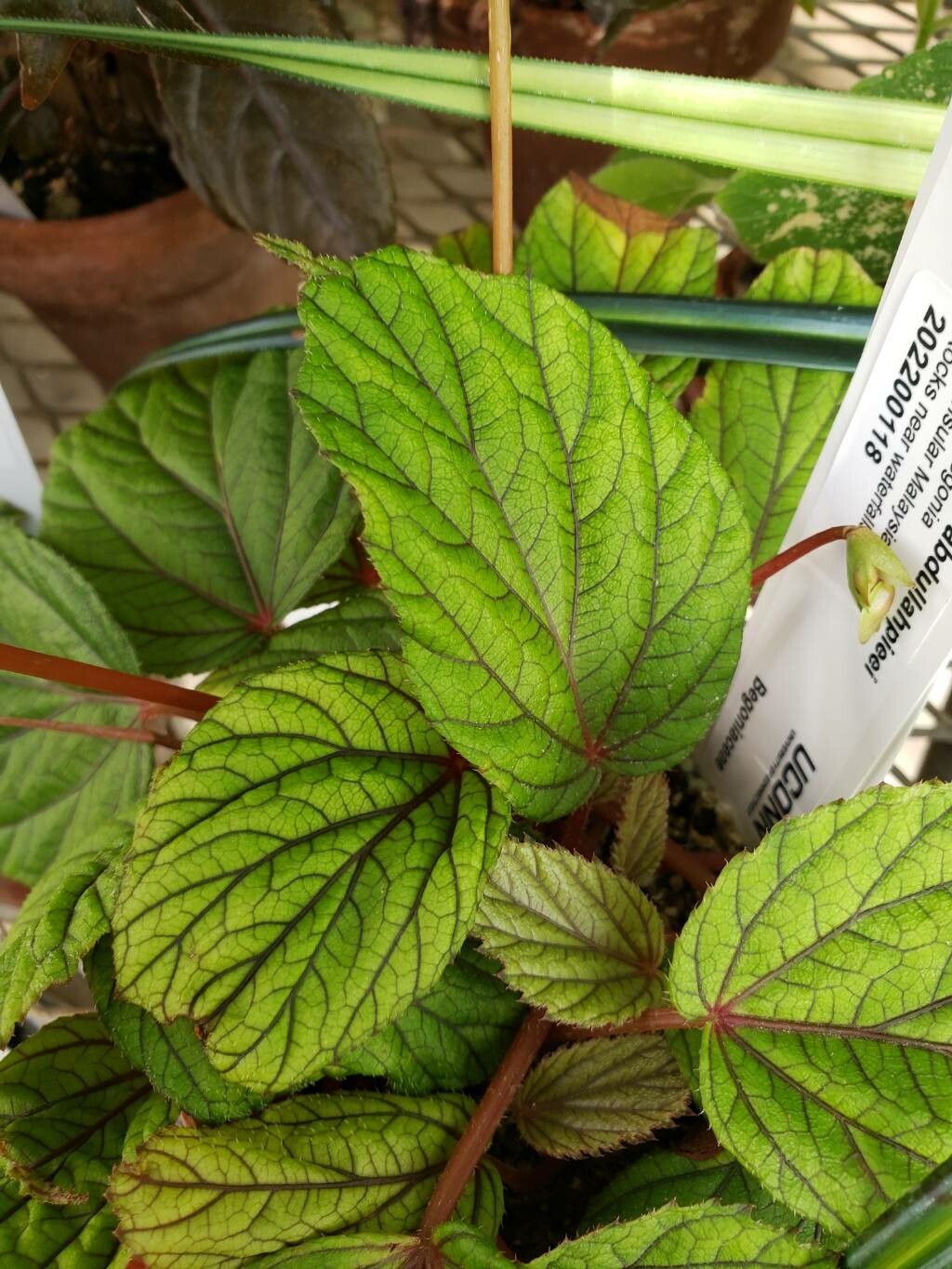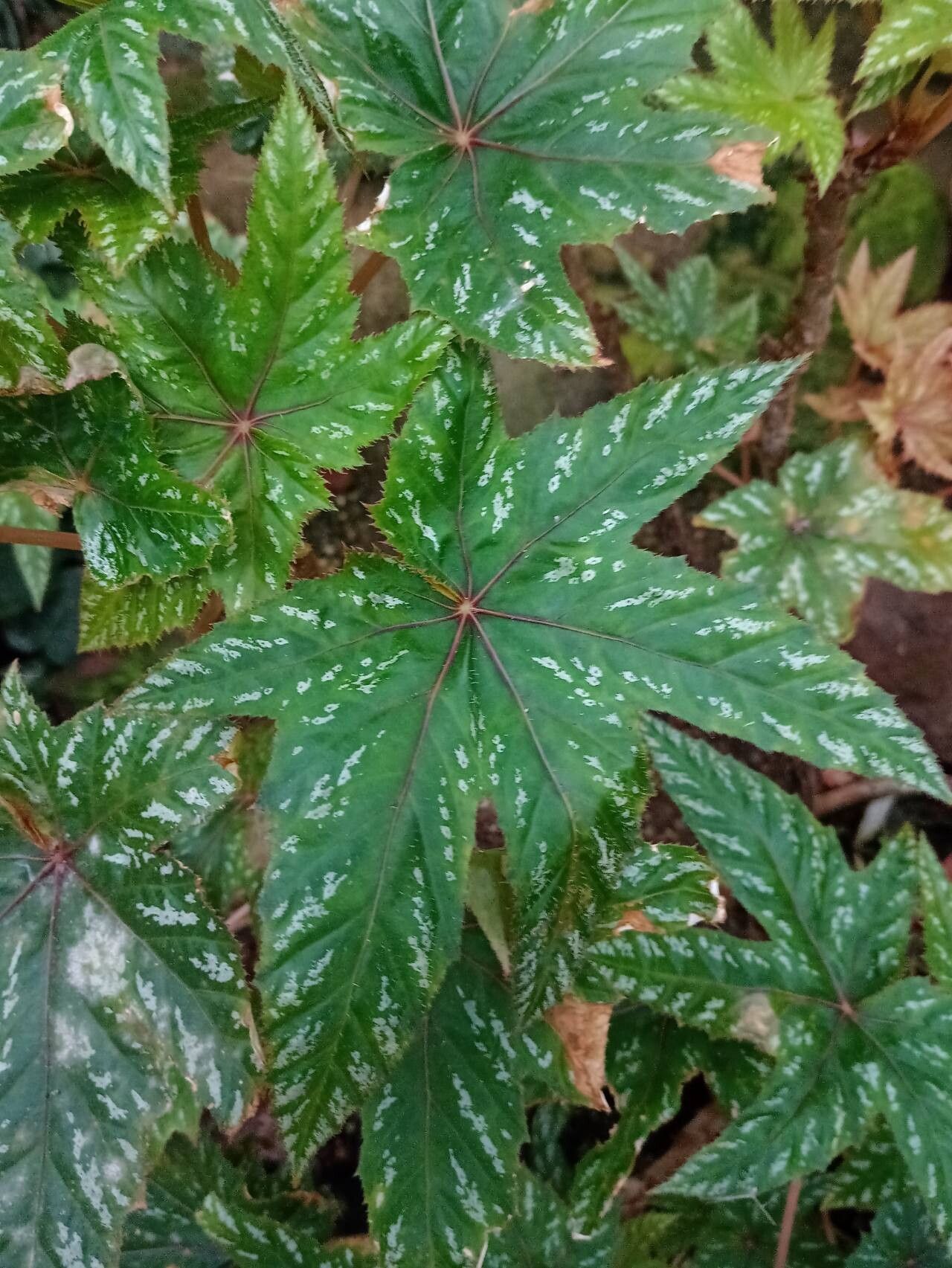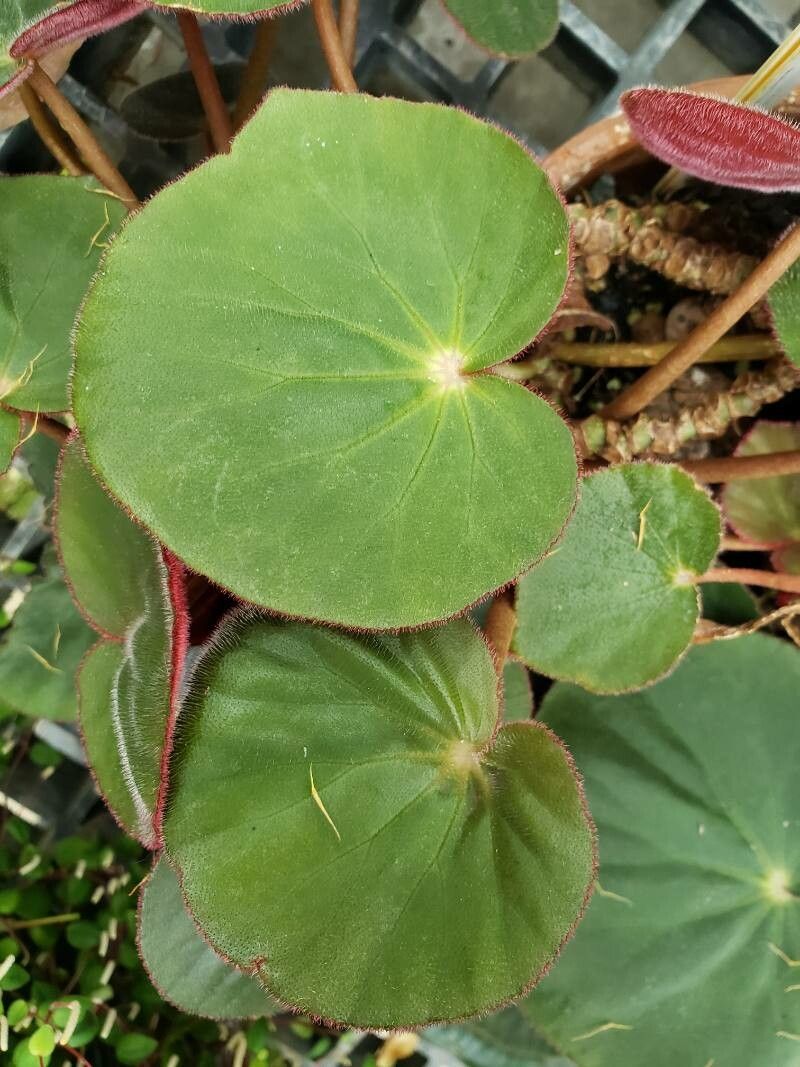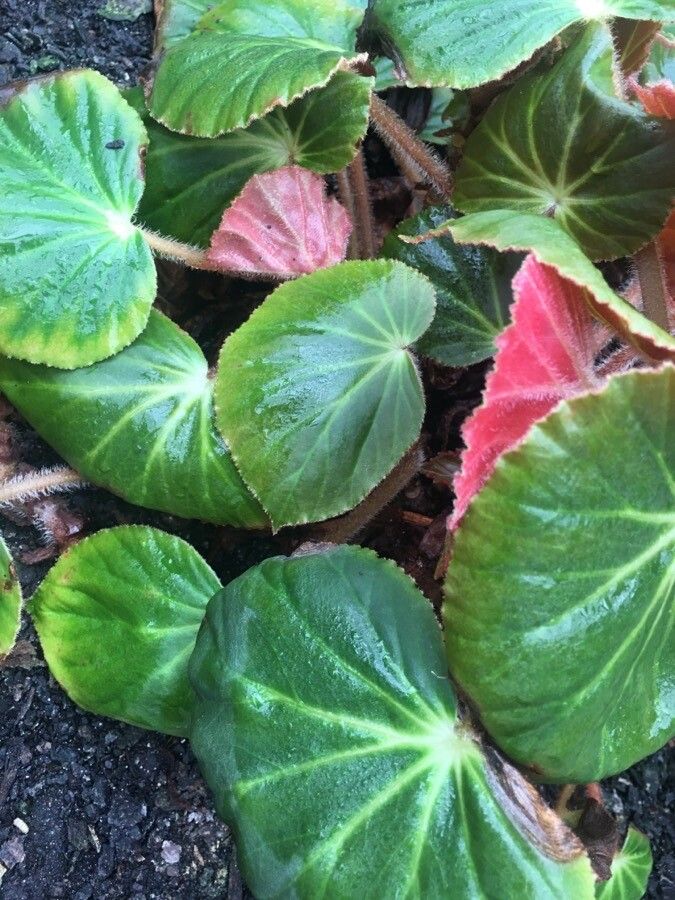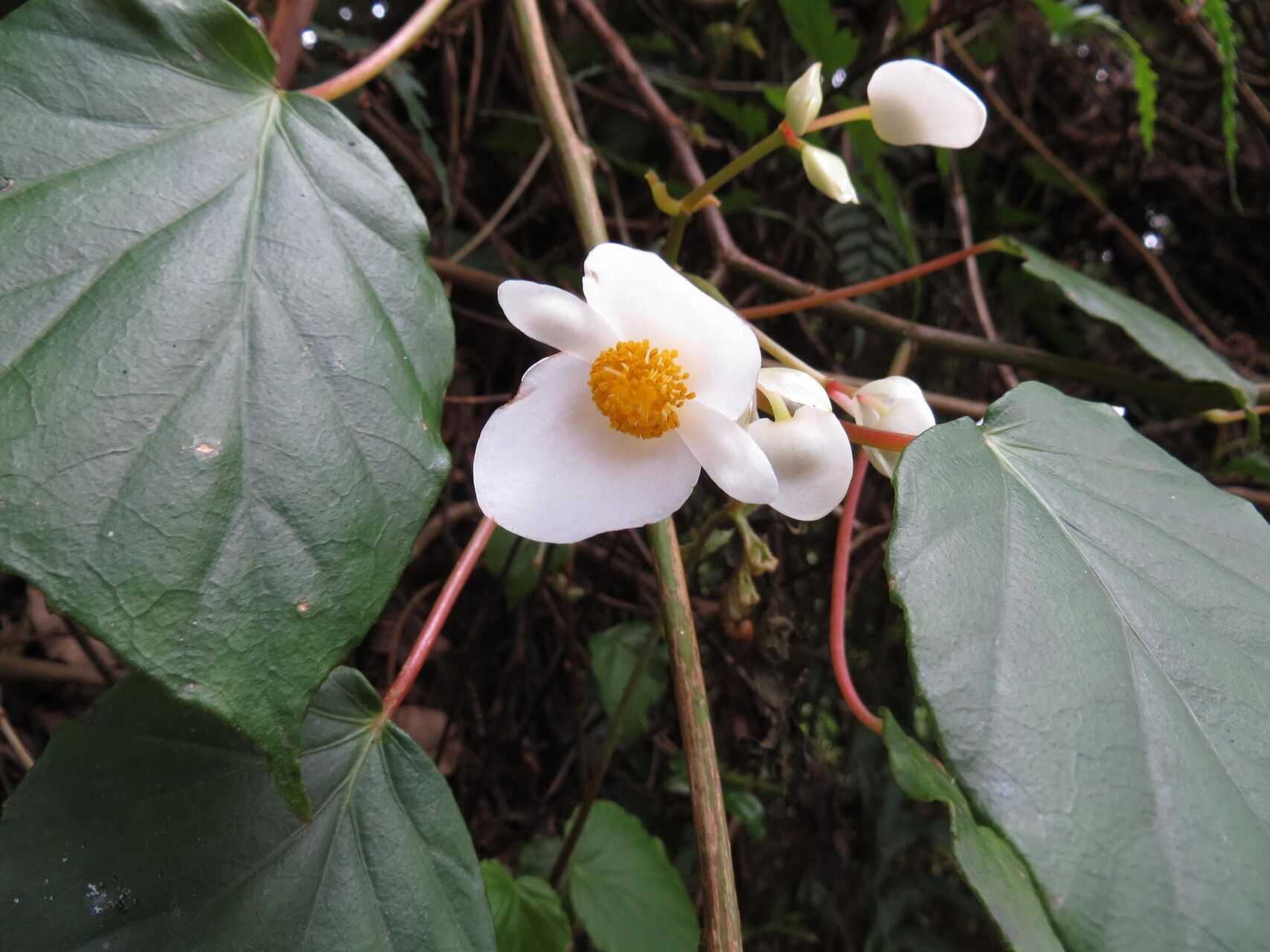
Begonia meyeri-johannis has good resistance to disease and is generally unlikely to develop illnesses. However, it can be vulnerable to pests and diseases present in its surroundings. Such infections are usually mild. In terms of care, this plant requires a moderate level of maintenance. It should be pruned regularly to maintain an attractive appearance and healthy growth. Fertilizing can also encourage flowering. Begonia meyeri-johannis is suitable for anyone with outdoor space, such as a garden or patio, and does not demand extensive care experience. It may need more attention when grown indoors.
How to keep Begonia Meyeri Johannis.
Light
Begonia meyeri-johannis originates from habitats like forest undergrowth or rocky regions, where it is naturally shaded. It optimally grows in partial sunlight, but it can acclimate to either complete sunlight or complete shade, showing its robust and adaptable characteristics.
Temperature
Begonia meyeri-johannis is a plant native to tropical zones, which are often characterized by their hot and moist conditions. It's therefore naturally suited to environments with high heat and moisture levels. The plant does not favor abrupt shifts in temperature, preferring more consistent climate settings. This should be taken into consideration when maintaining indoor conditions, as the plant doesn't typically fare well in colder climates and needs warmer temperatures to grow. If exposed to excessively low temperatures, it is possible for the plant to either stop growing or to perish.
Fertilizer
Begonia meyeri-johannis necessitates the largest amount of fertilizer during its primary growth span, typically in the spring, summer, and the beginning of autumn. It's crucial to fertilize in order to supplement vital nutrients that might be deficient in the soil, fostering the growth of healthy roots and stems, along with appealing leaves, an essential characteristic of this specific plant.
Botanical profile.
- Plant Type
- Herb
- Life Cycle
- Perennial
- Hardiness Zone
- 10-11
- Mature Height
- 30 cm to 61 cm
- Mature Spread
- 30 cm to 46 cm
- Leaf Color
- Dark Green, Olive Drab
- Leaf Type
- Evergreen
- Flower Color
- White, Pink
- Flower Size
- 2.03 cm to 3.05 cm
- Bloom Time
- Late spring, Summer, Early fall, Mid fall
- Planting Time
- Summer
- Harvest Time
- Mid summer, Late summer, Fall
- Native Area
- Rwanda, Kenya, Congo (DRC), Uganda, Tanzania