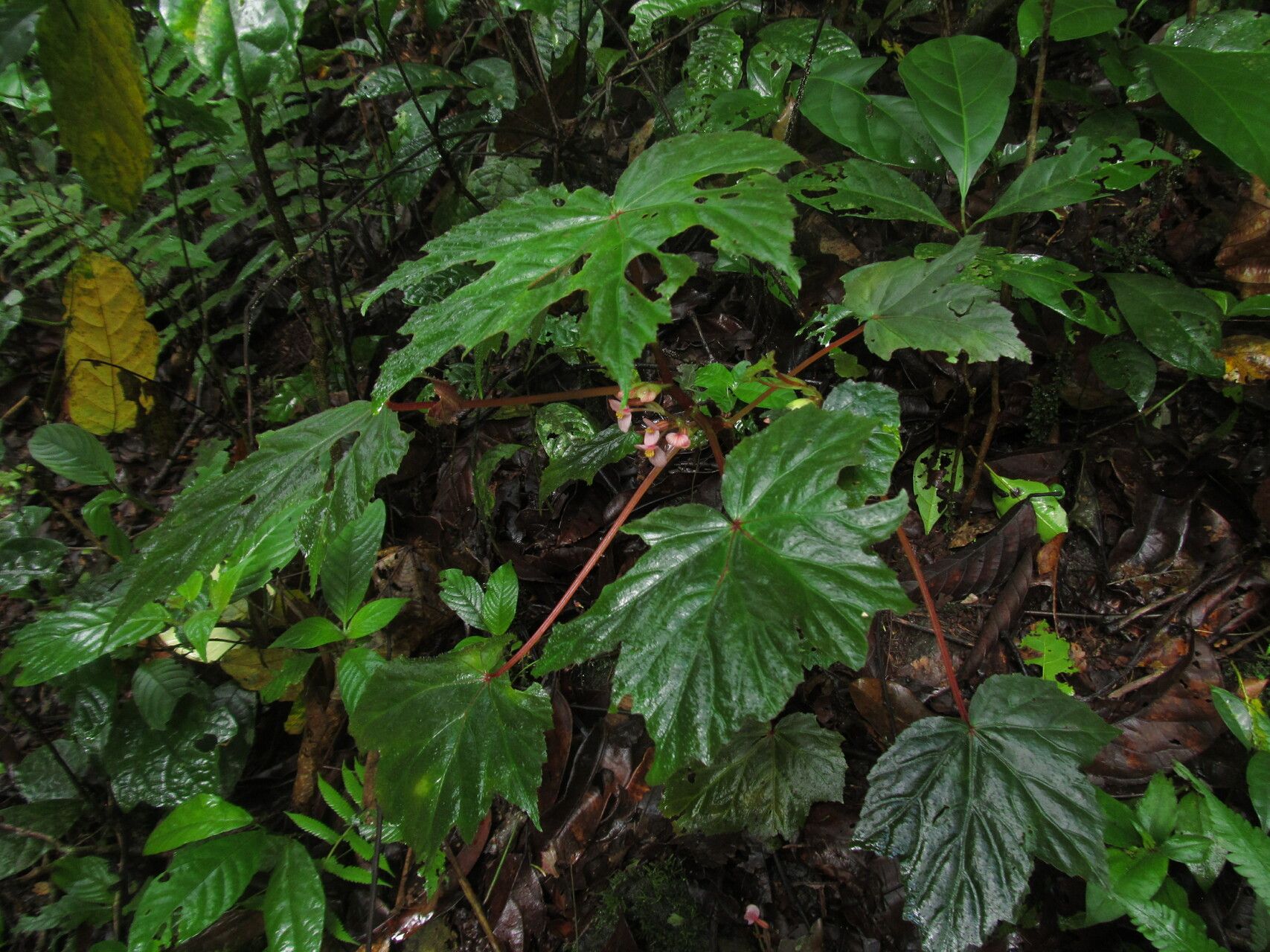
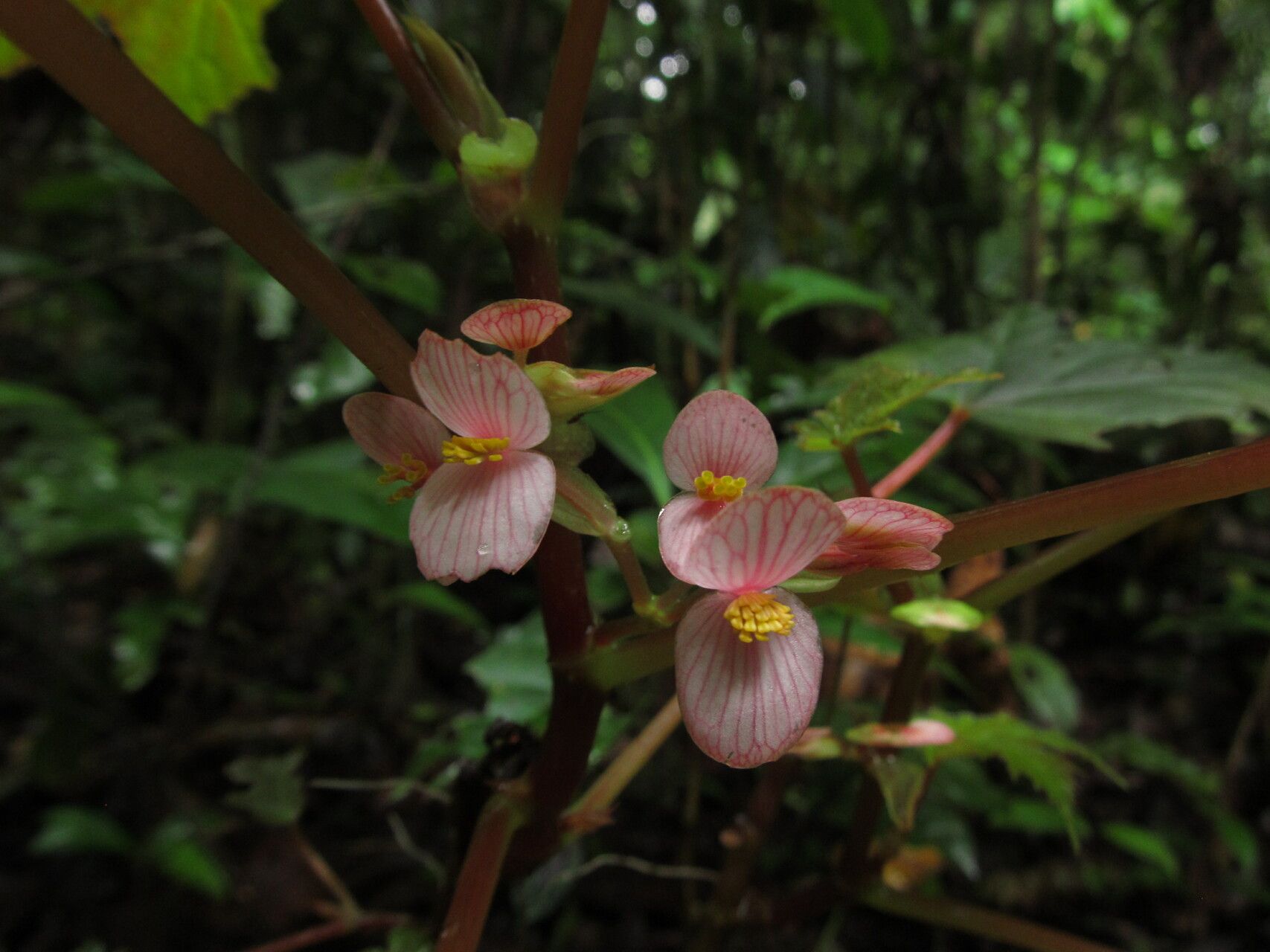
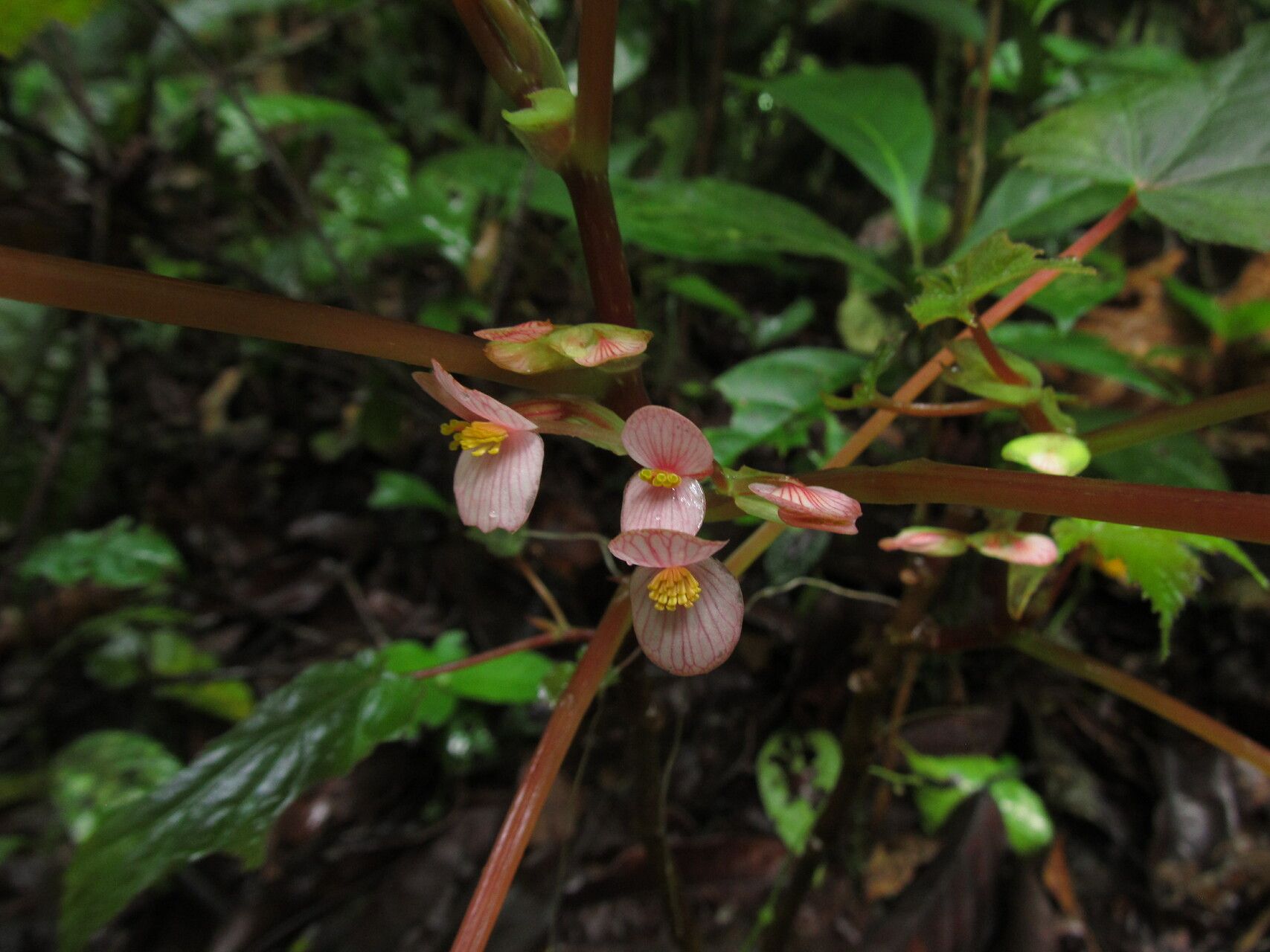
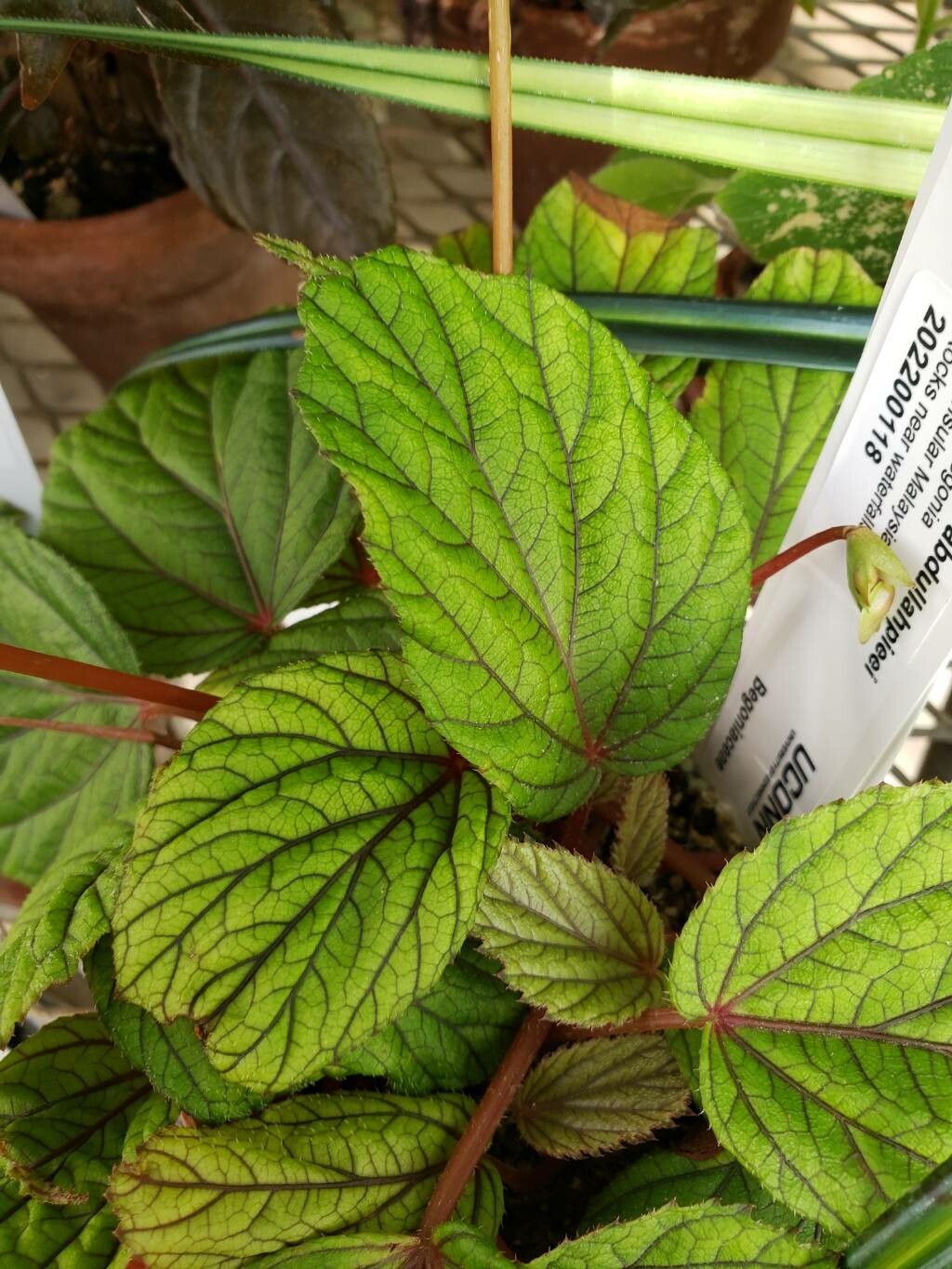
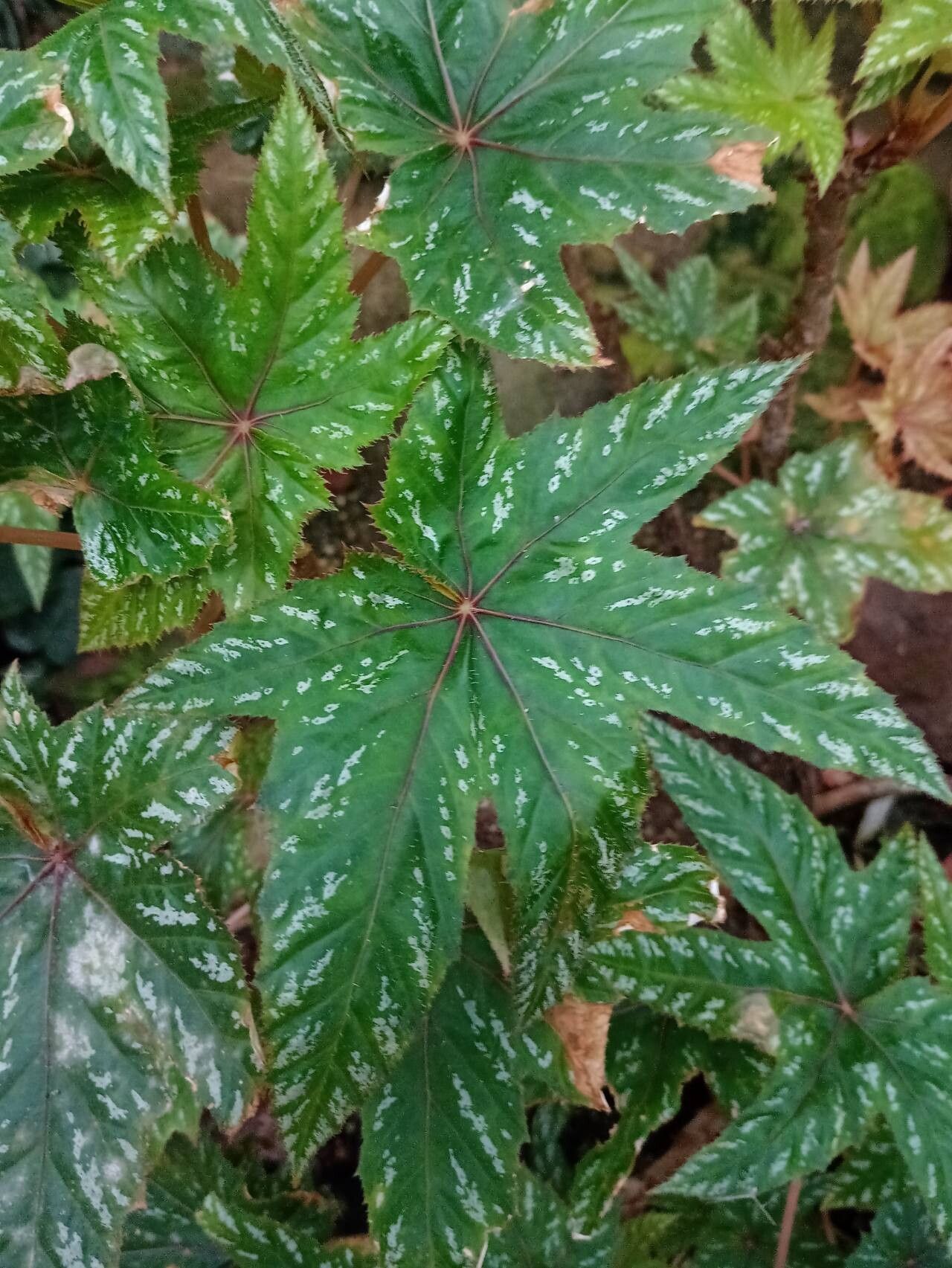
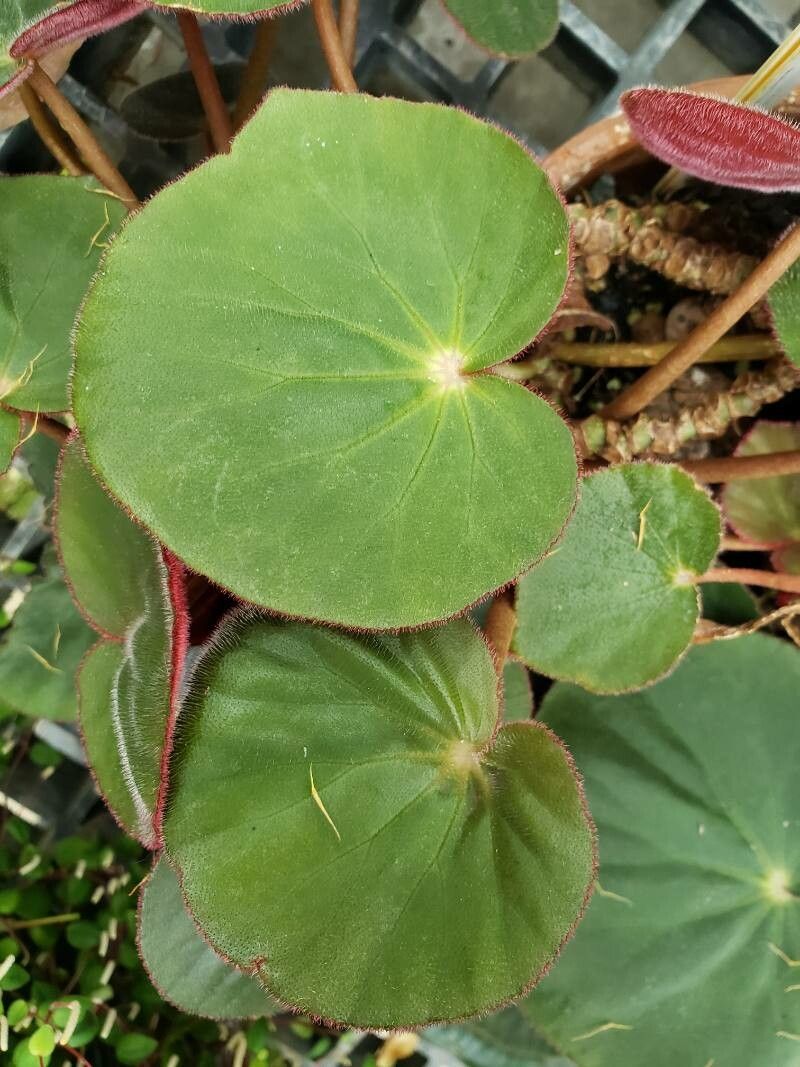
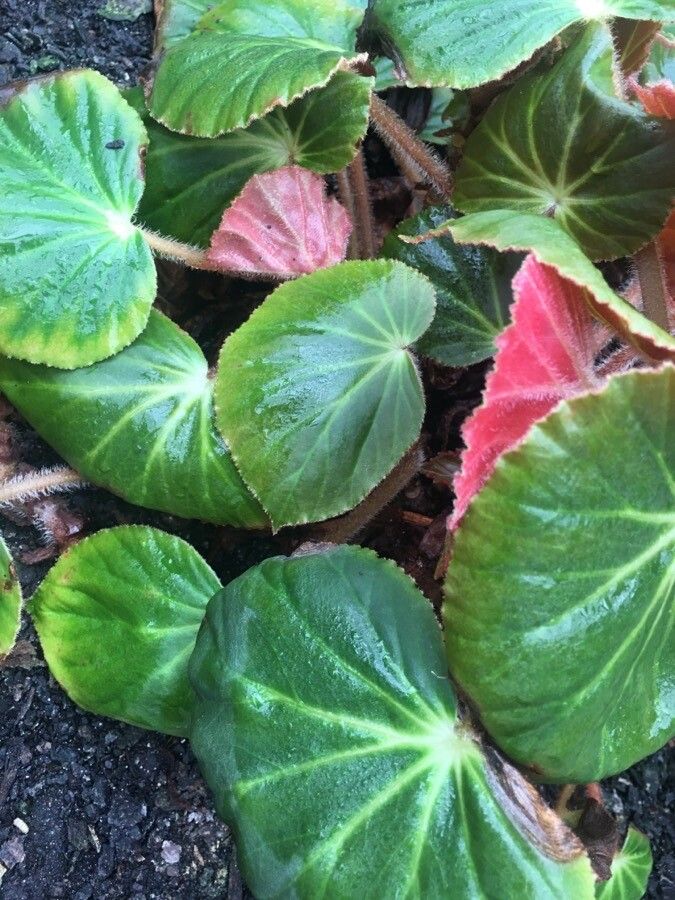
Begonia oxyloba is fairly resistant to disease and generally not prone to illnesses. However, it can be vulnerable to pests and diseases present in its environment. These problems are usually not severe. In terms of care, this plant needs moderate maintenance. It should be pruned regularly to preserve a good appearance and healthy growth. Fertilizing can also help encourage flowering. Begonia oxyloba is suitable for anyone with outdoor space, such as a garden or patio, and does not demand extensive horticultural experience. It may need more attention when grown indoors.
How to keep Begonia Oxyloba.
Light
Begonia oxyloba occurs naturally in habitats like forest understories or rocky sites, where it is used to shaded conditions. It favors partial sun but can tolerate both full sun and full shade, illustrating its adaptable and hardy character.
Temperature
Begonia oxyloba comes from tropical areas, where the climate is generally warm and humid. Consequently, it is well suited to high temperatures and humidity. It does not like sudden temperature shifts and prefers a steady temperature, so avoiding temperature fluctuations indoors is important. It typically cannot tolerate cold and needs warmer conditions to grow. If the ambient temperature falls too low, the plant may stop growing or even die.
Fertilizer
Begonia oxyloba requires the most fertilizer during its active growth period, which occurs mainly in spring, summer, and early fall. Fertilizing provides essential nutrients the soil may lack, promoting healthy root and stem development and enhancing the attractive foliage that is a key characteristic of this plant.
Botanical profile.
- Plant Type
- Herb
- Life Cycle
- Perennial
- Genus
- Begonia
- Family
- Begoniaceae
- Hardiness Zone
- 10-11
- Mature Height
- 30 cm to 61 cm
- Mature Spread
- 30 cm to 46 cm
- Leaf Color
- Light Green, Dark Green
- Leaf Type
- Evergreen
- Flower Size
- 1.02 cm to 2.03 cm
- Bloom Time
- Late spring, Summer, Early fall, Mid fall
- Planting Time
- Spring, Autumn
- Harvest Time
- Mid summer, Late summer, Fall, Early winter
- Native Area
- Angola, Zambia, Madagascar, Rwanda, Nigeria, Guinea, Gabon, Kenya, Uganda, Tanzania, Sierra Leone, Cameroon, Liberia, Mozambique, Burundi, Ghana, Côte d'Ivoire, Congo (DRC), Congo