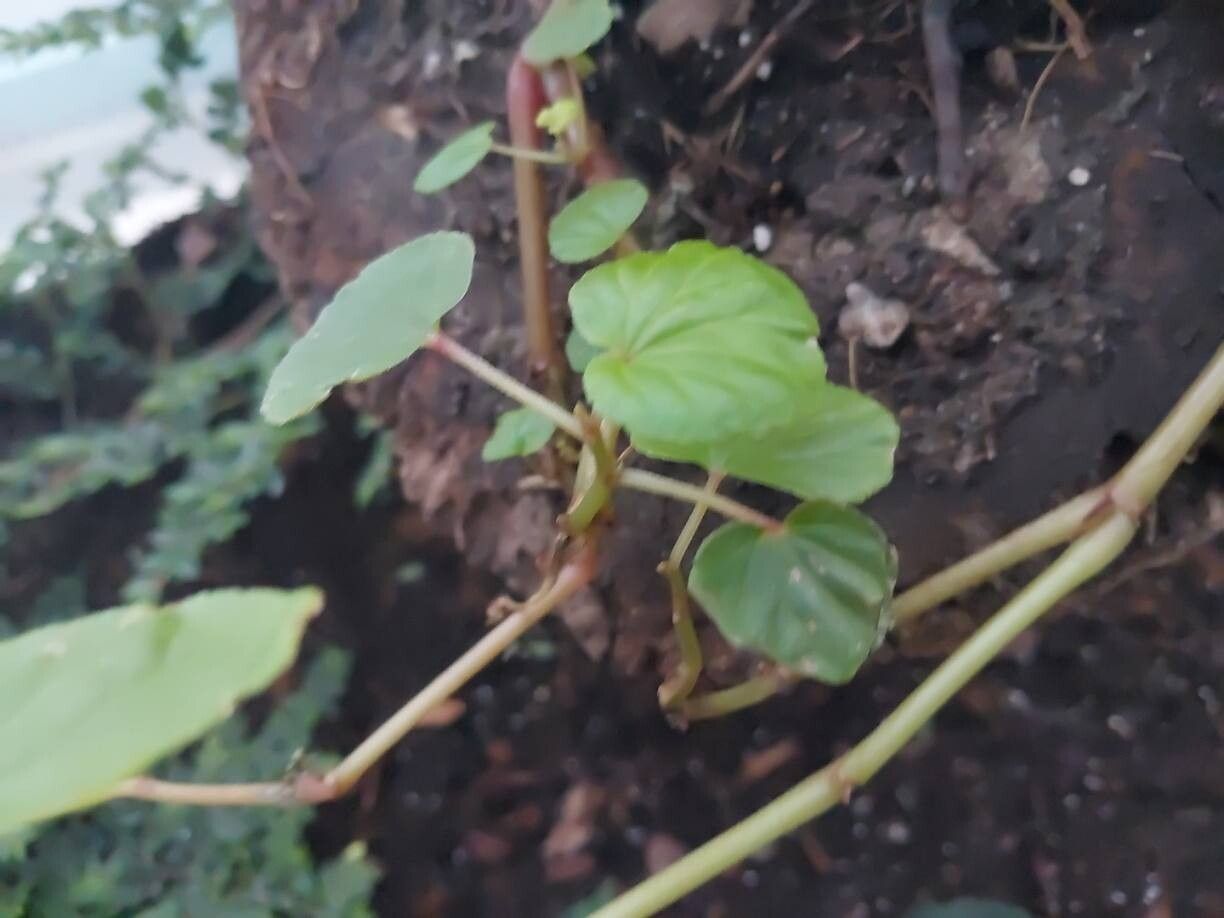
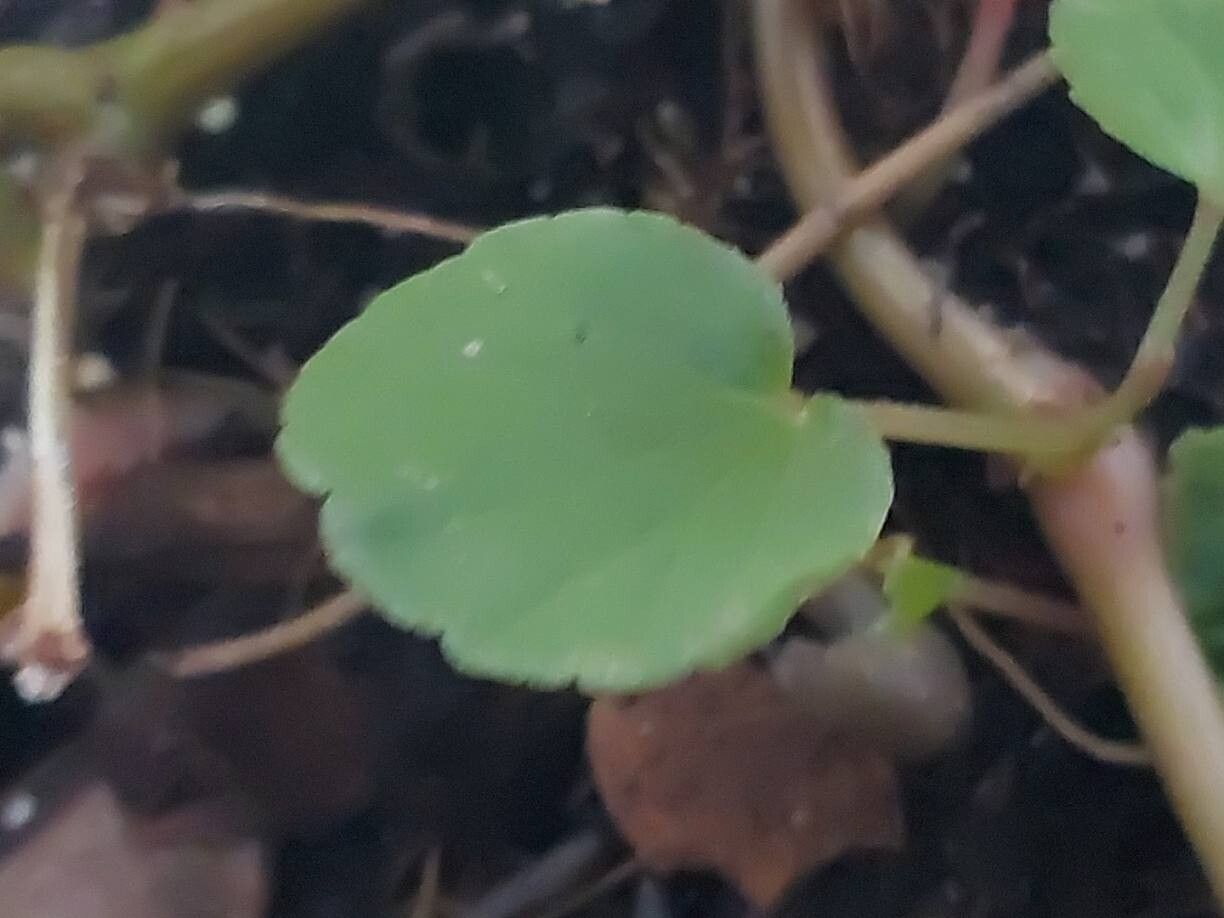
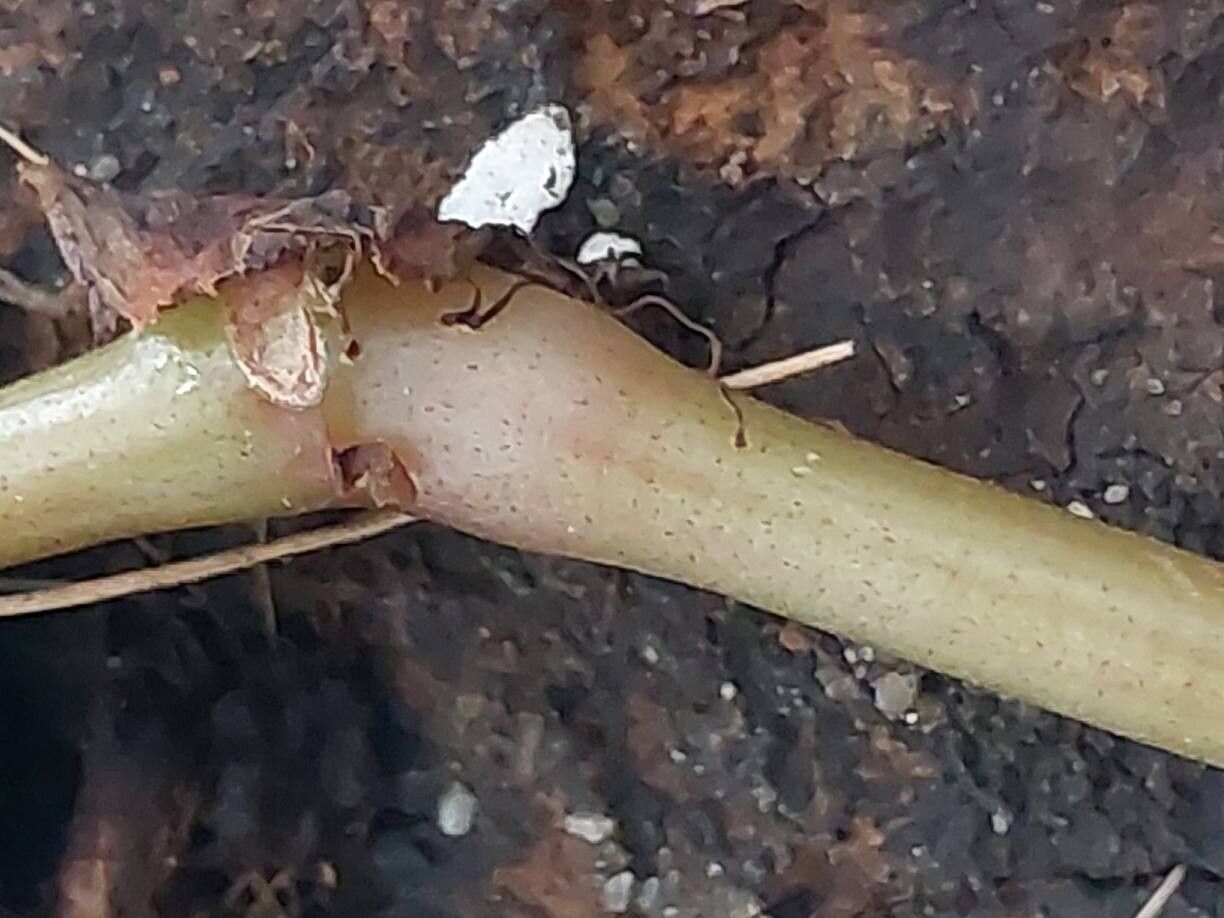
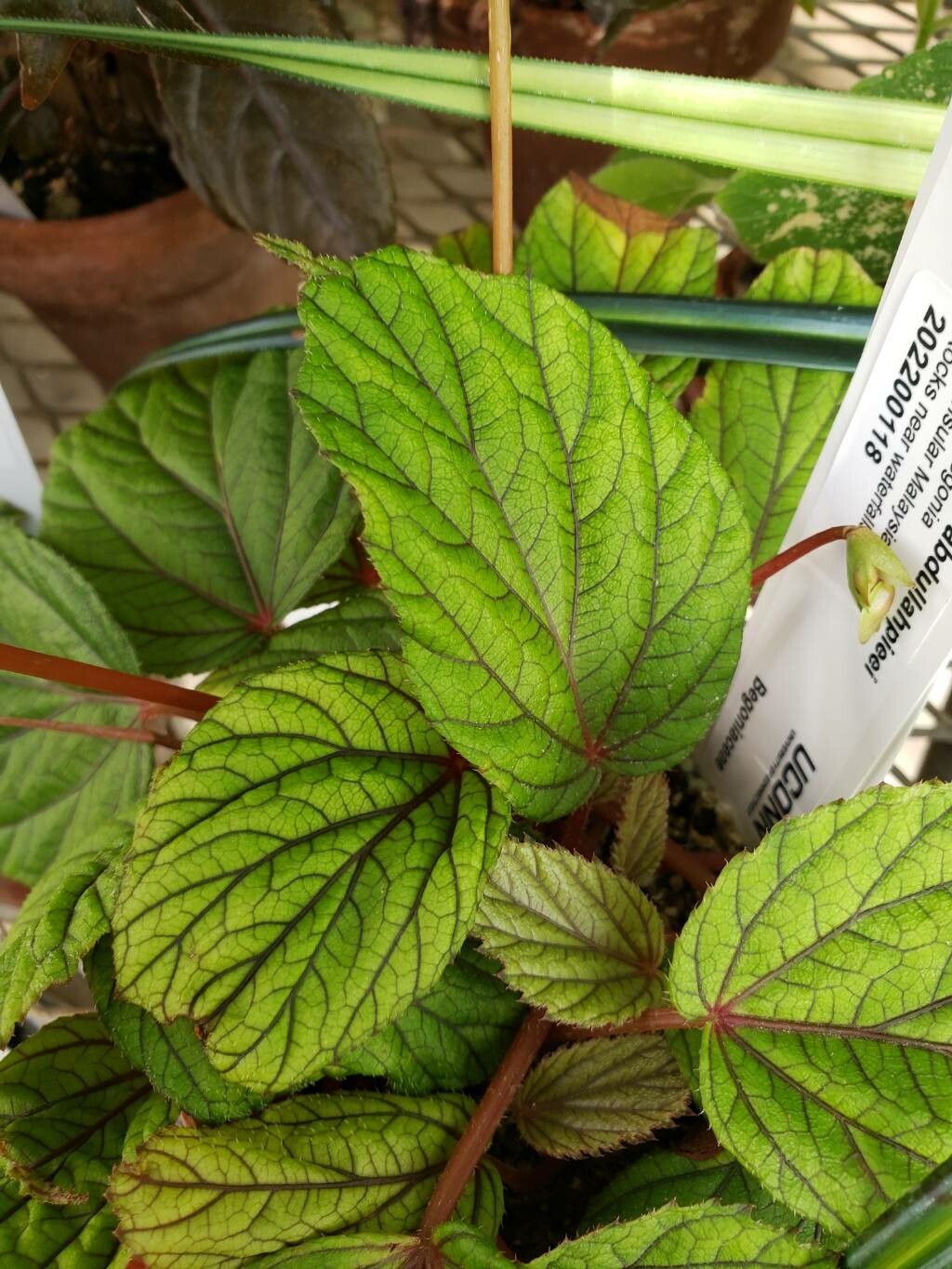
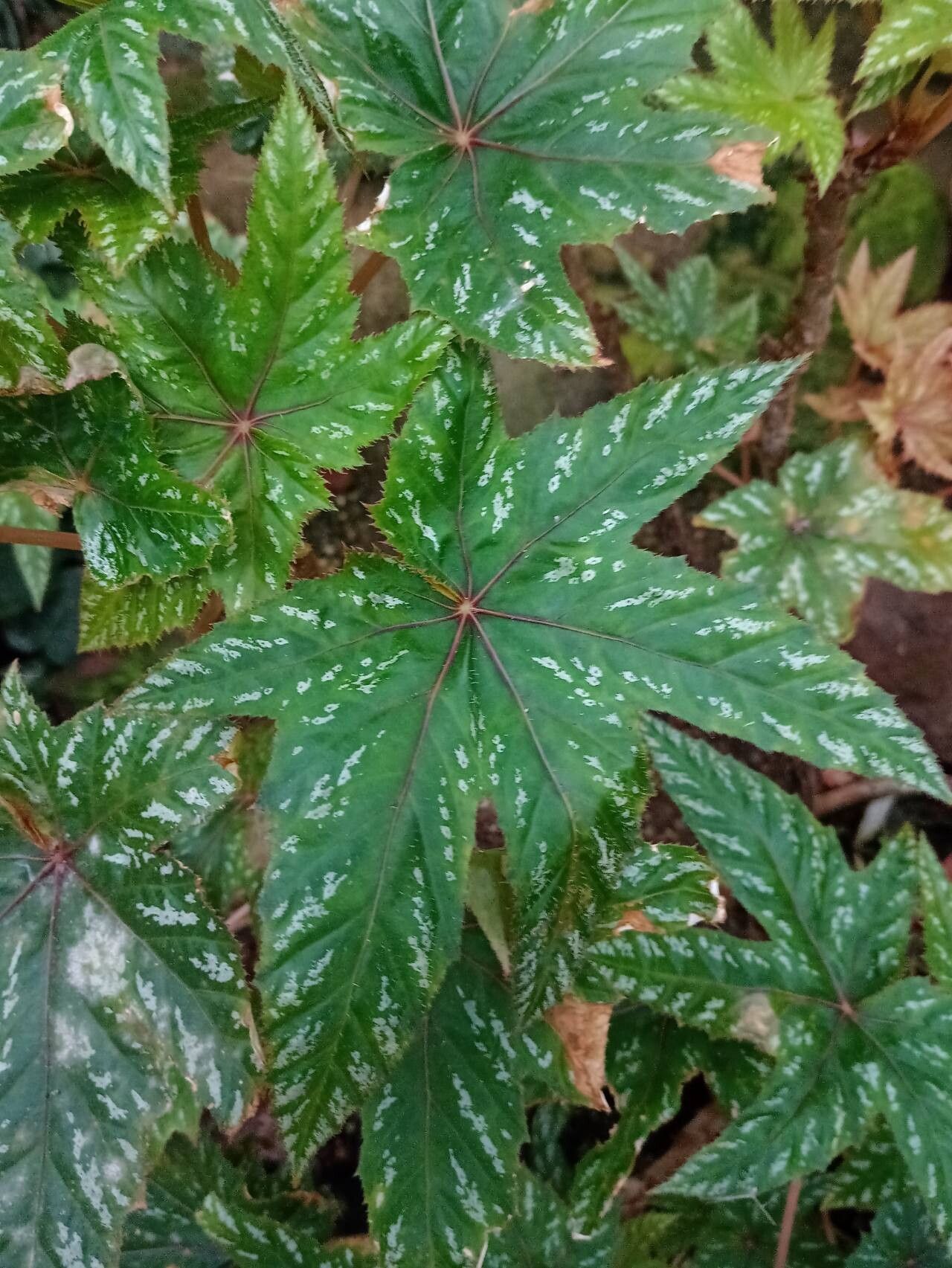
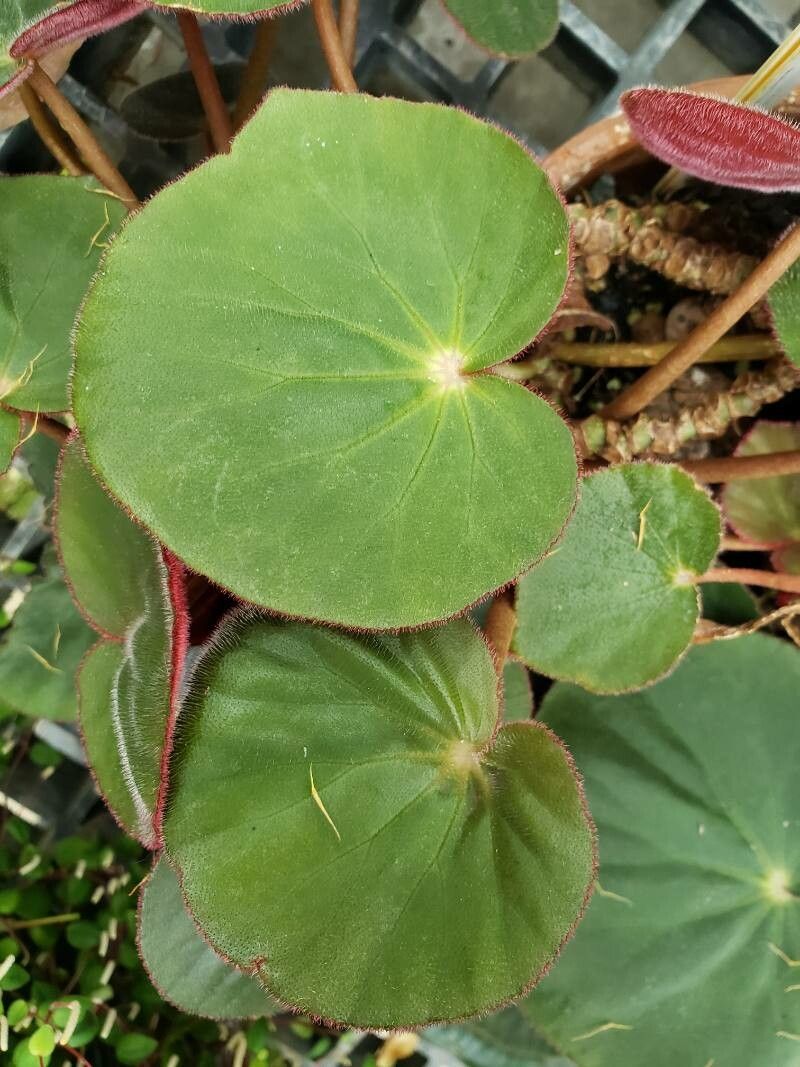
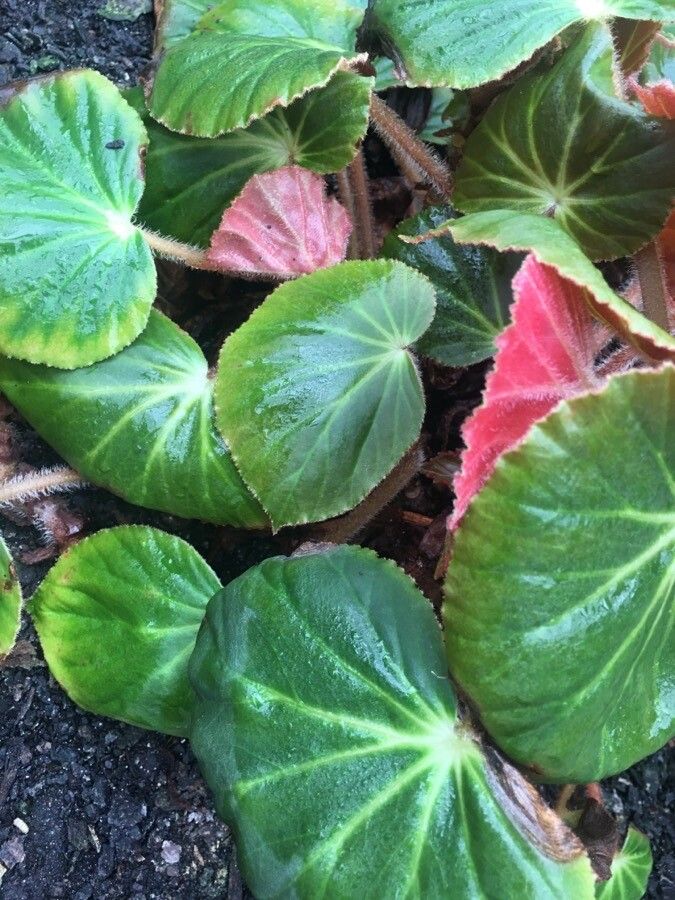
Begonia parvifolia, called the small-leaved begonia, is a species of flowering plant in the genus Begonia, native to southeast Brazil.
Tovarensis begonia shows strong disease resistance and is typically not susceptible to diseases. In terms of care, the plant is fairly low-maintenance. When grown outdoors it needs only minimal watering, and larger plants usually do not require pruning. Smaller plants, however, should be pruned after they have finished blooming. Tovarensis begonia is suitable for anyone with an outdoor area, such as a garden or deck, and does not demand much care experience.
How to keep Begonia Parvifolia.
Light
The Tovarensis begonia is indigenous to settings like woodland undergrowth or stony regions, where it naturally enjoys shade. This plant thrives best in partial sun, but it is also capable of acclimating to either entirely sunlit or fully shady conditions, exhibiting its adaptability and resilience.
Temperature
The Tovarensis begonia is native to tropical areas where the weather is usually hot and damp. Consequently, it's well-equipped to thrive in conditions of heat and humidity. It doesn't favor abrupt changes in temperature and prefers a consistent temperature setting, so it's crucial to avoid changes in indoor temperature. It generally doesn't withstand chilly conditions and necessitates elevated temperatures for its growth. In case the surrounding temperature falls excessively, the plant might halt its growth or even perish.
Fertilizer
The optimal period to apply fertilizer to a Tovarensis begonia is in the early spring, as it awakens from its dormant state. This promotes both growth and the formation of flowers. The act of fertilization improves the leaves, stems, and branches, and fosters the creation of sizable, bright, and enduring blooms. Additionally, it helps in the distribution of nutrients from the roots to the flowers, and boosts the plant's overall health and capability to resist diseases.
Pot & Repot
While re-potting the Tovarensis begonia, pick a pot that is 1-2 inches (2.5-5 cm) bigger, equipped with substantial drainage. Opt for a potting mix that drains well. Do the re-potting either in spring or fall, making sure that the root ball is marginally beneath the pot's rim. Properly irrigate post re-potting and situate it in a balmy location with indirect sun exposure.
Botanical profile.
- Plant Type
- Shrub
- Life Cycle
- Perennial
- Genus
- Begonia
- Family
- Begoniaceae
- Hardiness Zone
- 10-11
- Mature Height
- 20 cm to 40 cm
- Mature Spread
- 30 cm to 49 cm
- Leaf Color
- Green, Dark Green
- Leaf Type
- Semi-evergreen
- Flower Color
- Pink, White
- Flower Size
- 2.03 cm to 3.05 cm
- Bloom Time
- Late spring, Summer, Fall
- Planting Time
- Spring, Summer, Autumn
- Harvest Time
- Mid summer, Late summer, Fall, Early winter, Mid winter
- Native Area
- Colombia, Cuba, Honduras, Mexico, Guatemala, Bolivia, Venezuela, Peru, Guyana, Brazil, Nicaragua, Ecuador, Costa Rica, Panama, Jamaica