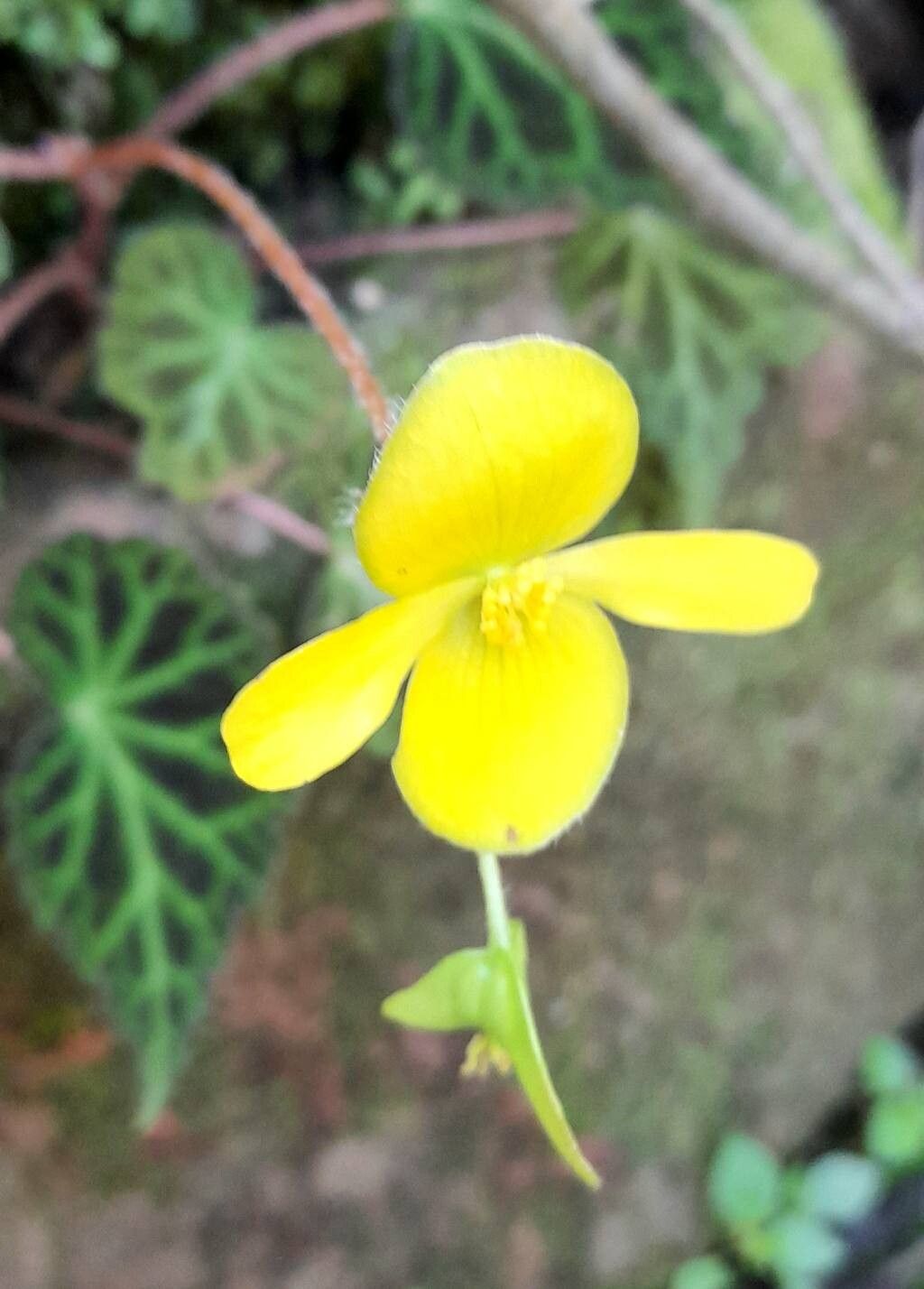
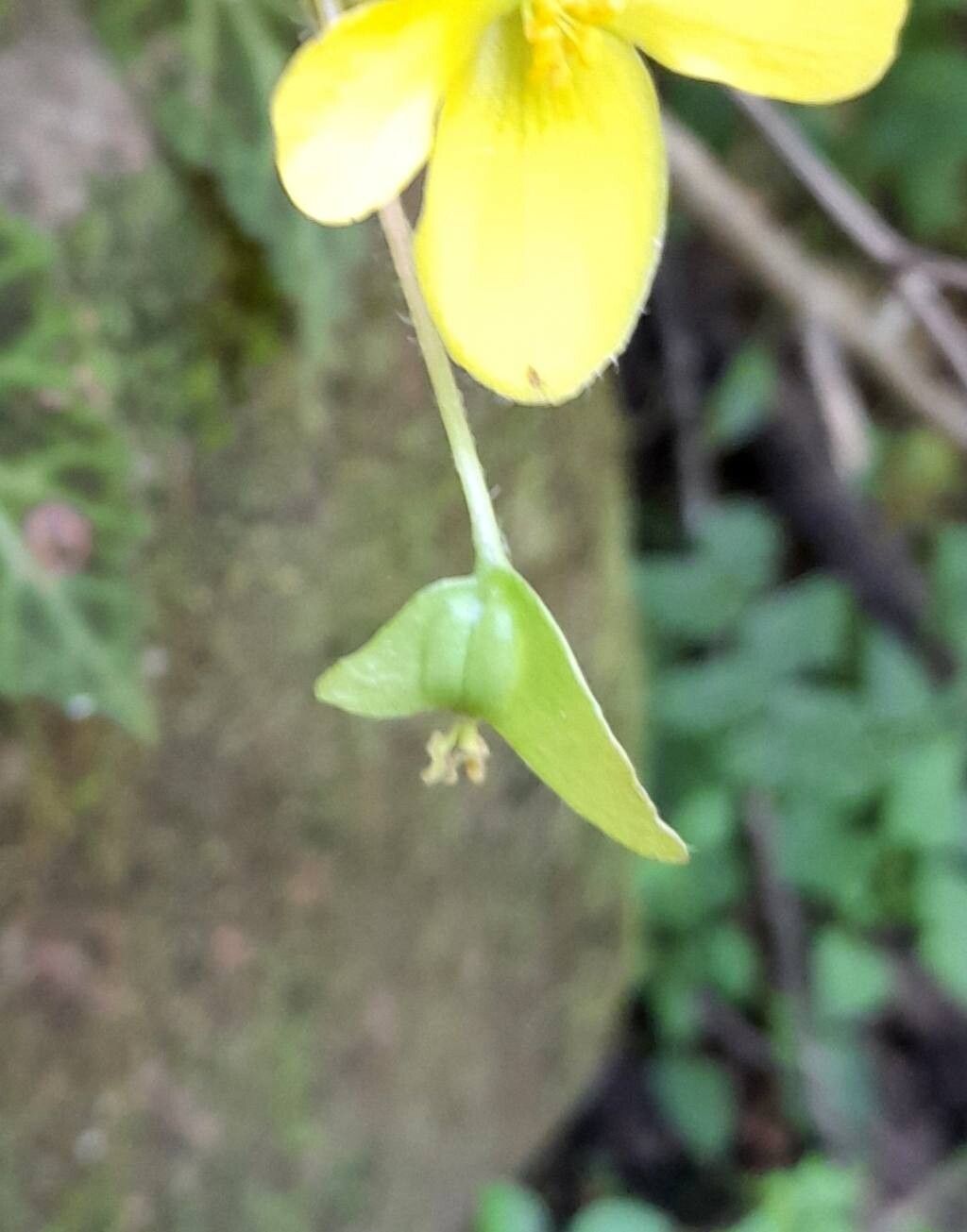
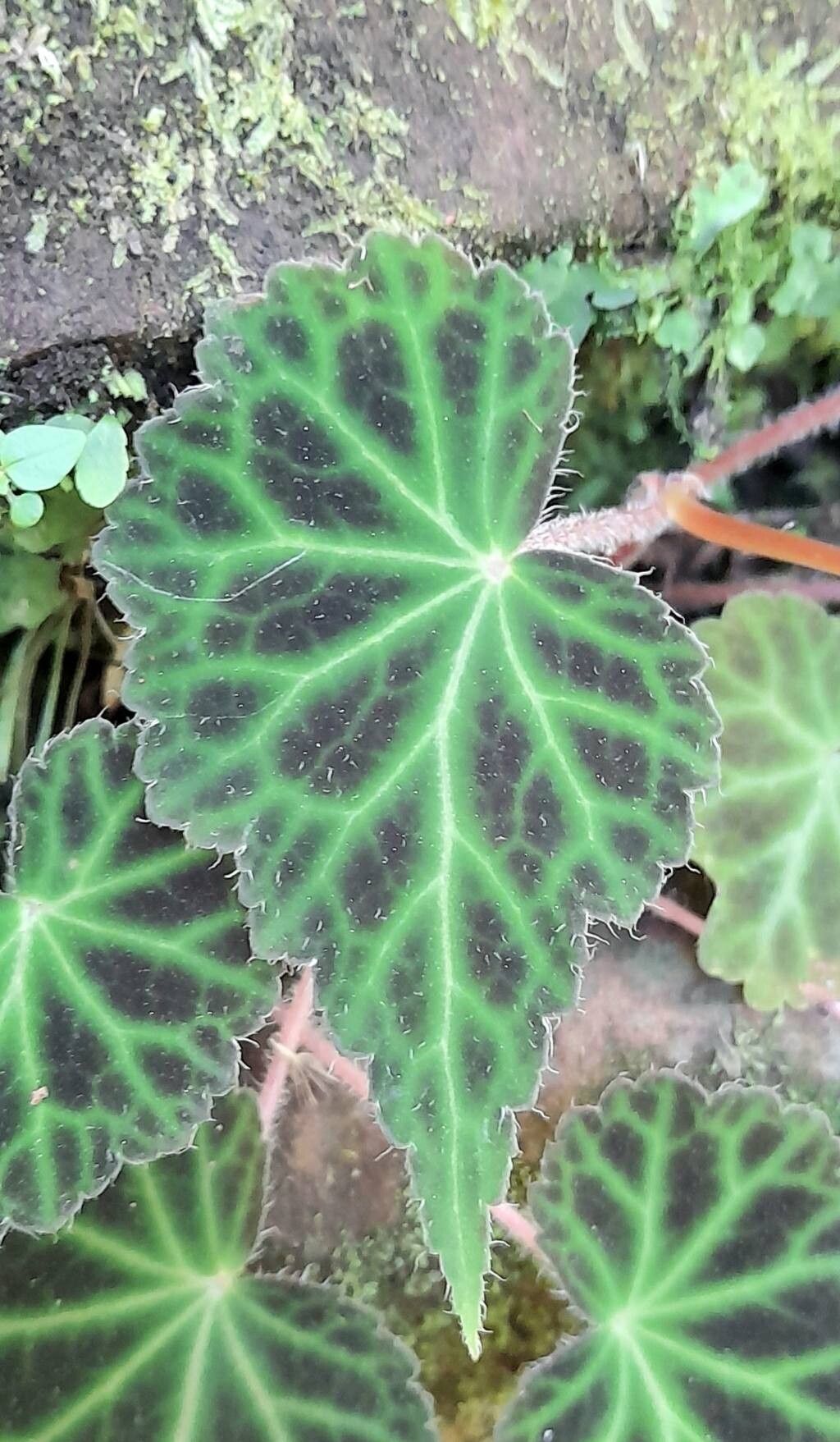
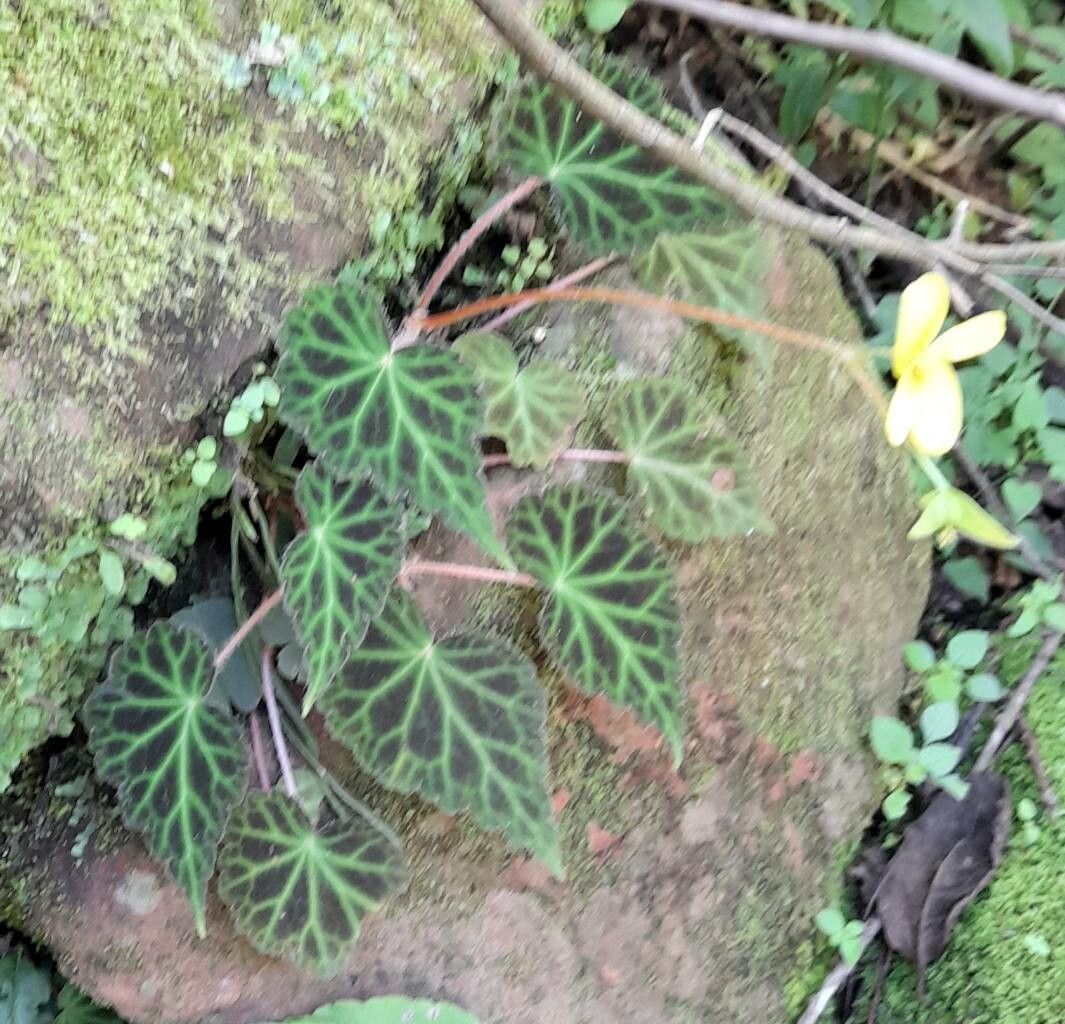
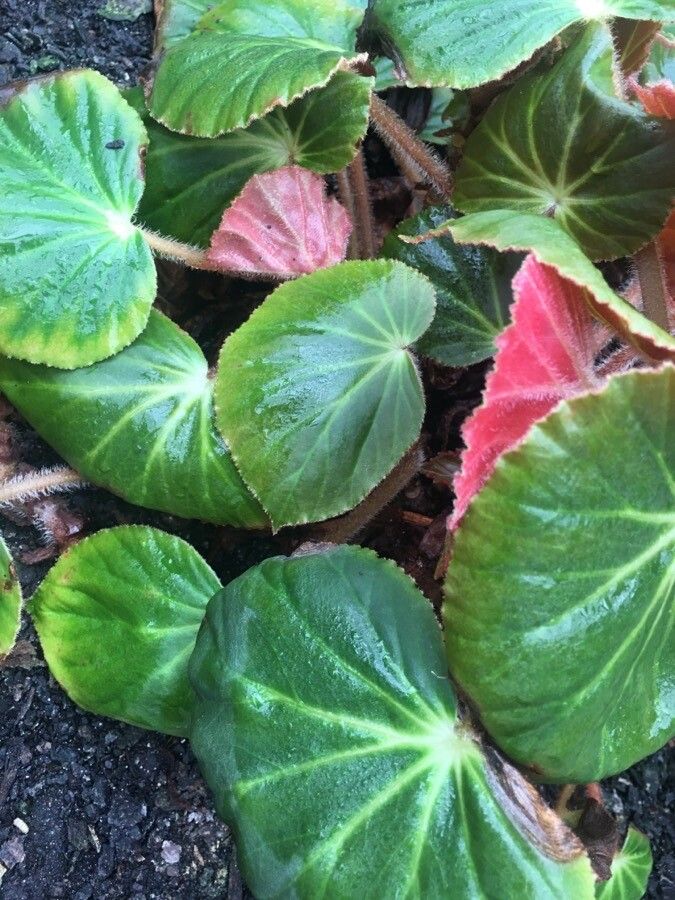
Begonia pearcei is a plant in the begonia family, Begoniaceae. It was introduced to Europe in 1864 by Richard Pearce who discovered it in the Bolivian Andes on the south-eastern altiplano, where it's likely endemic. It's a tuberous geophyte and grows primarily in seasonally dry tropical biomes.
Begonia pearcei has good resistance to disease and is generally not susceptible to illness. It can, however, be prone to leaf spots when light and ventilation are poor or when watering is excessive. The plant's care level is considered easy, as it mainly needs regular watering and little else. Begonia pearcei is suitable for people who lack the time or energy to commit to frequent care.
How to keep Begonia Pearcei.
Light
Begonia pearcei is a plant indigenous to habitats like forest understories and rocky terrains, which provide it with a natural shield from direct sunlight. It thrives in partially sunny conditions but exhibits an impressive ability to adjust to either complete sunlight or total shade, demonstrating its robust and adaptable character.
Temperature
Begonia pearcei is native to tropical regions characterized by high warmth and humidity. Consequently, it thrives in such hot and humid conditions. Sudden shifts in temperature are not favorable to this plant, and it needs a consistently warm environment to prosper. Its ability to withstand cold temperatures is generally low, necessitating higher temperature conditions for its growth. When the temperature falls excessively, the plant could halt its growth or potentially perish.
Fertilizer
The need for fertilizer is highest for Begonia pearcei during its period of active growth, particularly in the spring, summer, and the beginning of fall. Fertilizing is crucial as it offers vital nutrients that might not be present in the soil, facilitating healthy growth of roots and stems, while also enhancing the plant's foliage, an important characteristic of this specific plant.
Pot & Repot
When it comes to rehousing your Begonia pearcei, opt for a container that is 1-2 inches (2.5-5 cm) bigger and has adequate drainage. It's recommended to use a potting mix that drains well. The ideal times for repotting are either in the spring or the fall, making sure the root ball sits a bit lower than the pot's edge. After the procedure, make sure to water it completely and position it in a warm location where indirect sunlight is available.
Botanical profile.
- Plant Type
- Herb
- Life Cycle
- Perennial
- Hardiness Zone
- 10-11
- Mature Height
- 30 cm to 46 cm
- Mature Spread
- 30 cm to 40 cm
- Leaf Color
- Dark Green, Olive Drab
- Leaf Type
- Evergreen
- Flower Size
- 3.05 cm to 5.08 cm
- Bloom Time
- Late spring, Summer, Early fall, Mid fall
- Planting Time
- Spring, Summer, Autumn
- Harvest Time
- Fall
- Native Area
- Bolivia