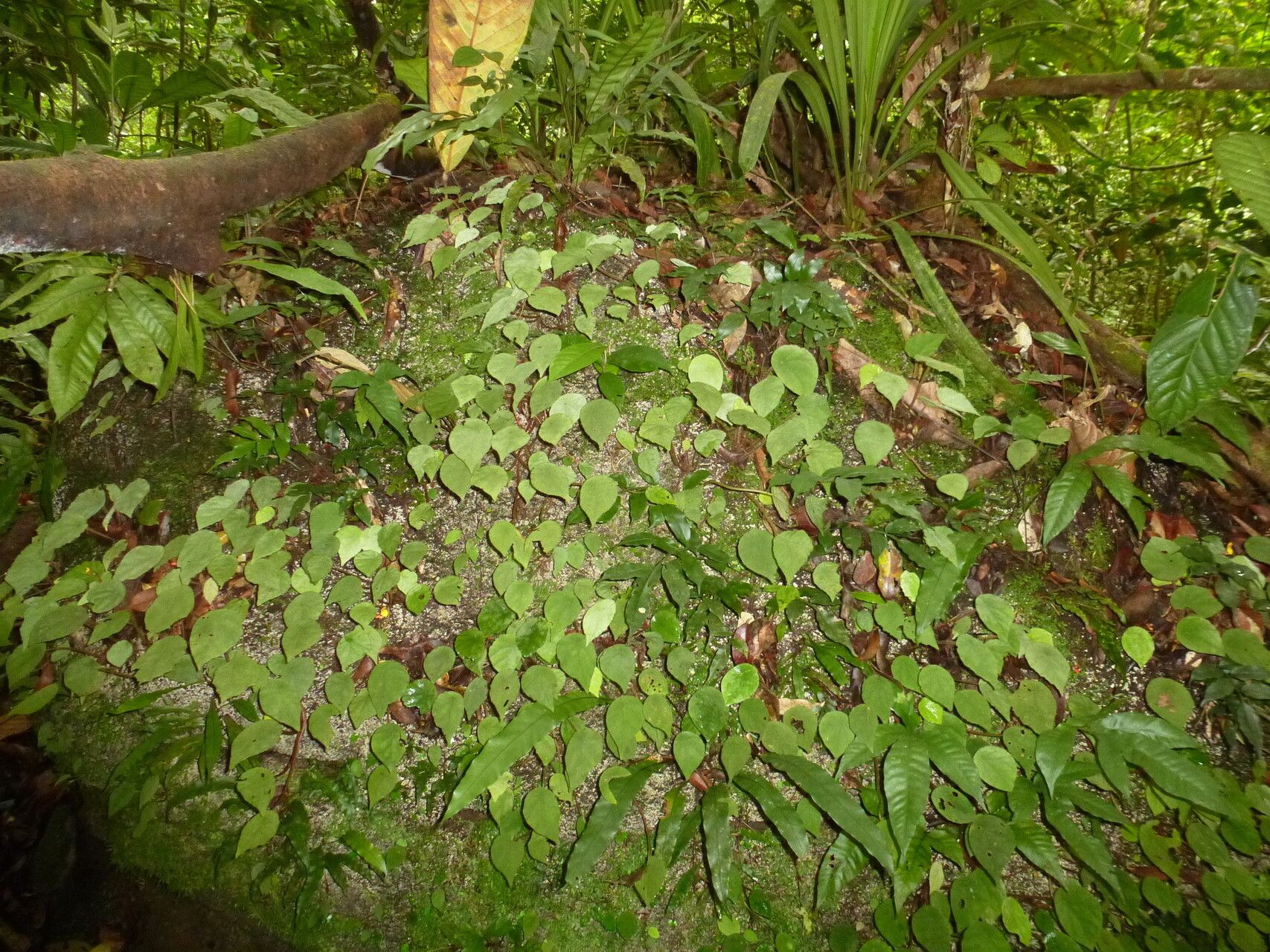
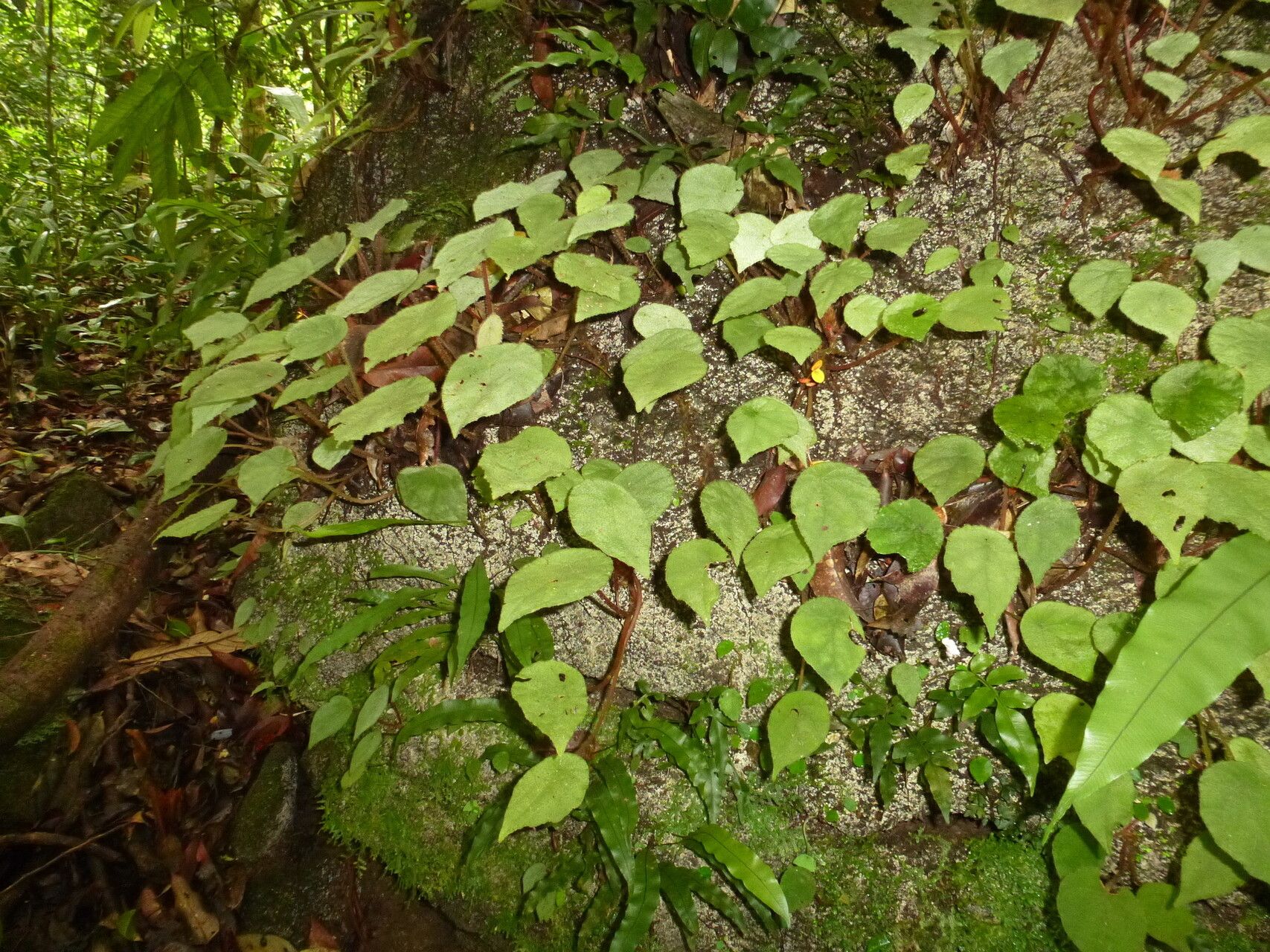
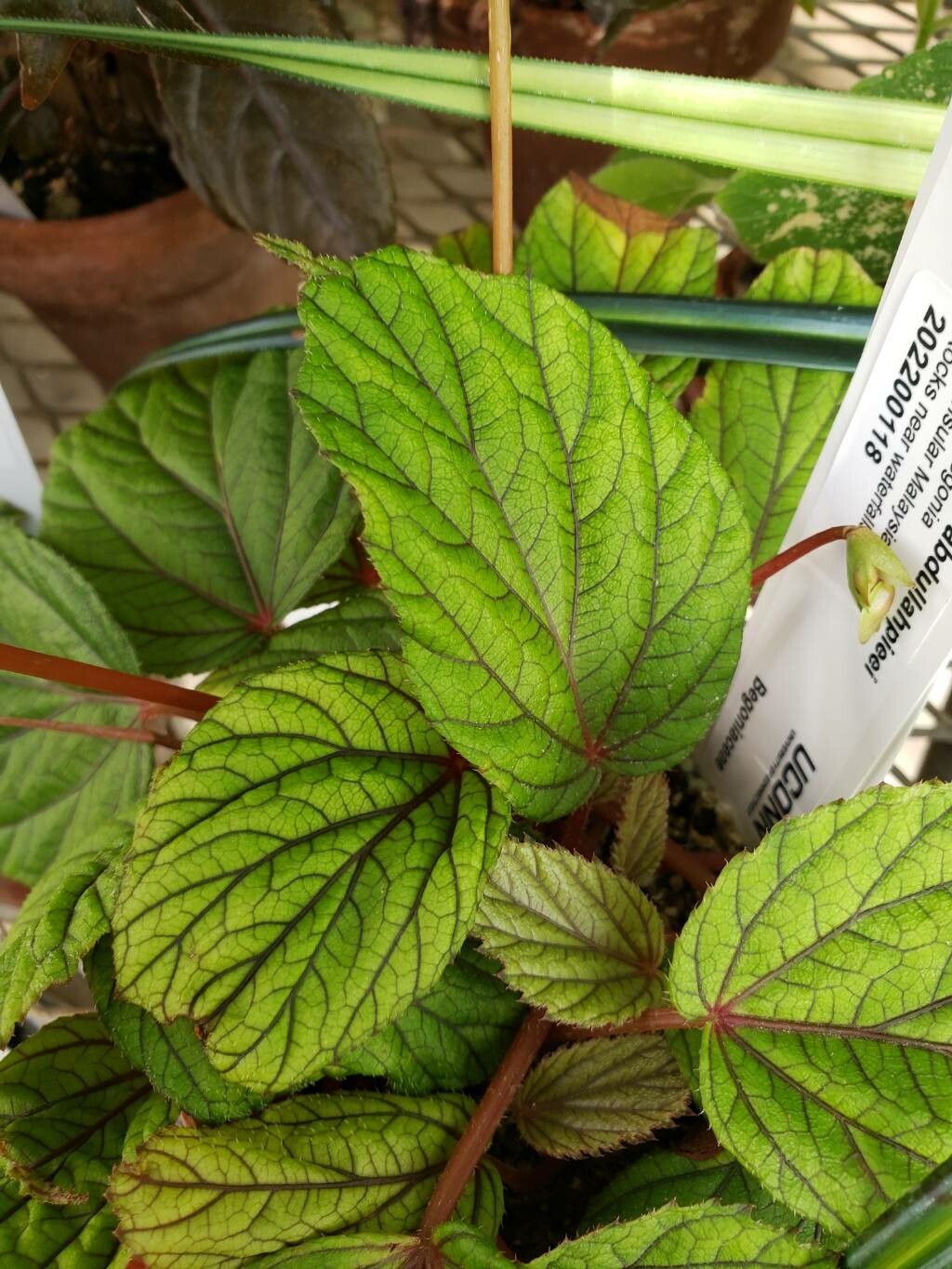
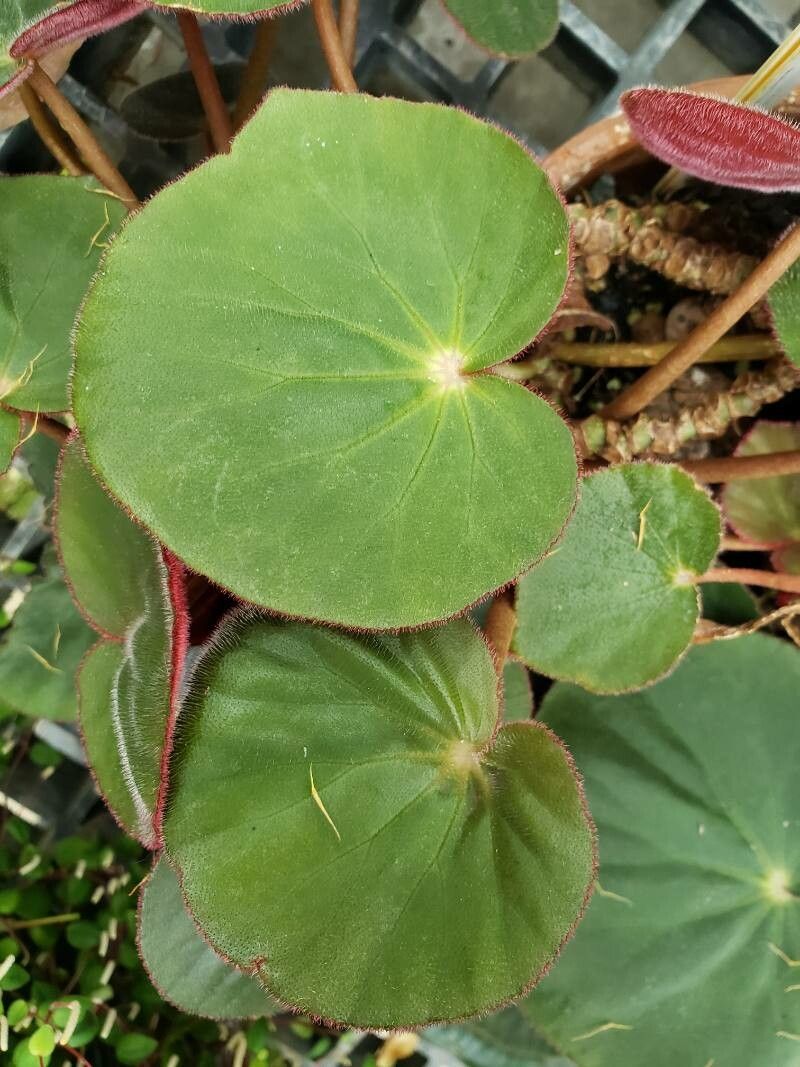
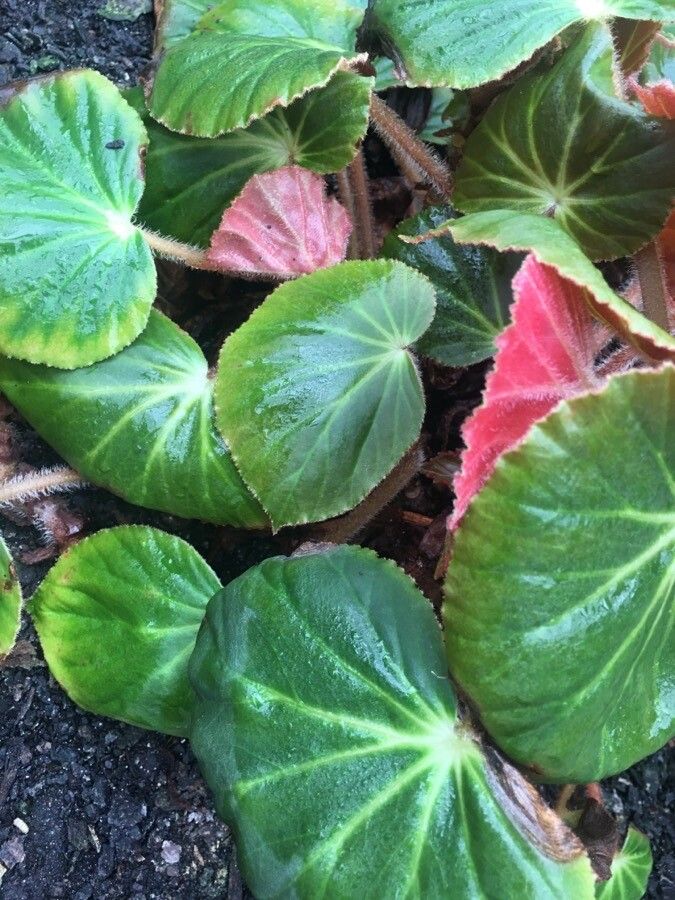
Begonia quadrialata is a species of flowering plant in the family Begoniaceae, with a native range from central Tropical Africa down to Angola, including Mount Nimba. It has a rhizomatous growth habit, ovate, lime-green leaves, sometimes with thick red venation, and yellow to orange-yellow flowers. It is a relatively small plant that grows best in higher humidity, making it suitable for terrariums. A molecular phylogenetic analysis published in 2004 indicates that B. quadrialata is most closely related to B. potamophila.
Begonia quadrialata shows strong resistance to disease and is generally not susceptible to illnesses. Still, it can be affected by pests and diseases present in its environment, although such infections tend to be mild. Regarding care, the plant demands a moderate level of maintenance. Regular pruning is necessary to preserve an attractive appearance and encourage healthy growth. Applying fertilizer can also aid in enhancing bloom production. Begonia quadrialata is well suited for anyone with outdoor areas like a garden or patio and does not need extensive gardening experience. It may, however, need more attention when kept indoors.
How to keep Begonia Quadrialata.
Light
Begonia quadrialata naturally inhabits environments like forest understories or rocky regions, where it is shaded naturally. While it prefers partial sunlight, it is capable of adapting to both complete sunlight and full shade, which is a testament to its robust and adaptable character.
Temperature
Begonia quadrialata is native to the tropics where the weather is usually hot and moist. Therefore, it has adapted well to high heat and humidity. It is not fond of abrupt changes in temperature, and desires a consistent climate. It is crucial to prevent variable temperature conditions indoors. It's not usually able to withstand cooler weather and needs a warmer climate for optimal growth. If the temperature falls excessively, the plant may halt growth or potentially perish.
Fertilizer
The quadrialata variety of Begonia will necessitate the highest amount of fertilizer during its key growth periods, primarily spanning across spring, summer, and the commencement of fall. It's important to fertilize as it delivers vital nutrients which could be deficient in the soil, thus supporting the growth of healthy roots and stems, alongside appealing leaves, a standout characteristic of this specific plant.
Botanical profile.