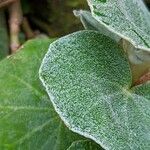
Begonia venosa
Description
Source: leafsnapThis species typically grows to around 2 ft. high and produces large, rubbery, oval leaves.
Care Guide
💧 Water Every 5-7 days
Begonia should be watered when the soil or pot feels dry, but don’t wait until the plant starts to wilt. You can cut back on water during their dormant period in the winter, watering only when the pot dries out. Humidity is crucial to keeping your begonia happy, however, spraying the leaves can lead to spotting. It’s better to cluster your plants, so they can create their own humid environment, or use a pebble tray.
☀️ Light Partial sun
Begonia venosa naturally occurs in habitats like forest understories or rocky areas, where it grows in shaded conditions. It favors partial sun but can tolerate both full sun and full shade, illustrating its versatile and hardy character.
🌡️ Temperature 20–37.8°C
Begonia venosa comes from tropical areas, where the climate is usually warm and humid. As a result, it is adapted to high temperatures and moisture. It does not tolerate sudden temperature changes and prefers a steady temperature, so it is important to avoid temperature fluctuations indoors. It generally cannot withstand cold and requires warmer conditions to grow. If the temperature drops too low, the plant may stop growing or even die.
💨 Humidity
🪴 Soil 6-8
🌱 Fertilizer
Begonia venosa needs the most fertilizer during its active growth period, which occurs mainly in spring, summer, and early fall. Fertilizing supplies essential nutrients the soil may lack, supporting healthy root and stem development and maintaining the attractive foliage that is a key characteristic of this plant.
🪴 Pot & Repot
✂️ Pruning
As old flowers are spent, pinch off the flowers to encourage new blooms to open. After the plant is done blooming, cut it back and let it dry out, then move it to a bright place and begin watering again when the weather warms up.
🌿 Propagating
🐛 Diseases & pets
☠️ Toxicity
Characteristics
- Plant Type
- Herb
- Life Cycle
- Perennial
- Genus
- Begonia
- Family
- Begoniaceae
- Hardiness Zone
- 10-12
- Mature Height
- 20 cm to 30 cm
- Mature Spread
- 30 cm to 46 cm
- Leaf Color
- Dark Green, Silver
- Leaf Type
- Evergreen
- Flower Color
- Pink, White
- Flower Size
- 2.03 cm to 3.05 cm
- Bloom Time
- All year round
- Planting Time
- Spring, Summer
- Harvest Time
- All year round
- Native Area
- Brazil