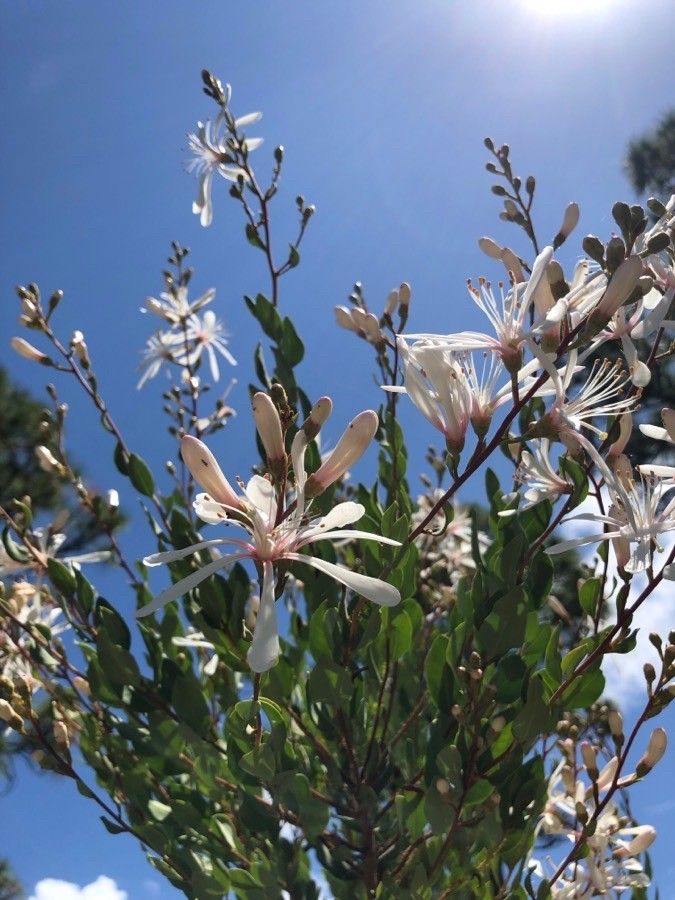
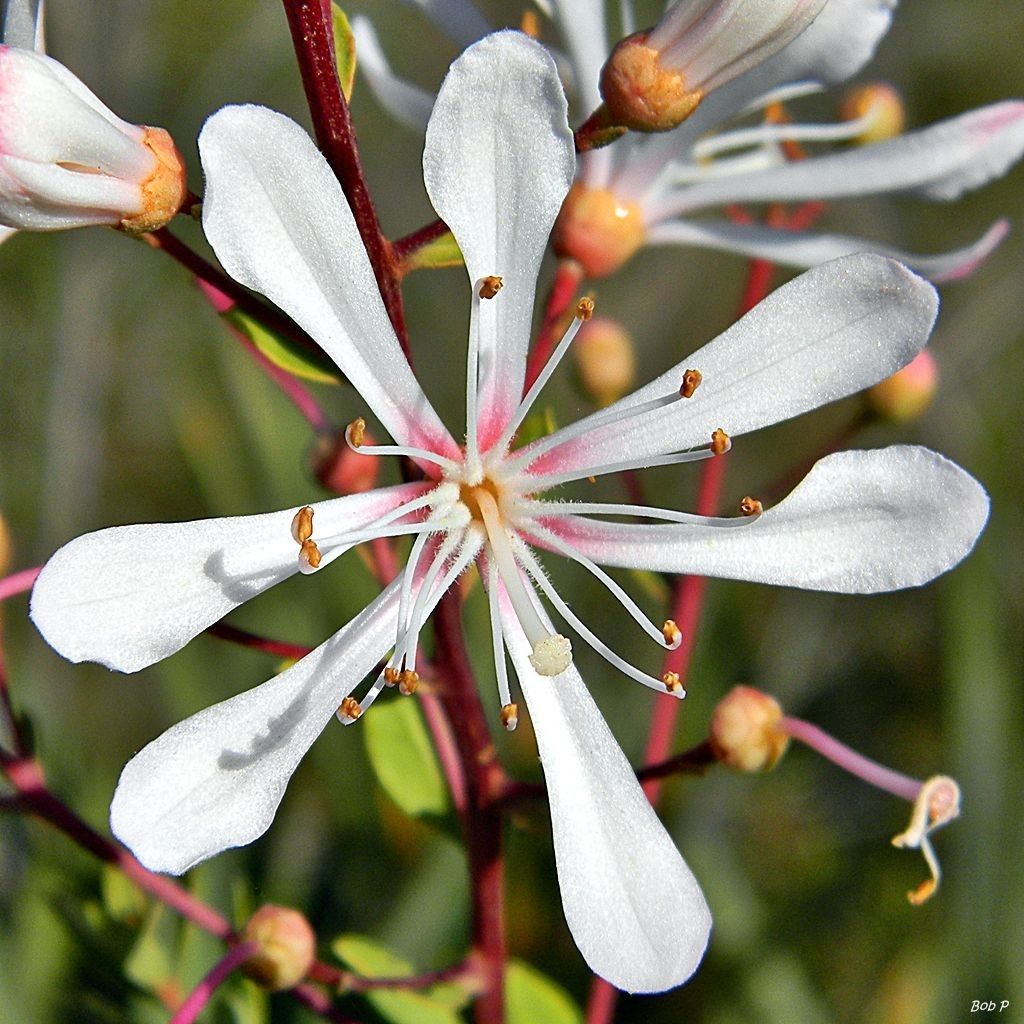
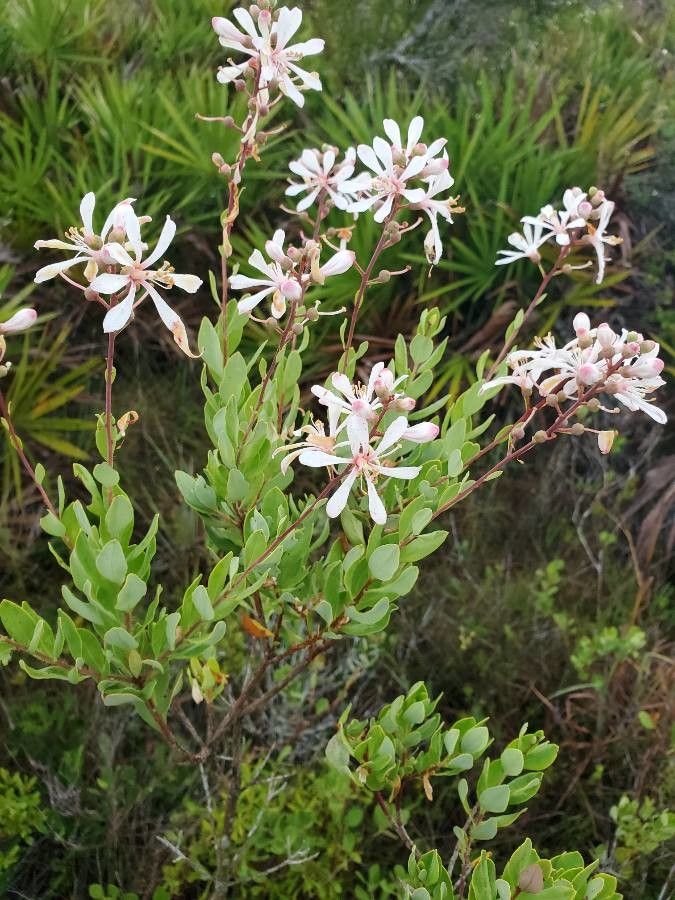
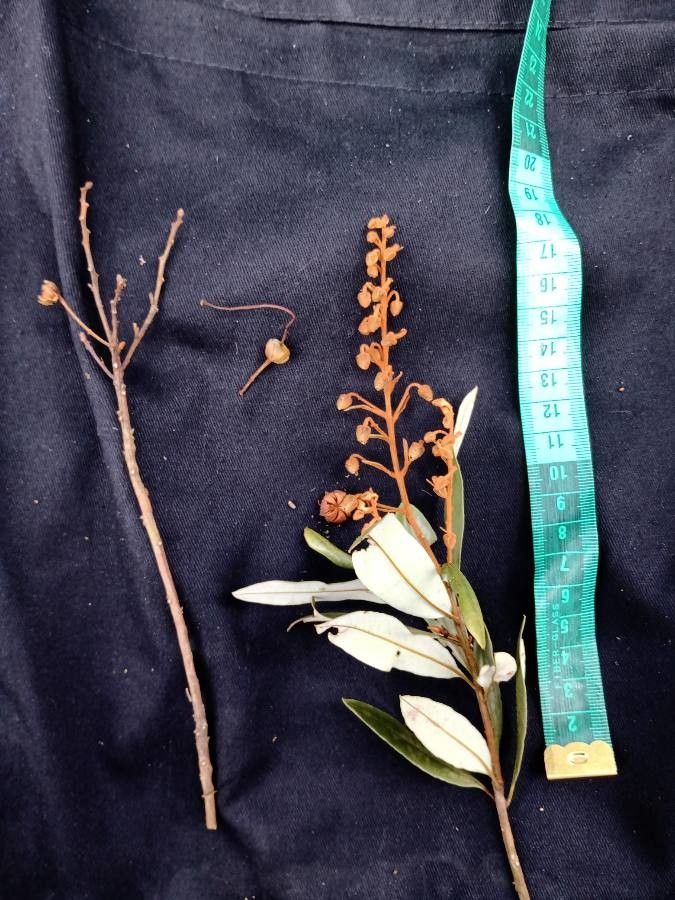
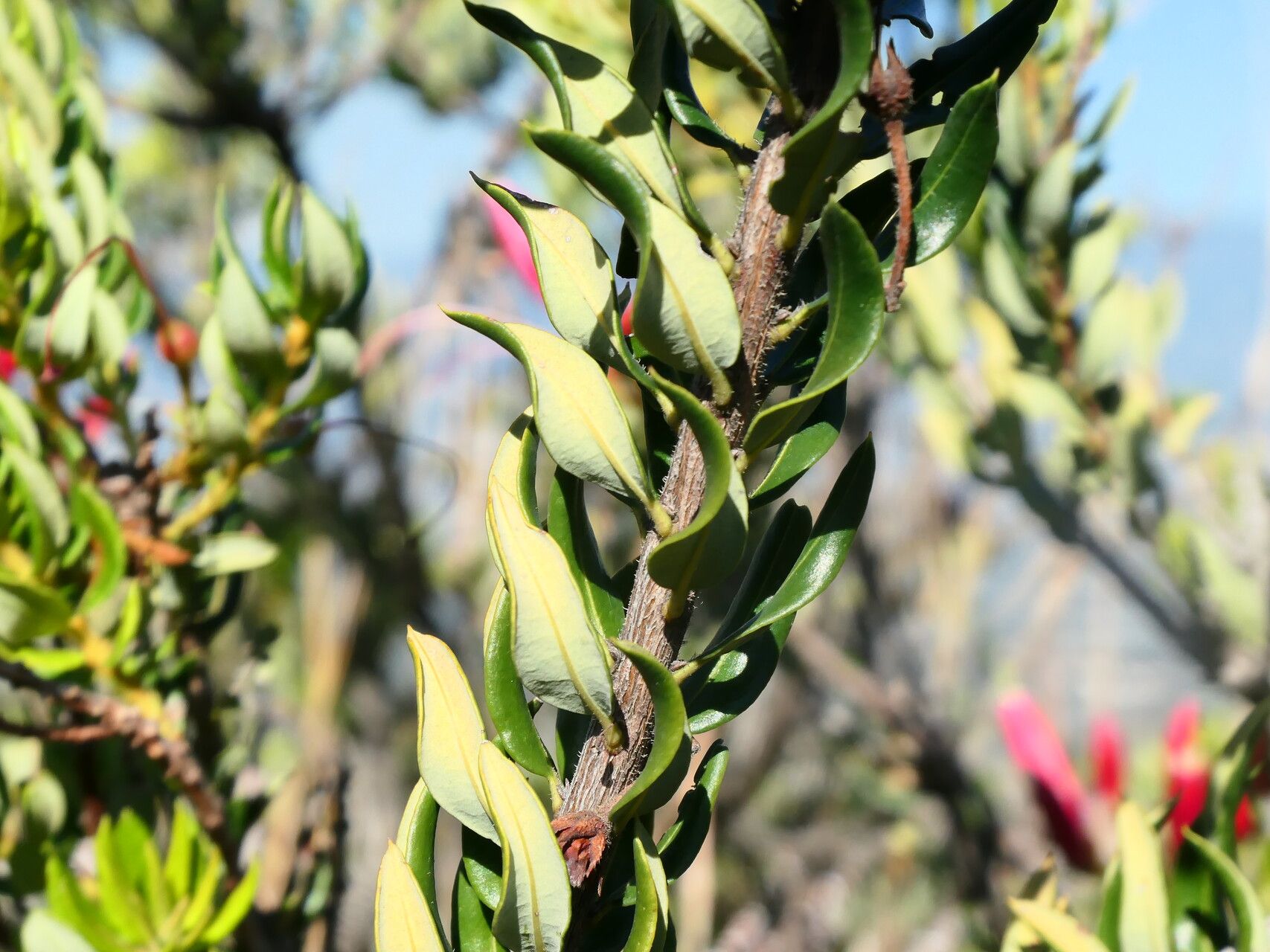
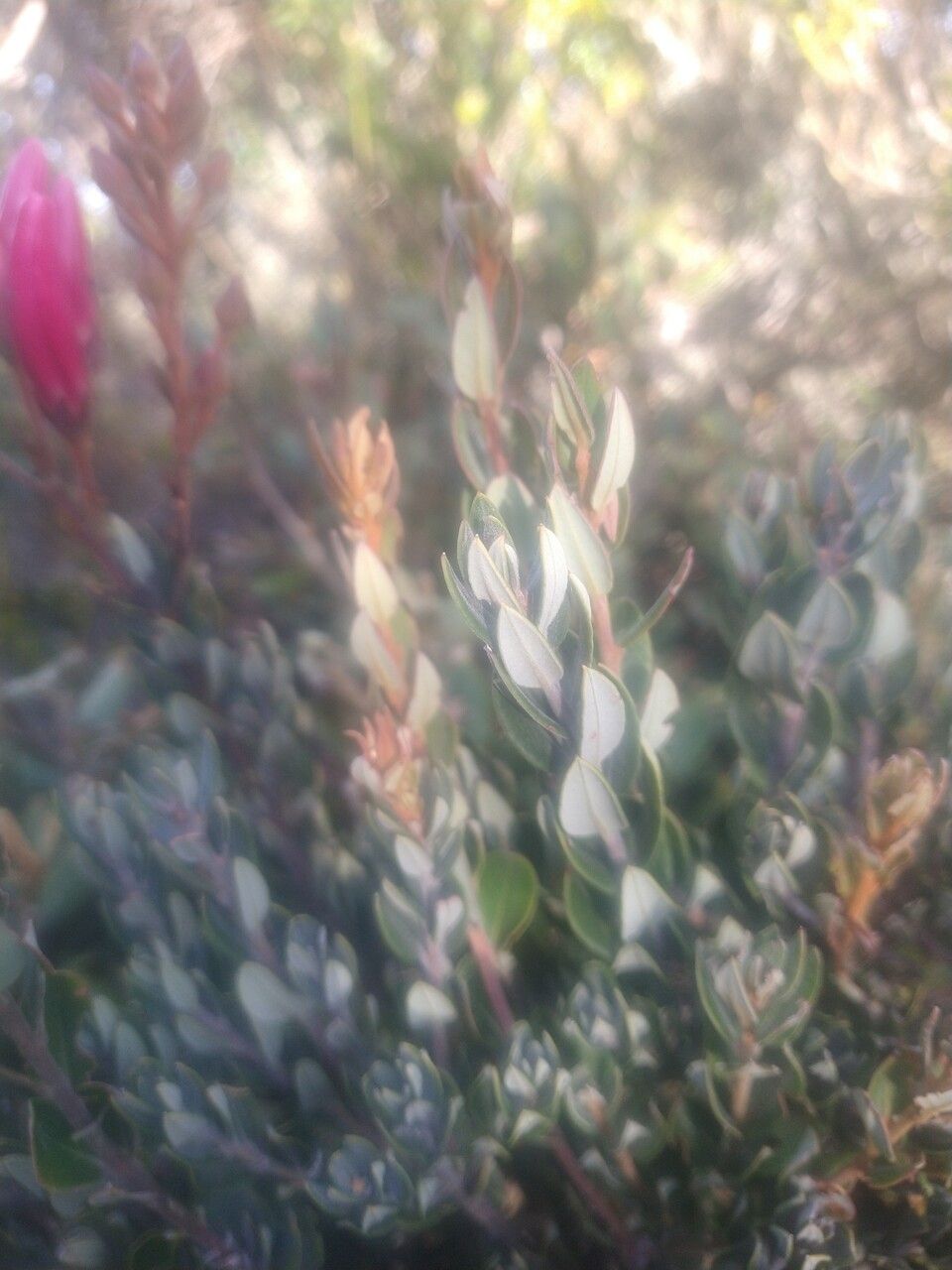
Bejaria racemosa, commonly known as tarflower, is a woody shrub with a fragrant flower found in the southeastern US states of Florida, Georgia, and Alabama. It grows on flatlands in groups. Insects become trapped on its flowers due to the sticky secretions found there.
Tarflower shows strong resistance to disease and is generally not susceptible to illnesses. Regarding care, the plant is fairly low-maintenance. When grown outdoors it needs little watering, and larger specimens typically do not require pruning. Smaller plants, however, should be pruned after they have finished blooming. Tarflowert is suitable for anyone with an outdoor area, such as a garden or deck, and does not demand much plant-care experience.
How to keep Bejaria Racemosa.
Light
Tarflower prefers a location that receives ample sunlight for most of the day, but it can also do well when light is available only part of the day. Excessive or insufficient light exposure can cause irregularities in its normal growth.
Water
The Tarflower is native to the sandy flatwoods of the southeastern United States and thrives in well-drained soils with moderate humidity. This plant is drought-tolerant and only needs watering every 2–3 weeks, allowing the soil to dry out slightly between waterings. Seasonal rains can further support its growth by complementing its care routine.
Temperature
Tarflower is indigenous to regions with temperatures between 59 and 95 °F (15 to 35 ℃). It performs best within that temperature band. Exposure to warmer or cooler conditions can place stress on the plant.
Fertilizer
The timing of fertilizing Tarflower is important. Apply fertilizer in early spring and continue once a month until early summer. Fertilizer encourages attractive blooms and supplies energy during both dormant periods and active growth phases.
Pruning
Tarflower thrives when pruned properly between early to late winter. To encourage new growth and improve air circulation, trim any dead or crossing branches, removing up to 20% of the plant. Regular maintenance promotes healthier blooms, supports overall plant vigor, and helps with pest control.
Botanical profile.
Other names.
Reader questions.
What are the sunlight requirements for Tarflower?
Tarflower requires full sun, meaning it thrives under conditions of more than 6 hours of sunlight daily but can also perform well in partial sun, with about 3-6 hours of sunlight. Observing how sunlight moves through your garden will help you choose the perfect spot, balancing light and shade to ensure the plant's happiness. It's important to provide generous sunlight for most of the day, although the plant can tolerate lower light conditions for a part of the day. Insufficient or excessive light exposure can disrupt its normal growth patterns.
What is the ideal temperature range for Tarflower?
Tarflower, scientifically known as Bejaria racemosa, is native to climates where temperatures range from 59 to 95 °F (15 to 35 °C). It thrives best within this temperate range, ideally suited to these conditions. Adjusting to warmer or cooler conditions may stress the plant, but it has some cold tolerance and generally does not require any special care when the temperature is above -5°C. However, for temperatures expected to drop below -5°C, it's necessary to take temporary measures for cold protection.
How can artificial lighting be used for Tarflower indoors?
Indoor Tarflower plants may require artificial lighting to ensure optimal growth, especially when natural sunlight is insufficient. LED lights are recommended for their ability to mimic natural sunlight, with full sun plants needing 30-50W/sq ft, partial sun plants requiring 20-30W/sq ft, and full shade plants needing 10-20W/sq ft of artificial light. The light source should be placed 12-36 inches above the plant to best mimic natural sunlight conditions. Additionally, simulating the natural daylight hours, usually 8-12 hours of light per day, depending on the plant species, is crucial for healthy plant growth.
What should I do to protect Tarflower in colder temperatures?
To protect Tarflower in colder temperatures, especially if the temperature is expected to drop below -5°C, it is advisable to wrap the plant with plastic film, fabric, or other suitable materials for cold protection. These protective measures should be temporary and removed once the temperature rises again to prevent any potential damage to the plant.
What are common symptoms of improper light exposure in Tarflower?
Tarflower may show several symptoms due to improper light exposure, including smaller new leaves, leggy or sparse growth, faster leaf drop, slower or halted new growth, lighter-colored or chlorotic new leaves, sunscald, leaf curling, wilting, and leaf scorching. These symptoms reflect either a deficiency in sunlight leading to reduced vigor and pale, weak appearance, or damage from excessive sunlight causing dehydration and leaf burn. Adjusting the plant's light exposure is crucial to prevent these issues.
How does Tarflower react to low temperatures, and what are the solutions?
Tarflower has a moderate tolerance to low temperatures and thrives best when kept above 15°C. During winter, it's important to maintain temperatures above -5°C. If temperatures fall below -10°C, the plant's leaves may start to droop; they can recover in mild cases, but in severe cases, leaves will wilt and eventually fall off. The solution includes trimming off the frost-damaged parts. Before encountering low temperatures again, it's beneficial to wrap the plant with non-woven fabric or cloth and construct a wind barrier for protection.
How can I address light exposure issues in Tarflower?
To optimize Tarflower's light exposure, gradually move plants to sunnier locations, ensuring at least 6 hours of direct sunlight daily. For indoor plants that are large or difficult to move, use artificial lights such as desk or ceiling lamps for a minimum of 8 hours daily, or invest in professional grow lights. Outdoors, avoid sudden light intensity changes to prevent sunburn. Reducing obstructions, such as pruning blocking trees, or transplanting to sunnier spots can also help improve sunlight access. Although parts of the plant affected by past light issues may not recover, new growth will be healthy with better light conditions.
What are the effects of high temperature on Tarflower and the solutions?
During summer, maintaining the Tarflower's environment below 35°C is crucial. When temperatures exceed 41°C, it can cause the leaves to lighten in color, dry and wither at the tips, curl, and increase the plant's susceptibility to sunburn. To mitigate these effects, trim away sunburned and dried-up parts of the plant. Moving the plant to a shaded location or using a shade cloth and watering the plant in the morning and evening to keep the soil moist can help manage the stress from high temperatures.