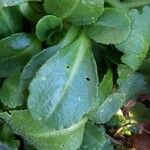
Bellis annua
بابونه · Annual daisy · Margarita · Daisy · Tratinčica
Description
Source: leafsnapBellis annua, commonly known as the English daisy, is a small perennial plant belonging to the Asteraceae family. Native to Europe, it has become naturalized in many other parts of the world. The plant grows up to 15 cm in height and produces small white or pink flowers with yellow centers that bloom from early spring until late autumn. The leaves of Bellis annua are dark green, spoon-shaped, and have toothed edges. The flowers, borne on long stalks above the foliage, have a diameter of 2-3 cm. Due to their ornamental value, English daisies are commonly found in gardens, parks, and meadows. Bellis annua prefers moist soil conditions but can tolerate some drought once established. It thrives best in full sun or partial shade but can also grow well under light shade. Historically, the English daisy has been used for medicinal purposes due to its anti-inflammatory properties. It was traditionally employed as an herbal remedy for coughs, colds, wounds, and digestive problems. Overall, Bellis annua is an attractive perennial plant that enhances the beauty of any garden or landscape while also offering some medicinal benefits. Additionally, animals such as rabbits enjoy eating it.
Care Guide
💧 Water Every 7 days
The annual daisy, native to the Mediterranean, thrives in moderately moist soil and prefers consistent moisture. However, it can withstand short periods of dryness. For optimal growth, it's best to water it weekly. Typically grown outdoors, the annual daisy responds well to cooler temperatures and seasonal rainfall.
How should I water my Annual daisy?
There are various ways to water Annual daisy, such as using a garden hose with a spray nozzle, a watering can, or any other common watering tool. This plant is not too particular about the water source, as it can thrive with rainwater, tap water, or filtered water. It's recommended to avoid watering from overhead to prevent damage to leaves, flowers, and the risk of disease. A good option is setting up a drip irrigation system, which provides even and direct watering to the soil. For Annual daisies in containers, a similar approach can be used, using a cup, watering can, or tap water to directly water the soil.
What should I do if I give my Annual daisy too much or too little water?
To avoid underwatering your Annual daisy, simply start watering it more regularly when it appears dry. However, overwatering can be a more serious problem, as it can cause diseases that lead to the plant's decline and death. To prevent this, choose a sunny location with good soil drainage to avoid waterlogging. If you overwater your potted Annual daisy, consider changing it to a new pot with better drainage and loose soil.
How many times should I water my Annual daisy?
To keep your annual daisy healthy, water it regularly throughout the growing season. In the spring, watering once a week should be sufficient. As the weather gets warmer, you may need to water two to three times a week. However, be careful not to overwater as it can harm the plant. Regardless of how often you water, make sure the soil remains moist but not wet. If you have an annual daisy in a pot, you'll need to water it more frequently. Potted soil can dry out faster, so plan to water a few times a week compared to just once a week for a plant in the ground.
How much water does my Annual daisy require?
To determine how much water your Annual daisy needs, there are a few approaches you can take. One option is to assess the soil moisture by feeling it. If the top six inches of soil feel dry, then it's a sign that watering is required. Another method involves using a specific measurement. Typically, it's recommended to provide your Annual daisy with around two gallons of water per week, considering factors such as temperature and soil drying speed. However, following this guideline strictly may cause overwatering if your plant requires less water in certain circumstances. When growing Annual daisies in a container, a different approach is necessary. In this case, you should water until all layers of dry soil are moistened. Testing for soil moisture can be done by inserting your finger into the soil. Additionally, you can water until you observe slight excess water draining from the pot's drainage holes.
How can I know if I am giving enough water to my Annual daisy?
Avoiding overwatering your Annual daisy can be tricky due to a couple of factors. While these plants have deep roots that require weekly watering, they are also highly susceptible to root rot and browning if overwatered. Underwatering is not as much of a concern since Annual daisies can survive without supplemental watering for some time. However, if you wait too long to water them, they will start to wilt and develop dry leaves.
☀️ Light Full sun
The annual daisy performs best with abundant light, though it can tolerate moderate levels. In its native setting it flowers in ample sunshine. Insufficient light may lead to fewer blooms and reduced vigor, while excessive light can be harmful.
What are the sunlight requirements for an Annual Daisy?
Annual Daisies require a specific amount of sunlight to thrive. Full sun, defined as above 6 hours of sunlight daily, is ideal for these plants, ensuring they grow healthy and strong. Alternatively, partial sun conditions, about 3-6 hours of sunlight, can also support their growth but may affect flowering and vigor. It is important to observe how sunlight moves throughout your garden to find spots that offer the right balance of light and shade, enhancing the well-being of your Annual Daisies.
How essential is light for the growth and blooming of Annual Daisies?
Light plays a crucial role in the growth and blooming of Annual Daisies. These plants perform best under abundant daylight conditions, ideally thriving in their natural habitat where sunlight is plentiful. Adequate light is necessary for optimal growth and vigorous flowering. Excessive exposure or inadequate light can negatively impact the plant, resulting in sparse flowering, loss of vigor, or even damage. For indoor plants or those in less sunny locations, artificial lighting can be a beneficial solution to ensure they receive the light they need for healthy growth and development.
What symptoms indicate light deficiency or excess in Annual Daisies?
Symptoms of light deficiency in Annual Daisies include the growth of smaller leaves than usual, leggy or sparse growth, faster leaf drop, slower or no new growth, and the development of lighter-colored or yellow leaves (chlorosis) indicating a lack of chlorophyll. On the other end, excessive sunlight can lead to sunscald, leaf curling, wilting, and leaf scorching, showcasing damage from overexposure. These symptoms help identify when the plants are not receiving the appropriate amount of light, necessitating adjustments to their environment.
What solutions can help Annual Daisies receive adequate light?
To remedy light-related issues for Annual Daisies, both indoor and outdoor strategies can be employed. Indoors, gradually moving plants to sunnier spots or using artificial lighting, such as desk lamps or professional grow lights for at least 8 hours a day, can enhance light exposure. Outdoors, adjusting plant locations gradually to sunnier spots helps avoid shock, maintaining healthy growth. Reducing obstructions by pruning or relocating plants ensures they receive sufficient sunlight. It's important to recognize that affected parts of the plant might not recover fully, but new growth should be healthy with adjusted light conditions.
🌡️ Temperature 0–32.2°C
The annual daisy is native to areas where temperatures range from 68 to 95 °F (20 to 35 ℃). It prefers these moderately warm conditions. Depending on the season, minor adjustments may be needed to replicate its natural, temperate habitat.
What are the ideal growing conditions for Annual Daisy?
Annual Daisy, scientifically known as Bellis annua, thrives in regions where temperatures vary between 68 to 95 °F (20 to 35 °C). These moderately warm conditions suit it best, allowing for slight seasonal adjustments to simulate its natural, temperate habitat. The plant possesses strong cold resistance, meaning special frost protection measures aren't typically required. However, in the face of winters expected to plunge below -35°C, it's crucial to protect the plant using mulch such as soil or straw. Additionally, watering the plant amply before the first freeze helps maintain soil moisture during the cold months, aiding in the plant's survival through winter and into early spring.
How does low temperature affect Annual Daisy and how can it be mitigated?
Annual Daisy can handle cold well, preferring temperatures above 20°C and should remain above 0°C in winter. If temperatures fall beneath -35°C, while no immediate changes may be seen in winter, there might be a noticeable decline in or complete absence of sprouting when spring rolls around. To counteract this, it's recommended to remove any non-sprouting parts in the spring to encourage healthy new growth.
What should be done if Annual Daisy experiences high temperatures?
During the hottest parts of the year, it's important to ensure that temperatures around the Annual Daisy don't exceed 35°C. Should temperatures rise above 38°C, the plant's leaves may start showing signs of stress such as lightening in color, curling, susceptibility to sunburn, or the entire plant might wilt and dry out. To tackle this, trim away any sunburned or dried parts of the plant. Relocate the plant to a spot with more shade, especially during the intense midday and afternoon sun, or consider using a shade cloth. Ensure the soil stays moist by watering the plant in the cooler morning and evening hours.
💨 Humidity
🪴 Soil 6-7
🌱 Fertilizer
After the Annual daisy has opened most of its blooms to full size, resume fertilizing. Around the time the blooms are at peak production, fertilize once every three to four weeks, as weather allows. Then, when the Annual daisy begins producing fewer new blooms, stop fertilizing; there’s no need to fertilize when the plant can no longer produce more blooms.
🪴 Pot & Repot
✂️ Pruning
The annual daisy is known for its small, white or pink flowers and dense foliage. To encourage continuous flowering and improve air circulation, prune the plant from early to late spring. Removing dead stems helps maintain a compact shape and prevents pests. Pruning during the plant's active growth period also promotes longer-lasting blooms.
🌿 Propagating
🐛 Diseases & pets
☠️ Toxicity
Bellis annua can become toxic and cause digestive problems if eaten in quantity.
Characteristics
- Plant Type
- Herb
- Life Cycle
- Annual
- Genus
- Bellis
- Family
- Asteraceae
- Hardiness Zone
- 3-8
- Mature Height
- 5 cm to 15 cm
- Mature Spread
- 8 cm
- Leaf Color
- Green
- Leaf Type
- Semi-evergreen
- Flower Color
- White, Yellow
- Flower Size
- 1.52 cm to 2.03 cm
- Bloom Time
- Spring
- Planting Time
- Spring, Summer
- Harvest Time
- Late spring, Early summer, Mid summer