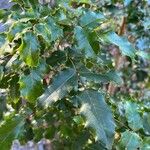
Berberis pinnata
Cluster holly-grape · Wavyleaf Barberry
Description
Source: leafsnapMahonia pinnata (syn. Berberis pinnata) is a species of shrub in the barberry family. Common names include California barberry, wavyleaf barberry, and shinyleaf mahonia. It is similar to the Oregon-grape (Mahonia aquifolium), and is sometimes called the California Oregon-grape. It is native to the west coast of North America from British Columbia to Baja California, where it occurs in forest, woodland, chaparral, and other habitat.
🌳 The bright yellow wood and bark of Oregon grape have been used by Native American tribes to produce a natural dye for basketry and fabric. That vivid color comes from berberine, an alkaloid also responsible for some of the plant's medicinal qualities, illustrating a multifunctional use that goes beyond the herb's curative role.
🎭 Wealth, abundance, security, good energy
Care Guide
💧 Water Every 2 weeks
Island barberry thrives in environments with moderate moisture and is drought-tolerant, needing watering only every two weeks. As an evergreen, it retains its foliage year-round, which affects its water retention. Indoor plants require less frequent watering compared to outdoor ones because of the stable indoor humidity levels.
☀️ Light Partial sun
Oregon grape prefers a mix of sun and shade. It tolerates a fair amount of sunlight but also does well in places that are shaded for most of the day. It occurs in a variety of habitats with different lighting conditions. Too much or too little light can affect its health and vibrancy.
What are the sunlight requirements for Island Barberry?
Island Barberry thrives under moderate sunlight but can tolerate poorly lit areas, thanks to its adaptive nature to varied sunlight intensities. It requires about 3-6 hours of sunlight for partial sun conditions and less than 3 hours of sunlight for full shade. However, both excessive light and insufficient sunlight can stress the plant, affecting its growth and health negatively. It's crucial to watch how sunlight moves through your garden to find spots offering the correct balance of light and shade, ensuring the plant's well-being.
How do artificial lights support plant growth indoors?
When natural sunlight is not enough, artificial lighting becomes essential for plant growth, especially indoors. It promotes healthier, faster growth by providing adequate lighting. LED lights are recommended due to their customizable wavelengths that suit specific plant needs. Full sun plants require 30-50W/sq ft of light, partial sun plants need 20-30W/sq ft, and full shade plants need 10-20W/sq ft. The light source should be placed 12-36 inches above the plant to mimic natural sunlight, and most plants will thrive with 8-12 hours of artificial light per day.
What are the symptoms of light deficiency in Island Barberry?
When Island Barberry is grown indoors with insufficient light, several symptoms can indicate light deficiency. These include smaller new leaves, leggy or sparse growth, faster leaf drop, slower or no new growth, lighter-colored new leaves, chlorosis (leaves turning yellow), sunscald, leaf curling, wilting, and leaf scorching. These symptoms highlight the plant's struggle with poor light conditions and the need for adjustments in its environment.
How can I address light deficiency in Island Barberry?
To address light deficiency in Island Barberry, gradually acclimate the plant to more sunlight by moving it to sunnier spots each week until it receives 3-6 hours of direct sunlight daily. For indoor plants that are large or hard to move, consider using artificial light sources such as desk lamps or professional grow lights for at least 8 hours a day. Outdoors, ensure plants are gradually moved to avoid shock and sunburn. If sunlight is blocked by trees or structures, try pruning or transplanting the plant to a sunnier location, particularly during its dormant period for smaller plants. Note that while parts of the plant damaged by insufficient light may not recover, new growth should be healthier following these adjustments.
🌡️ Temperature 10–32.2°C
Oregon grape originates in the Pacific Northwest and tolerates a broad temperature range from 50 ℉ (10 ℃) to 90 ℉ (32 ℃). In cooler regions the plant can grow in partial shade, while in warmer regions it prefers full sun. In winter, Oregon grape can endure temperatures as low as 10 ℉ (-12 ℃), but it may need protection in places with extended frost or snow.
What is the native temperature range for Island barberry?
Island barberry is native to regions where the temperature typically ranges from 41 to 90°F (5 to 32°C). In its native habitat, Island barberry thrives within this temperature range. To keep the plant healthy, especially if you live in an area where temperatures fluctuate outside this range, it's important to take steps to maintain an environment close to its preferred temperature. Despite its strong resistance to cold, in areas where winter temperatures are expected to drop below -25°C, it is crucial to take cold protection measures, such as wrapping the trunk and branches with insulating materials like non-woven fabric or cloth. Additionally, before the onset of the first freeze in autumn, watering the plant abundantly is recommended. This ensures the soil remains moist and enters a frozen state properly, which helps prevent drought and water scarcity for the plant during the colder months.
How does Island barberry react to low temperatures, and what should be done in spring?
Island barberry is recognized for its cold-tolerance, thriving best when the temperature remains above 5°C. Throughout the winter, it's advisable to keep the temperature above -20°C. However, when temperatures fall below -25°C, Island barberry typically does not exhibit noticeable damage during the winter season. Nevertheless, come spring, the branches may appear brittle and dry, and the plant might fail to produce new shoots. The recommended solution for this scenario is to prune any dead branches that failed to produce new leaves during the spring, which helps the plant to recover and promote new growth.
What are the signs of heat stress in Island barberry, and how can it be assisted?
During the summer months, it's critical to ensure that Island barberry is kept below 32°C, as high temperatures above 35°C can lead to noticeable symptoms of heat stress. These symptoms include leaves that appear lighter in color, dry and withered leaf tips, and an increased susceptibility to sunburn. To assist an Island barberry experiencing heat stress, it's advised to trim away sunburned and dried-up parts of the plant. Moving the plant to a shaded location, especially during the harsh midday and afternoon sun, or using a shade cloth can provide the necessary protection. Additionally, watering the plant in the morning and evening will help maintain soil moisture, further aiding the plant's recovery and resilience against high temperatures.
💨 Humidity
🪴 Soil 5-6
🌱 Fertilizer
Fertilize your Oregon grape in early spring to encourage healthy growth. Regular feeding boosts overall health, resulting in vigorous growth, greater tolerance of harsh conditions, and improved resistance to pests and diseases. Stick to a consistent fertilization schedule to keep the foliage vibrant, richly colored, and lush in appearance.
🪴 Pot & Repot 2-3 years
When repotting Oregon grape, select a pot 1-2 inches (2.5–5.1 cm) larger with ample drainage. Use a well-draining potting mix. Repot in spring or fall, making sure the root ball sits slightly lower than the rim of the flower pot. Water thoroughly after repotting and place it in a warm spot with indirect sunlight.
✂️ Pruning
Island barberry features glossy, holly-like leaves and bright yellow flowers. To keep it in good shape, prune in early spring to remove dead wood and shape the plant. Avoid heavy pruning to preserve the blooms. Regularly thin out older branches to improve airflow, control the plant's size, and prevent disease, ensuring it remains a vibrant addition to your garden.
🌿 Propagating
🐛 Diseases & pets
☠️ Toxicity
Characteristics
- Plant Type
- Shrub
- Life Cycle
- Perennial
- Genus
- Berberis
- Family
- Berberidaceae
- Hardiness Zone
- 6-8
- Mature Height
- 91 cm
- Mature Spread
- 1.52 m
- Leaf Color
- Green
- Leaf Type
- Evergreen
- Flower Color
- Yellow
- Flower Size
- 0.51 cm to 1.02 cm
- Bloom Time
- Mid spring, Late spring
- Planting Time
- Autumn, Winter, Spring
- Harvest Time
- Mid summer