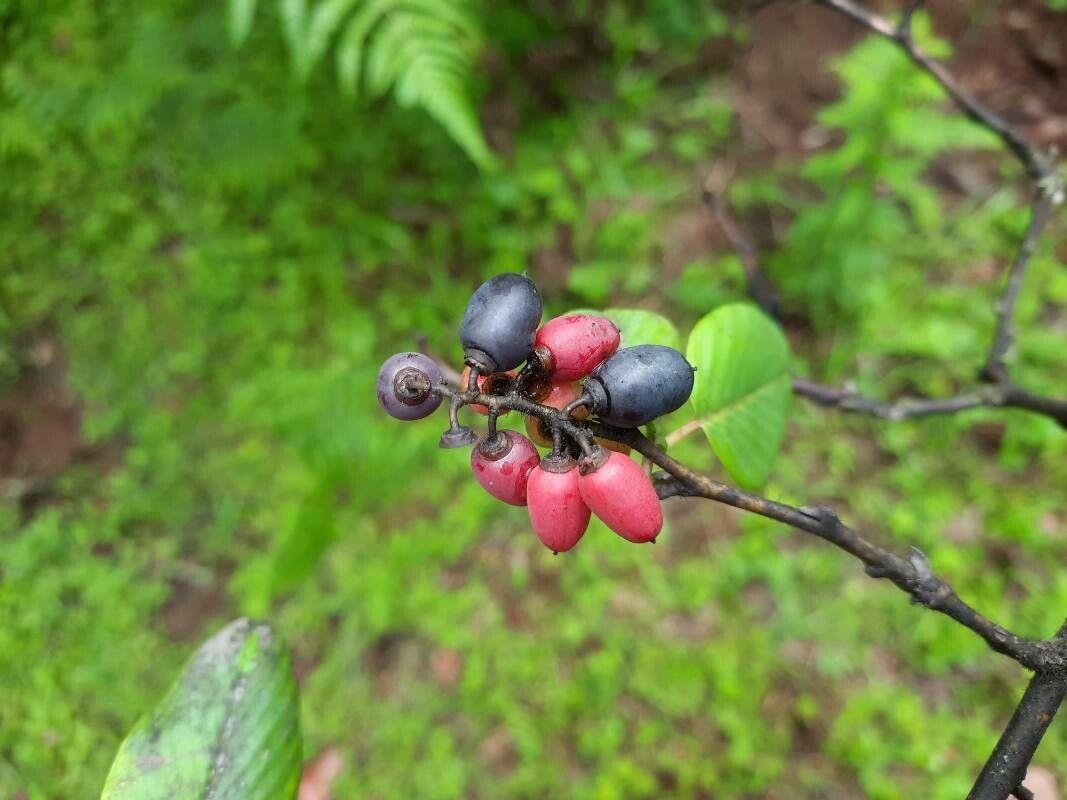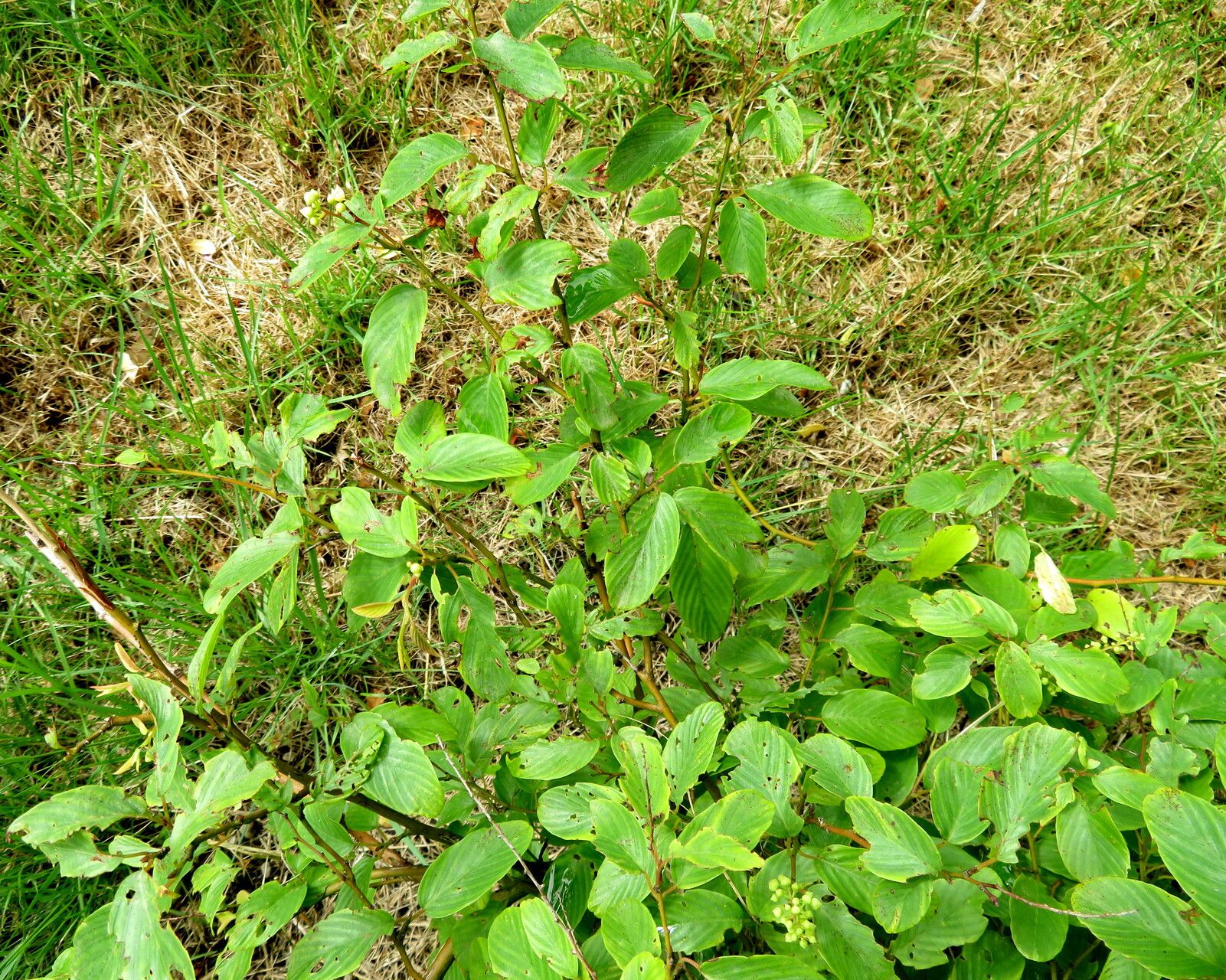
Berchemia discolor, commonly known as Alabama supplejack or leatherstem, is a deciduous shrub or small tree native to the southeastern United States. It typically grows up to 20 feet tall and has a spreading habit with arching branches. The leaves are alternate and simple, featuring an oval shape and serrated edges. Its small, inconspicuous flowers appear in clusters in late spring or early summer. The fruit is a small drupe that changes from green to purple-black when ripe.
Berchemia discolor thrives in moist soils with full sun to partial shade but can also tolerate drought conditions once established. It is often used for erosion control due to its extensive root system, which helps stabilize soil on slopes and riverbanks.
For centuries, Native Americans have used this plant for its medicinal properties. It contains compounds with anti-inflammatory effects, helping to alleviate pain caused by arthritis and other inflammatory conditions.
Overall, Berchemia discolor is not only an attractive plant with aesthetic value, but it also offers ecological benefits such as erosion control. Additionally, its medicinal properties make it a significant part of traditional medicine practices for Native Americans in the southeastern United States, where it grows natively.
Botanical profile.
- Genus
- Berchemia
- Family
- Rhamnaceae