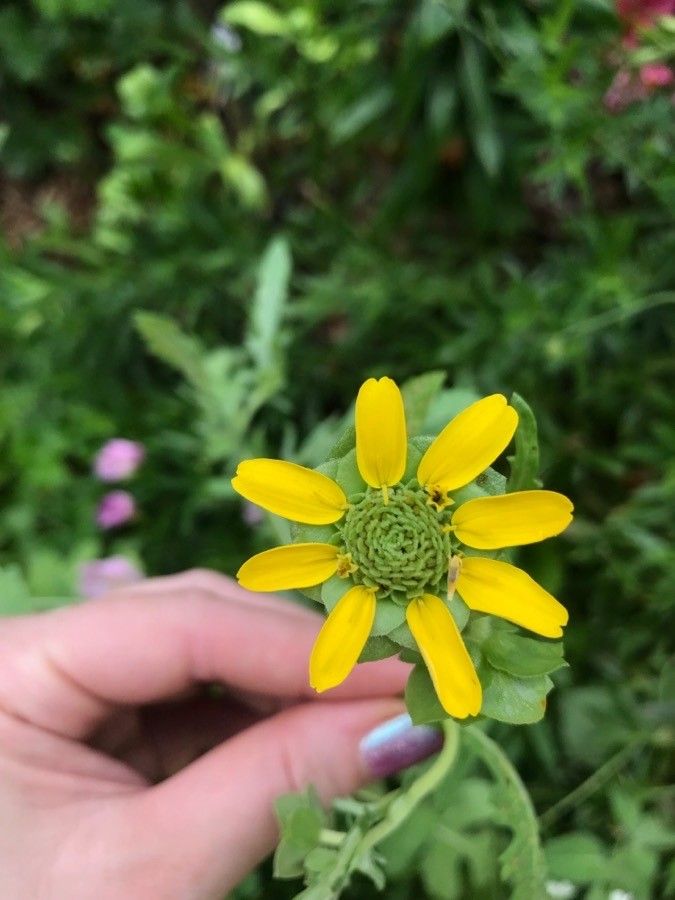
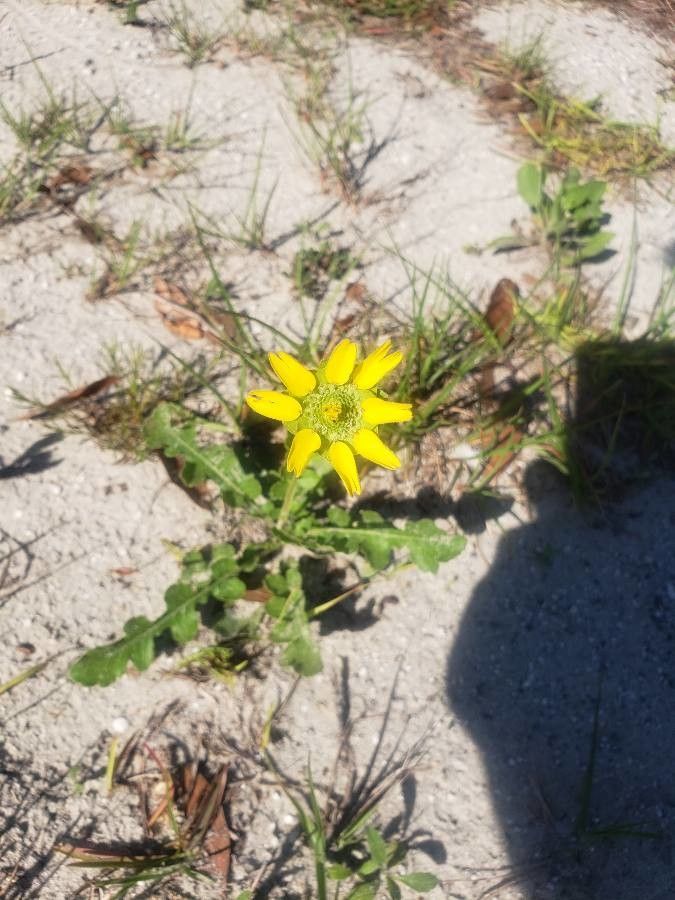
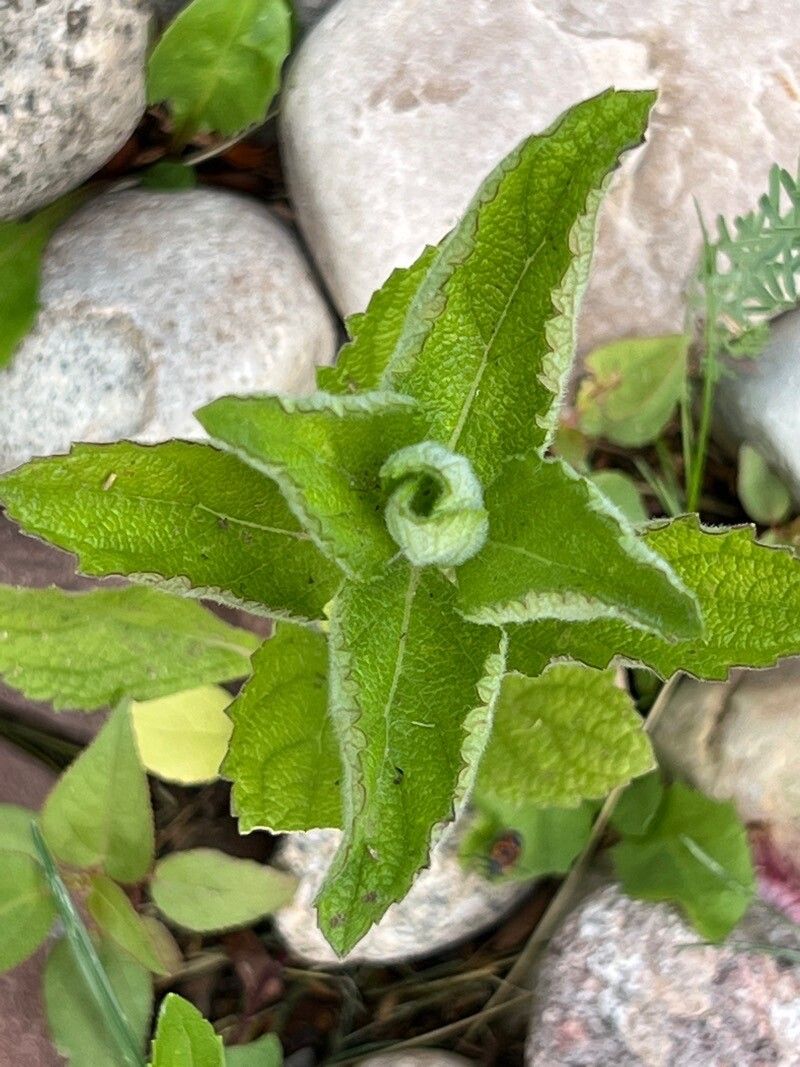
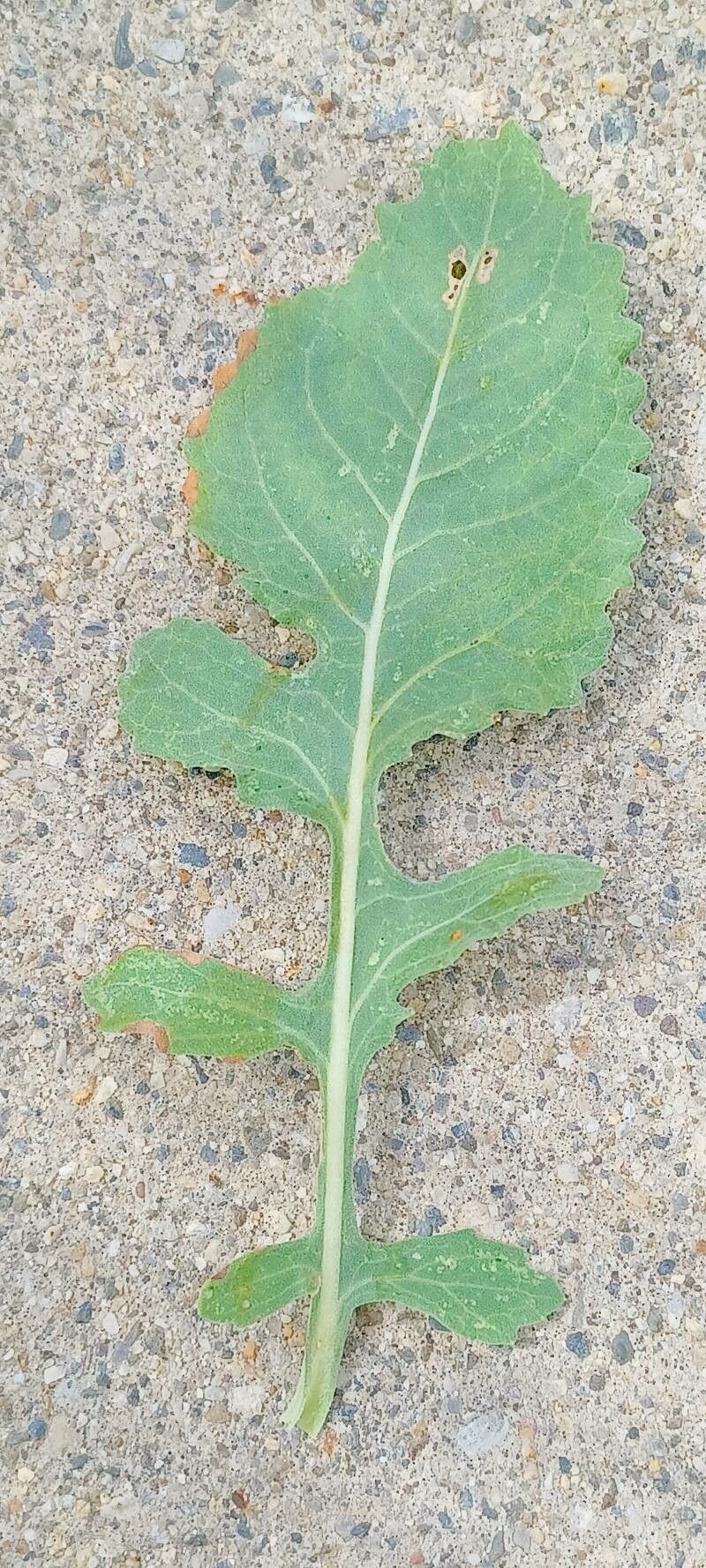
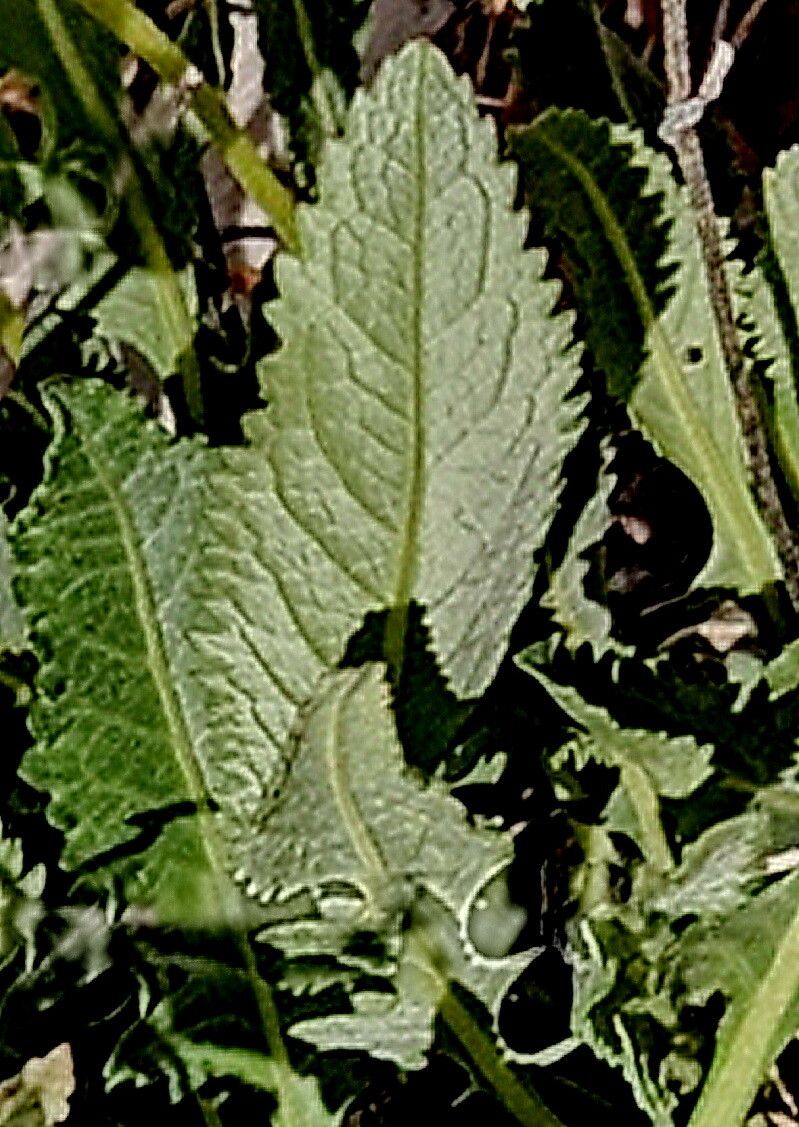
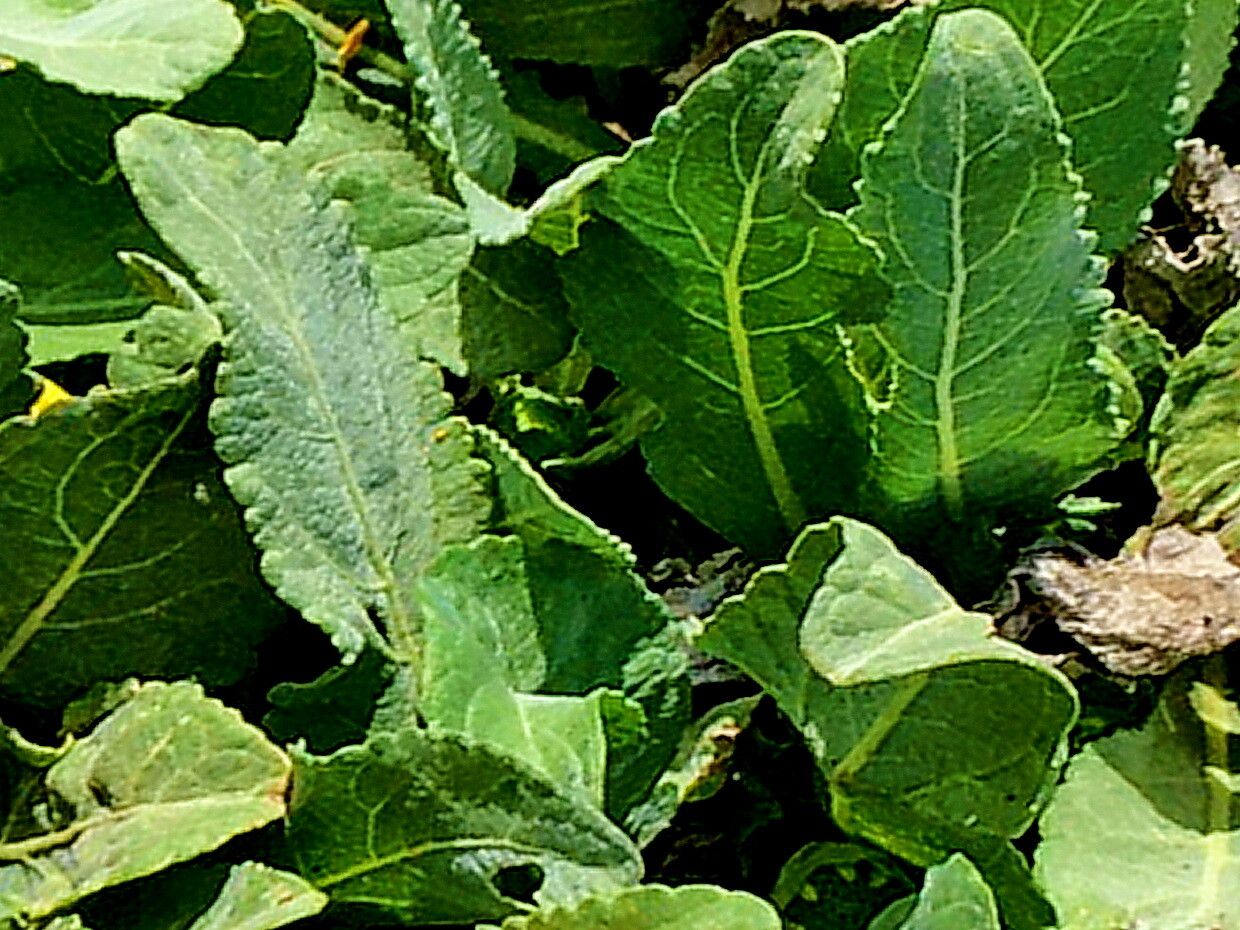
Berlandiera subacaulis, commonly known as Florida greeneyes, is a perennial wildflower belonging to the Asteraceae family. It is native to the southeastern United States, specifically found in Florida, Georgia, Alabama, and Mississippi. This plant typically grows up to 2 feet tall and features a basal rosette of hairy, toothed leaves. Its yellow flowers with dark centers bloom from late spring through summer and attract pollinators such as bees, butterflies, and moths.
Berlandiera subacaulis prefers well-drained soils in full sun or partial shade but can tolerate a variety of soil types, including sandy soils found in coastal areas. It is drought-tolerant once established but benefits from occasional watering during extended dry periods.
Native Americans have used this plant for medicinal purposes to treat various ailments, such as fever, headaches, and stomach problems. Additionally, Berlandiera subacaulis holds potential for landscaping due to its attractive flowers, which can add vibrant color to gardens and natural areas.
Overall, Berlandiera subacaulis is a noteworthy wildflower with ecological significance. Its role as a pollinator attractant and its potential medicinal uses make it an important species worthy of conservation efforts by botanists around the world.
Florida greeneyes is relatively resistant to disease and typically does not suffer from many illnesses. Still, it can be vulnerable to pests and diseases present in its surroundings. When infections occur, they are usually not severe. In terms of care, this plant requires moderate maintenance. Regular pruning is needed to maintain a neat appearance and promote healthy growth. Fertilizing can also help encourage flowering. Florida greeneyes is suitable for anyone with an outdoor space, such as a garden or patio, and does not demand extensive care experience. It may require more attention when grown indoors.
How to keep Berlandiera Subacaulis.
Light
Florida greeneyes is a perennial herbaceous plant that prefers sunny sites and comes from open habitats, commonly flourishing in meadows and grasslands. Its light requirement is primarily full sun, though it can tolerate partial sun.
Temperature
Florida greeneyes adapts well to heat and wide temperature fluctuations. In hot weather, attention should be paid to watering and appropriate shading should be provided to prevent sunburn. However, Florida greeneyes is fairly sensitive to cold. It can endure some chill, but very cold conditions may cause frost damage.
Fertilizer
For Florida greeneyes, the primary time to apply fertilizer is in early spring when the flowers are developing. The correct fertilizer promotes better blooms and helps Florida greeneyes produce attractive flowers. Fertilizing in early spring guarantees good flowers during the season and supplies energy for dormant growth periods.
Pruning
Florida greeneyes produces daisy-like blooms and thrives when pruned early in the spring. Focus on removing dead stems and thinning out crowded areas to improve air circulation and encourage growth. Avoid heavy pruning to prevent stressing the plant. Use clean, sharp tools to promote plant health and maintain a neat appearance.
Botanical profile.
- Plant Type
- Herb
- Life Cycle
- Perennial
- Genus
- Berlandiera
- Family
- Asteraceae
- Hardiness Zone
- 8-11
- Mature Height
- 30 cm to 91 cm
- Mature Spread
- 30 cm to 46 cm
- Leaf Color
- Green, Dark Green
- Leaf Type
- Deciduous
- Flower Size
- 5.08 cm to 6.35 cm
- Bloom Time
- Spring, Summer, Early fall
- Planting Time
- Spring, Summer, Autumn
- Harvest Time
- Late spring, Summer, Fall
Other names.